Young and old, male and female…


it’s a family affair, labor of love…


as the tombs of San Antonino Castillo Velasco are painstakingly decorated on November 3.
Posted in Celebrations, Creativity, Culture, Travel & Tourism, tagged cemetery, Day of the Dead, Día de los Muertos, Día de Muertos, flowers, hands, Mexico, Oaxaca, panteón, photographs, photos, San Antonino Castillo Velasco, tombs on November 5, 2015| 6 Comments »
Young and old, male and female…
it’s a family affair, labor of love…
as the tombs of San Antonino Castillo Velasco are painstakingly decorated on November 3.
Posted in Celebrations, Creativity, Culture, Holidays, Travel & Tourism, tagged calacas, calaveras, Day of the Dead, Día de los Muertos, Días de Muerto, decorative skulls, Mexico, Oaxaca, photographs, photos, popular travel destinations, skeletons on November 1, 2015| 7 Comments »
This year, around and about Oaxaca during Día de Muertos, especially for my skeleton loving grandson. (Click on images to enlarge)


Besos y abrazos, Abue. 😉
Posted in Celebrations, Culture, Flora, Holidays, Travel & Tourism, tagged cempasuchitl, Day of the Dead, Día de Muerto, flor de muertos, flowers, marigolds, Mexico, Oaxaca, photographs, photos, popular travel destinations, veruche on October 30, 2015| 4 Comments »
Today I ventured down to Calle de Ignacio Rayón (the block between the Benito Juárez and 20 de Noviembre mercados) to purchase flowers for my Día de Muertos ofrenda (an altar of offerings). On the list was cockscomb (cresta de gallo or borla de Santa Teresa), marigolds (cempasúchitl), and veruche (also known as flor de muertos). I wasn’t alone, the sidewalks were crowded with other shoppers in search of the same traditional flowers, fruits, nuts, copal, and other items to place on their ofrendas.
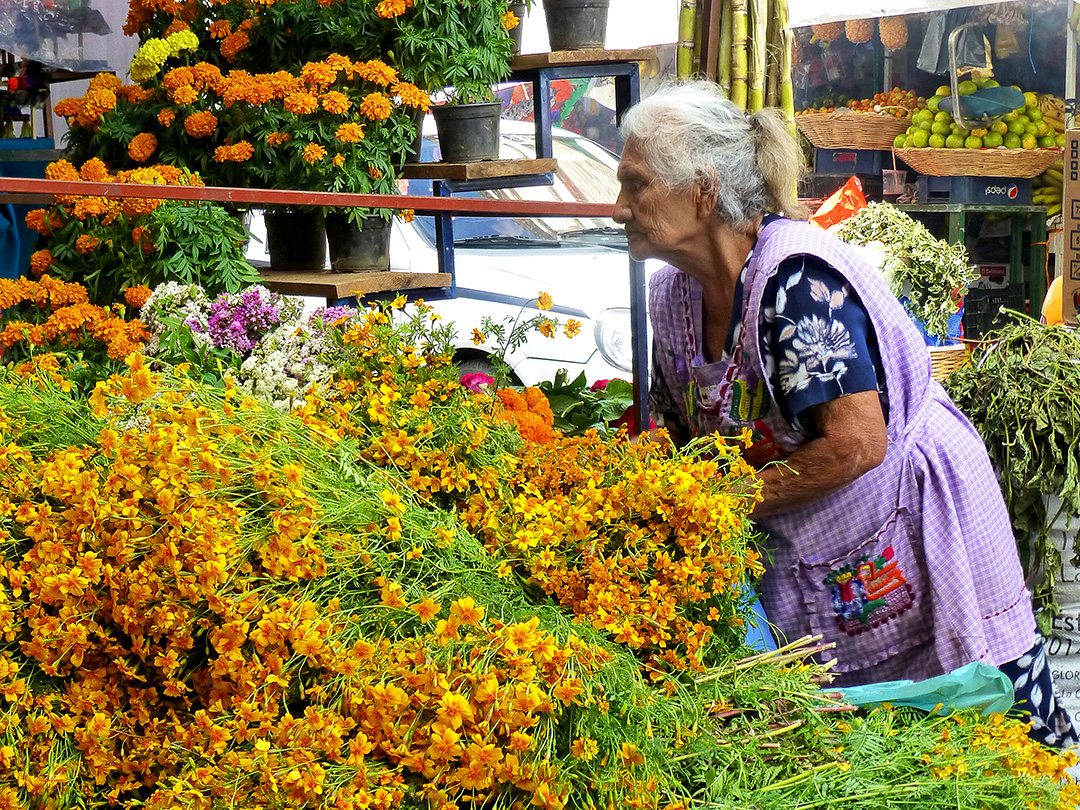
Veruche is a tiny relative of the marigold that grows wild in the valley of Oaxaca at this time of year. Yellow was the color of death in southern Mexico, long before the Spanish set foot on the continent and, along with the scent of the flowers and smoke from the candles and copal, it is thought to attract the difuntos (spirits of the dead) to bring them to the ofrendas prepared for them.
Muchisimas gracias to Shawn D. Haley for his informative presentation at the Oaxaca Lending Library on the Zapotec celebration of Día de Muertos. Needless to say, I also purchased the book he coauthored with photographer Curt Fukuda, The Day of the Dead: When Two Worlds Meet in Oaxaca.
Posted in Celebrations, Churches, Culture, Holidays, Religion, Travel & Tourism, tagged Catedral de Oaxaca, flowers, La catedral de Nuestra Señora de la Asunción, lilies, Mexico, Oaxaca, photographs, photos, popular travel destinations, Señor del Rayo on October 21, 2015| 6 Comments »
I love going into Oaxaca’s cathedral at this time of year, when the fragrance of thousands of flowers, especially lilies, perfumes the air.

The Catedral de Nuestra Señora de la Asunción is being readied for October 23, the day Oaxaca celebrates Señor del Rayo.
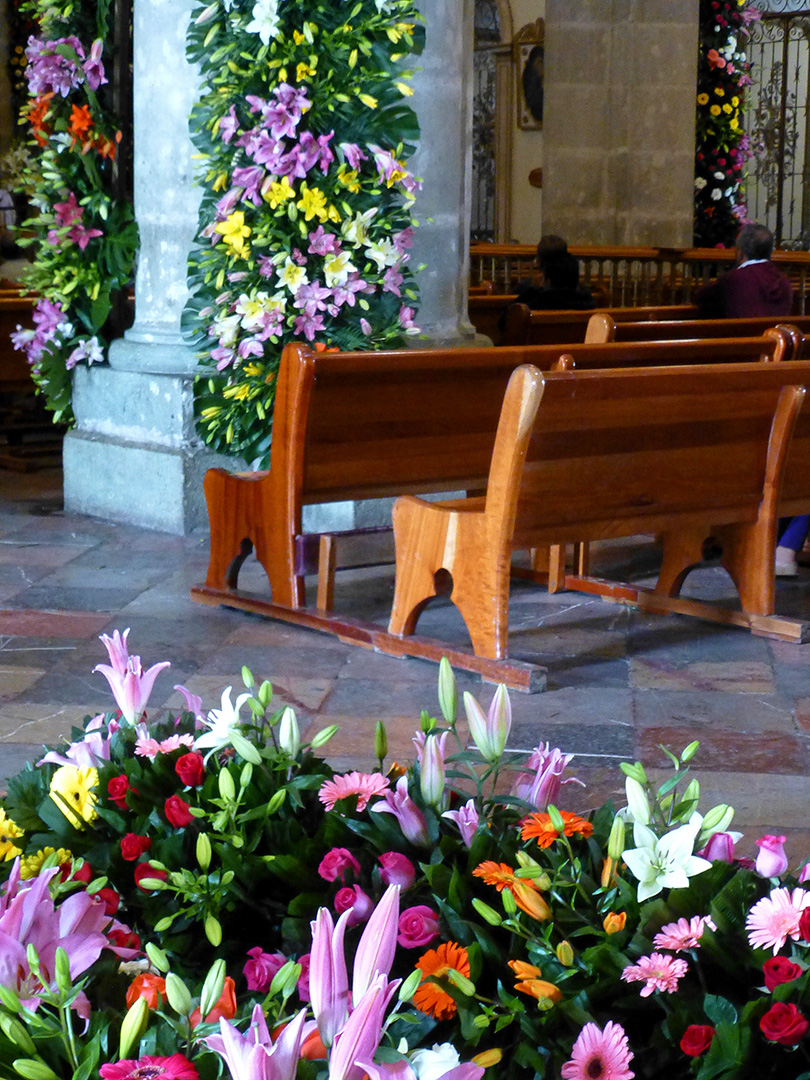
Like Guelaguetza, Noche de Rabanós (Night of the Radishes), and Día de la Samaritana (Good Samaritan Day), this is an “only in Oaxaca” celebration.

This carving of Christ on the Cross was brought to Oaxaca during the 16th century and was placed in the temple of San Juan de Dios, a church which had adobe walls and a straw (or possibly wood) roof.

Legend has it that lightning struck the church and everything was destroyed, save for this figurine. A miracle!

The statue became known as Señor del Rayo (Lord of Lightning), was placed in his own chapel (the furthest capilla from the main entrance on the left) in the newly built cathedral, and has been much venerated ever since.
 October 21, in anticipation of his special day, the cathedral is festooned with lilies and Señor del Rayo is moved out of the glass case in his chapel, to the main altar of the cathedral.
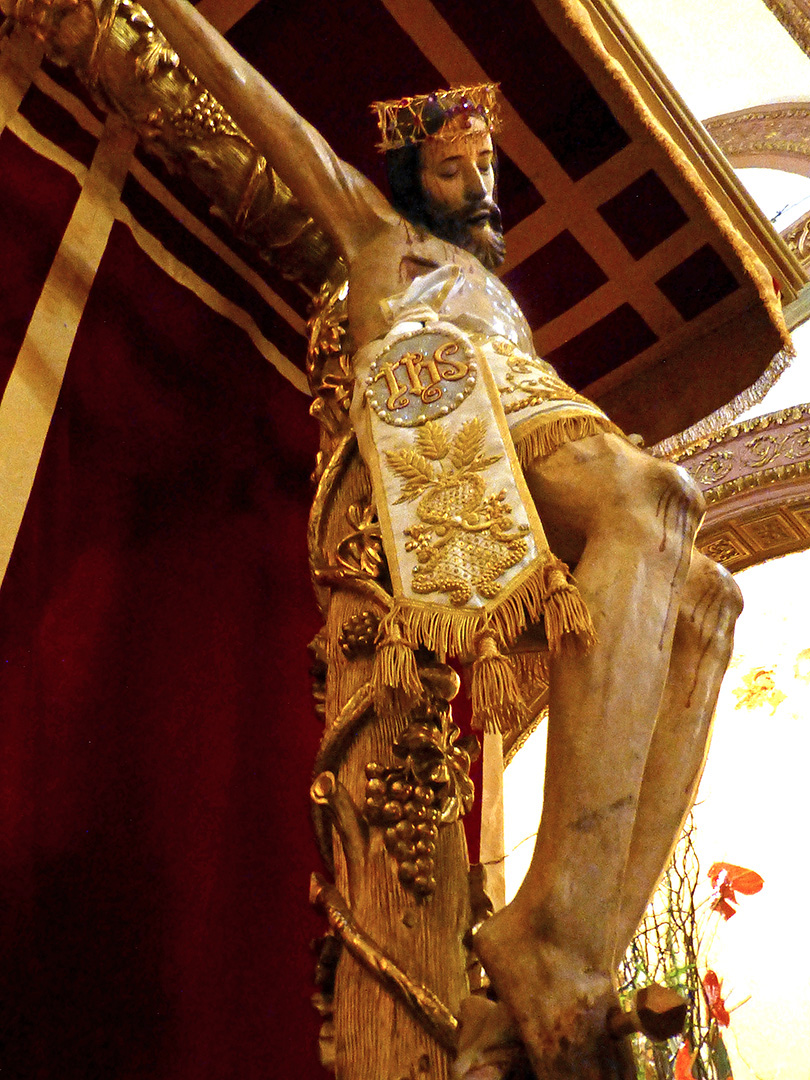
October 22 will be filled with religious and cultural events and at midnight, when the calendar day changes, the cathedral bells will peal and cohetes (rockets) will announce the arrival of Señor del Rayo’s special day.
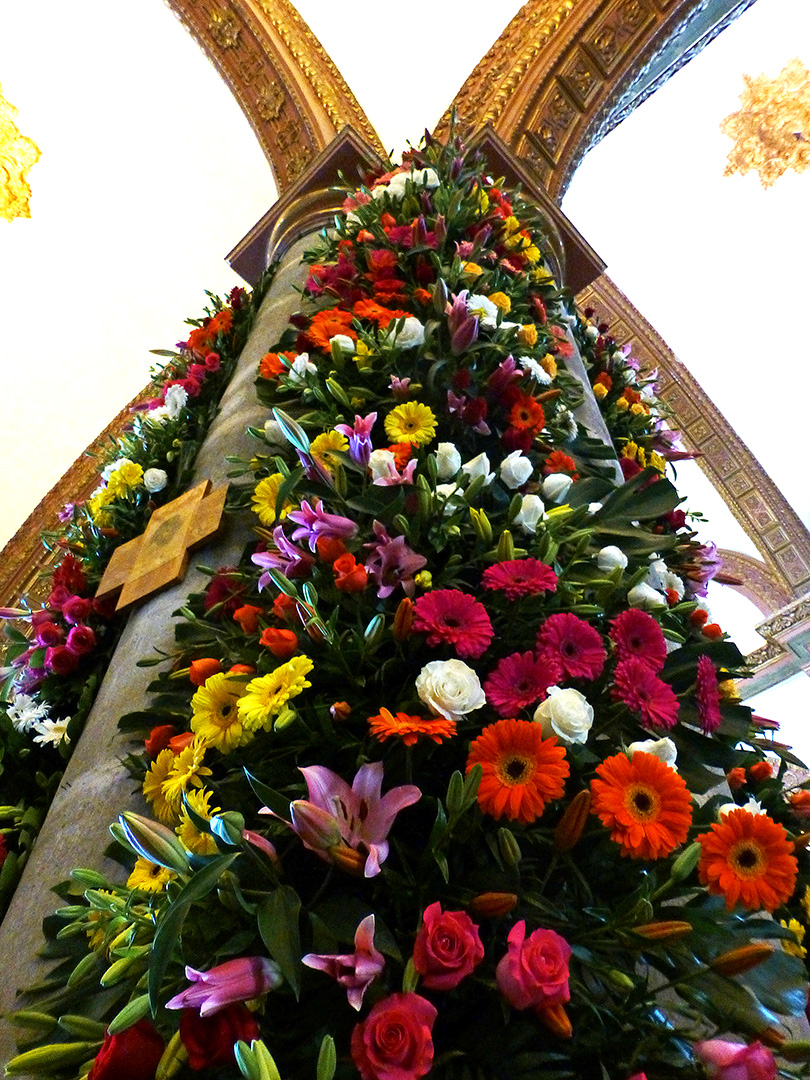
In honor of His day, on October 23, there will more spiritual and cultural festivities, culminating in a castillo and fireworks.

As the color and scent of the lilies fade, on October 24 Señor del Rayo will be returned to his chapel.
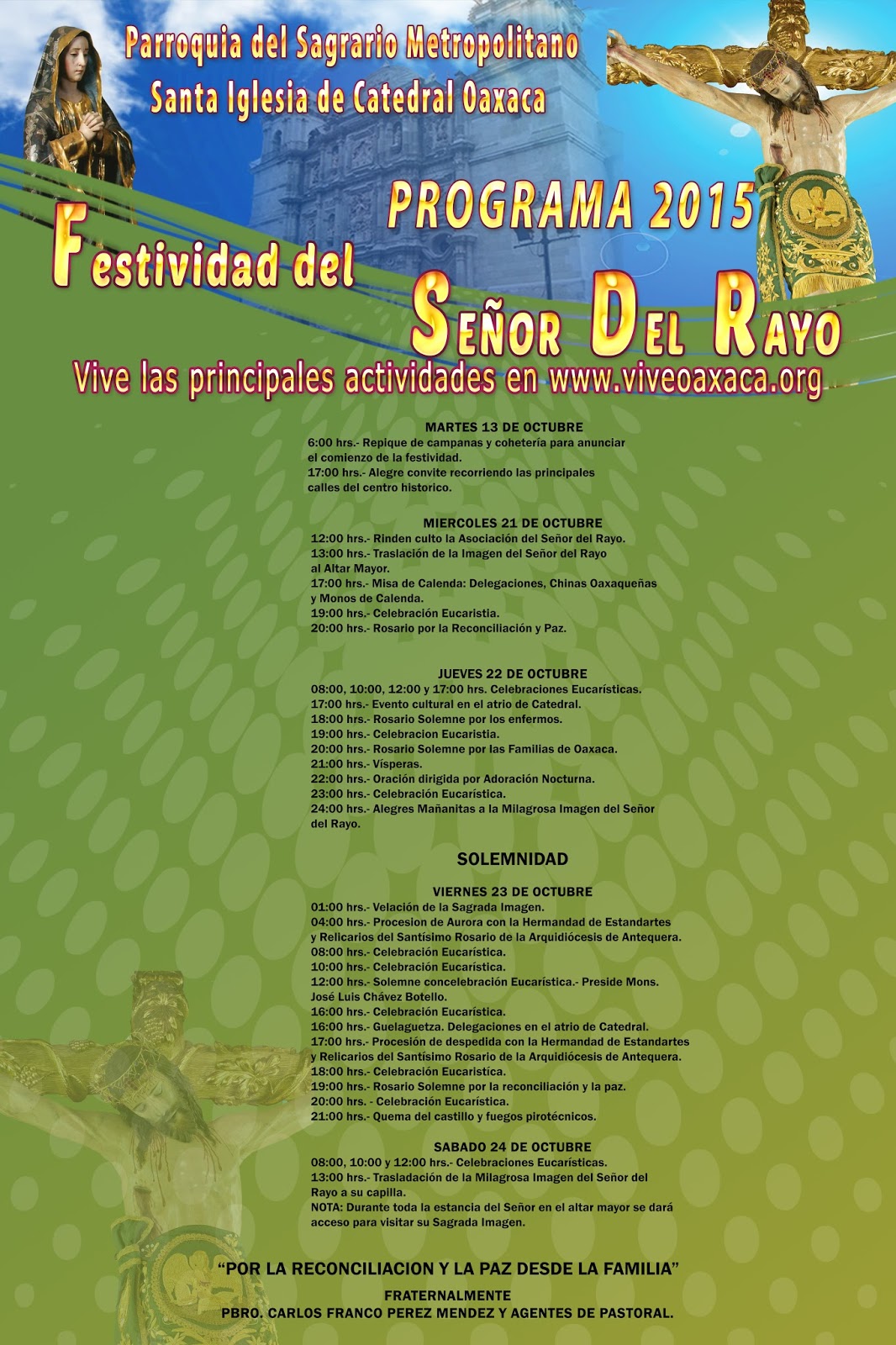
The end of eleven days of festivities celebrating Señor del Rayo.
Posted in Celebrations, Culture, Religion, Travel & Tourism, tagged Banda Herencia Musical, C. Rigoberto y Dagoberto Morales, castillos, celebrations, culture, El Picacho, festivals, Fiesta de la Virgen del Rosario, fireworks, Mexico, Oaxaca, photographs, photos, popular travel destinations, Teotitlán del Valle, video on October 6, 2015| 4 Comments »
Festival fireworks in Oaxaca are usually 3-part affairs, consisting of toritos (little bulls) and/or canastas (baskets) wired with fireworks and worn on top of the head by daring-do guys (toritos) and gals (canastas). This is followed by a castillo (castle) and then the more familiar rockets-exploding-in-the-sky fireworks most of us have craned our necks and oooh-ed and ahhh-ed over since childhood. Sometimes the order of the latter two is reversed.
The subject of today’s blog post is the castillo that was constructed and executed this past Saturday by “los maestros pirotécnicos los C. Rigoberto y Dagoberto Morales” for the festival in honor of the Santisima Virgen del Rosario (Sainted Virgin of the Rosary) in Teotitlán del Valle. They and their crew went about the business of constructing and wiring this “Erector Set” type castillo out of wood and carrizo in the church courtyard.
I couldn’t resist playing with the saturation on this photo. In my mind’s eye, this is the way it looked. And, de-saturating this one against the backdrop of El Picacho, the sacred mountain that watches over the village.
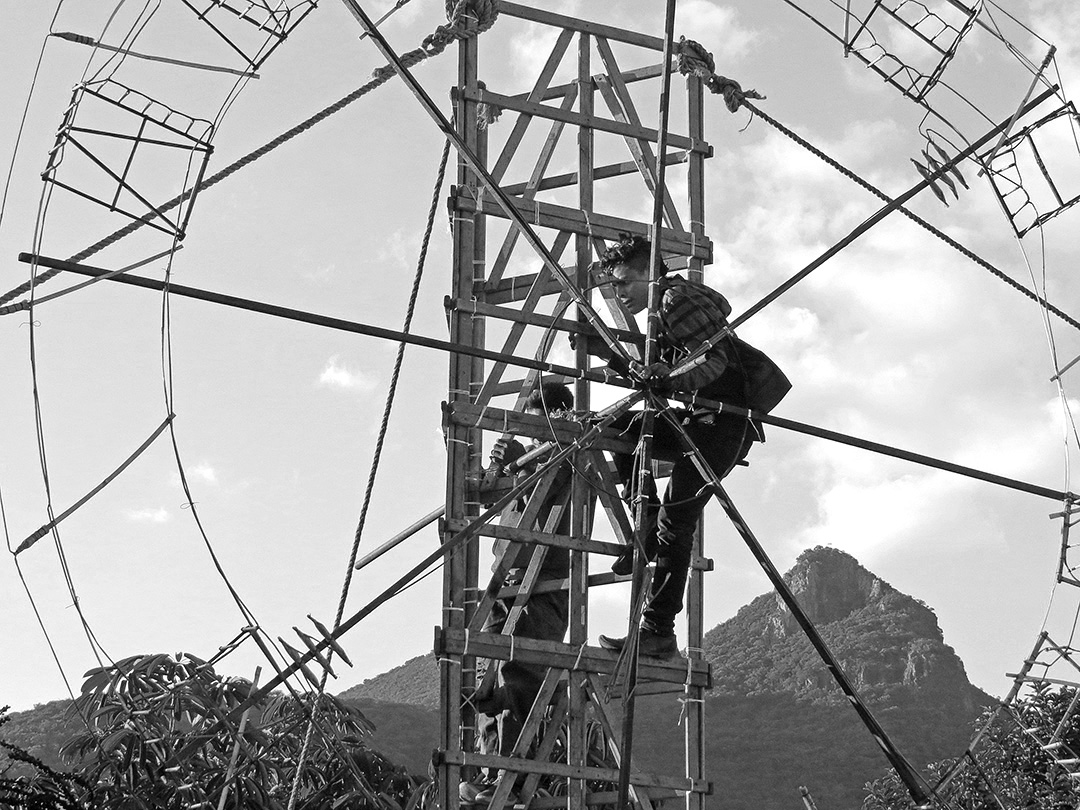 The result of the work by these maestros and their crew? A spectacular castillo, accompanied by the band, Herencia Musical. It was quite a show!!!
And, if you want to see some inside action from a torito, check out the video Chris made, Torito Danza – Dancing with Fireworks. He actually attached a POV (Point of View) camera to the torito!!!
Posted in Celebrations, Culture, Religion, Travel & Tourism, tagged calenda, Fiesta de la Virgen del Rosario, marmotas, Mexico, Oaxaca, parades, popular travel destinations, Tlacolula de Matamoros, Virgin of the Rosary on October 3, 2015| Leave a Comment »
Yesterday, we slowly but surely wound our way around a major blockade and made our way 20 miles southeast of the city to Tlacolula de Matamoros. The reason for our tenacity? Their calenda (parade) in honor of la Virgen del Rosario (Virgin of the Rosary) was happening. A major feature, not to mention highlight, of Tlacolula festivals are the marmotas.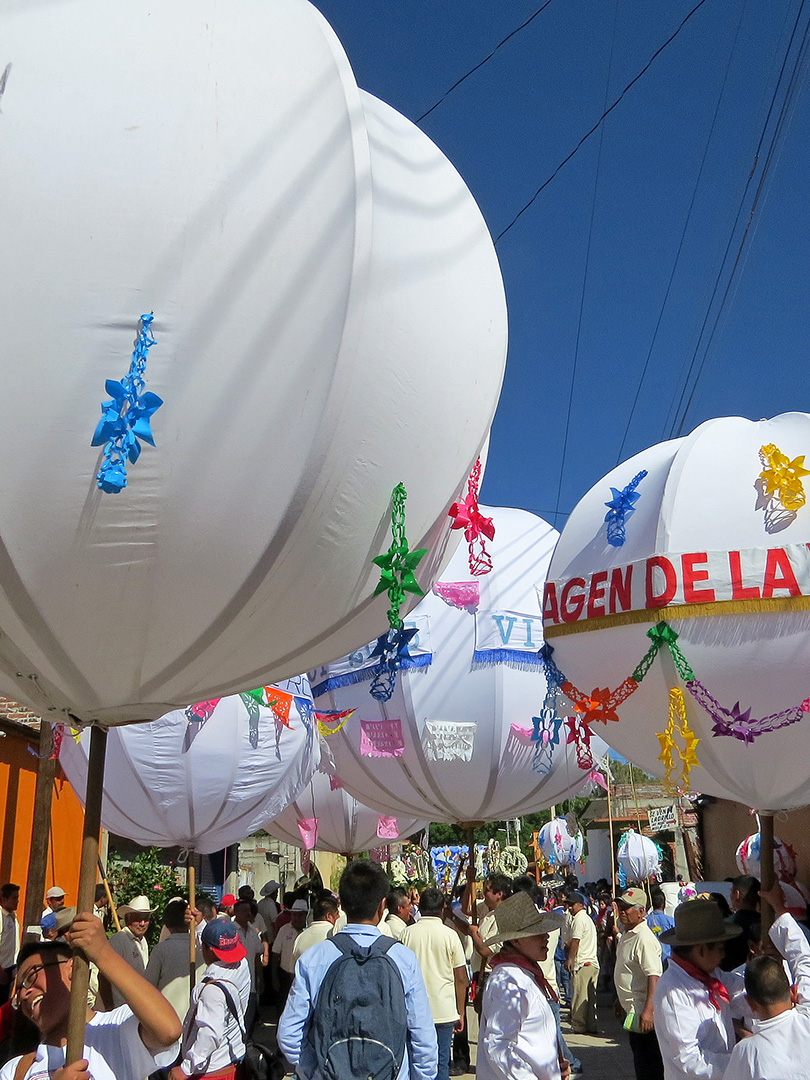
Little boys begin by carrying little marmotas; big boys carry big marmotas; and men carry gigantic marmotas. As for the latter, the guys definitely must rely on a little help from their friends.
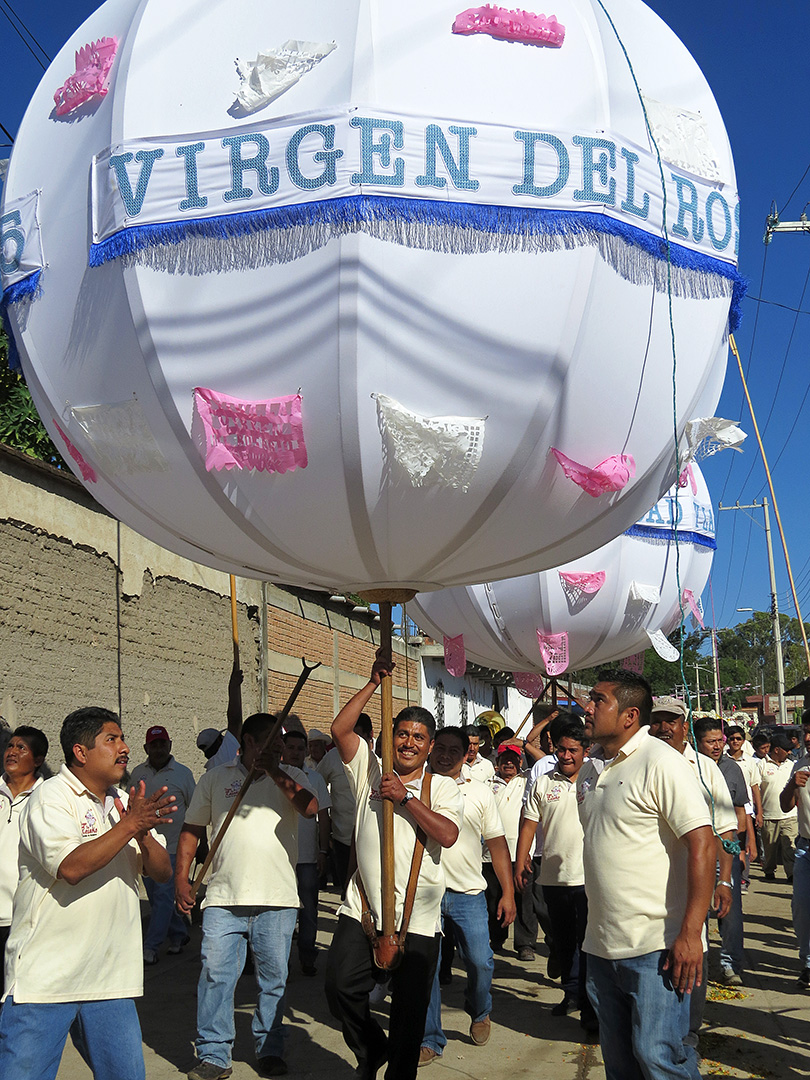 Time for change of shift…
 New guy is helped into position.
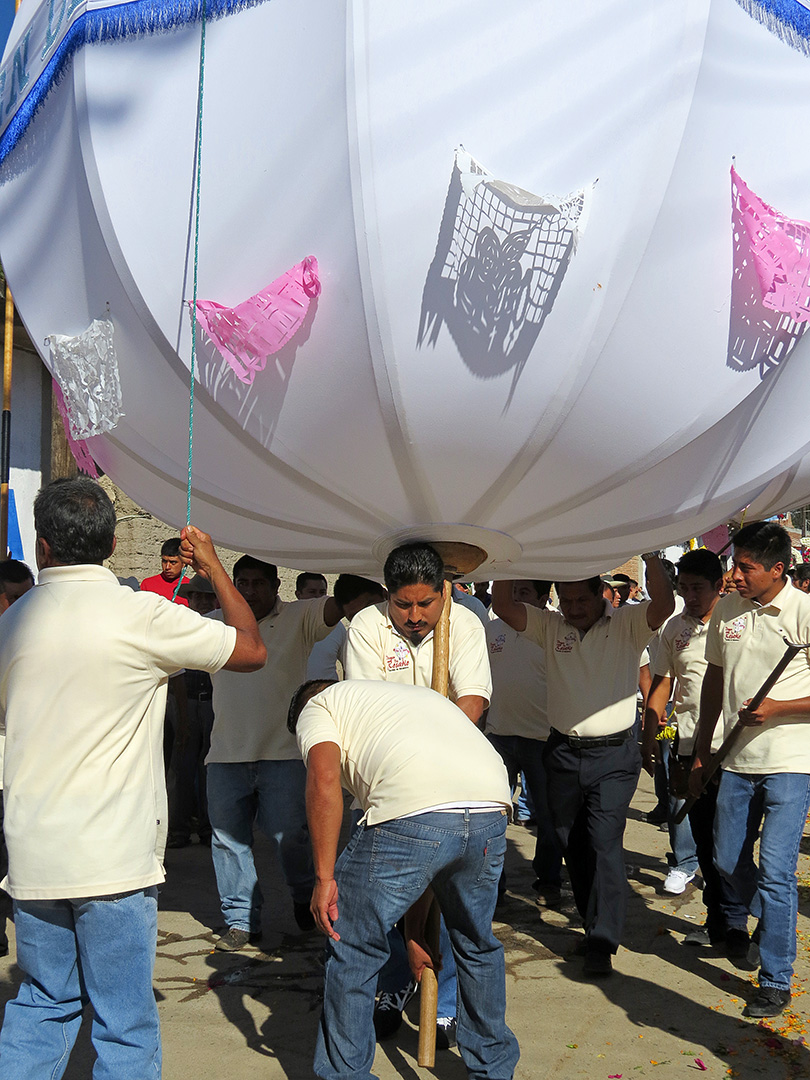 That didn’t last long…
 Time for another shift change.
 All right!!!
Posted in Celebrations, Creativity, Culture, Food, Travel & Tourism, tagged agriculture, Coral Saucedo, corn, Día Nacional del Maíz, food, Francisco Toledo, graffiti, maíz, Mexico, mural, National Day of Corn, Oaxaca, Ocote, photographs, photos, Ricardo Aeme, Seasons of My Heart, street art, Susana Trilling, wall art on October 1, 2015| 6 Comments »
September 29 was Día Nacional del Maíz (National Day of Corn) in Mexico. Corn was first cultivated approximately 8,000 years ago in the valley of Oaxaca and native varieties are still grown by the descendants of those original farmers. This was a day to, not only pay homage to Mother Corn but, as Mexican painter Francisco Toledo reminded those along Oaxaca’s Alcalá, to continue the struggle to defend native corn against impending invasion by Monsanto and its genetically modified seeds. The year revolves around the cycle of corn, which is planted in the same fields as beans and squash to make a perfect growing environment.
 The cornstalk grows, the bean plant crawls up the corn, and the squash vine sprawls out and shades the ground to keep it moist… Some of the corn is harvested in August and eaten fresh, while the rest is left on the stalks to dry.
 All parts of the corn plant are used — kernels, husks (for tamales), cobs (pig feed), and stalks (cow feed). The dried corn is stored and used in many ways throughout the year.
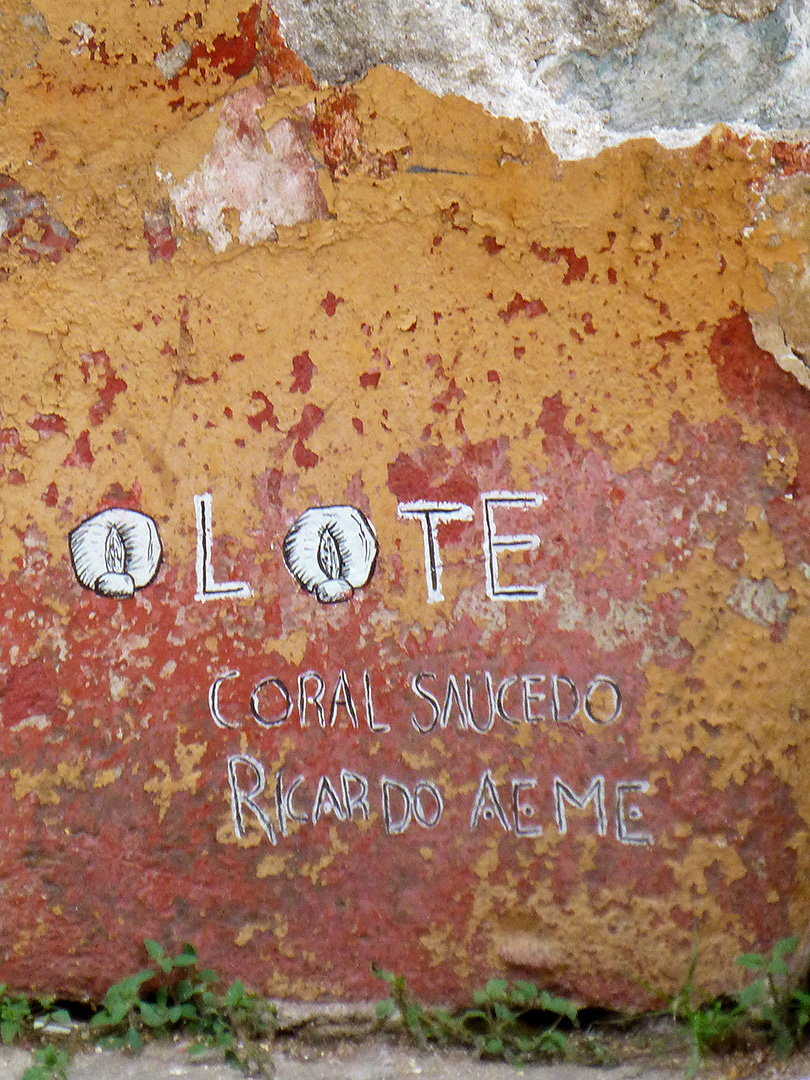 Text in italics is from the Seasons of My Heart cookbook by Susana Trilling.
The artists of the above, used the signature “olote” which is derived from Nahuatl word, olotl. In English, it translates to “corncob” and “a nobody.” Thank you to a couple of “nobodies,” Coral Saucedo and Ricardo Aeme, for such an expressive and beautiful piece of art honoring the sacred corn.
Posted in Celebrations, History, Holidays, Travel & Tourism, tagged Asociación de Charros de Oaxaca, bomberos, camouflage paint, Cruz Roja, desfile, drummers, equestrians, firefighters, horses, José María Morelos y Pavón, Josefa Ortiz de Domínguez, Mexican Independence Day, Mexico, military, Oaxaca, Palacio de Gobierno, parade, photographs, photos, popular travel destinations, Red Cross on September 17, 2015| 11 Comments »
September 16, 2015 marked the 205th anniversary of the beginning of Mexico’s fight for independence from Spain. Like all such occasions worldwide, it was celebrated with patriotic parades. Here in the city of Oaxaca, civic and military contingents marched from the corner of 20 de noviembre and Trujano, passed the Government Palace, east on Guerrero, then north on Pino Suarez, to wind up at Paseo Juárez (aka, Llano Park).

Oaxaca’s Palacio de Gobierno, with images of Josefa Ortiz de Domínguez and José María Morelos y Pavón, two of the heroes of struggle for independence.
Before you could see a contingent, you could hear it; often drums and drummers heralded the arrival of both school and military groups.

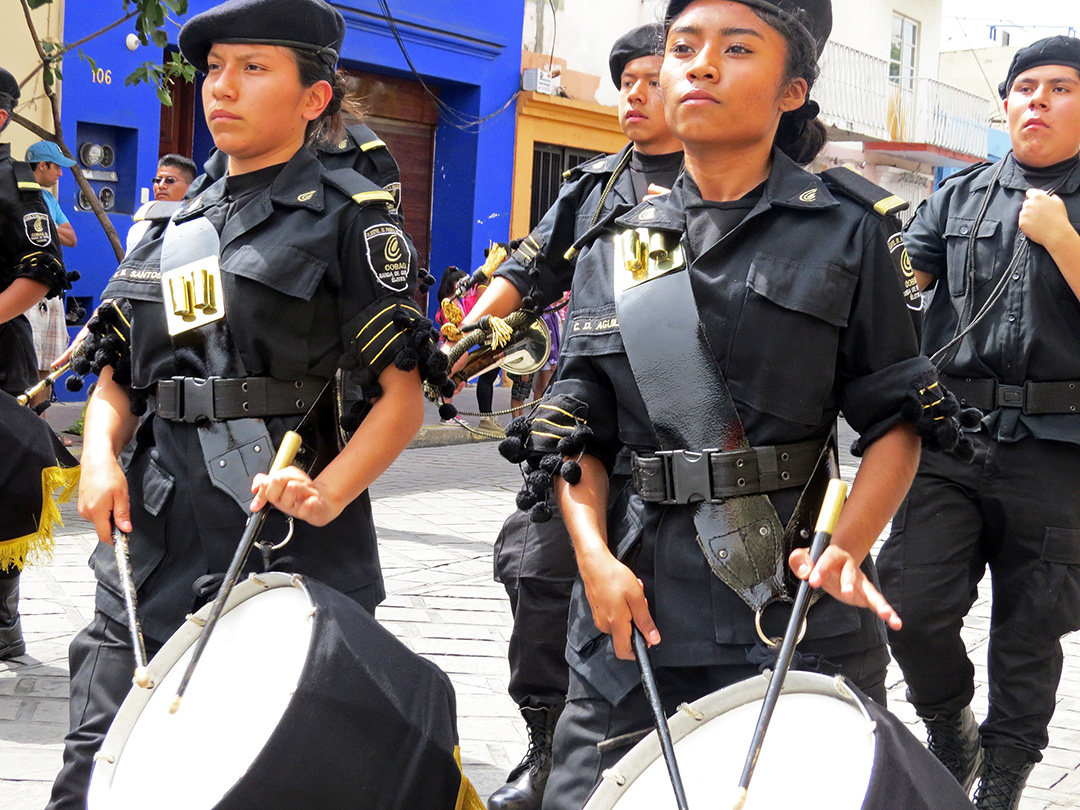 Like most patriotic parades, military and police elements dominated the civic. In Oaxaca, we are talking federal, state, and municipal, including units from the thousands of members of the Gendarmaría Nacional, who have been in town for at least a month. I do have to say, besides the usual, some of the camouflage face paint had an “only in Mexico” flair.
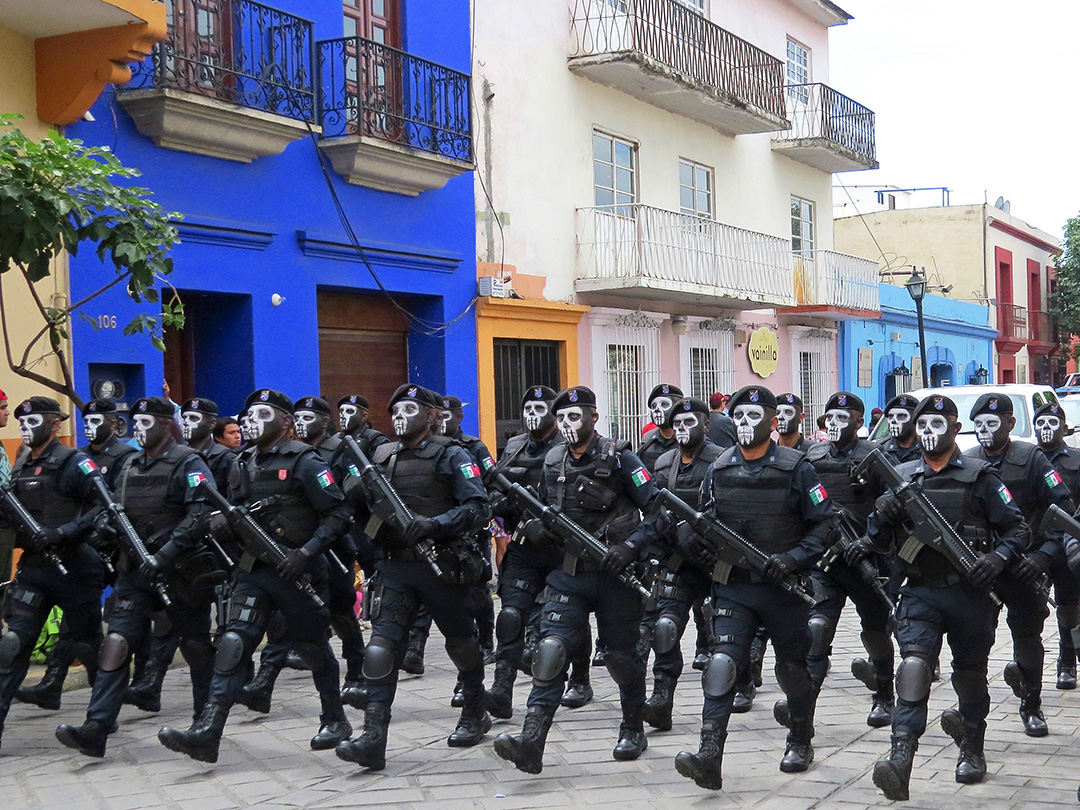
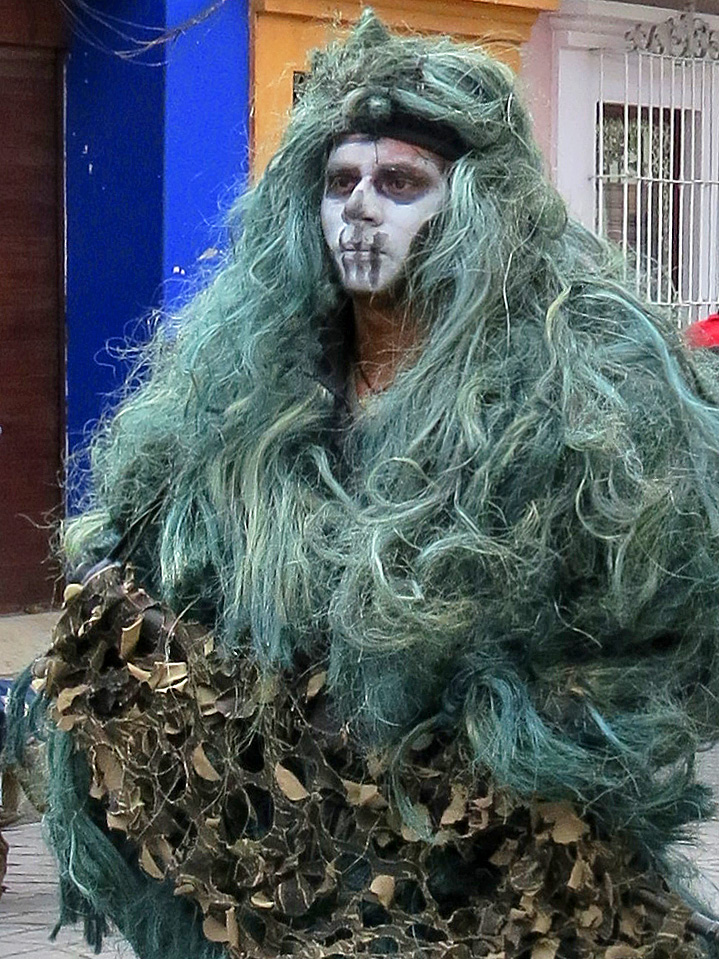 Spectators lined the streets along the route, but mostly reserved their applause for the bomberos (firefighters)…

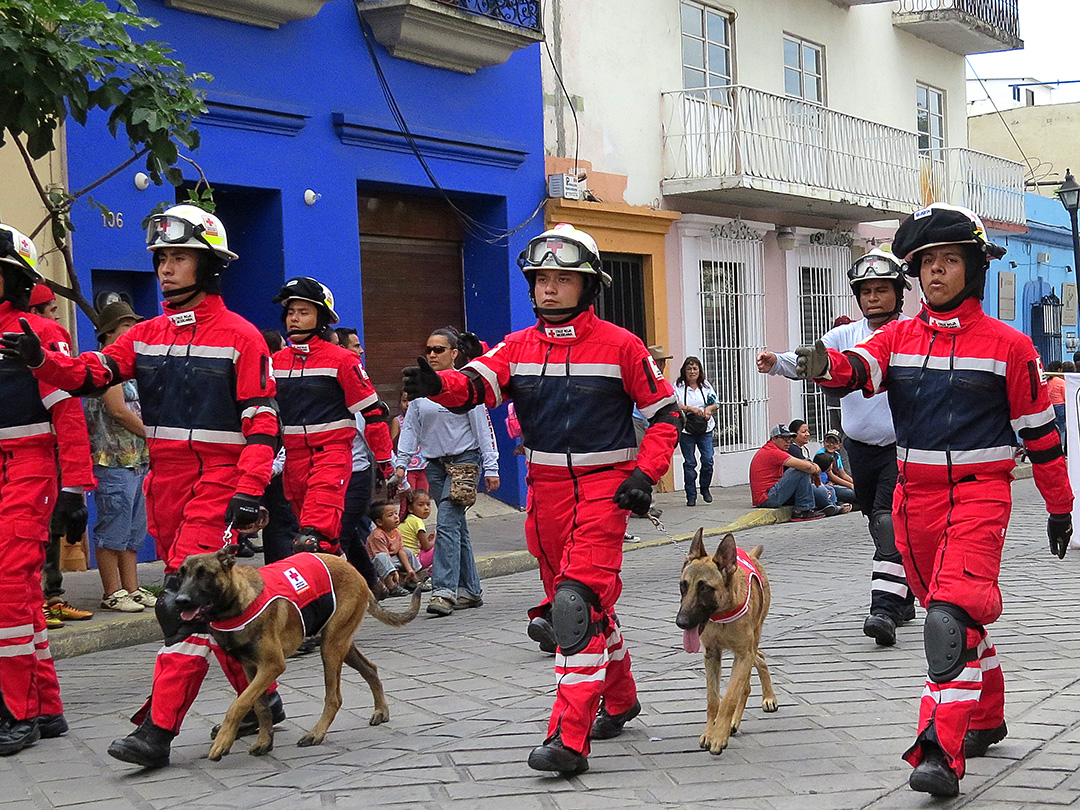
 Cruz Roja (Red Cross) workers, especially the canine unit and young volunteers…
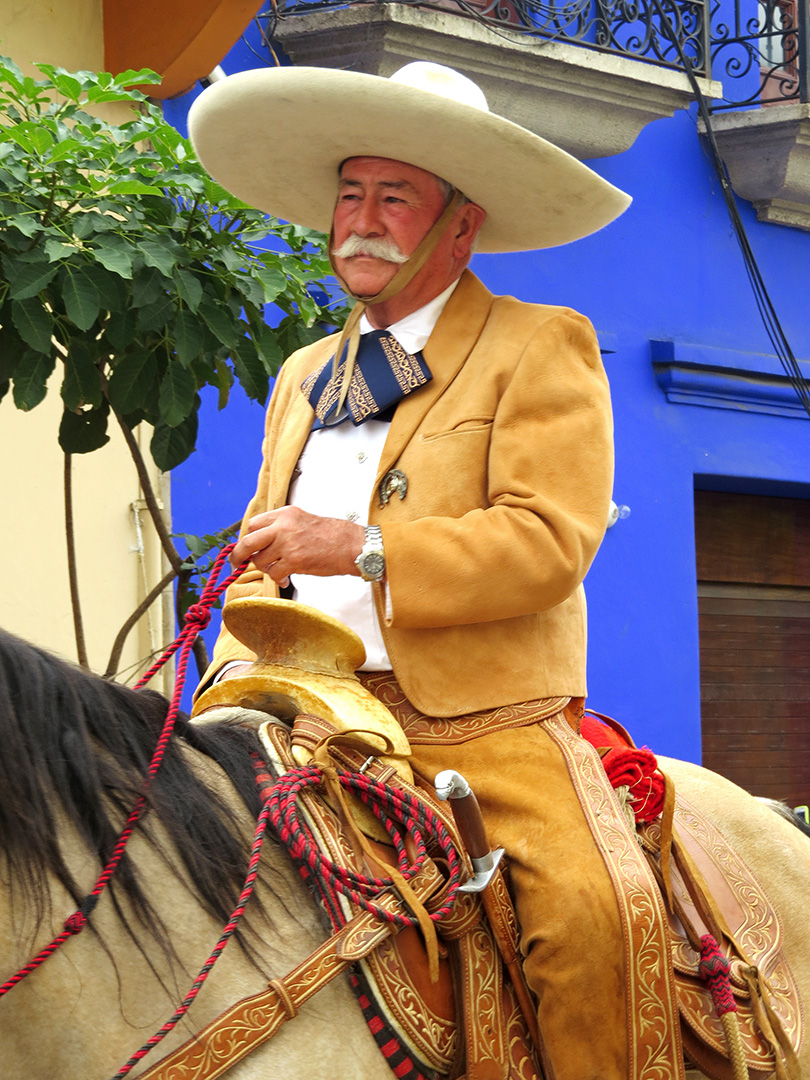
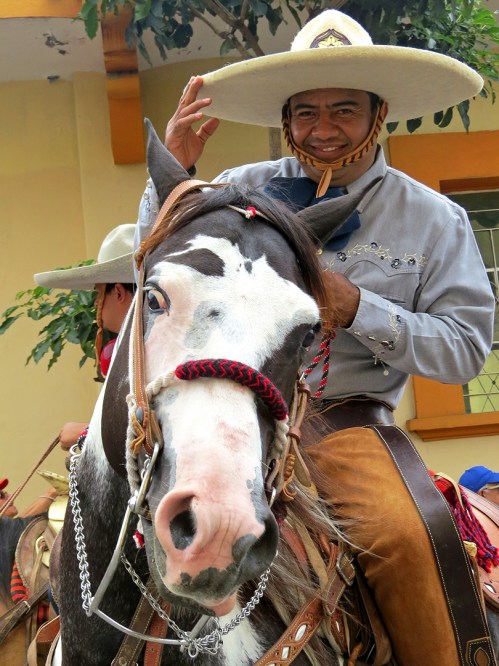
 and, last but not least, the riders from the Asociación de Charros de Oaxaca, who brought up the rear. I guess the thinking was to keep the streets free of horse manure until the end!



 That’s all, folks!
Posted in Celebrations, Culture, Holidays, Travel & Tourism, tagged El Grito, El Mes de la Patria, Mexican Independence Day, Mexico, Oaxaca, patriotism, photographs, photos, popular travel destinations, street vendors on September 15, 2015| 6 Comments »
September is El Mes de la Patria in Mexico (the month of the homeland) and Oaxaca is showing the colors. Green, white, and red is everywhere — from the almost sublime to the downright ridiculous!


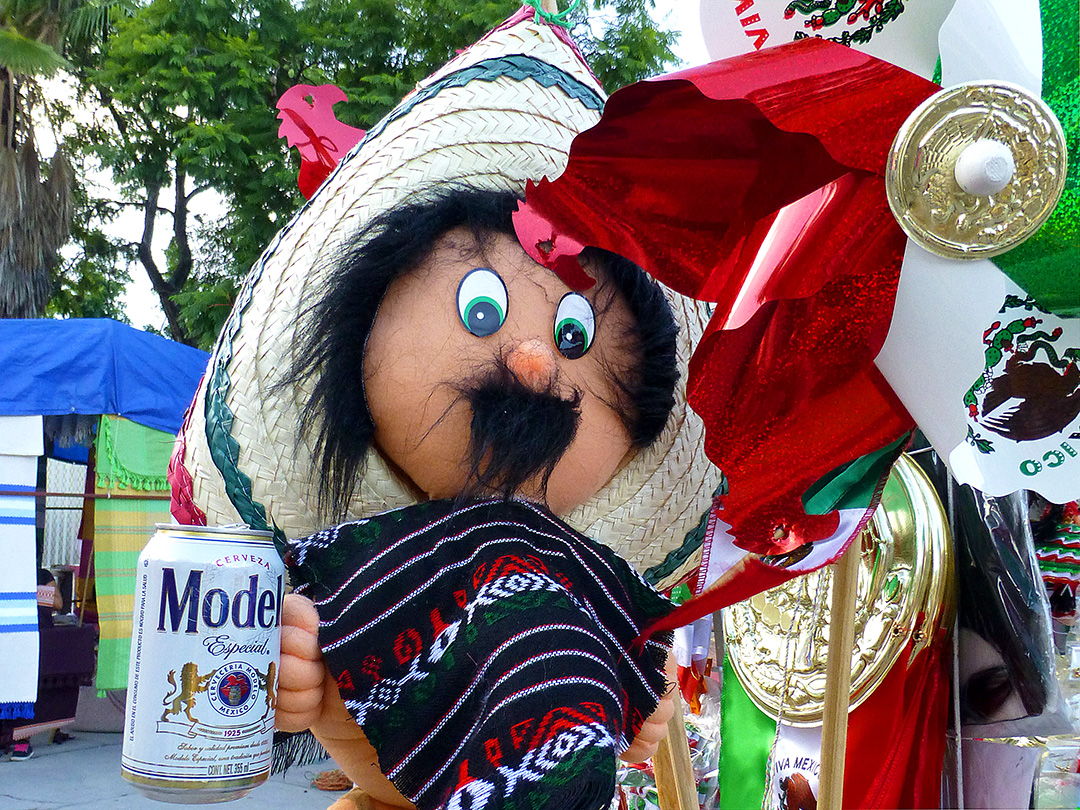
¡Viva Mexico y salud!
Posted in Celebrations, Creativity, Culture, People, Travel & Tourism, tagged Ailani Ruíz Ruíz, dancers, Danza de la Pluma, danzantes, Doña Marina, José Isaac Vasquez de Los Angeles, Juana Lizbeth Contreras Vicente, La Malinche, Mexico, Moctezuma, Oaxaca, photographs, photos, popular travel destinations, Teotitlán del Valle on September 13, 2015| 4 Comments »
After being rained out on Sunday, we picked ourselves and our rain gear up and returned to Teotitlán del Valle on Monday for the abbreviated version (4 hours instead of 8 hours) of the Danza de la Pluma — more of the multi-day fiesta honoring La Santísima Virgen María de la Natividad (the Sainted Virgin Mary of the Nativity).
As I’ve previously mentioned, the Danza de la Pluma is a ritual re-enactment of the Spanish conquest. The full version is told in 41 bailes (dances) and lasts from early afternoon into the night. It is danced by folkloric groups throughout the valley of Oaxaca. However, in Teotitlán, Moctezuma, Danzantes, Subalternos, Malinche, and Doña Marina are selected years in advance and make a promise to the church and community to perform their roles for 3 years. It is a great honor.

La Malinche (Juana Lizbeth Contreras Vicente), Doña Marina (Ailani Ruíz Ruíz), and Danzantes.

Moctezuma (José Isaac Vasquez de Los Angeles) poised to dance the dance.
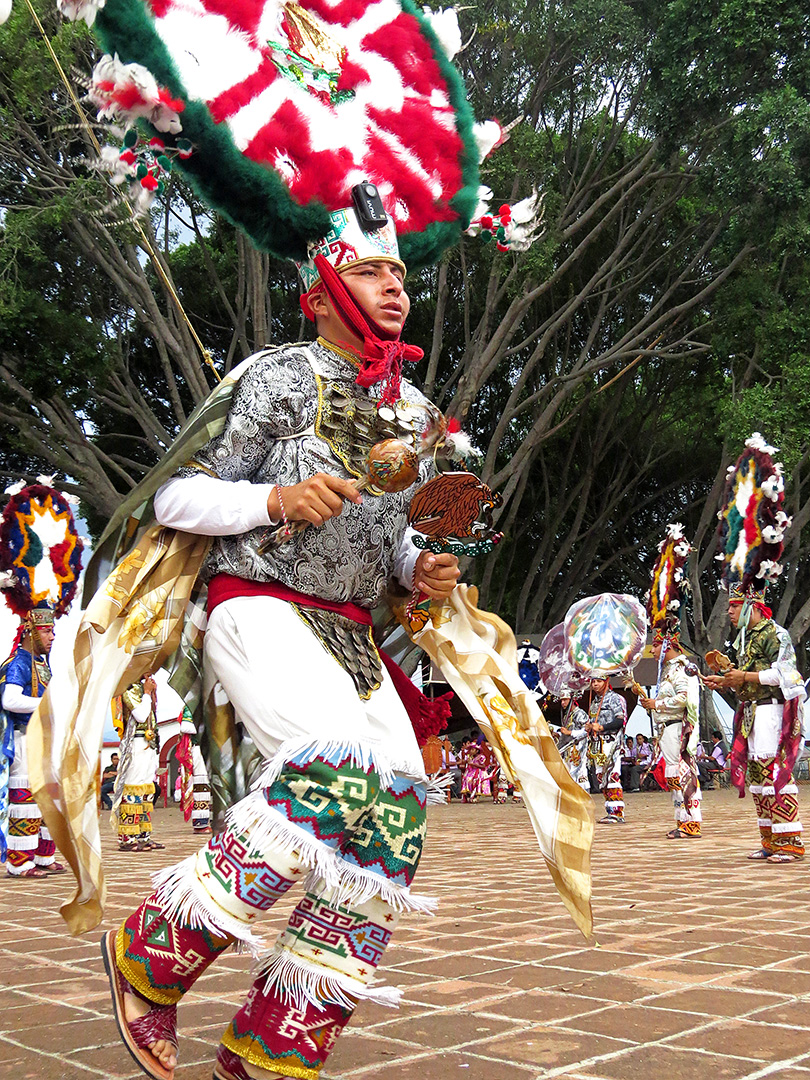
Moctezuma approaching… dancing the dance.
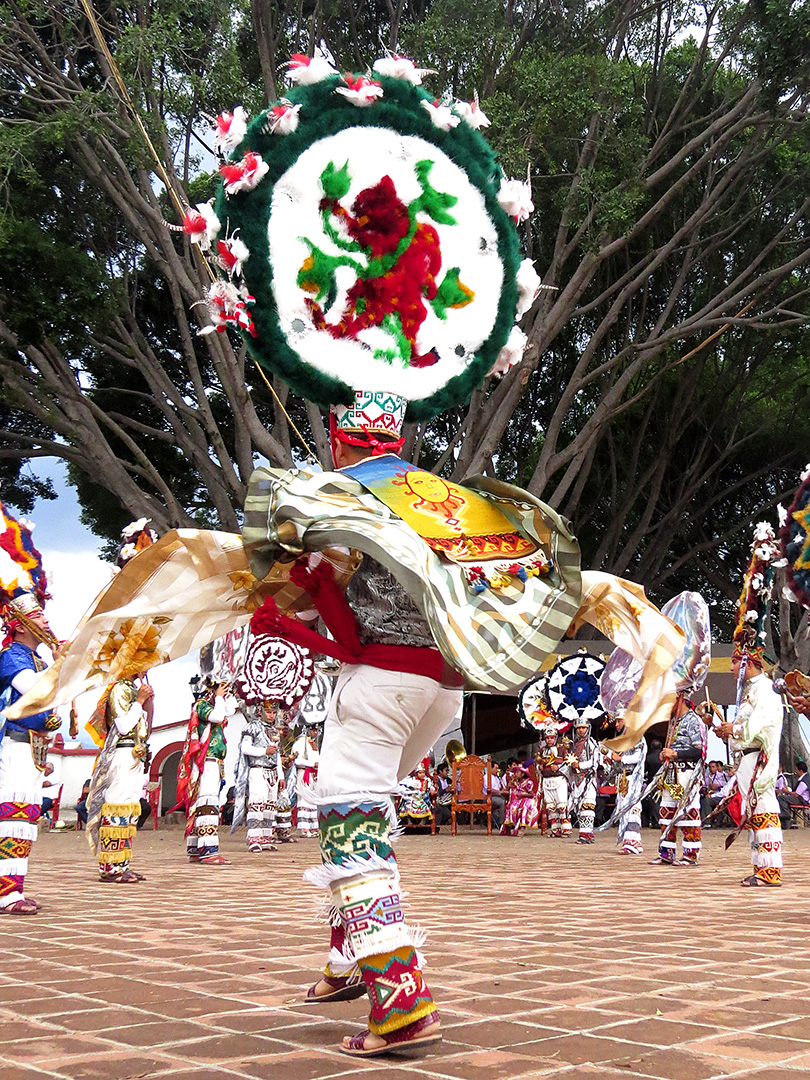
Moctezuma departing… dancing the dance.

Malinche dancing the dance.

Doña Marina dancing the dance.

The Danzantes dancing the dance.
The rains came again and we missed the fireworks and castillo. However, we are already plotting our return at the beginning of October for the Rosario de la Virgen María festival.
Posted in Celebrations, Creativity, Culture, Travel & Tourism, tagged amateur photographers, bands, Beatriz Ruiz, convite, Danza de la Pluma, danzantes, La Santísima Virgen María de la Natividad, Mexico, Oaxaca, photographs, photos, popular travel destinations, Teotitlán del Valle on September 10, 2015| Leave a Comment »
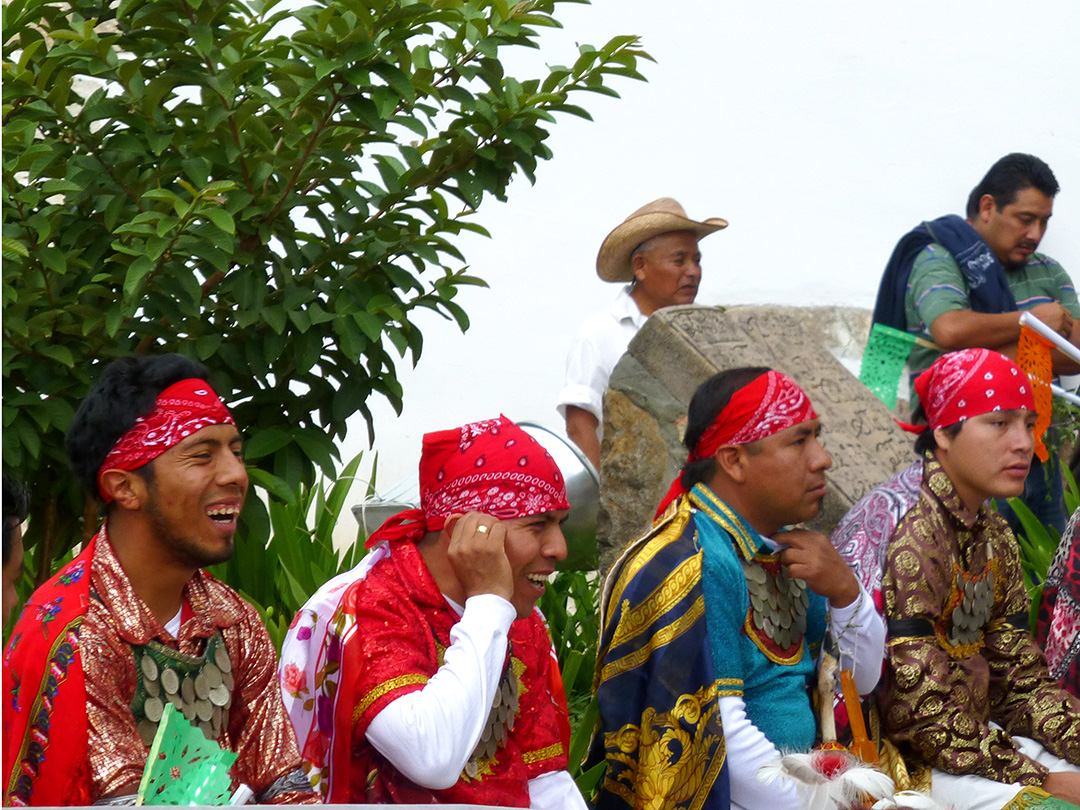
When last I posted, much-needed rains had come to Teotitlán del Valle, sending La Santísima Virgen María de la Natividad (the Sainted Virgin Mary of the Nativity) convite participants, spectators, and photographers dashing for cover and yours truly, home. However, prior to the deluge, little boys patiently waited.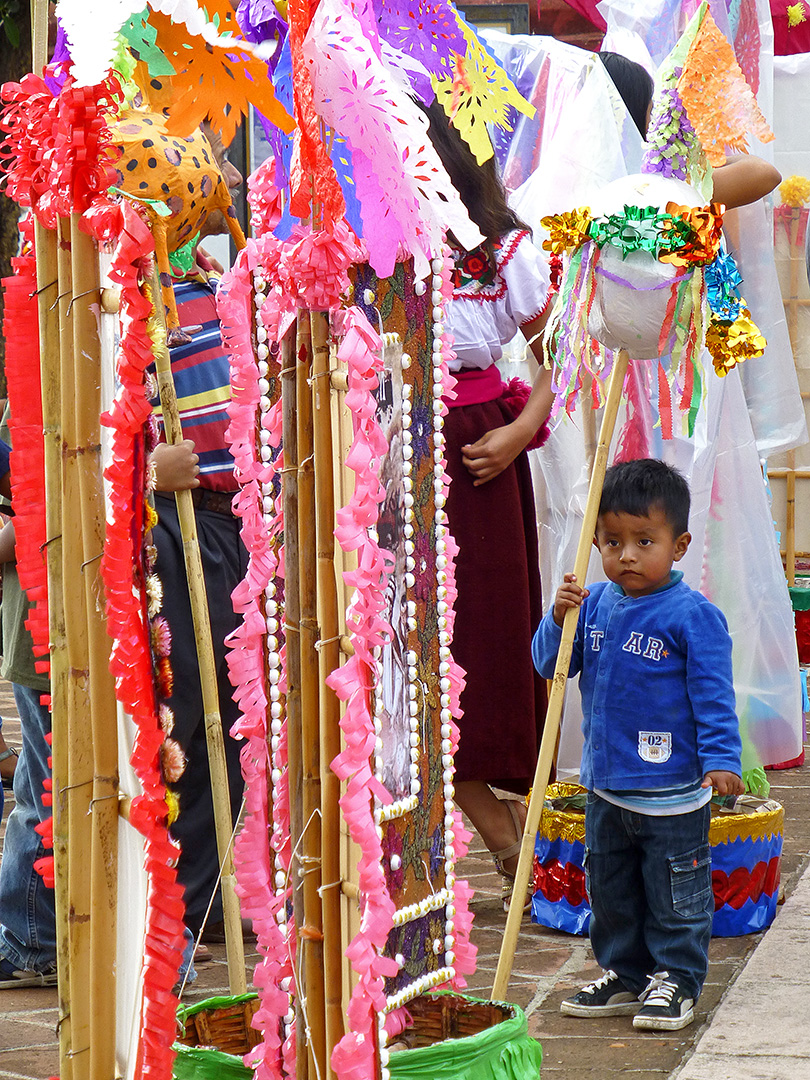

The band led the Danzantes into the plaza in front of the Templo de la Preciosa Sangre de Jesucristo, where they, too, waited.


 The unmarried women and girls, wearing their traditional red woolen faldas (skirts) and elaborately embroidered blusas (blouses), posed for friends, family, and strangers while waiting for the procession to begin.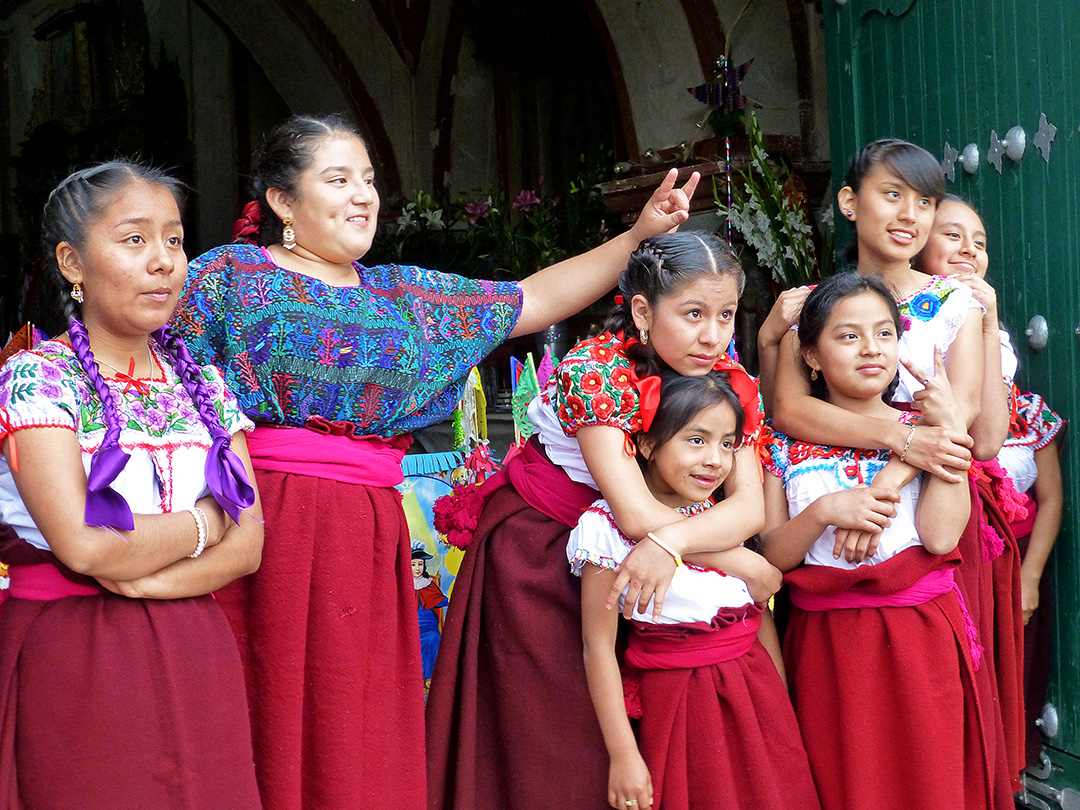

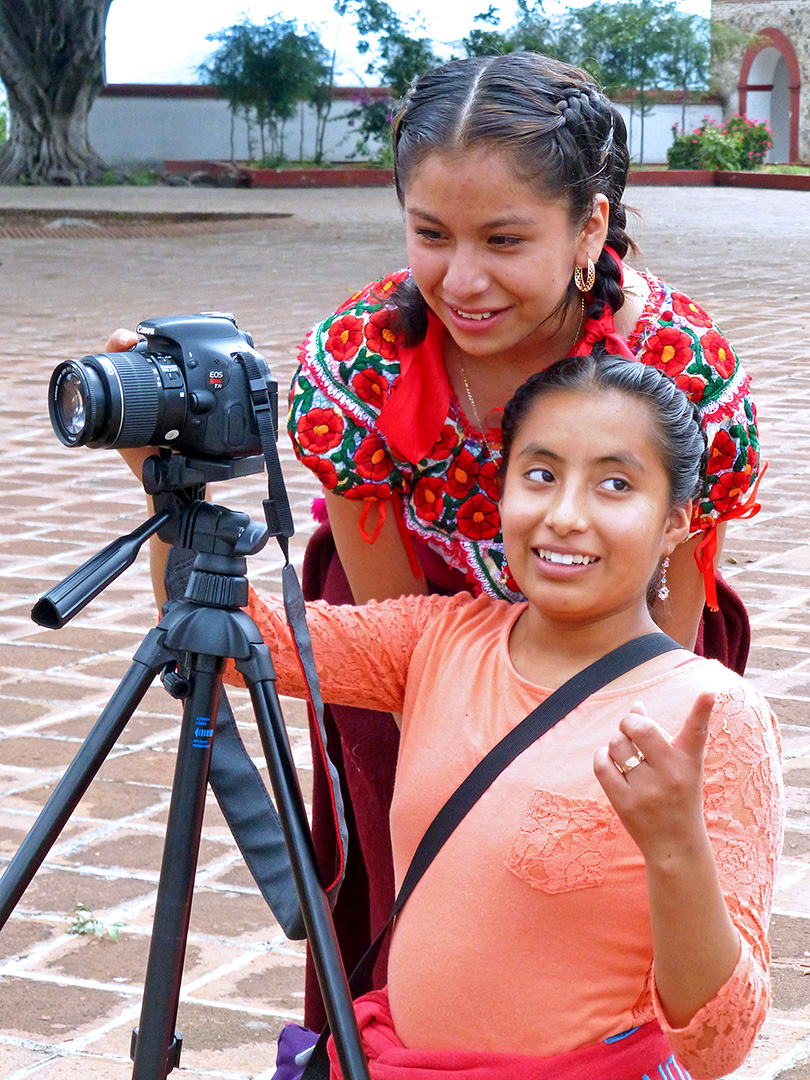
And, Beatriz got her shot!
Posted in Celebrations, Creativity, Culture, Exhibitions, Museums, Religion, Travel & Tourism, tagged amateur photographers, Beatriz Ruiz, bell tower, Centro Fotográfico Manuel Álvarez Bravo, Danza de la Pluma, danzantes, La Santísima Virgen María de la Natividad, Luvia Lazo, Mexico, Oaxaca, photographs, photos, popular travel destinations, Templo de la Preciosa Sangre de Jesucristo, Teotitlán del Valle on September 7, 2015| 2 Comments »
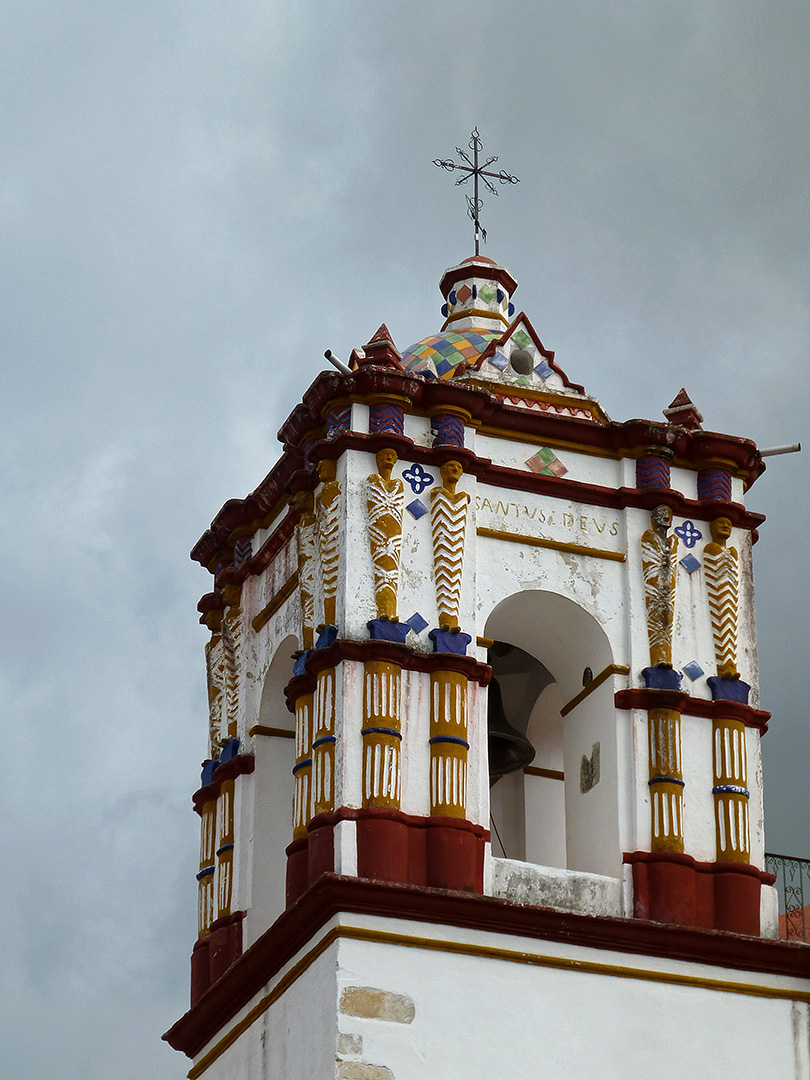
Yesterday, we returned to Teotitlán del Valle for the convite in honor of La Santísima Virgen María de la Natividad (the Sainted Virgin Mary of the Nativity). Alas, from our point of view, the gods were not cooperating and it threatened to rain on the parade. The sky surrounding the Templo de la Preciosa Sangre de Jesucristo was getting grayer and darker by the minute and professional and amateur photographers alike were challenged to some up with good shots.
 The lovely and accomplished photographer, Luvia Lazo was going to march in the procession this time, but couldn’t resist pulling out her cell phone for a shot or two. By the way, I recently learned that the earrings she is wearing are traditional and unique to Oaxaca and the design is known as, gusano (worm)!
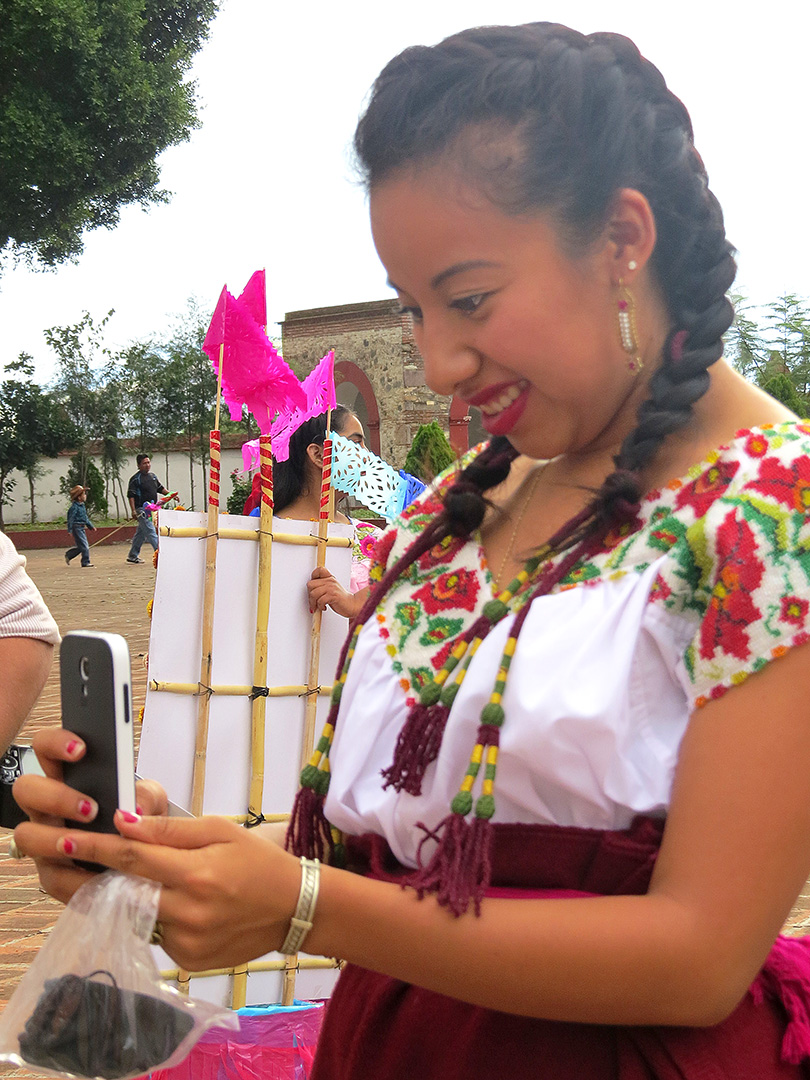 Some of the Danzantes also whipped out their phones for some photos. Their 3-year commitment ends in December and I suspect most want to savor these last performances.
 And, then there was the daughter of friends and budding photographer, 12-year old Beatriz Ruiz. Here she is setting up a shot.
 Doesn’t she look professional? She’s been traveling from Teoti into the city to take classes at the Centro Fotográfico Manuel Álvarez Bravo for almost two years. A photograph she took of her two kittens is currently part of a student exhibition at the museum and is included in the slideshow of photos on their website. Blogger buddy Chris, who has known her since she was very young, has a very sweet blog post about Beatriz and her interest in photography.
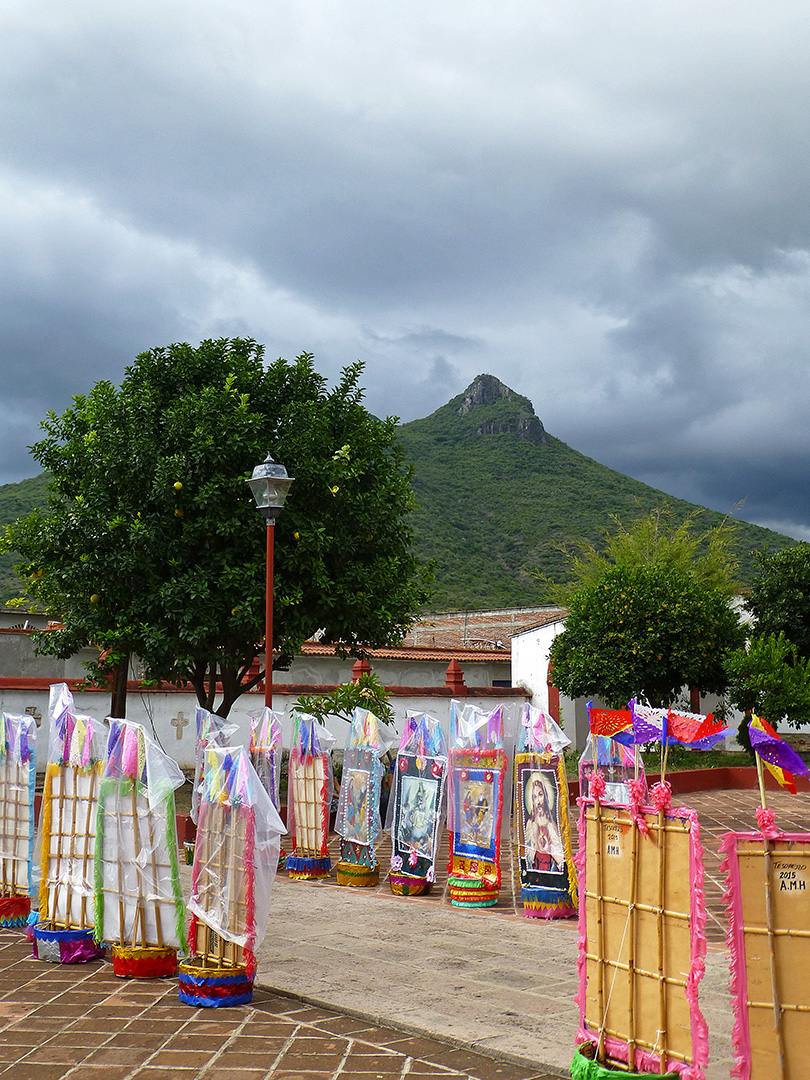 Given the state of the corn crop, due to lack of rain during this rainy season, there have probably been many offerings and much praying to the gods Cocijo (lightning and rain) and Pitao Cozobi (maiz). They won the day and the rains did come. And we, being fair-weather fans, departed. However, according to one of the Teotitlán del Valle Facebook sites, the show did go on! We are returning today for the Danza de la Pluma and tonight’s fuegos artificiales (fireworks) and castillo. Needless to say, we are keeping our fingers crossed!
Posted in Celebrations, Creativity, Culture, Textiles, Travel & Tourism, tagged Chinateca, costumes, culture, Día Internacional de los Pueblos Indígenas, embroidery, International Day of the Worl's Indigenous Peoples, Mexico, Oaxaca, Papaloapan Region, photographs, photos, popular travel destinations, San Mateo Yetla, textiles, traje on August 23, 2015| 6 Comments »
The celebration of Día Internacional de los Pueblos Indigenas continues in Oaxaca this weekend, with music, dance, food, and an artisan expo-venta (sale) in Jardín El Pañuelito. As I walked through the exposition, one woman’s embroidery drew me back for a second look. I was especially drawn to a huipil that had been hanging next to the one below. It’s not in this photo, because one of the “Diablos” from the Santiago Juxtlahuaca dance troupe (who were performing later) had already volunteered to climb up on a chair to take it down for her to show to me.
However, before I could get my money out, a delegation of dignitaries came by for a photo shoot.

This popular and exceptionally talented woman is Carmen Vásquez Pérez, from San Mateo Yetla, Valle Nacional, located 172 kilometers northeast of Oaxaca city in the Papaloapan Region. According to the article, Mujeres preservan bordado en Yetla, the village is surrounded by waterfalls and lush vegetation and is rich in Chinanteca customs.
 Doña Carmen learned to embroider as a child and has been instrumental in an effort to preserve and promote the local traditional designs and techniques. As you can see below, her workmanship is exquisite.
 After returning home and doing a little research, I’m even more pleased with my purchase. And, by the way, I did not “bargain” — my new treasure is worth every peso of its 600 peso price tag, and then some!
Posted in Celebrations, Culture, Food, Geography, Music, Travel & Tourism, tagged Canción Mixteca, Día Internacional de los Pueblos Indígenas, International Day of the World's Indigenous Peoples, José López Alavez, Mexico, Mixtec, music, Oaxaca, popular travel destinations, songs, video, Yaa Savi on August 18, 2015| 4 Comments »
As I’d discussed in a previous post, August 9 was International Day of the World’s Indigenous Peoples. That day, on my way to the mercado, a youth band had me stopping at the city’s cultural celebration on the Alameda de León.
This young girl, without accompaniment, brought tears to the eyes as she sang, “Canción Mixteca” by Oaxacan composer José López Alavez. He wrote the melody in 1912 and the lyrics in 1915, expressing his homesickness for Oaxaca after moving to Mexico City. It has since become an anthem for not only Oaxaqueños, but all Mexicano expats yearning for their homeland.
Yaa Savi (Mixtec language)
NDA XIKA NAKAI
NOO ÑO’O NOO NI KAKUI,
NDIKANO KUNDAVI INI
XI’IN MIA NTOONI.
TA XANDEI’MI TA ITOI
TA NDAVI NDEI NDAA NOO TACHI,
NDI KUNI KUAKUI
NDIKUNI KUI’VI XAA NDOI’ INI.
(Bis)
NOO ÑO’O ÑAA ÑU’U
XAKA INI KANDEI’YOO
TA VITI NA XIKA
YEE YOI NI ÑO’O, NI ÑAA MANI.
TA XANDEI’ MI TA ITOI
TA NDAVI NDEI NDAA NOO TACHI
NDIKUNI KUAKUI
NDIKUNI KUI’VI XAA NDO’INI
Canción Mixteca (en español)
Que lejos estoy del suelo
Donde he nacido.
Inmensa nostalgia
Invade mi pensamiento.
Y al verme tan solo y triste
Cual hoja el viento.
Quisiera llorar,Quisiera morir
De sentimiento.
Oh! tierra del sol
Suspiro por verte.
Ahora que lejos
Yo vivo sin luz.
Sin amor.
Y al verme
Tan solo y triste
Cual hoja el viento
Quisiera llorar,Quisiera morir
De sentimiento.
Canción Mixteca (English translation)
How far I am from the land where I was born!
Immense nostalgia invades my heart;
And seeing myself so lonely and sad like a leaf in the wind,
I want to cry, I want to die from this feeling.
Oh Land of Sun! I yearn to see you!
Now that I’m so far from you, I live without light and love;
And seeing myself so lonely and sad like a leaf in the wind,
I want to cry, I want to die from this feeling.
Posted in Celebrations, Culture, Holidays, Transportation, Travel & Tourism, tagged celebrations, culture, Día del Taxista, Mexico, Minions, Minions quote, Oaxaca, photographs, photos, popular travel destinations on August 12, 2015| 2 Comments »
As the announcer used to say, “And now for something completely different…”
Apparently, when the Minions went in search of their next evil boss, they must have stopped off in Oaxaca. My first sighting was on the bus back to the city from the Guelaguetza in Etla two weeks ago.
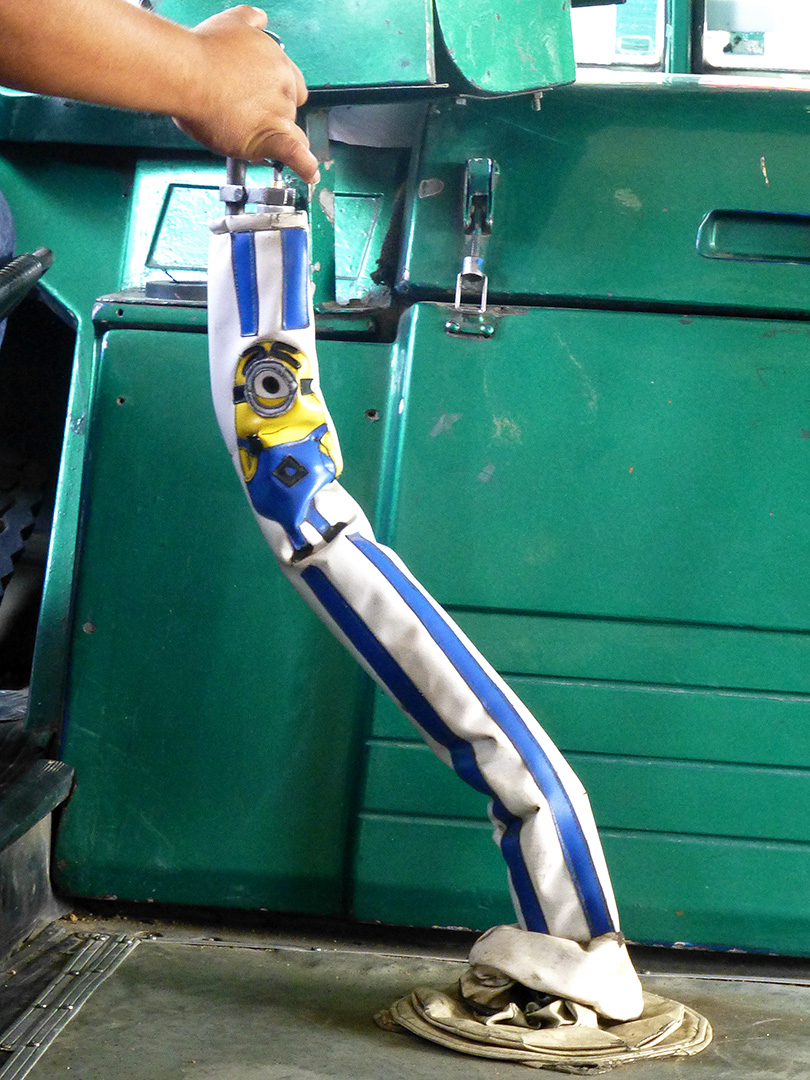 Then, there they were today, as taxis paraded through the streets of Oaxaca, celebrating Día del Taxista.
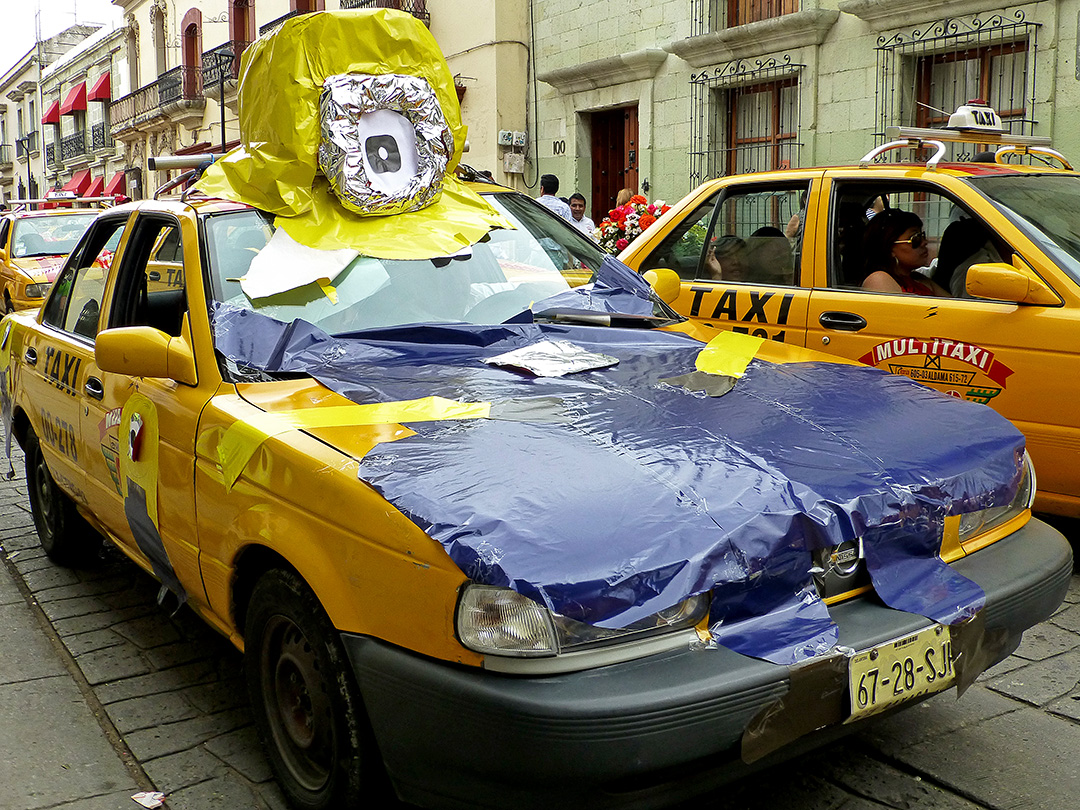
 Hmmm… Is there something about the movie that resonates with the transportation workers of Oaxaca?
 Scarlett Overkill (the Supervillainess): DO you know who this is?
[points at a British Royal portrait]
Kevin (the Minion): Uh… la cucaracha?
— Minions


 Mexican Peso Converter

