Feeds:
Posts
Comments

Archive for the ‘Agriculture’ Category

Jean-Baptiste Racine’s quote, “Life is a comedy to those who think, a tragedy to those who feel” comes to mind when I reflect on 2023. Looking at the state of the world, I think many of us have spent the year vacillating between laughing and crying. However, on this New Year’s Eve, I prefer to remember the celebrations and places I experienced with family and friends, old and new. These are the times that nourish my soul and empower me to welcome 2024.

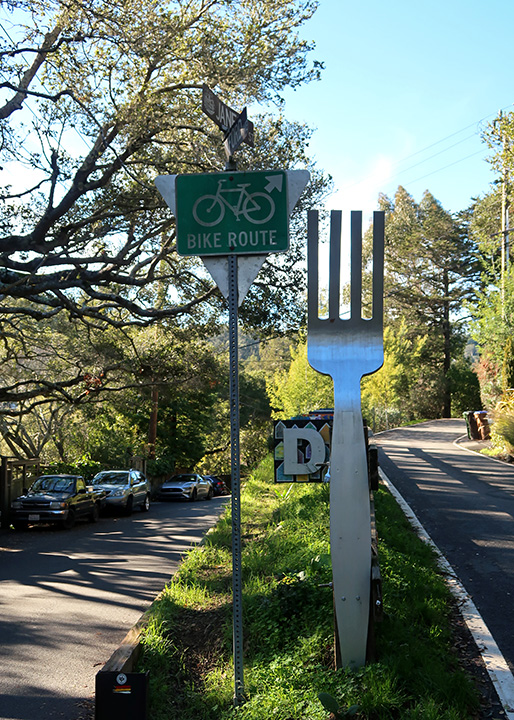
January 2023 – Mill Valley, CA. “Fork in the road.” I took the high road.
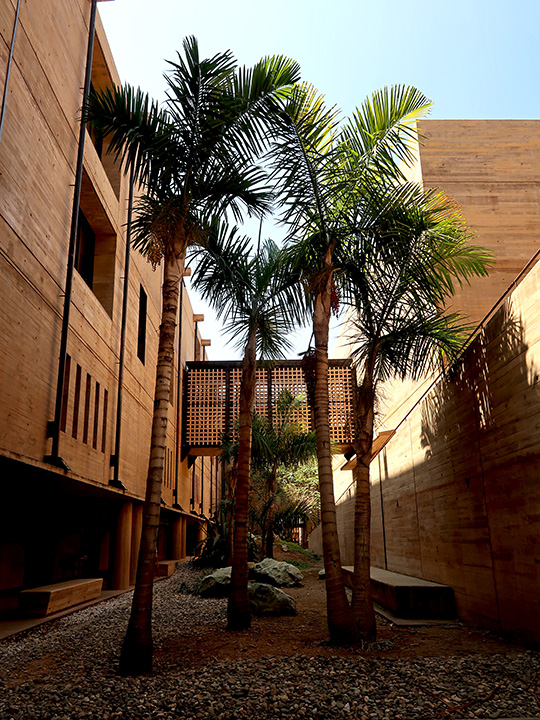
February 2023 – Oaxaca de Juárez. Archivo Histórico del Estado de Oaxaca.
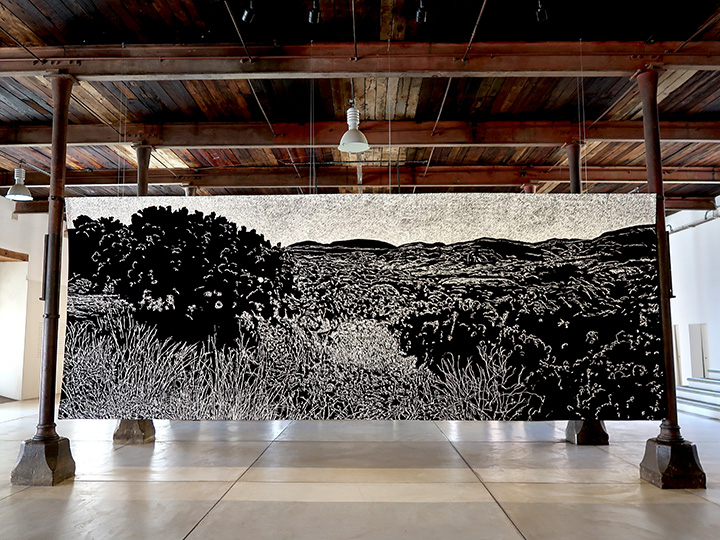
March 2023 – San Agustín Etla, Oaxaca. “Seamus Heaney & Jan Hendrix en Yagul” exhibition at Centro de las Artes de San Agustín (CASA).
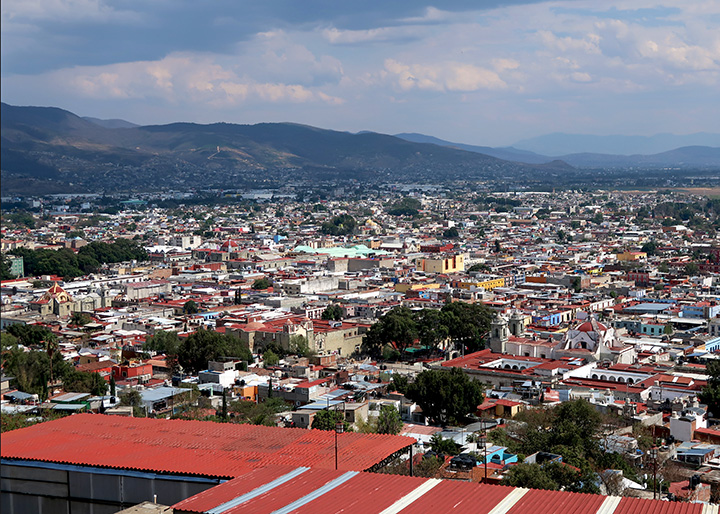
April 2023 – Oaxaca de Juárez. View from El Mirador Restaurante.
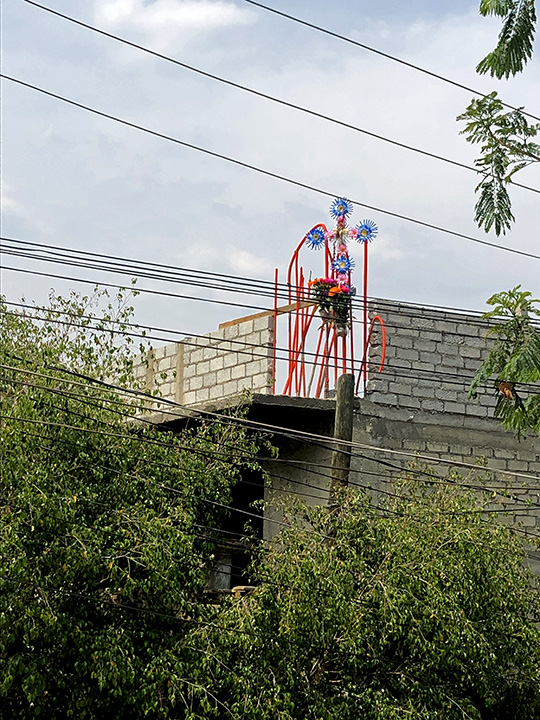
May 2023 – Oaxaca de Juárez. Cross on construction site in honor of Día de la Santa Cruz.
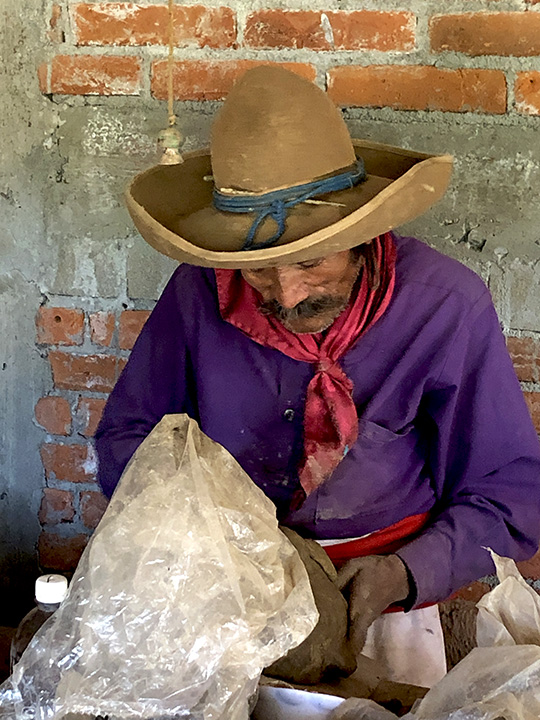
June 2023 – San Antonino Castillo Velasco, Oaxaca. Don José Garcia Antonío (aka, the blind potter).
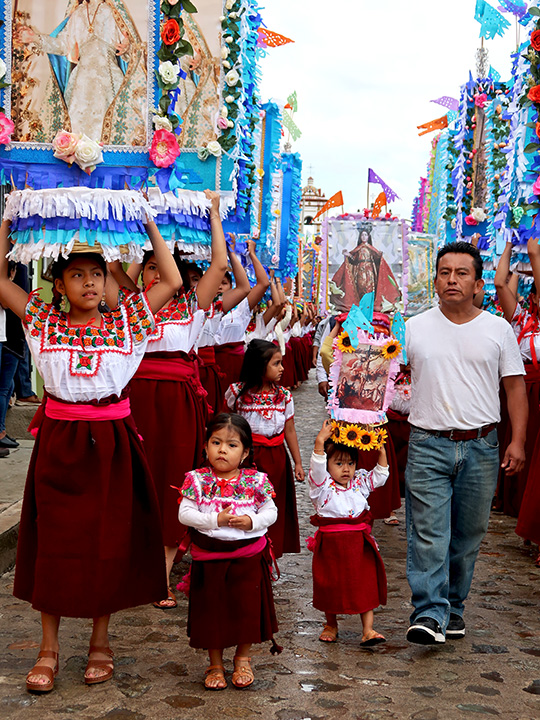
July 2023 – Teotitlán del Valle, Oaxaca. Convite welcoming people to the festival honoring La Preciosa Sangre de Nuestro Señor Jesucristo.
August 2023 – La Mesa, CA. Sunset over the Pacific Ocean.
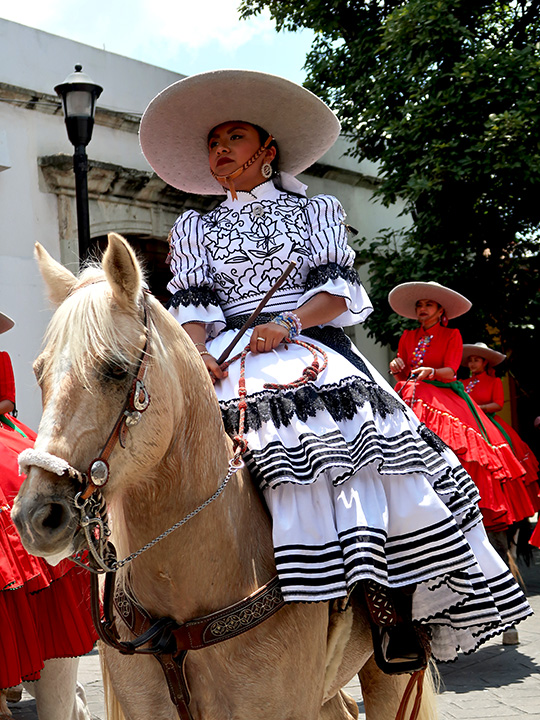
September 2023 – Oaxaca de Juárez. Escaramuzas riding in the Mexican Independence Day parade.
October 2023 – Oaxaca de Juárez. “Nelson” one of the Oaxaca Guerreros baseball team’s mascots.
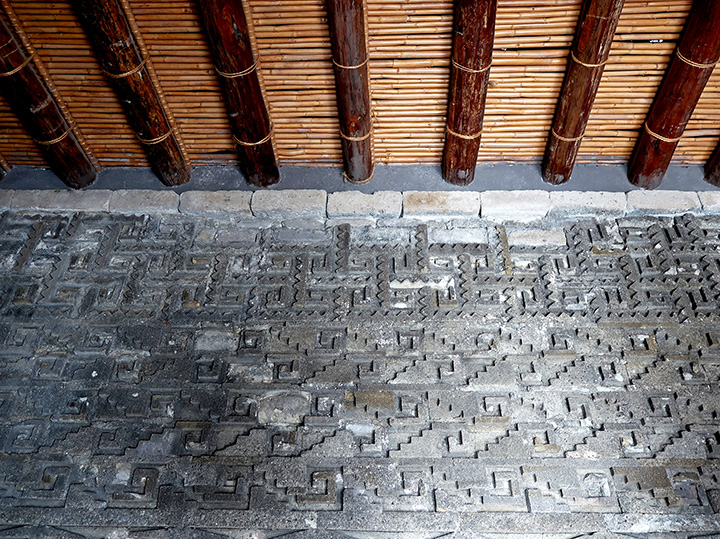
November 2023 – Villa de Mitla, Oaxaca. Interior wall and ceiling in the “Church Group” at the Mitla archeological site.
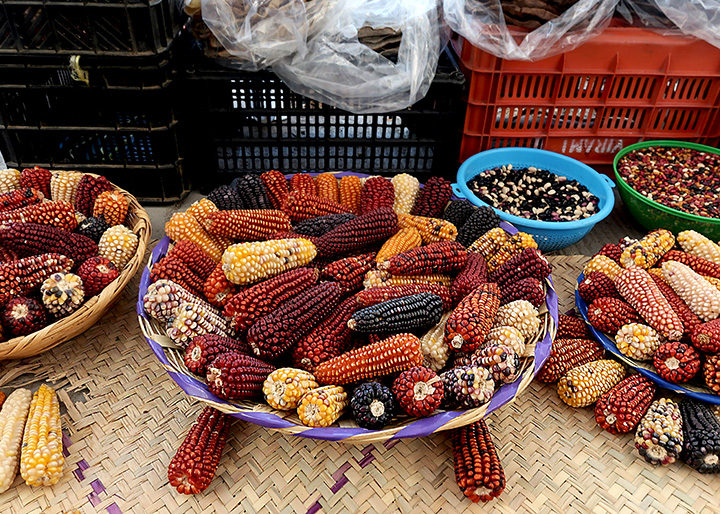
December 2023 – Unión Zapata, Oaxaca. Feria de la Agrobiodiversidad en Oaxaca.

Many thanks to all the wonderful readers of my blog; I am constantly amazed and gratified you choose to stop by. On this New Year’s Eve, with a renewed appreciation for the small things that bring joy and give life meaning, I wish you all, ¡Feliz Año Nuevo!

Read Full Post »

Today, September 29, Mexico celebrates Día Nacional del Maíz — a day honoring the sacred maíz, symbol of the country and base food crop for most of the nation. In Oaxaca, one never has to look far to see corn and not just in fields. Corn is depicted in murals, featured in decorations, and (of course) on most every dining table, most every day.

Decoration outside a shop in Oaxaca city.
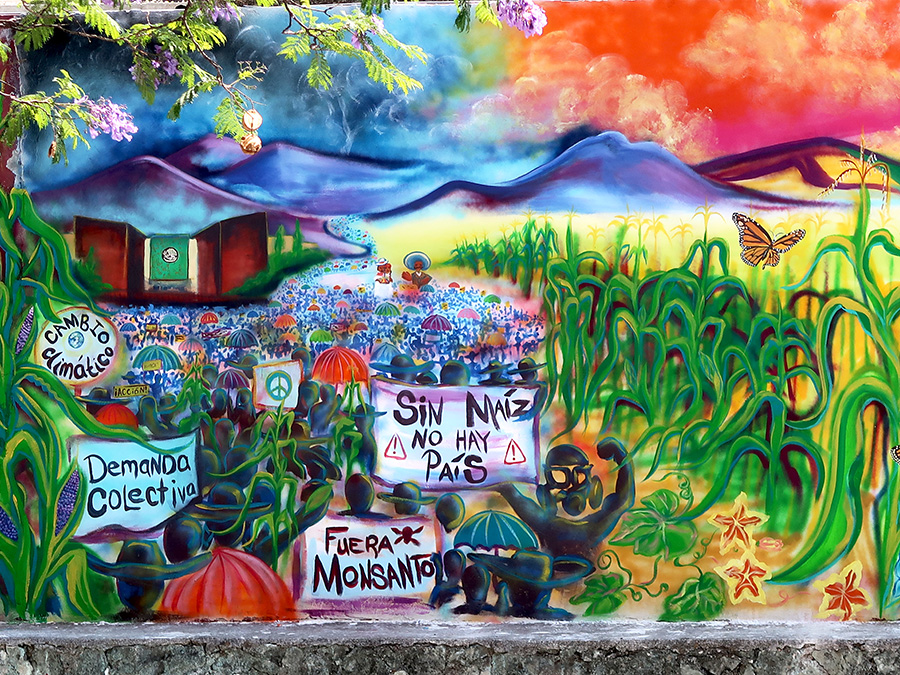
Mural at Mercado Sánchez Pascuas in Oaxaca city – “Without corn, there is no country.”
Mural in San Martín Tilcajete.
My favorite tamales from the milpa and hands of Emilia Gonzalez Martinez in Teotitlán del Valle.

In the words of cocinera tradicional Carina Santiago, at the beginning of the trailer (below) for the tremendous documentary, Los Guardianes del Maíz / The Keepers of Corn, “Corn was not domesticated by man, man was domesticated by corn.”

Trailer for Los Guardianes del Maíz / The Keepers of Corn documentary.

Read Full Post »

Feliz Día Nacional del Maíz (Happy National Day of Corn).

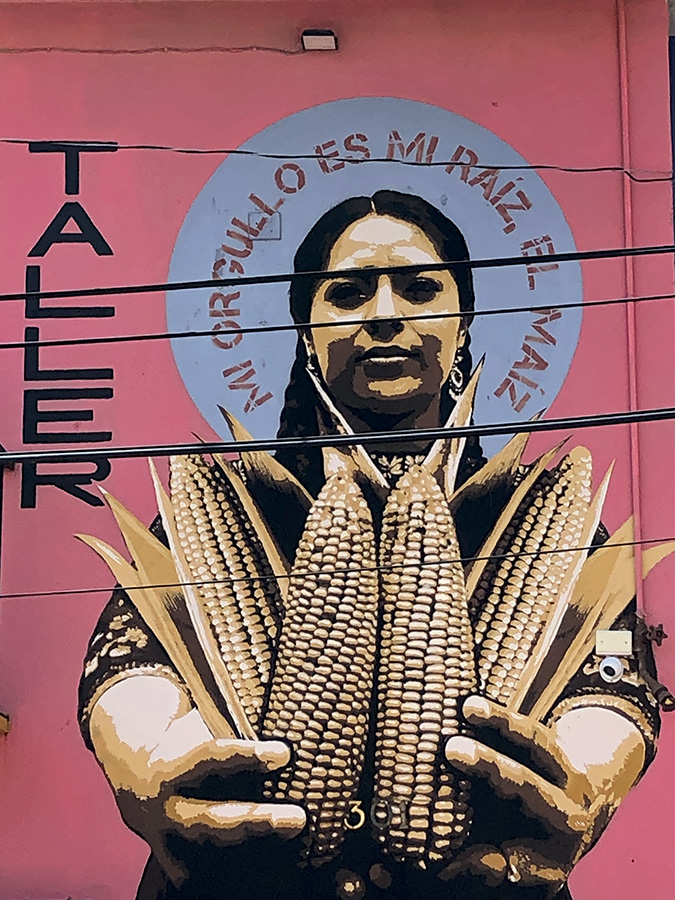
Mi orgullo es mi raiz, el maíz (My pride is my root, the corn).

But what would corn be without the hands that have cared for it for hundreds of years.CONABIO (National Commission for the Knowledge and Use of Biodiversity)

Sin Maíz No Hay País (Without corn there is no country)!

Read Full Post »

Entering La Cosecha Oaxaca farmer’s market, look to the left and you will see…

… murals by Ulises Martinez celebrating the gift of maíz.

Read Full Post »

On this Día Nacional del Maíz (National Day of Corn), in honor of the late Maestro Francisco Toledo, who led a fight to defend the native corn from genetically modified corn, a series of activities was held in four of the cultural spaces he bequeathed to Oaxaca. Understanding in Mexico, corn is life, my amiga and I braved the much-needed rain (that has now been falling for 24 hours) to participate in the activities.

Pasaporte Día del Maíz

Our first stop was at the Centro Fotográfico Manuel Álvarez Bravo (photographic center), where each visitor was photographed in front of a display of maíz and the mobile unit of the Centro de las Artes de San Agustín (CaSa) made special commemorative prints.

IMG_5069

Backdrop for photos at the Centro Fotográfico Manuel Álvarez Bravo

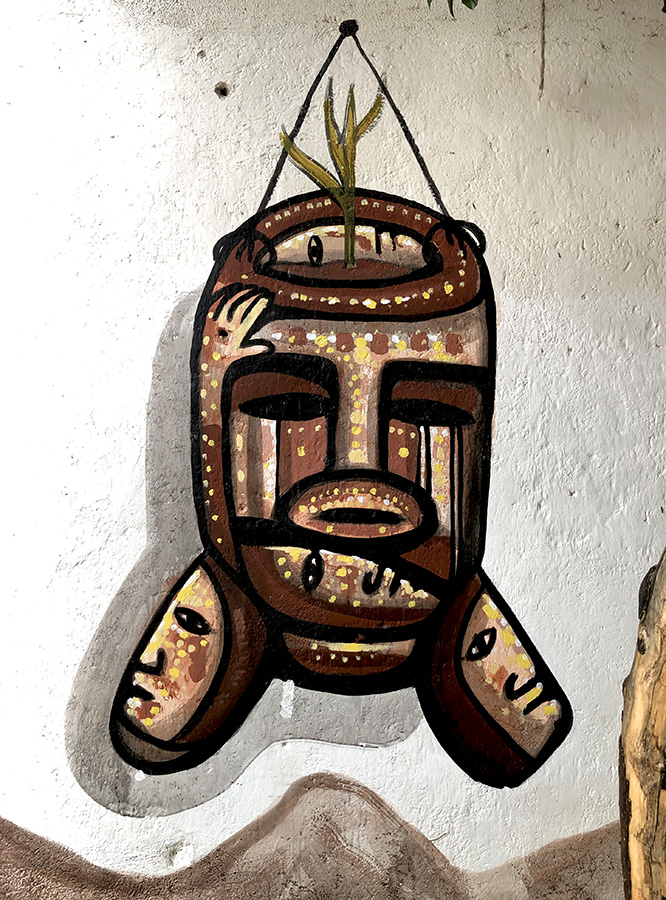
Next on the itinerary was the library, Fonoteca Eduardo Mata, where a video about the issue of transgenic corn was shown, corn masks were given, and we recieved a second stamp in our Pasaporte Día Nacional del Maíz.

IMG_5073

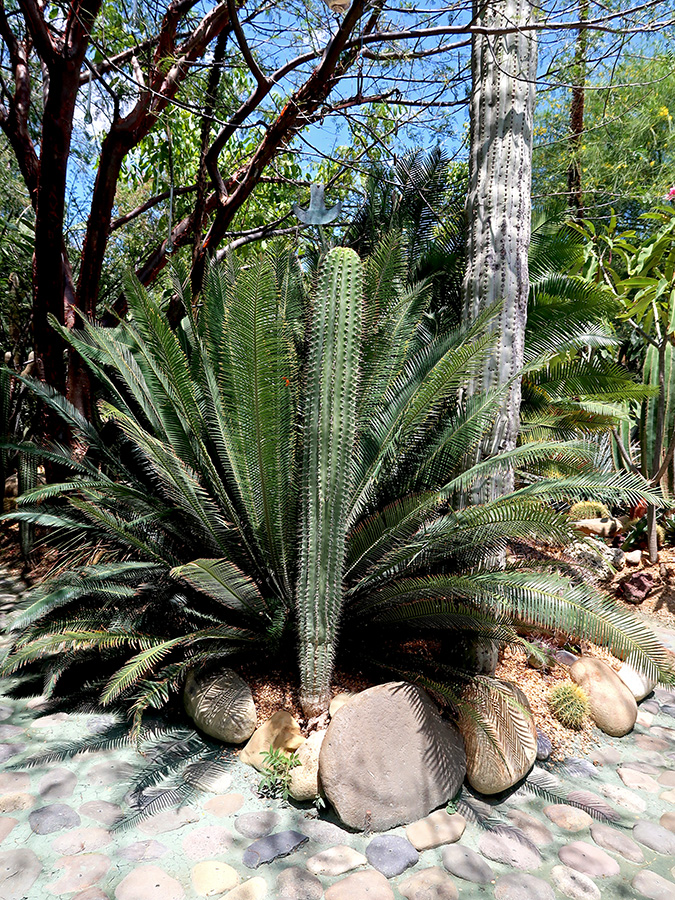
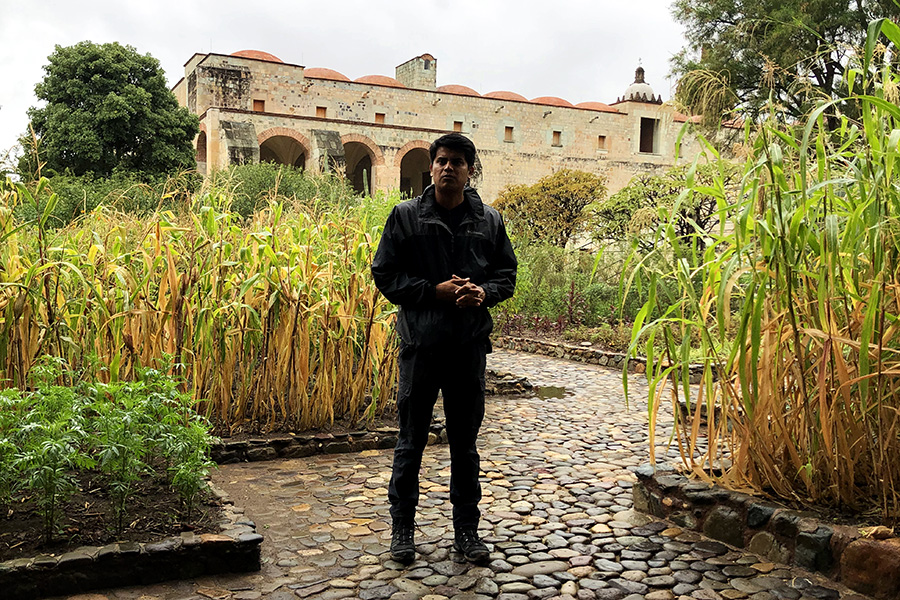
Raised beds of corn in the Ethnobotanic Garden

We then proceeded to the Jardín Etnobotánico (Ethnobotanic Garden), where we were introduced to two raised beds of maíz — one the silvestre abuelita (wild grandmother) and one her cultivated descendant that we rely on today.

IMG_5078

Serving pozol from an olla at IAGO

Our final stop of the day was at the Instituto de Arte Gráficas de Oaxaca (IAGO) where we were rewarded with many gifts — including a t-shirt or sweatshirt, a small flower pot of corn stalks, and a comida of tamales, nicuatole, and pozol (a prehispanic corn beverage).

IMG_6840

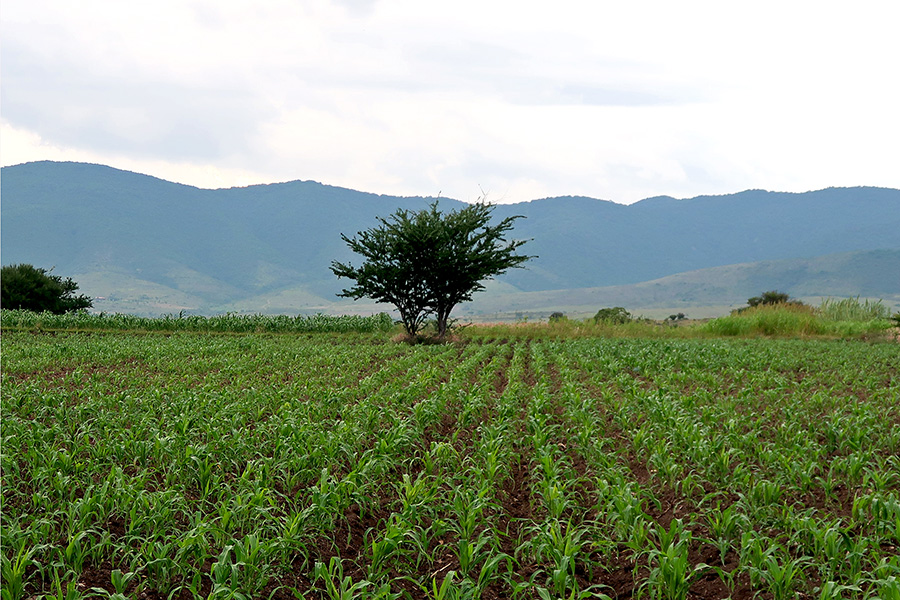
Field of corn in Teotitlán del Valle

Everyone should be honoring this day and giving thanks to the original peoples of Oaxaca for cultivating maíz 10,000 years ago.

Read Full Post »

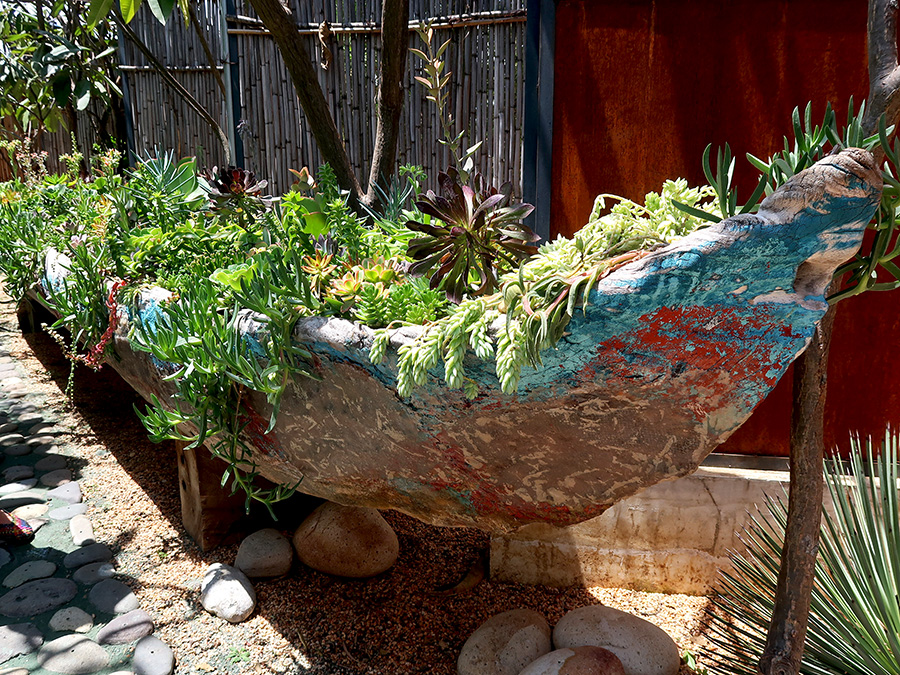
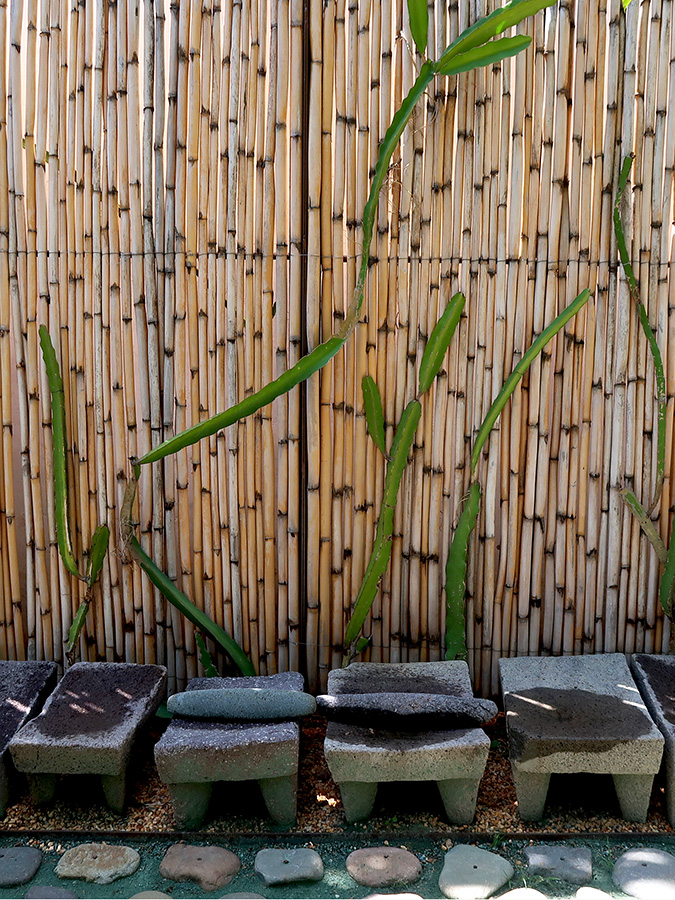
Who knew that there was an amazing garden, built on a former garbage dump, and open to the public in Xoxocotlán? Not me, until a friend mentioned it and invited me on a field trip to visit.

Thus, a few days ago, I found myself at Vives Verdes — a delightful labor of love — a marriage of plants, recycling, art, education, and the environment.

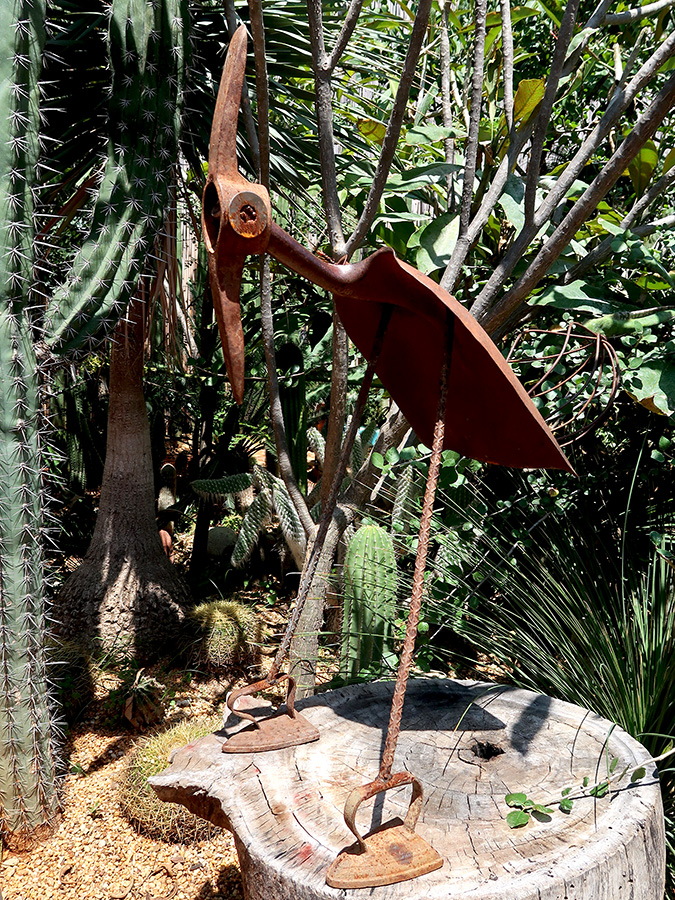
Nine years ago architect, Francisco Martínez began a project of landscaping a healing, artistic, and environmental garden — not only utilizing plants, but also converting found objects into planters and whimsical art.

Vives Verdes incorporates more than 200 species and 2000 plants — mostly from Oaxaca, but also from other arid climates throughout the world.

A water catchment system utilizing paths, beds, and ponds irrigate the garden and no chemicals are used.

Vives Verde is open to the public and school groups. It is located in the Las Culturas neighborhood of Santa Cruz Xoxocotlán, Oaxaca.

Read Full Post »

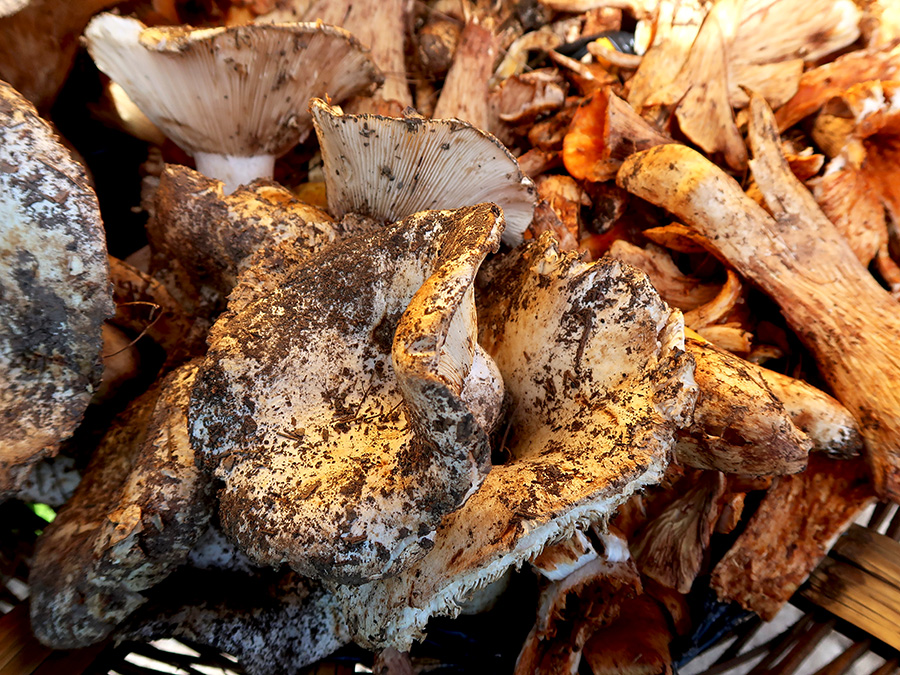
Sunday, I headed up into the clouds for the 19th Feria Regional de Hongos Silvestres (Regional Wild Mushroom Fair) in San Antonio Cuajimoloyas. Friends had hired a van and driver to take us on the steep winding climb into the Sierra Norte. An hour and a half after we left the city, we arrived at our destination, 10,433 feet above sea level. Cuajimoloyas has an ethereal feel and seems like a world apart from the valley below.
       
Baskets of fresh mushrooms with shiny orange caps and mushrooms resembling coral, trumpets, cauliflower, and flower petals beckoned. And the aroma of grilled mushrooms, mushroom tamales, mushroom empanadas, and chile relleno stuffed with mushrooms stimulated the appetite.
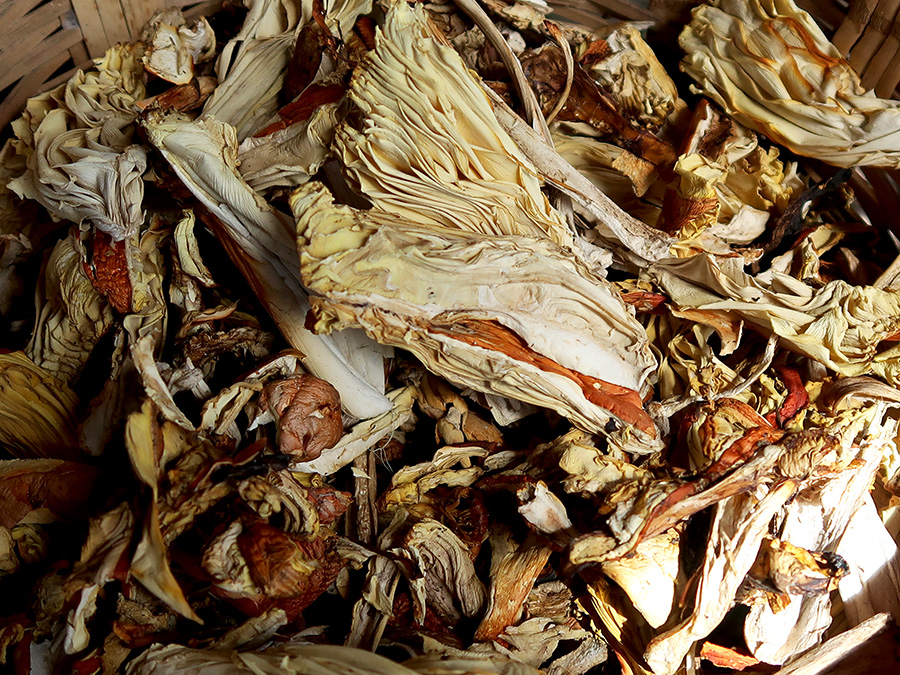
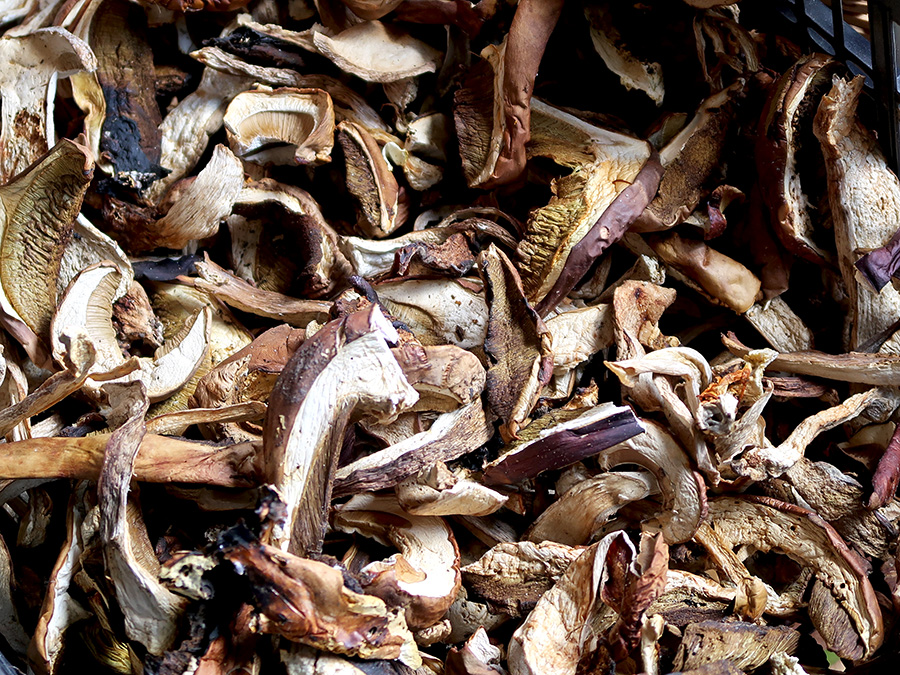
There were dried mushrooms in bulk and in little cellophane baggies for purchase.
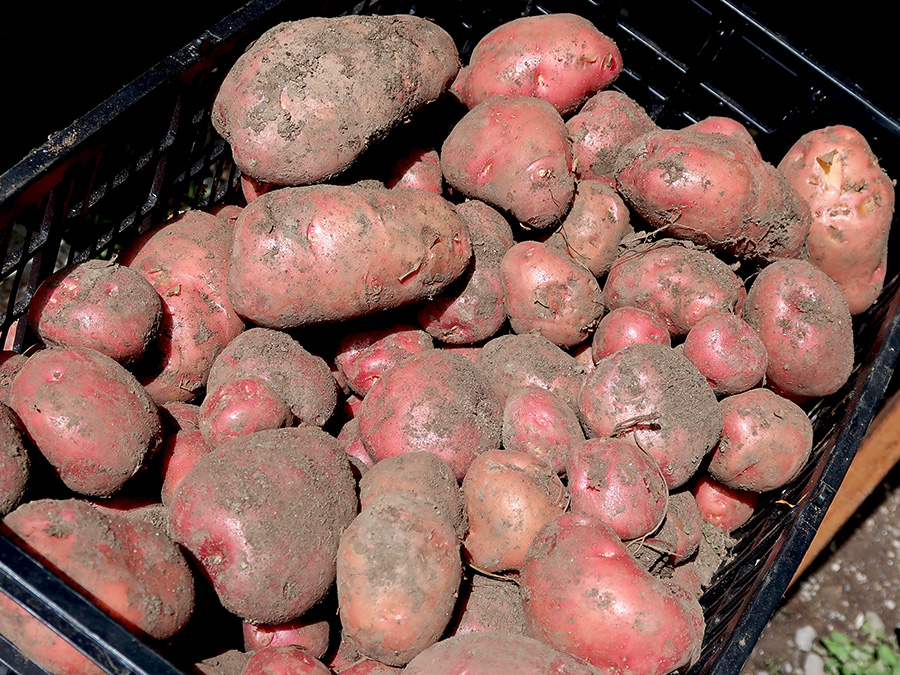
Mushrooms aren’t the only produce the region is known for — delicious apples and new potatoes are grown in these chilly mountains.
And, there there were local crafts for sale and a couple of kinds of mezcal to taste (and buy).
I came home with apples, potatoes, a bottle of the lovely A Medios Chiles mezcal made from the wild Jabalí agave, and 30 grams of dried mushrooms. While the mushrooms weren’t of the “magic” variety, the experience certainly was!
“Mushrooms were the roses in the garden of that unseen world, because the real mushroom plant was underground. The parts you could see – what most people called a mushroom – was just a brief apparition. A cloud flower.” ― Margaret Atwood, The Year of the Flood

Read Full Post »

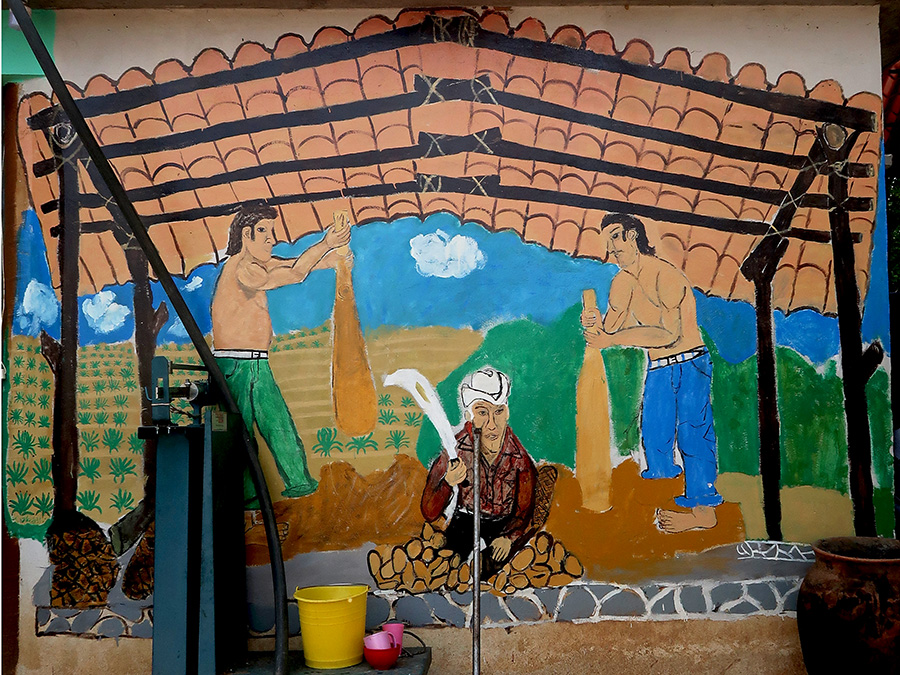
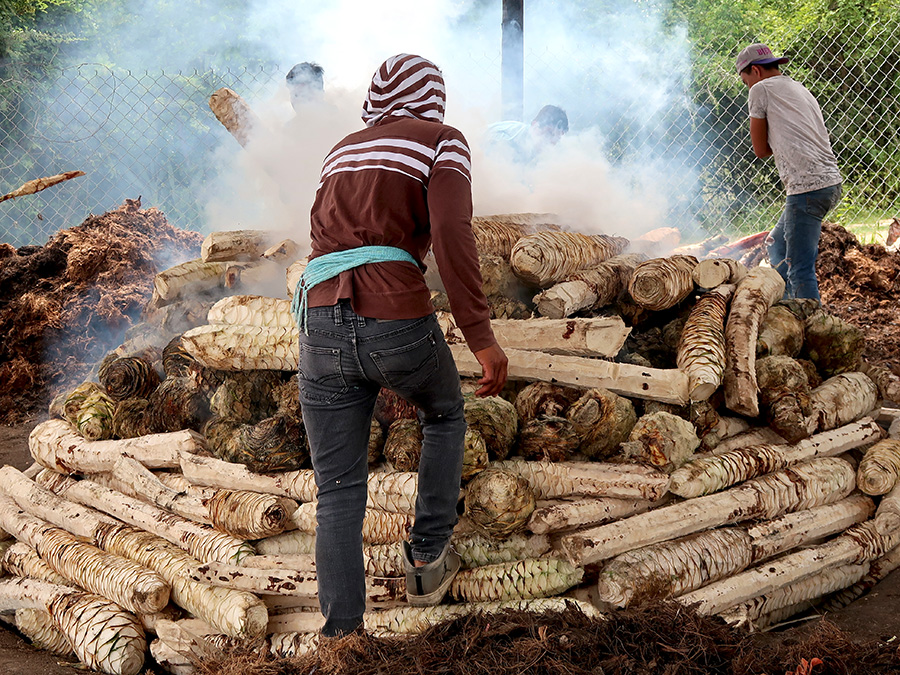
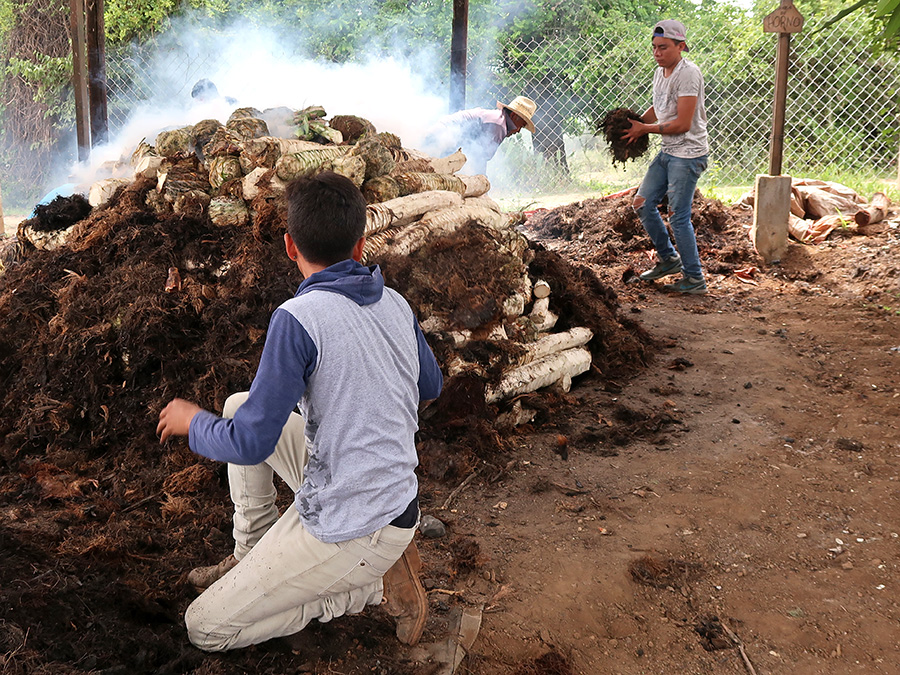
Yesterday, friends from California invited me to accompany them on one of their favorite pastimes — going to the source for artisanal mezcal. At our first stop, the palenque of Félix Ángeles Arellanes, Mezcal El Minerito, we were just in time to watch the beginning of the process of cooking the agave piñas.

The art of making mezcal at the palenque, Mezcal El Minerito.

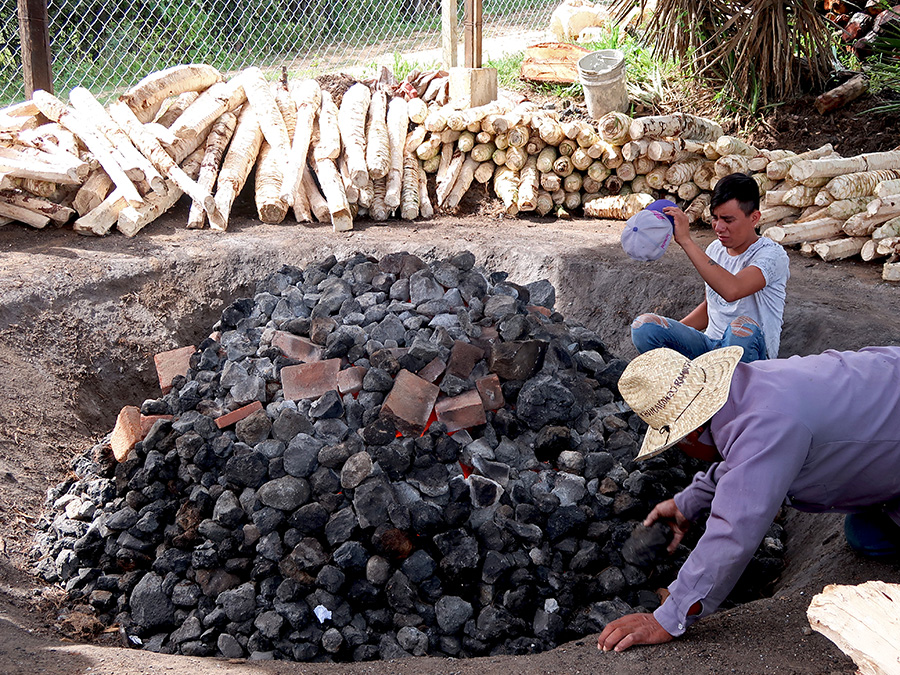
Piling river rocks onto the red and white hot coals in the earthen pit that functions as the horno (oven).

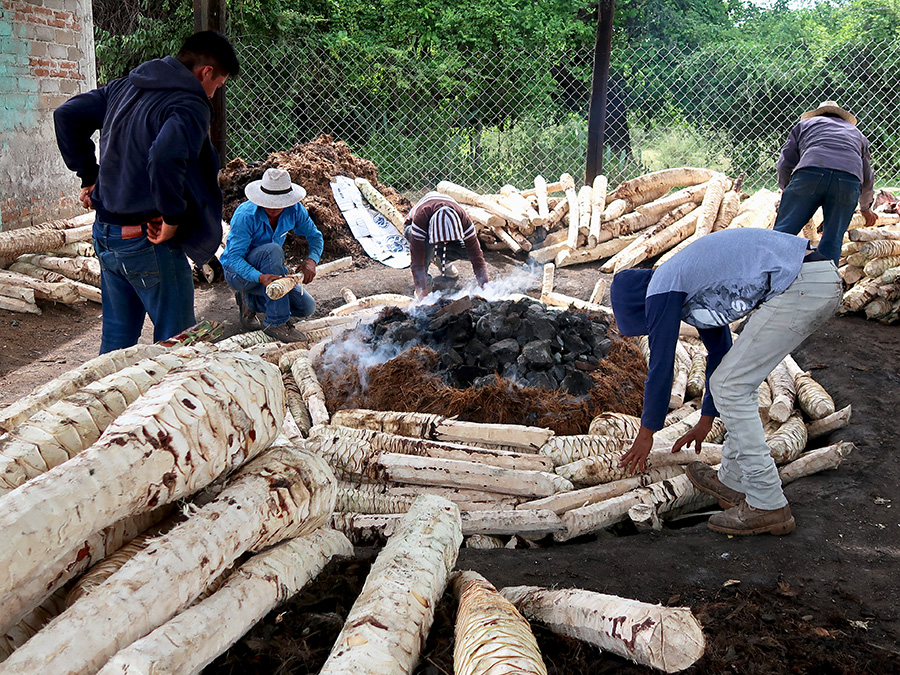
Covering the rocks with bagaso (recycled crushed agave fibers).

Putting the long tobasiche agave piñas into the oven.

Adding the more rounded jabalí and tobalá piñas.

Topping it off with more tobasiche piñas.

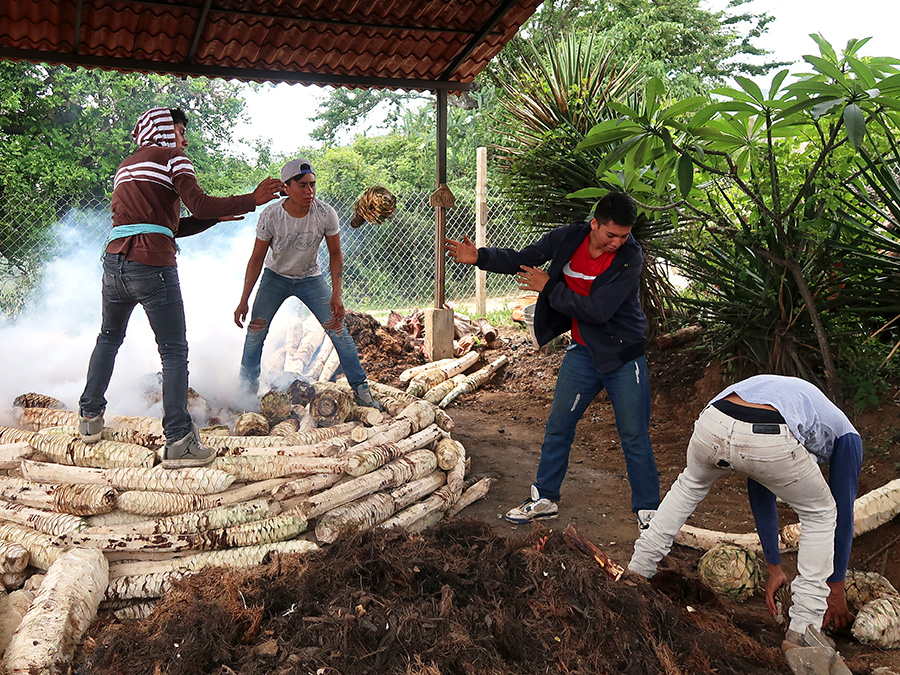
Covering the piñas with more bagaso.

Félix’s sons worked nonstop — an hour and fifteen minutes from the time of the first photo, they covered the mound with tarps to enclose the oven. Though we didn’t see it, I suspect this was then sealed with soil.

Félix pours the “Nectar of the Gods” — a multilayered and complex artisanal mezcal.

Nothing like being at the right place at the right time. And, yes, we not only watched, we tasted and we bought!

Read Full Post »

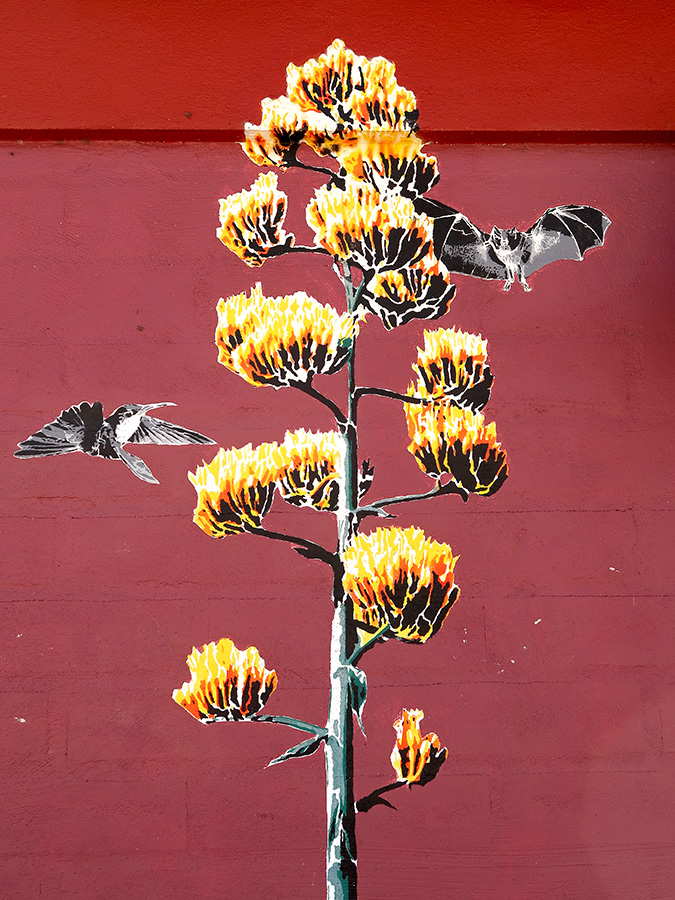
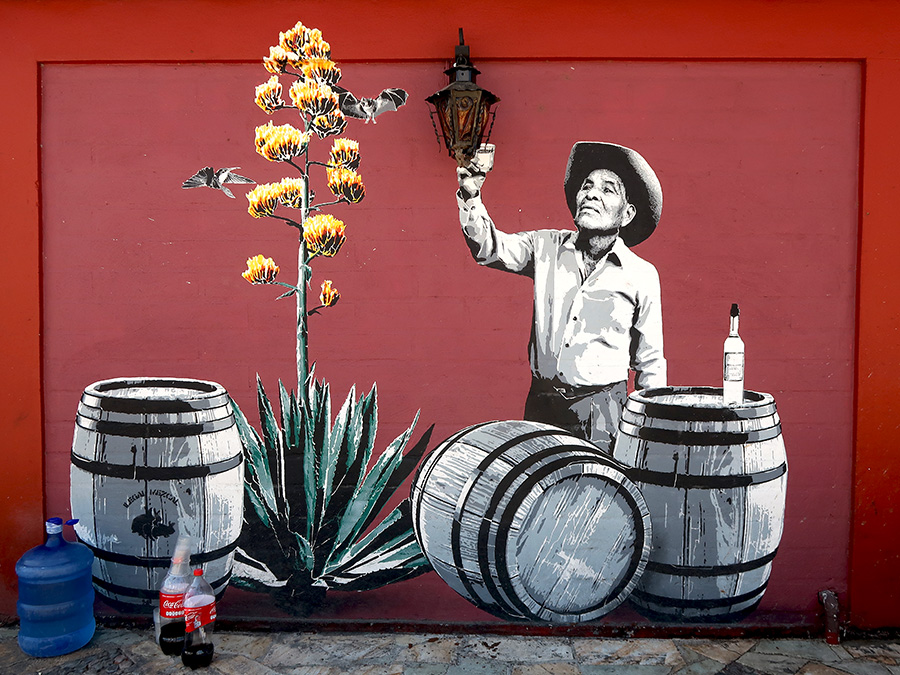
Let us all raise a glass to the hummingbirds and bats of Oaxaca.

IMG_3135

Without the work they do pollinating the flowers on the quiotes (stalks) that shoot up from the agave,

IMG_3137

there would be no maguey piñas to harvest and cook…

IMG_3133

and no mezcal to drink!

*Mural by Lapiztola on the side of the Palenque Mal de Amor (makers of Ilegal mezcal) 2+ miles north of Santiago Matatlán, Oaxaca.  Check out their other mural at the palenque HERE.


Read Full Post »

Today, at 3:00 PM in Teotitlán del Valle, as leaves in the mountains and fields rustled, the arrival of the difuntos (departed) was announced with the sound of cohetes (rockets) and church bells.  Incense burners were lit and placed in front of ofrendas in each home’s altar room — the smoke and scent of copal helping to guide the spirits home for their yearly twenty-four hour visit.

Tonight they will feast on tamales amarillos — special tamales that are traditionally served three times a year in Teotitlán — in July for the Fiesta de la Preciosa Sangre de Cristo, in October for the Fiesta de la Virgen del Rosario, and today, November first, in honor of the returning difuntos.

IMG_3964_crop

As we have done for many years, blogger buddy Chris and I came to the home of Zacarías Ruiz and Emilia Gonzalez with our offering of pan de muertos and a bottle of mezcal to place on their altar — paying our respects to their difuntos.  In turn, we were offered mezcal and cervesas (beer), followed by the aforementioned tamales amarillos.

The tamales were days in the making.  Several of the family’s organic free range chickens were sacrificed; corn from their milpa was nixtamalized to make a silky smooth masa; and the ingredients for mole amarillo were toasted, chopped, blended, and boiled.  The final preparation began at 3:30 this morning — 250 tamales were assembled, filled, and wrapped in fresh green leaves from their milpa and placed in the steaming pots.  The results were to die for!

For me, more than painted faces and parades, this is what makes experiencing Día de los Muertos in Oaxaca so special.

Read Full Post »
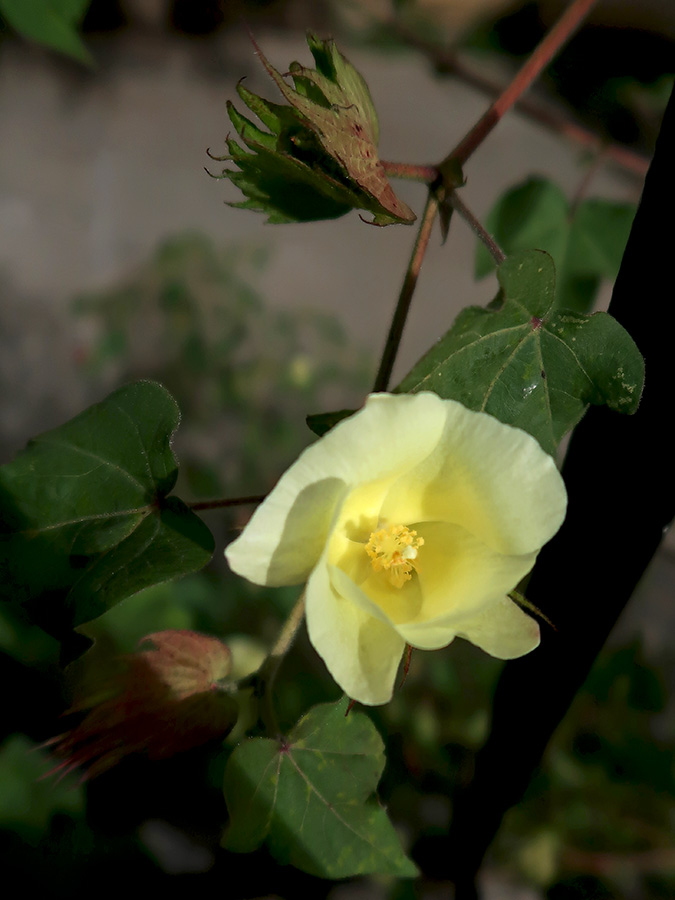
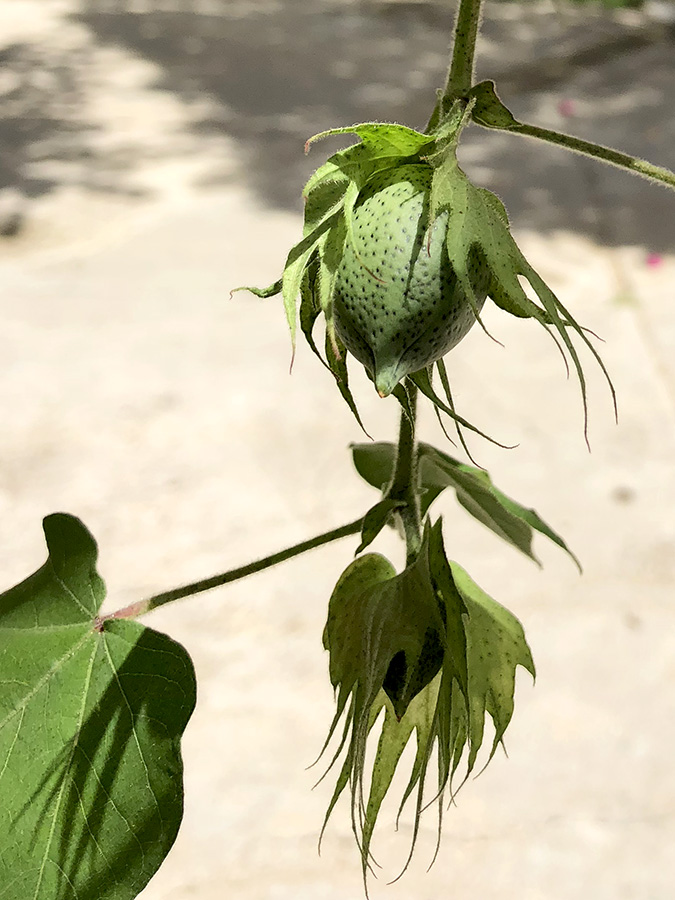
Not all cotton bolls are white…

Roberta French, who built my apartment complex in Oaxaca many decades ago, established a textile weaving business and planted coyuche (koyuchi), a natural brown cotton.  She is no longer with us, but her plant survives and grows up onto my balcony.  This time of year, the yellow, pink, and rose flowers bloom, die, form pods, and brown cotton fluff results.

IMG_1028

IMG_1007

IMG_1031_land

IMG_3922

IMG_1025

IMG_3918

IMG_3920

And the results?  Here, at my apartment complex, the plant is solely decorative.  However, the traditional way of growing, spinning, and weaving brown cotton is still practiced in some communities in coastal Oaxaca, Mexico.  And, I have been lucky enough to have been gifted an old huipil woven of coyuche and acquired a new one at an expo-venta here in Oaxaca city.  If you would like more information on coyuche and its cultivation and weaving, I recommend checking out the Katyi Ya’a collective.

Read Full Post »

Cooking with Juana…  Mangos ripening just out of reach.

Sunlight filtering through the leaves of the granada (pomegranate) tree.

A pomelo (grapefruit) waiting to drop.

There is something to be said for outdoor kitchens.

Save

Save

Read Full Post »

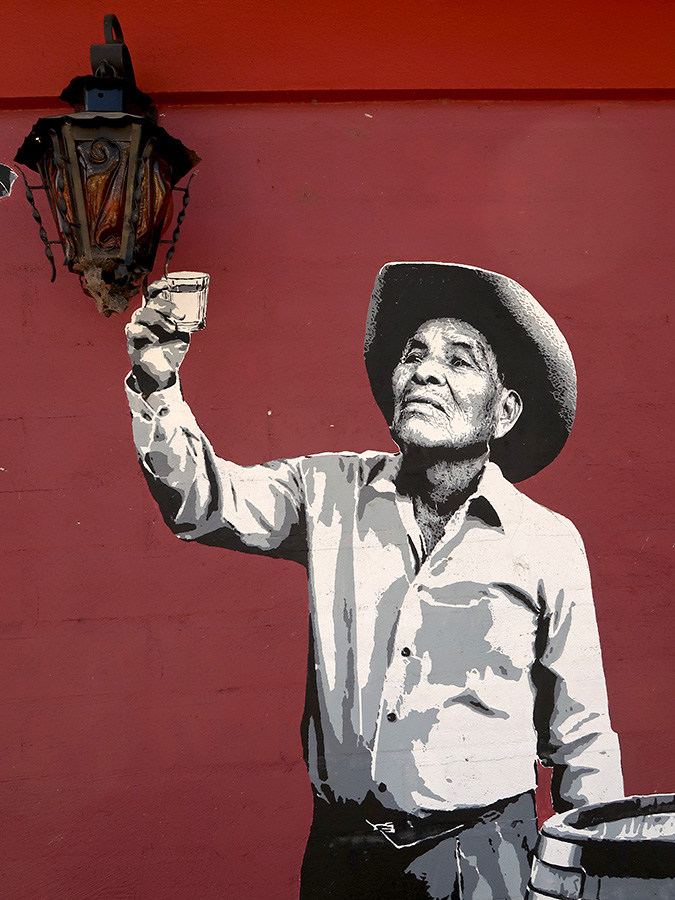
It’s good to be back in Oaxaca — land of mezcal.  Even the walls sing its praises.

P1240784

And, they are not alone — so does National Geographic, with their article, A Mezcal Boom Spurs Creativity.

Save

Save

Save

Read Full Post »

Remember the pineapple growing in my rooftop container garden?  Upon returning from a week-long magical mystery trip (more about that to come) last night, I discovered mi piña was more than ready to harvest.

P1190258

The fragrance beckons… breakfast tomorrow!!!

Read Full Post »
A year and a half ago, I cut off the top of a pineapple (piña, en español), stuck it in a ten inch pot in full sun, watered it very occasionally during the dry season, and it actually began to grow.  This member of the Bromeliaceae family is thought to have originated in the area between southern Brazil and Paraguay and spread throughout Latin America and the Caribbean.  Reaching Mexico, it was cultivated by the Mayas and Aztecs.  Spanish, Dutch, and Portuguese conquerors took it across the pond, and the rest is history.  No surprise, as the fruit (which resembles a pine cone — hence the name) is sweet, succulent, and ridiculously easy to grow!

P1150504crop

A symbol of home: warmth, welcome, friendship and hospitality.  The Welcoming Pineapple

Grown in the Papaloapan region of Oaxaca, the pineapple has inspired elaborate embroidery designs and the crowd-pleasing Flor de Piña dance.   What’s not to love?!


Read Full Post »

Older Posts »