Even leftover decorations from a Día de la Samaritana agua station in front of an abandoned building are beautiful in their own way.
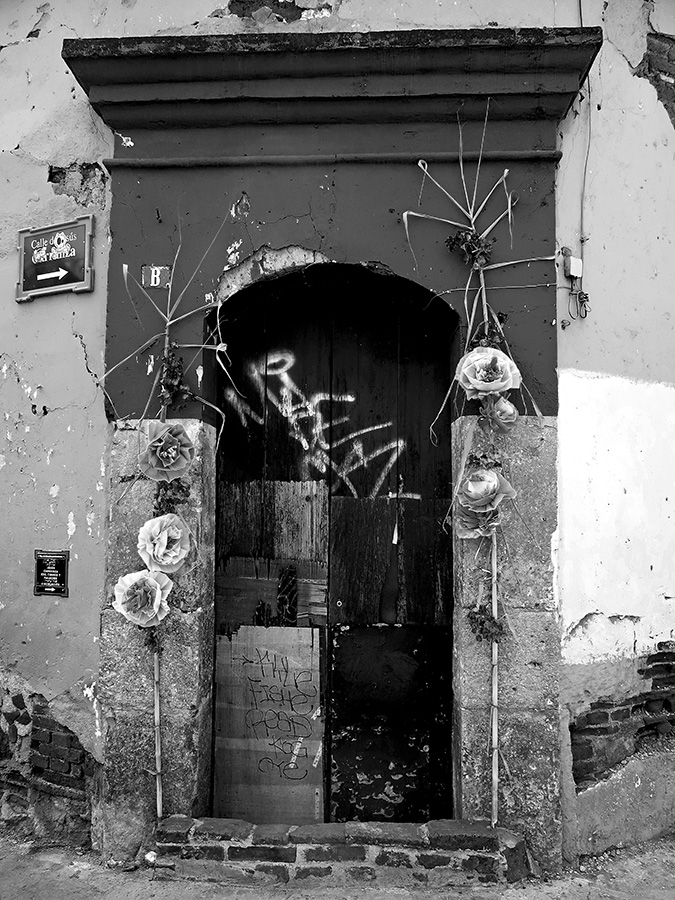
Seen on García Vigil at the corner of Jesús Carranza.
Posted in Buildings, Celebrations, Creativity, Culture, Religion, Travel & Tourism, tagged abandoned buildings, Black and white photography, Día de la Samaritana, decorations, Mexico, Oaxaca, paper flowers, photos, popular travel destinations on April 2, 2019| Leave a Comment »
Even leftover decorations from a Día de la Samaritana agua station in front of an abandoned building are beautiful in their own way.
Seen on García Vigil at the corner of Jesús Carranza.
Posted in Beverages, Celebrations, Creativity, Culture, Food, Religion, Travel & Tourism, tagged agua fresca, bougainvillea, bugambilia, Día de la Samaritana, Good Samaritan day, Lent, Mexico, Oaxaca, photos, popular travel destinations on March 30, 2019| 14 Comments »
If you are in Oaxaca and it’s the fourth Friday of Lent, it must be Día de la Samaritana, an “only in Oaxaca” celebration. This Day of the Good Samaritan was inspired by the Gospel of John story in the New Testament where a tired and thirsty Jesus, on his way to Galilee, asks a Samaritan woman at Jacob’s Well in Sychar for some water.
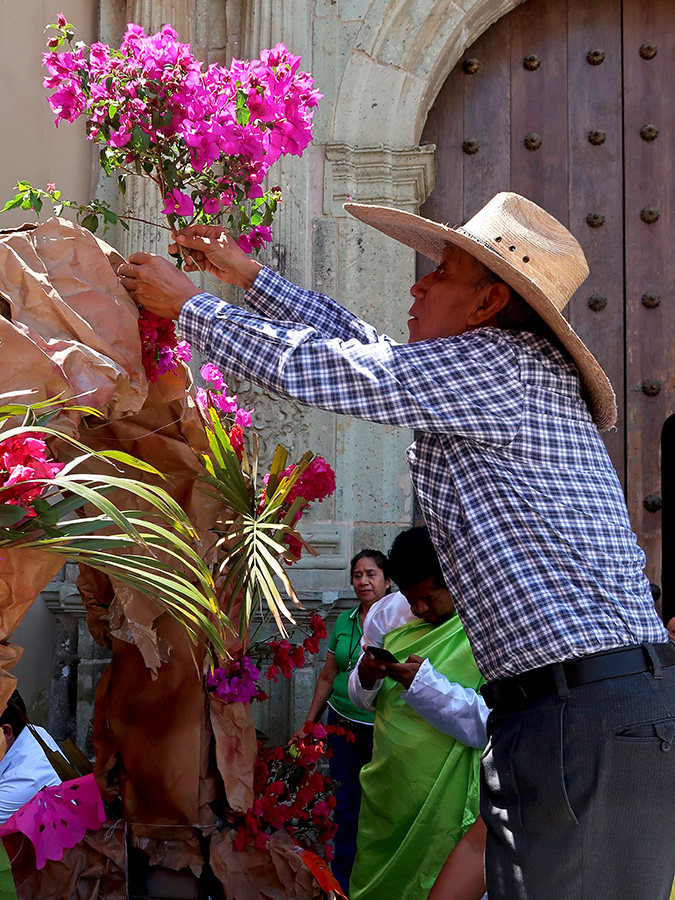
Decorating a well outside the Cathedral
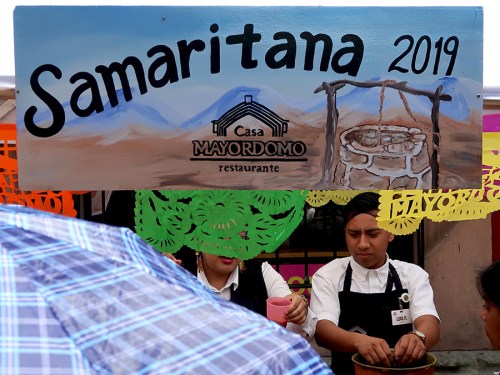
Sign proclaiming the day, seen on the Alcalá
His request was highly unusual because, according to the Old Testament, “Jews regarded the Samaritans as foreigners and their attitude was often hostile.” The woman complied with his request and the rest is history.
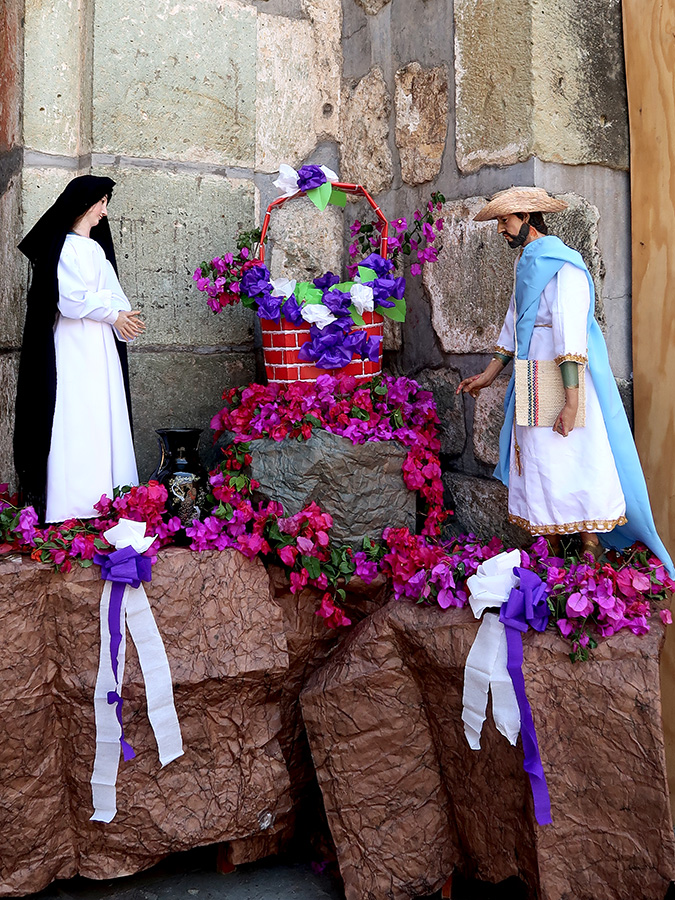
Scene at the well outside Templo de San José

Live actors waiting to reenact the scene
Celebrating the Good Samaritan in Oaxaca began in the atriums of churches at the end of the 19th century and is a popular and much-loved tradition. Thus I joined thousands of Oaxaqueños and visitors, clutching cups, and wandering from one decorated agua station to another sampling their offerings.

Samaritana station serving nieve at the Municipal Palace

One of scores of agua stations on the Alcalá
People of all ages, from small children to grandparents, lined up at bougainvillea and palm decorated booths in front of churches, restaurants, businesses, schools, and even the city’s municipal office building for the traditional Día de la Samaritana free aguas.

Hand painted ollas in front of Templo de Sangre de Cristo

Hand painted jicara gourds waiting to be filled with tejate
These “water stations” are often decorated in a violet shade of purple, the color of Lent, symbolizing penance and royalty. And, the ollas (pots) holding the aguas seem to get more decorative every year.
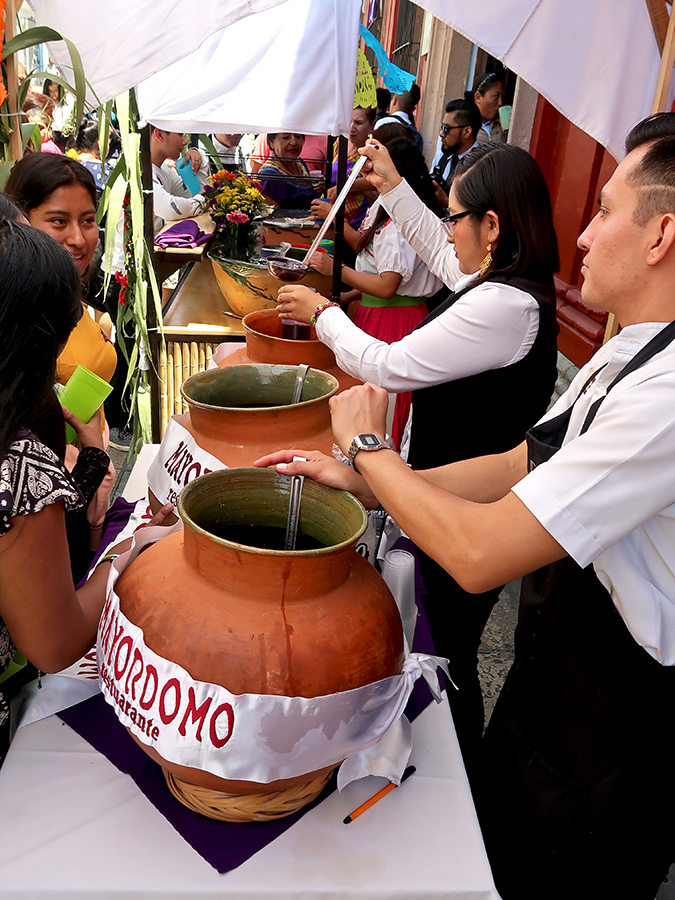
Agua stations along the Alcalá
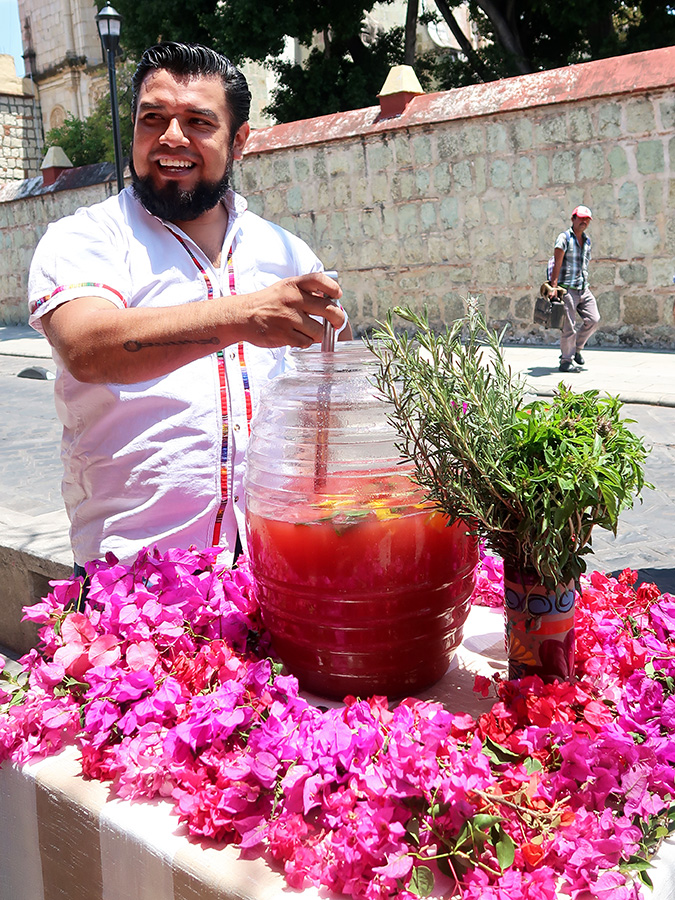
Watermelon and mint agua station on García Vigil
We are not talking plain water, these are divinely flavored aguas frescas made with fresh fruits, herbs, flowers, and more — jamaica (hibiscus), horchata, chilacayote (squash), tamarindo, sandia (watermelon), tejate, and nieve (sorbet). Even taxi drivers played the role of Good Samaritans.
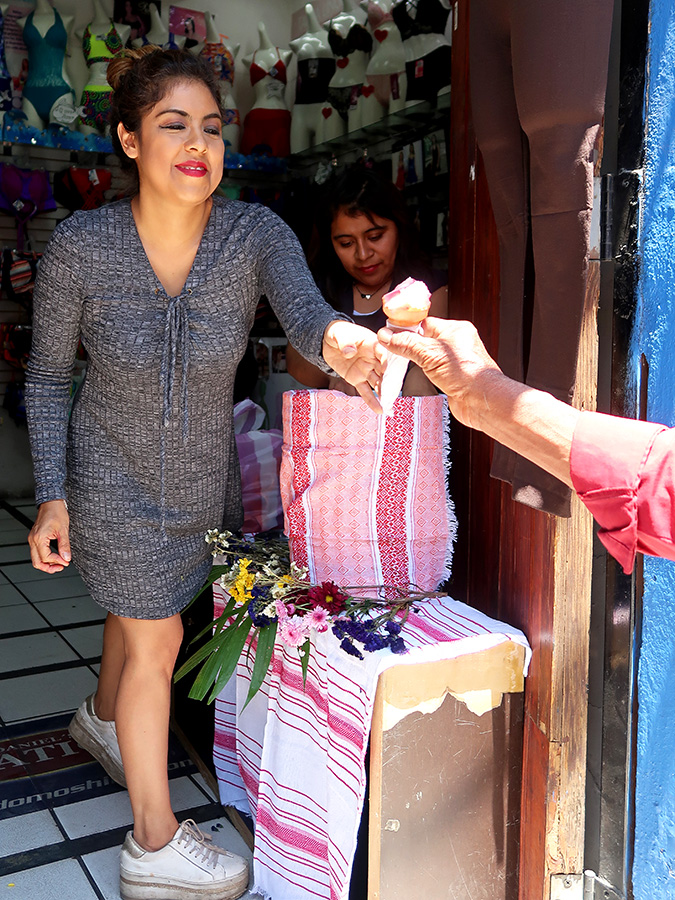
Nieve station in doorway of lingerie store on Independencia
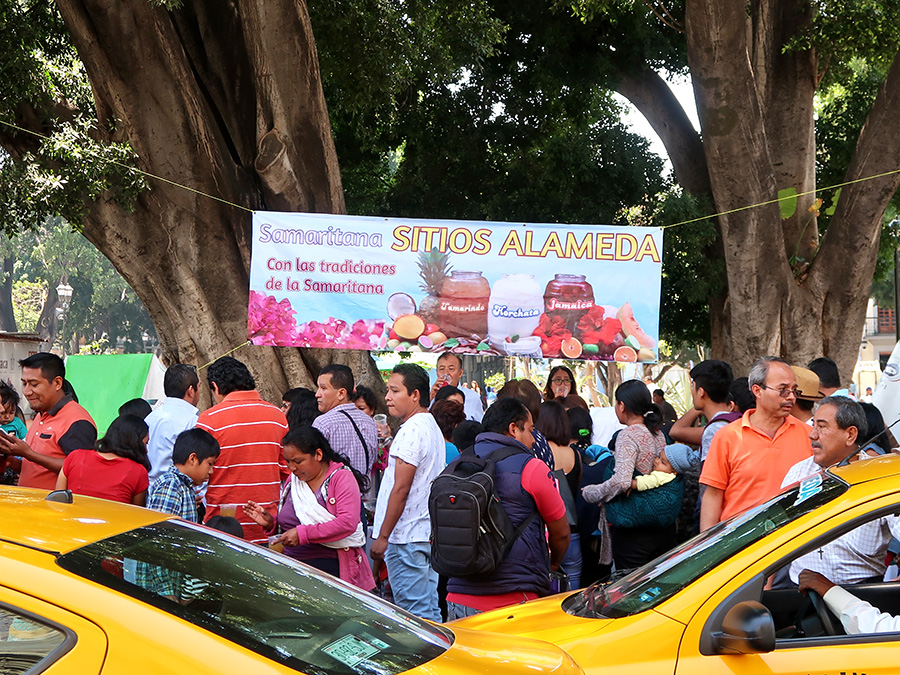
Taxi drivers host agua station on the Alameda
In previous years, the aftermath hath wrought mountains of garbage — cans overflowing with plastic and styrofoam. However, this year, in the name of the environment, an appeal was made for people to bring their own cups. And, I think a majority complied!
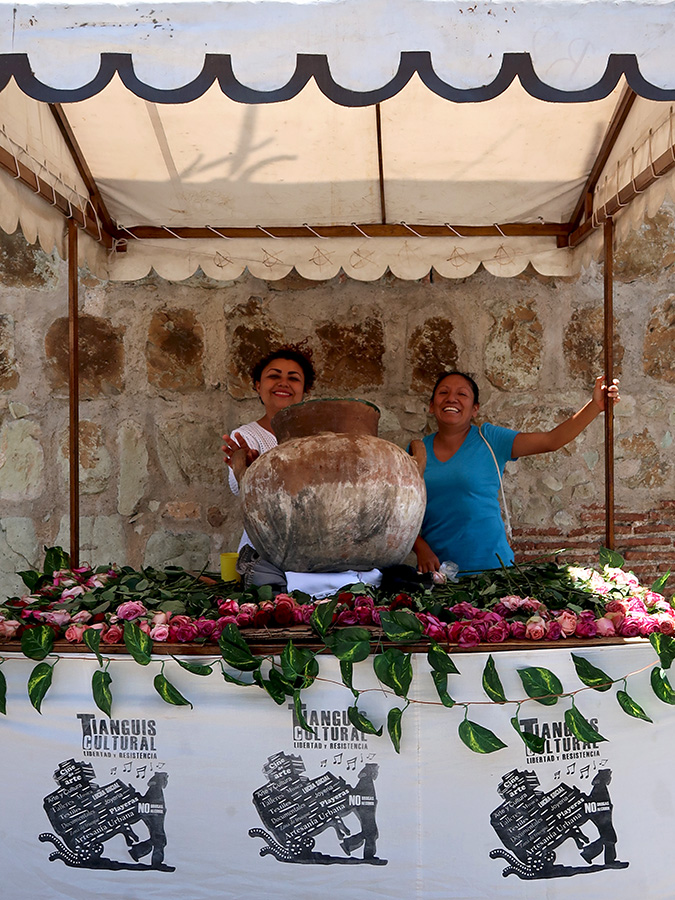
On the Alcalá above Santo Domingo
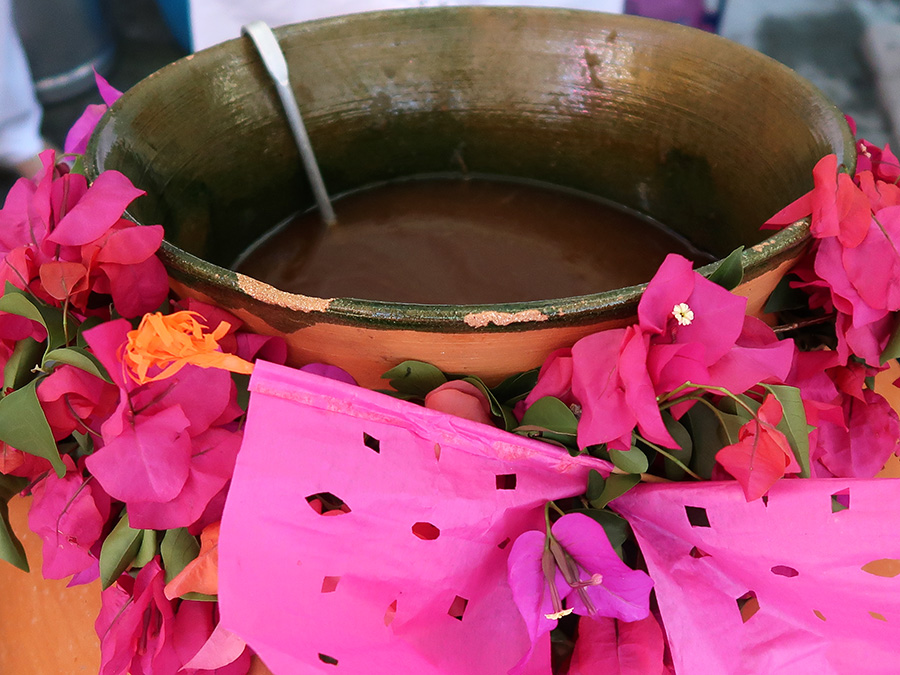
An olla with Agua de chilacayote (type of squash)
And me? After almost two hours, three aguas (watermelon with mint, cucumber with mint, and chilacayote), a nieve of leche quemada and tuna, and being surrounded by smiling people enjoying this celebration of generosity, I returned home with my heart full of love and gratitude for the traditions of Oaxaca.
Posted in Celebrations, Creativity, Culture, People, Textiles, Travel & Tourism, tagged artisans, backstrap loom, baskets, bodypaint, canastas, carding wool, Día del Artesano, light fixtures, looms, mandiles, Mexico, murals, Nativity scene, Oaxaca, photos, popular travel destinations, street art, wall art on March 20, 2019| 8 Comments »
Yesterday, Mexico celebrated el Día del Artesano (Day of the Artisan). Alas, I’m a day late in recognizing the men and women whose artistry in carrying on traditions and renewing and enriching them with their own creative spirit contributes to Oaxaca’s vibrant cultural life and economy. However, the entire month of March has been designated “month of the artisan,” so here are several of the artesanas and artesanos who I have had the honor and joy of knowing and visiting over the past year.

Emilia Gonzalez, wool spinning and dying in Teotitlán del Valle

Juan Manuel García Esperanza, silver filigree, Ciudad de Oaxaca
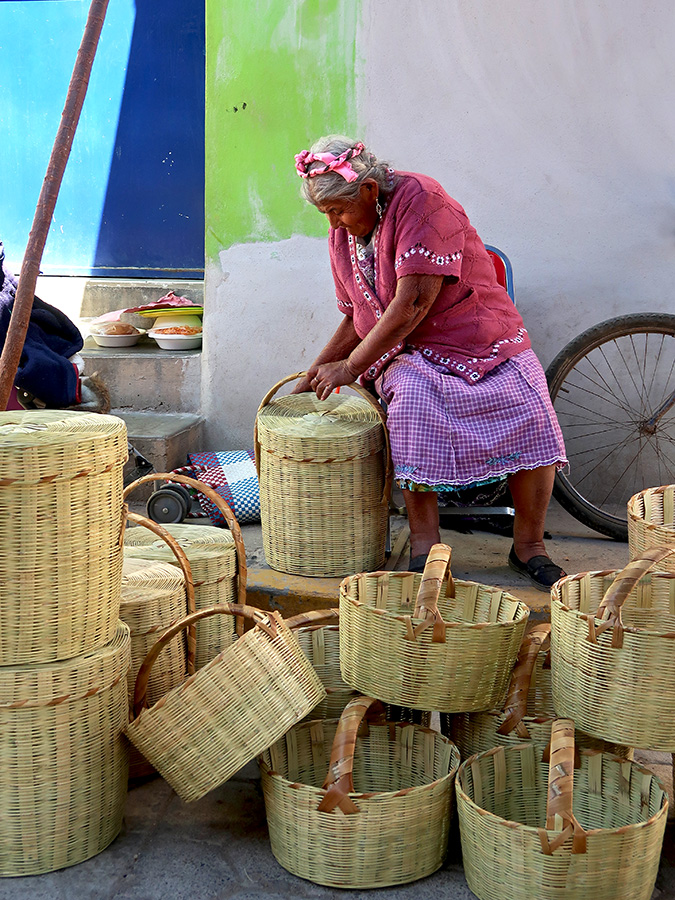
Carrizo basket maker from San Juan Guelavía

Barro rojo (red clay) potters from San Marcos Tlapazola

Mural painters in San Martín Tilcajete

Weaver from Santo Tomás Jalieza

Eligio Zárate, potter, Santa María Atzompa
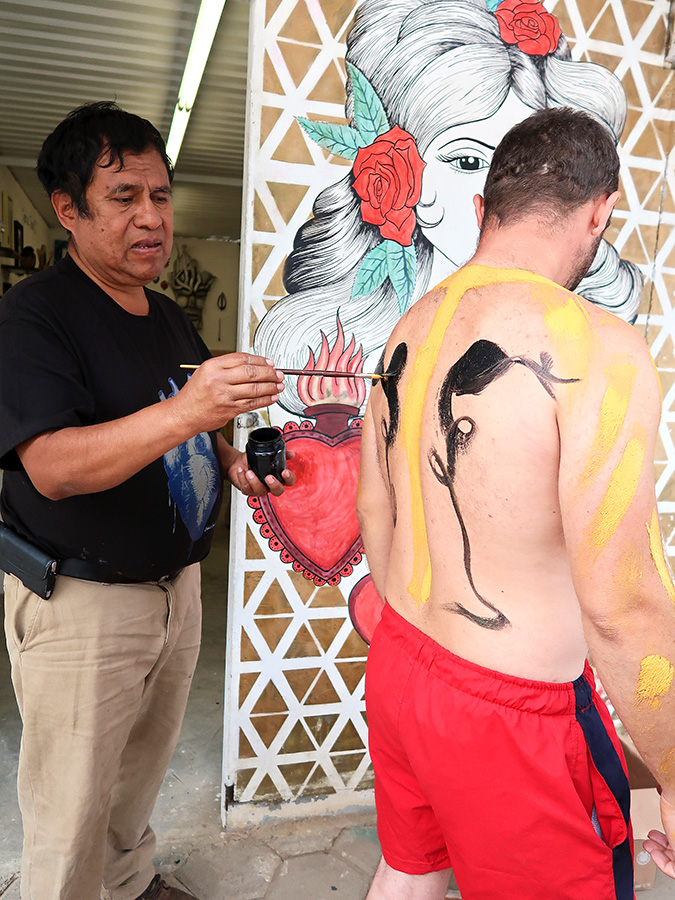
Jesús Sosa Calvo, wood carver and painter, San Martín Tilcaje
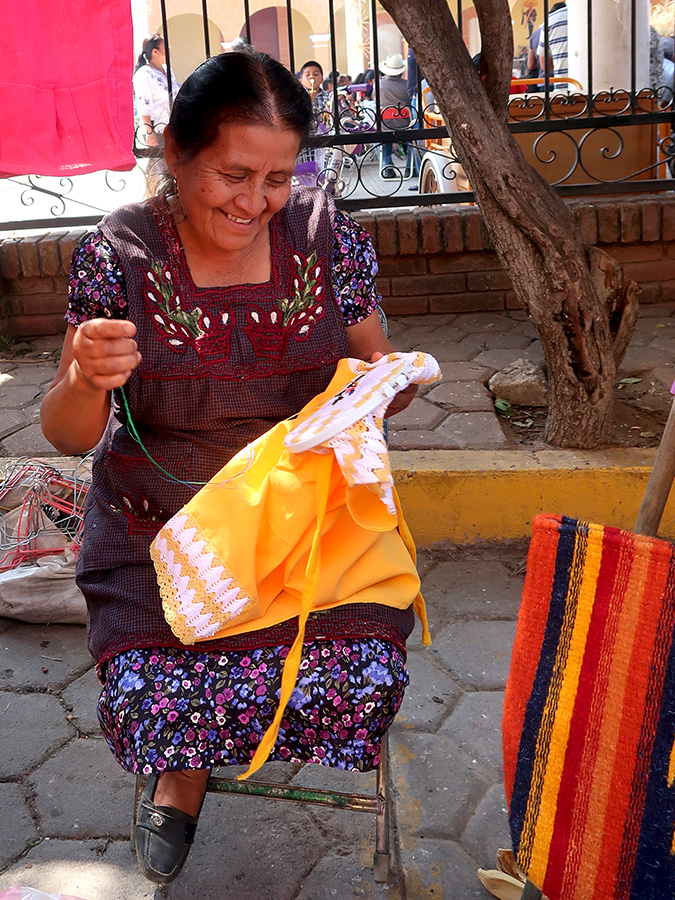
Seamstress, embroiderer, crocheter, Sra. Gutiérrez from Teotitlán del Valle

Don Luís, weaver, Ciudad de Oaxaca
A very special thank you to Don Luís, whose weaving studio shares a wall with my apartment and I have the pleasure of seeing and hearing most every day. The rhythmic sounds of his loom are one of the songs on the soundtrack of my Oaxaca life.
Posted in Celebrations, Creativity, Culture, Religion, Travel & Tourism, tagged Black and white photography, bodypaint, Carnaval, Carnival, Fat Tuesday, Jacobo Ángeles, Mardi Gras, mascaras, masks, Mexico, Oaxaca, photos, San Martín Tilcajete on March 6, 2019| 2 Comments »
Scenes from the streets of San Martín Tilcajete during yesterday’s Carnaval craziness.


“Color is descriptive. Black and white is interpretive.” – Eliott Erwitt
Posted in Celebrations, Creativity, Culture, Holidays, Travel & Tourism, tagged Barrio de San Pablo Zaachila, Carnaval, Carnival, costumes, Fat Tuesday, Mardi Gras, mascaras, masks, men dressed as women, Mexico, Muestra de Carnavales de los Valles Centrales, Oaxaca, painted bodies, parade, photos, San Jacinto Chilateca, San Martín Tilcajete, Santa Ana Zegache, Santa María Coyotepec, Shrove Tuesday on March 3, 2019| 2 Comments »
Given that Oaxaca loves parades and processions (the numbers of Muertos comparsas and Guelaguetza desfiles seem to grow every year), yesterday the 1st Muestra de Carnavales de los Valles Centrales took over the Macedonio Alcalá walking street with costumes, devils, painted bodies, cowbells, bands, masked men, mezcal, and more.

Santa Ana Zegache

Santa Ana Zegache
In an effort to promote tourism in the villages, residents and visitors were treated to sampling the variety of Carnaval traditions from five of the Valley of Oaxaca’s communities.
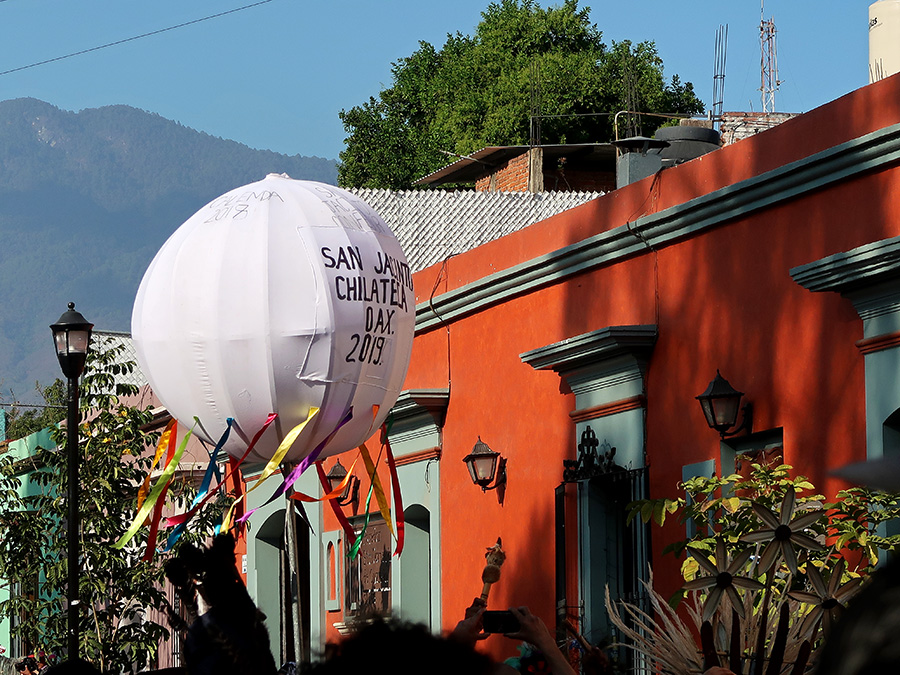
San Jacinto Chilteca
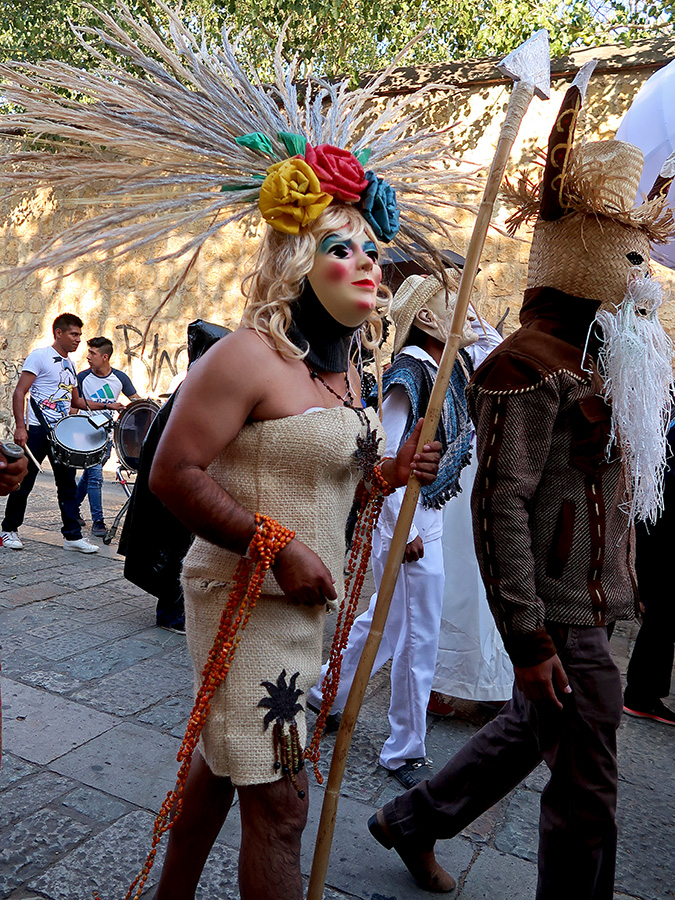
San Jacinto Chilteca
The Spanish brought the tradition of Carnaval to Mexico. However, like many other seasonal celebrations, it conveniently coincided with indigenous festivals celebrating the “lost days” of the Mesoamerican calendar, “when faces were covered to repel or confuse evil.”

Santa María Coyotepec

Santa María Coyotepec
Apparently, it caught on “because it was one time when normal rules could be broken especially with the use of masks to hide identities from the authorities.”
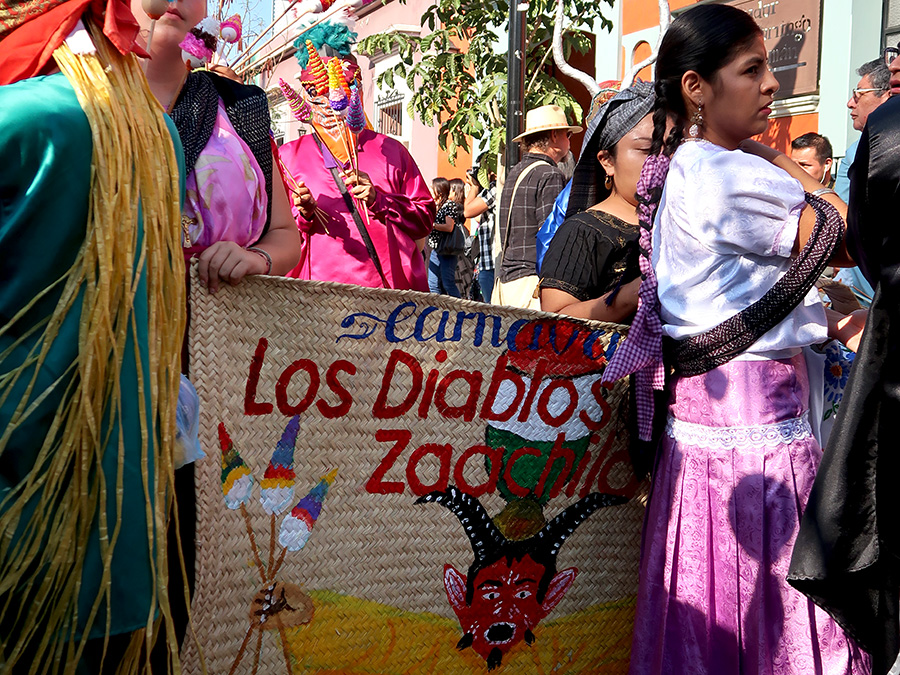
Barrio de San Pablo Zaachila
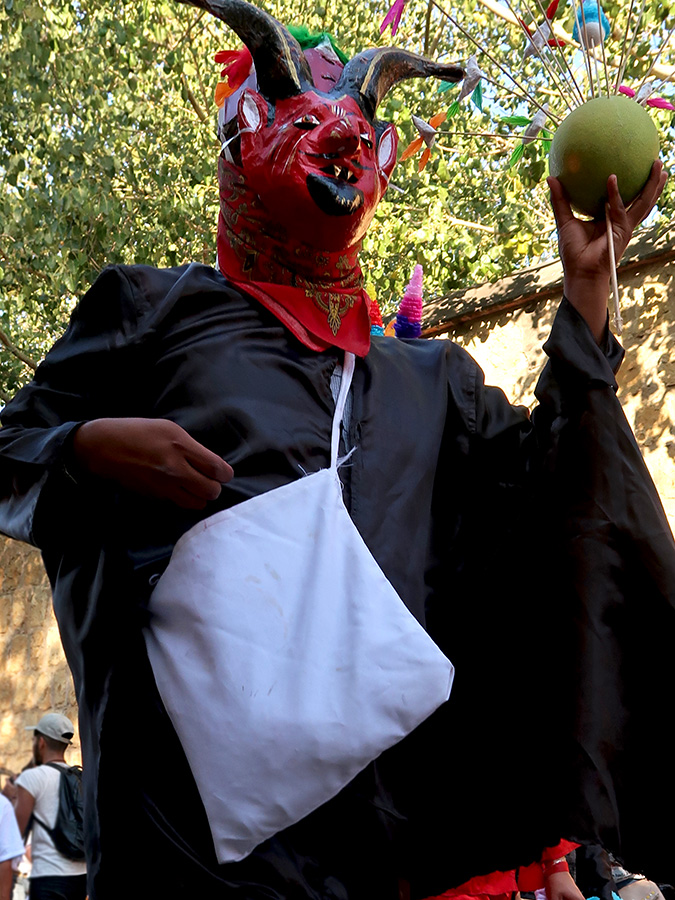
Barrio de San Pablo Zaachila
This Día de Carnaval (aka, Fat Tuesday, Mardi Gras, Shrove Tuesday, Carnival), like previous years, we will be heading out to San Martín Tilcajete.

San Martín Tilcajete

San Martín Tilcajete
However, now I’m thinking we might want to add another stop (or four?) to our itinerary. We shall see…
Posted in Celebrations, Culture, Education, Language, Travel & Tourism, tagged costumes, Día Internacional de la Lengua Materna, ethnolinguistic groups, indigenous peoples, International Mother Language Day, language, lengua materna, Mexico, Mother Tongue, native tongues, Oaxaca, photos, traje, UNESCO, United Nations on February 19, 2019| 7 Comments »
2019 has been proclaimed the International Year of Indigenous Languages by the United Nations. The issue of “lenguas maternas” (mother tongues) has a particular resonance in Oaxaca, as the state is home to 16 distinct ethnolinguistic groups: Amuzgos, Chatino, Chinanteco, Chocho, Chontal, Cuicateco, Huave, Ixcateco, Mazateco, Mixe, Mixteco, Náhuatl, Popoloca, Triqui, Zapoteco, and Zoque.

As anyone who has visited the villages of Oaxaca has discovered, sometimes the abuelos and abuelas only speak their mother tongue, not Spanish. To honor and celebrate them, their ancestors, and their children and grandchildren, today on the zócalo, Oaxaca celebrated those languages with songs, poetry, and recitations.
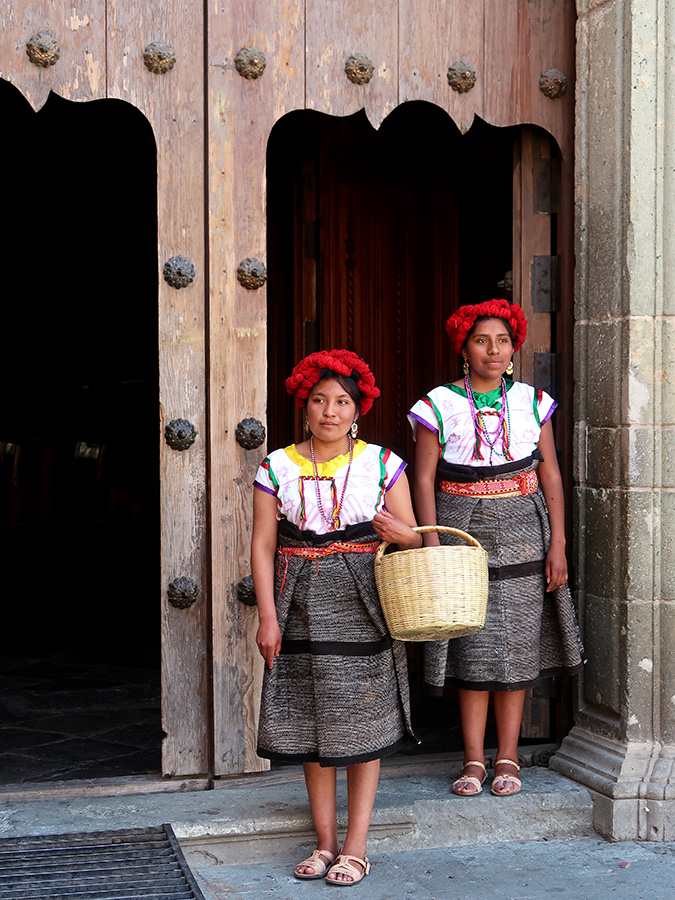
However, like indigenous languages throughout the world, Mexico’s indigenous languages are in danger of disappearing. The importance of passing these languages and the world views they express to the younger generations cannot be underestimated.

Thus here in Oaxaca, on February 21, 2019, Mother Language Day, you can walk “The roads of the feathered serpent: revaluing one of the variants of the Zapotec Valley of Oaxaca” and “Meet the Zapotec of Teotitlán through storytelling and other activities!” at the Biblioteca Infantil (Children’s Library).
Posted in Celebrations, Creativity, Culture, Holidays, Travel & Tourism, tagged balloons, Día del Amor y la Amistad, hearts, Mexico, papel picado, photos, Valentine's Day on February 13, 2019| Leave a Comment »
The signs of Valentine’s Day are everywhere…

Ready for the fiesta on the patio of my apartment complex.

Tin hearts on display at the Museo Estatal de Arte Popular de Oaxaca (MEAPO) shop in San San Bartolo Coyotepec.
While it may be a holiday imported from Europe, Mexico embraces the celebration.

Dining room ceiling of Los Huamuches, between Santo Tomás Jalieza and San Martín Tilcajete.

Balloons on the zócalo in Oaxaca de Juárez.
Wishing you ¡Feliz Día del Amor y la Amistad!

Bougainvillea on a cross at the palenque of Faustino García Vásquez, San Baltazar Chichicápam.

Ready for the fiesta on the patio of my apartment complex.
Happy Day of Love and Friendship to all!
Posted in Celebrations, Churches, Culture, Travel & Tourism, tagged candles, Feria del Carrizo, festivals, Mexico, Oaxaca, photos, popular travel destinations, procession, San Juan Guelavia, velas on January 30, 2019| Leave a Comment »
On Sunday in San Juan Guelavía for the Feria del Carrizo in the municipal plaza, the sounds of a procession drew me next door to the church.
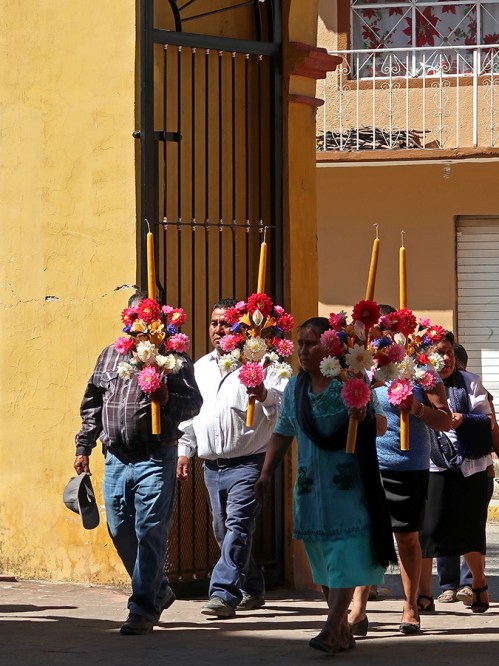
A procession! I’m not sure if the occasion had anything to to with patron saint, San Juan Bautista. However, what I do know is that I love being surprised and delighted by Oaxaca — a place I am proud to now call home.
Posted in Celebrations, Culture, Travel & Tourism, tagged bands, Mexico, monos, Oaxaca, photos, popular travel destinations, weddings on January 26, 2019| 6 Comments »
If it’s Saturday, it must be wedding day in Oaxaca.

They are scheduled one right after another at several of the churches, especially those on Macedonio Alcalá (the walking street).
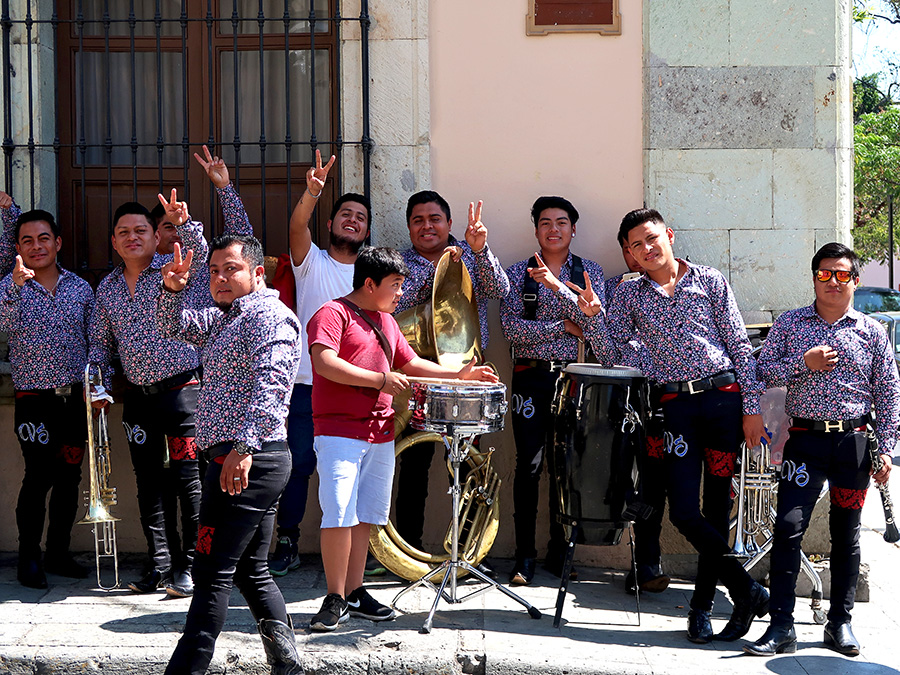
As a result, there is a lot of waiting by the wedding parties, bands, and monos.
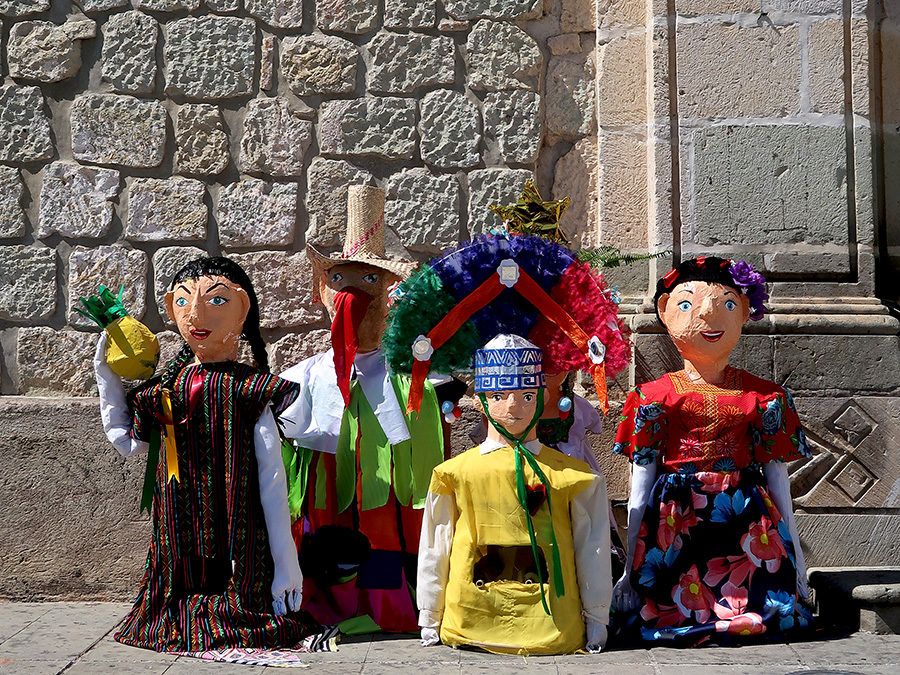
All dressed up with someplace to go!
Posted in Casita Colibrí, Celebrations, Creativity, Culture, Holidays, Travel & Tourism, tagged Año Nuevo, aprons, Cathedral, ceramic pottery, cooking school, El Sabor Zapoteco, ENBIA, Feria del Barro Rojo, full moon, Fundación En Via, girls, jewelry, José Jorge García García, Las Sanjuaneras, mandiles, Mexico, mezcal, microfinance tours, murals, New Year's Eve, Oaxaca, Palenque, photos, pistachio tree, protests, Rancho 314, Reyna Mendoza Ruiz, San Baltazar Chichicapam, San Juan Colorado, San Marcos Tlapazola, San Miguel del Valle, Señor del Rayo, textiles, Tlacolula de Matamoros, Tlacolulokos, urban farms, Waje, weavers, zócalo on December 30, 2018| 10 Comments »
Looking back and appreciating life in Oaxaca, 2018.

January – View through the terrace pistachio tree of full Wolf Moon.

February – Guest helping to harvest Waje dinner at Rancho 314 urban farm in Santa Cruz Xoxocotlán.

March – Reyna Mendoza Ruiz demonstrating metate technique at El Sabor Zapoteco cooking class in Teotitlán del Valle.

April – Pit for cooking agave piñas to make mezcal at the palenque of Faustino Garcia in San Baltazar Chichicapa(m).
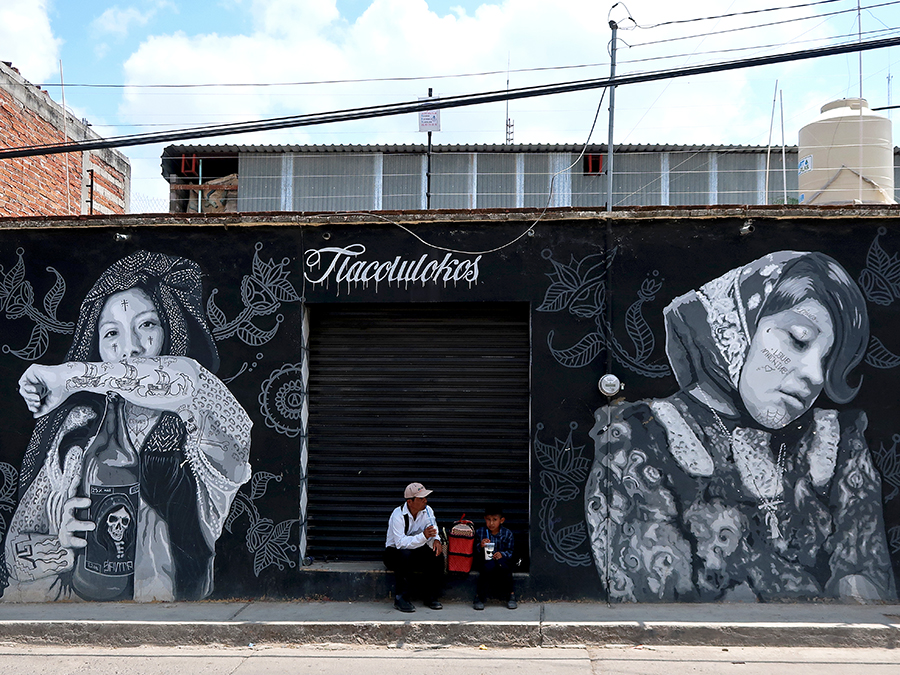
May – Tlacolulokos mural in Tlacolula de Matamoros.

June – Summer afternoon on the Zócalo in Oaxaca city.

July – Feria del Barro Rojo in San Marcos Tlapazola.

August – Fundación En Via microfinance tour to San Miguel del Valle.
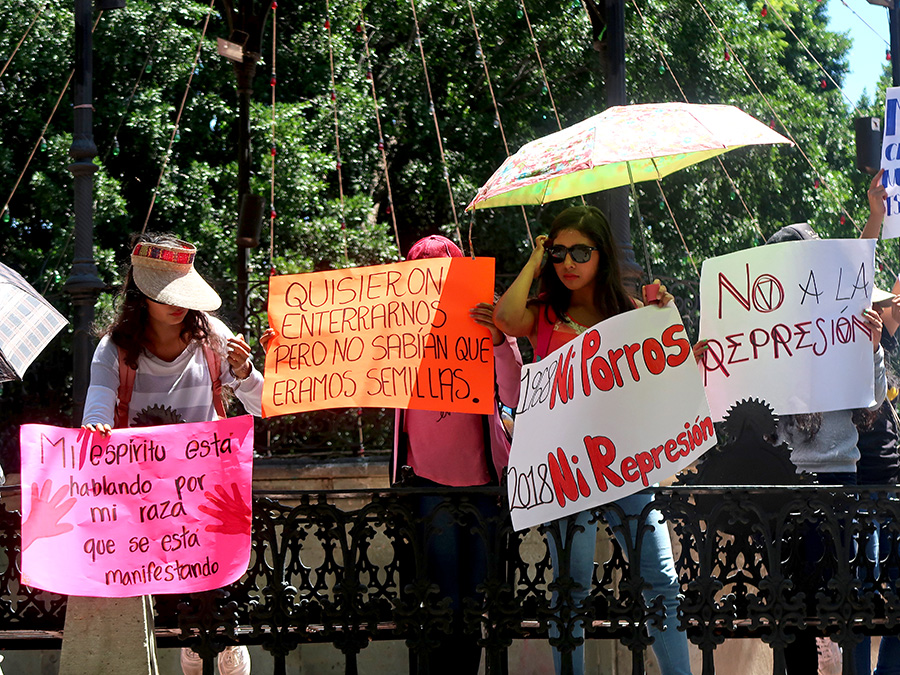
September – Protest by students from the Escuela Normal Bilingüe e Intercultural de Oaxaca.
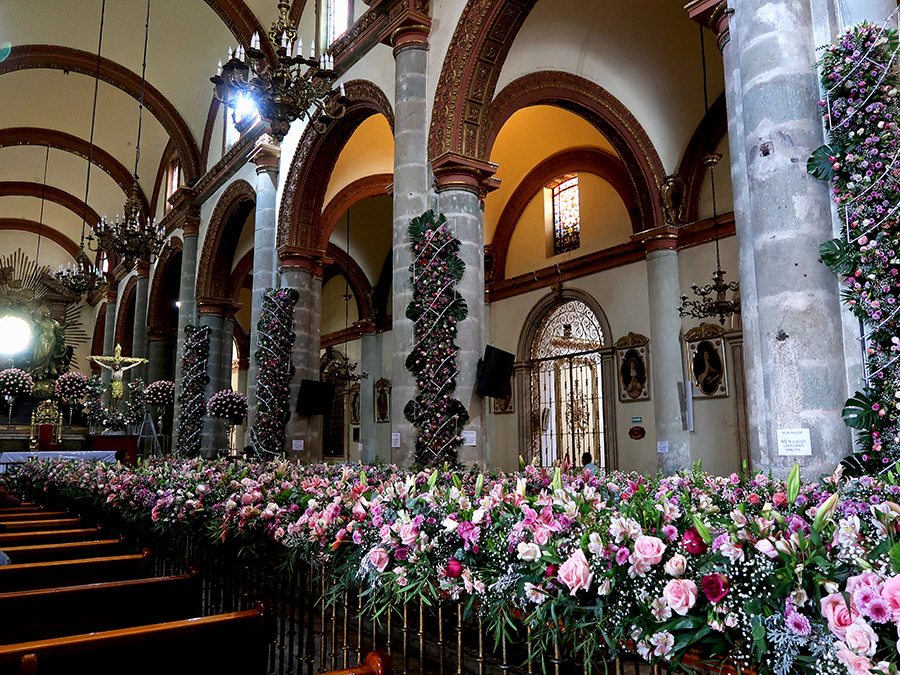
October – Celebrating el Señor del Rayo at the Catedral de Nuestra Señora de la Asunción.

November – At the home/workshop of filigree maestro, José Jorge García García.

December – Pop-up sale in Oaxaca city by the Las Sanjuaneras weavers from San Juan Colorado.
Feliz año nuevo y muchisimas gracias to all my wonderful blog readers from near and far! Thank you for reading, for commenting, for sharing, for the opportunity to meet some of you, and for inspiring me to continue. Onward to 2019!!!
Posted in Celebrations, Creativity, Culture, Holidays, Music, Travel & Tourism, tagged 'Twas the Night Before Christmas, Christmas decorations, Christmas ornaments, Christmas traditions, Eduardo Guerrero, Ernie Villarreal, Mexico, Oaxaca, Pancho Claus, photos, poem, popular travel destinations on December 24, 2018| 9 Comments »
‘Tis Christmas Eve and I’m in el norte. A light snow is falling and all are excited.

Ornaments from Oaxaca hang alongside those passed down through four generations — and the newly collected continue the one-new-ornament-a-year tradition.


My grandson is keeping a close eye on Santa’s progress around the globe. While awaiting the arrival of our late night visitor, it is time for Ernie Villarreal’s version of Pancho Claus by Chicano music legend, Eduardo “Lalo” Guerrero.
Pancho Claus
‘Twas the night before Christmas and all through la casa
Not a creature was stirring, Caramba! ¿Que pasa?
Los ninos were all tucked away in their camas,
Some in vestidos and some in pajamas.
While Mama worked late in her little cocina,
El viejo was down at the corner cantina.
The stockings were hanging con mucho cuidado,
In hopes that St. Nicholas would feel obligado
To bring all the children, both buenos y malos,
A Nice batch of dulces and other regalos.
Outside in the yard, there arouse such a grito,
That I jumped to my feet, like a frightened cabrito.
I went to the window and looked out afuera,
And who in the world, do you think que era?
Saint Nick in a sleigh and a big red sombrero
Came dashing along like a crazy bombero!
And pulling his sleigh instead of venados,
Were eight little burros approaching volados.
I watched as they came, and this little hombre
Was shouting and whistling and calling by nombre.
¡Ay, Pancho! ¡Ay, Pepe! ¡Ay, Cuca! ¡Ay, Beto!
¡Ay, Chato!
¡¡Ay, Chopo! ¡Maruca and ¡Nieto!
Then standing erect with his hand on his pecho
He flew to the top of our very own techo.
With his round little belly like a bowl of jalea,
He struggled to squeeze down our old chimenea.
Then huffing and puffing, at last in our sala,
With soot smeared all over his red suit de gala.
He filled the stockings with lovely regalos,
For none of the children had been very malos.
Then chuckling aloud and seeming contento,
He turned like a flash and was gone like the viento.
And I heard him exclaim and this is VERDAD,
Merry Christmas to all, And to All ¡Feliz Navidad!

Posted in Celebrations, Creativity, Culture, Exhibitions, Holidays, Travel & Tourism, tagged dried corn husks, dried flowers, flor inmortal, Mexico, Night of the Radishes, Noche de Rabanos, Oaxaca, photos, popular travel destinations, Totomoxtle on December 22, 2018| 4 Comments »
It’s December 22 and in Oaxaca that means it’s Noche de Rábanos eve. Despite the name, it’s not just about radishes. Tomorrow morning, on tables lining the Zócalo, radishes will be carved and arranged, totomoxtle (corn husk) figures will be staged, and flor inmortal (dried flowers) scenes will be set. Beginning in the early afternoon and lasting late into the night, residents and visitors will parade along elevated walkways to view the detailed and fantastical creations on display in this only-in-Oaxaca holiday event.

These aren’t your grandparents radishes; they are a variety that is specially cultivated for their starring role — sometimes growing to 20 inches long and weighing in at 7 pounds. Alas, I’m in el norte spending the holidays with my family. So, I will just have to look back through previous Noche de Rábanos blog posts to get into the radishy spirit.
FYI: Blogger buddy Chris will be there to record this year’s action, so be sure to check out Oaxaca- The Year After in the next couple of days.
Posted in Celebrations, Culture, Holidays, Travel & Tourism, tagged Danza de la Pluma, danzantes, Día de la Virgen de Guadalupe, Mexico, Oaxaca, photos, Teotitlán del Valle, Virgen de Guadalupe on December 13, 2018| 12 Comments »
Yesterday, we said farewell to the Teotitlán del Valle, Danza de la Pluma Promesa 2016-2018 guys — and two little gals.

El Día de la Virgen de Guadalupe marked the end of this group’s three-year commitment to dance for their faith and community.
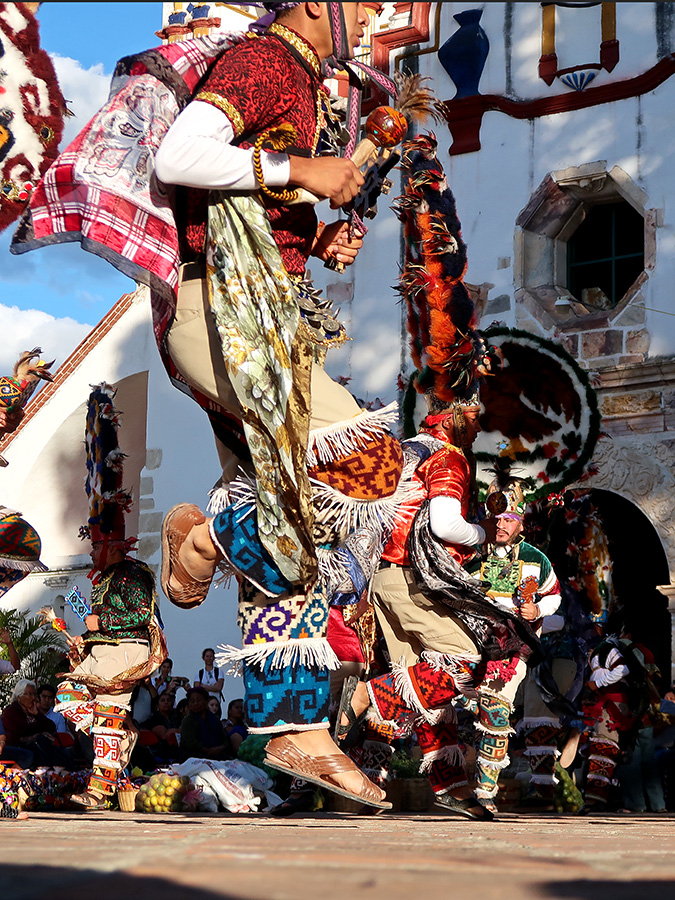
With well over one thousand family, friends, community members, and visitors watching, they danced their hearts out.

And, after the skips, squats, twists, and leaps ended, there was nary a dry eye in the house. It was a fabulous night!
Posted in Celebrations, Churches, Culture, Holidays, Religion, Travel & Tourism, tagged clowns, Mexico, Oaxaca, payasos, photos, popular travel destinations, Virgen de Guadalupe, Virgin of Guadalupe on December 11, 2018| 4 Comments »
Tomorrow is Día de la Virgen de Guadalupe. Celebrating the Queen of Mexico, Empress of America, and patron saint of Mexico isn’t just a one day event. In Oaxaca city, Llano Park with Templo de Nuestra Señora de Guadalupe at the north end of the park, is the epicenter of activities — including clowns.

The south half of Llano Park is taken up with a carnival and vendors selling toys, Christmas lights, and a variety of holiday decorations. Above that, there are aisles upon aisles of food stalls, and along the side the church, Guadalupe scenes, designed and constructed by scores of professional photographers vying for pesos for portraits, have been constructed.
As I write, Guadalupe’s children, the little Juan Diegos and their peasant sisters are lined up around the block. They have been brought by parents and grandparents to wait to enter the church to be blessed and then pose for portraits in one of the Guadalupe scenes. Hopefully, the payasos (clowns) provide some entertainment and much-needed distraction!
Posted in Celebrations, Culture, Holidays, Religion, Travel & Tourism, tagged José Michael Méndez Miranda, Mexico, Noche de Rabanos, Oaxaca, photos, popular travel destinations, religious pilgrimages, Virgen de Juquila, Virgin of Juquila on December 8, 2018| 3 Comments »
The booms and bells began yesterday morning announcing the faithful en route by bus, bicycle, motorcycle, and on foot to visit the image of la Virgen de Juquila high in the mountains between Oaxaca city and the Pacific coast.
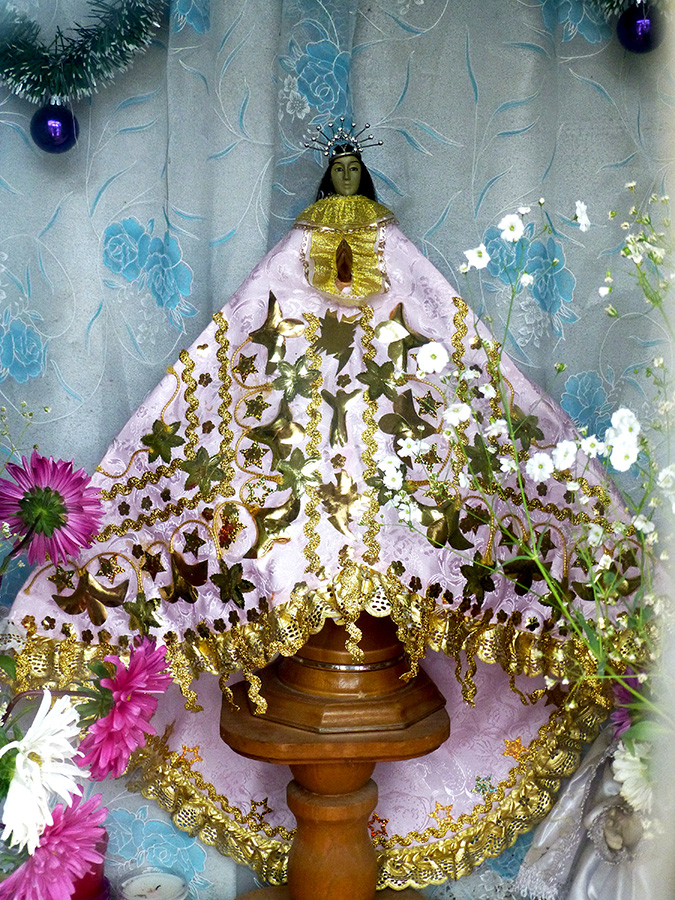
Copy of the image of la Virgen de Juquila
According to legend, in 1633, when a fire burned the small Chatino village of Amialtepec to the ground, a small wooden statue of the Virgin Mary was rescued amidst the ashes. She was undamaged, save for her light skin color, which was permanently darkened by the smoke, causing her to more closely resemble the Chatino people, who live in this remote mountainous region. Local priests declared her survival a miracle and she has been venerated ever since.
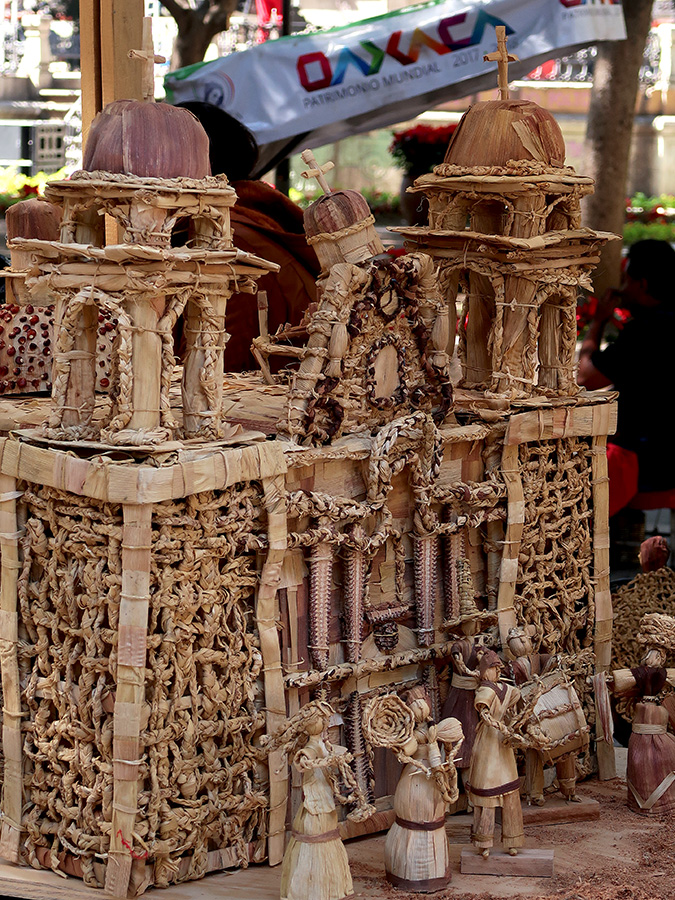
“Buscando la paz hastati. Virgencita de Juquila” by José Michael Méndez Miranda — Noche de Rabanos, 2017
Alas, that wasn’t the end of the story; the priest in the village of Juquila convinced the “powers that be” that she should be moved to the bigger and better church in Juquila. She, however, had other ideas and returned to Amialtepec. This back and forth continued another three times. Finally, in 1719, La Morenita (the dear dark one), as she had come to be known, gave up her traveling ways and agreed to call Santa Catarina Juquila her permanent home.

Home altar, 2016 — Santa Catarina Minas, Oaxaca
The faithful make pilgrimages to both her old and new mountain homes (about four hours southwest of Oaxaca city). They come year round to make offerings and pray for miracles, but especially during the days leading up to December 8.
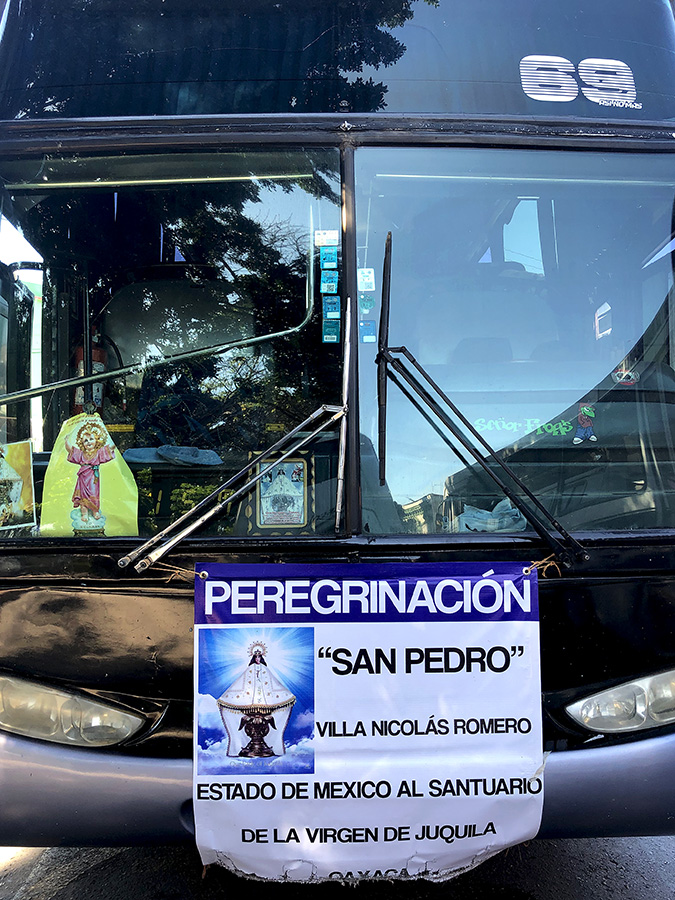
Bus parked in Oaxaca city, December 7, 2018
She “is a symbol of love, of protection, of justice, of peace, of respect for human dignity.” And, because of her indigenous roots, “the homage to the Virgin of Juquila is similar to that rendered to the Virgin of Guadalupe, not only in Oaxaca, but also in Puebla, Tlaxcala, State of Mexico, Veracruz and Chiapas, as well as in the United States, for the religiosity of migrants.”
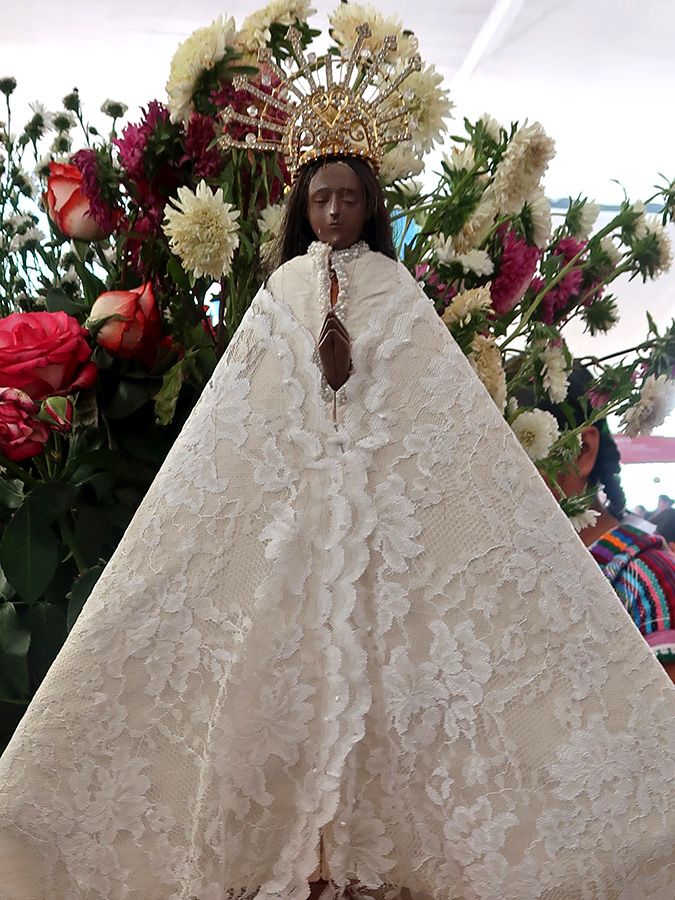
Altar with image of la Virgen de Juquila — Encuentro de Cocineras Tradicionales de Oaxaca 2018
On October 8, 2014, Juquila received a papal coronation, joining her previously crowned (1909) Oaxaca sister, Nuestra Señora de la Soledad. And, as I write on the night of December 8, 2018, Soledad celebrates her hermana’s day with fireworks.


 Mexican Peso Converter
 View From Casita Colibrí