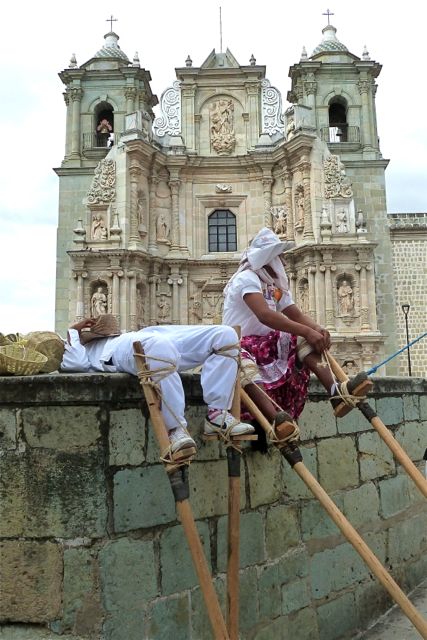
Monte Alban and the historic center of Oaxaca are coming up on the twenty-sixth anniversary of being designated UNESCO World Heritage sites. And, as I write, the city is hosting the XII World Congress of the Organization of World Heritage Cities, with delegations from 230 other World Heritage cities in town for the 4-day conference.
It is to be expected that any host city would get out the spit and polish to show itself in the best light and Oaxaca is no exception. The city is being cleaned to the nth degree and, much to driver and passenger delight and relief, the ubiquitous baches (potholes) throughout the city have been patched.


And graffiti? It’s history, as soon as it appears.


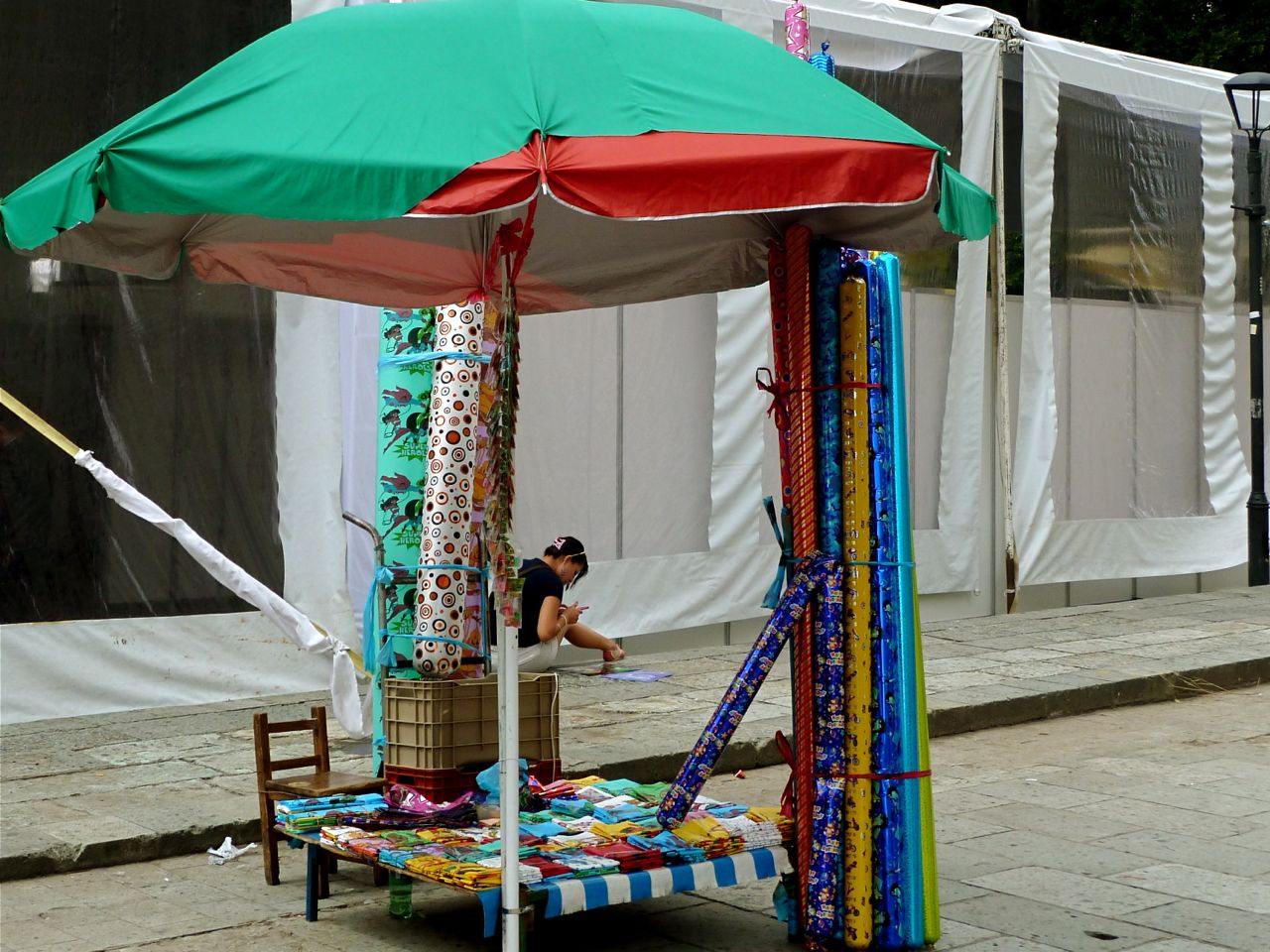
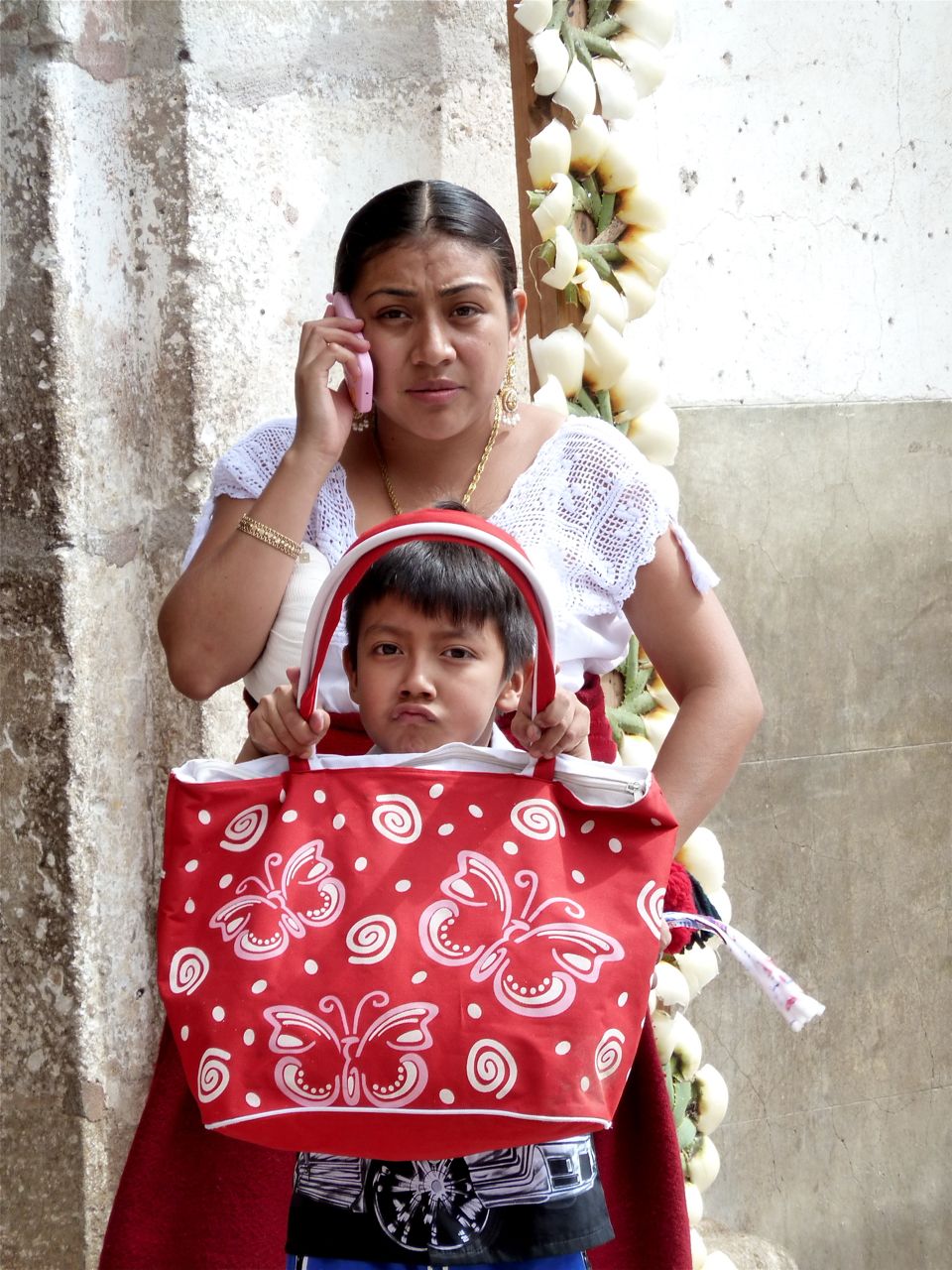
Besides the much-welcome repair of treacherous streets, squeaky clean sidewalks, and pristine building facades, there is something else missing. Where have all the ambulantes (street vendors) gone? If you have ever been to Oaxaca, you will no doubt remember the indigenous vendor puestos (across from the Cathedral) that line the Alameda de León from the Post Office to the Hotel Monte Alban. They are gone, along with the ambulantes in the plaza alongside Carmen Alto. Even the lovely women from San Antonino Castillo Velasco, who sell their beautiful, intricately hand-embroidered wedding dresses and blouses along Macedonio Alcalá, have been removed from the street.


I later discovered, the latter have been temporarily relocated to the courtyard of the Biblioteca Pública Central.


But what of the other vendors? Where are they? Are they being compensated for lost revenue? According to this article in Proceso, market trader organizations, “agreed to withdraw for six days without compensation.” Hmmm….
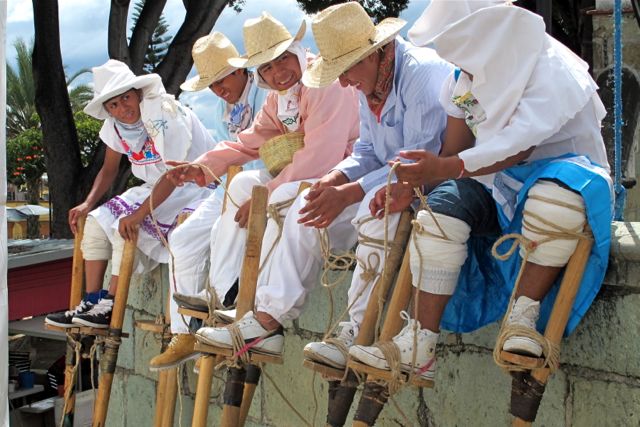
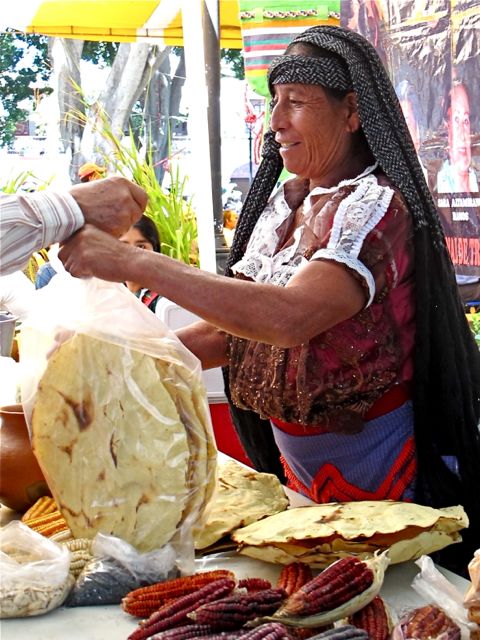
I have to ask, why? Is it just colonial buildings and archeological sites that warrant a World Heritage site designation? I don’t think so. Oaxaca is an incredibly vibrant, living breathing city whose primary value and cultural heritage lies not in her buildings, but with her people, especially her indigenous citizens, who have given and continue to give much of what makes Oaxaca so special — their food, music, artistry, and kind, strong, and gentle presence. In 2007, on my first visit, it’s what had me at, hola!
According to the UNESCO World Heritage Centre website, regarding Oaxaca and Monte Alban, criterion IV states, “Among some 200 pre-Hispanic archaeological sites inventoried in the valley of Oaxaca, the Monte Alban complex best represents the singular evolution of a region inhabited by a succession of peoples: the Olmecs, Zapotecs and Mixtecs. The City of Oaxaca, with its design as a check board and its iconic architecture, has developed over more than four centuries as evidence of the fusion of two cultures Indian and Spanish.” [my emphasis]














 Mexican Peso Converter


They ARE different
Posted in Culture, Economics, Education, Politics, Protests, tagged education, educational reforms, graffiti, Mexico, Oaxaca, photographs, photos, political commentary, protests, street art, Teachers union, United States legislation, wall art on October 11, 2013| 13 Comments »
Expats and Mexicans alike, are watching in amazement at the nonsense (as in, making NO sense) taking place in the hallowed halls of Washington DC. And, since many of the expats are retired, we are holding our collective breath over the possibility social security checks will not be forthcoming in November and a tanking stock market that flushes our nest eggs away. Of course, Mexico is in the middle of its own mess, “educational reforms” and economic proposals that will hurt Mexico’s working class and rural populations the most.
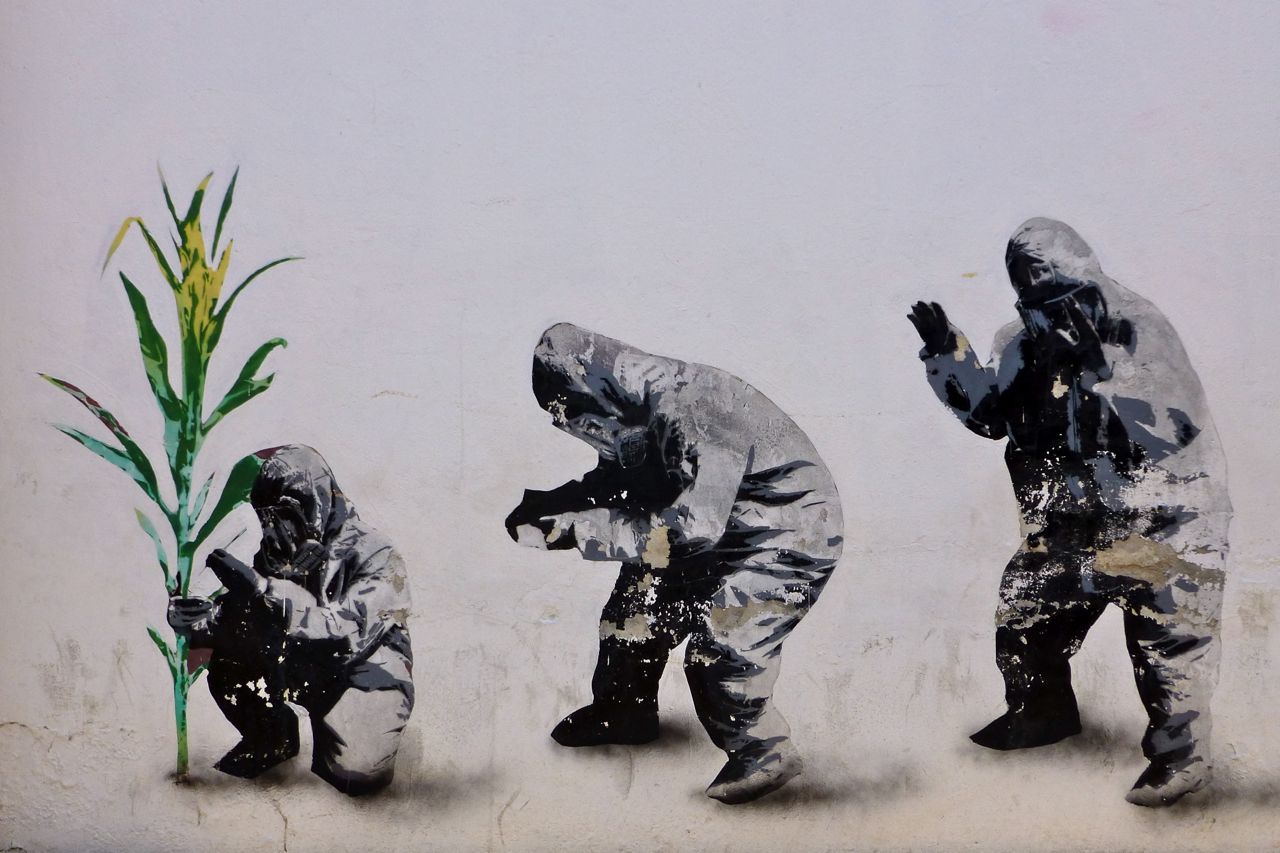
Wall in Oaxaca city.
In a New York Times article two days ago, Carlos Puig explains the reality of the material conditions that have forced the teachers of Oaxaca to take the drastic action of abandoning their classrooms to lead massive and extremely disruptive protests in Mexico City against the “No Child Left Behind” style reforms that the Peña Nieto led government has proposed and passed. (Read a critique of the US education “reform” by Diane Ravitch, former “No Child Left Behind” proponent, here.)
Oaxaca is 500 kilometers from Mexico City, yet the real distance is much bigger. The state’s G.N.P. per capita is one-quarter the average for the country. Oaxaca ranks second-to-last among all states in infrastructure. More than half its population lives in towns of fewer than 2,500 people.
Being a teacher in Oaxaca means sometimes having to travel for an entire day to reach your school in a tiny community, teach for three days — to children of all grades — and travel back home for the weekend. It means having to deal with children who speak more than 20 different dialects.
Being a teacher in Oaxaca means operating in a different universe — and under different rules.
Banner hanging in front of a school in Oaxaca city
However, as in the USA, the incomprehensible words coming out of the mouths of the 1% and their elected representatives are mind-boggling in their obliviousness to the adverse consequences their behavior and policies cause. And, we scratch our heads in amazement… McClatchy journalist, Tim Johnson, has repeatedly blogged about the exceedingly “bad” behavior exhibited by Mexico City’s rich and powerful directed at those they consider “below” them — most recently, Las Ladies, episode 7. And, just last week in Oaxaca, most were aghast to read that an indigenous woman, in the advanced stage of labor, was turned away from a hospital and forced to give birth on the hospital lawn.
Daniel Goleman had a revealing piece in the New York Times a few days ago that helps explain where this lack of empathy the ruling elite exhibit, that results in callous social policy, comes from. He explains in Rich People Just Care Less that, by necessity, “the poor, compared with the wealthy, have keenly attuned interpersonal attention in all directions…” And that, “A growing body of recent research shows that people with the most social power pay scant attention to those with little such power” and, “In politics, readily dismissing inconvenient people can easily extend to dismissing inconvenient truths about them.”
Okay, now we know why the rich care less, so what are we going to do about it?
Part of a mural on Niños Heroes in Oaxaca city.
Share this:
Read Full Post »