As an op-ed by Andrew Thayer and published in the New York Times explained (to those of us who had forgotten or never knew), there were two processions that entered Jerusalem on the first Palm Sunday.
From the west came Pontius Pilate, the Roman governor, riding a warhorse and flanked by armed soldiers bedecked in the full pageantry of an oppressive empire. Every year during Passover, a Jewish festival celebrating liberation from Egyptian oppression and slavery, Pilate entered Jerusalem to suppress any unrest set off by that memory.
His arrival wasn’t ceremonial; it was tactical — a calculated show of force, what the Pentagon might now call “shock and awe.” It displayed not only Rome’s power but also Rome’s theology. Caesar was not just the emperor; he was deified and called “Son of a God” on coins and inscriptions. His rule was absolute, and the peace it promised came through coercion, domination and the threat of violence.
From the opposite direction, both literally and figuratively, came Jesus’ procession.

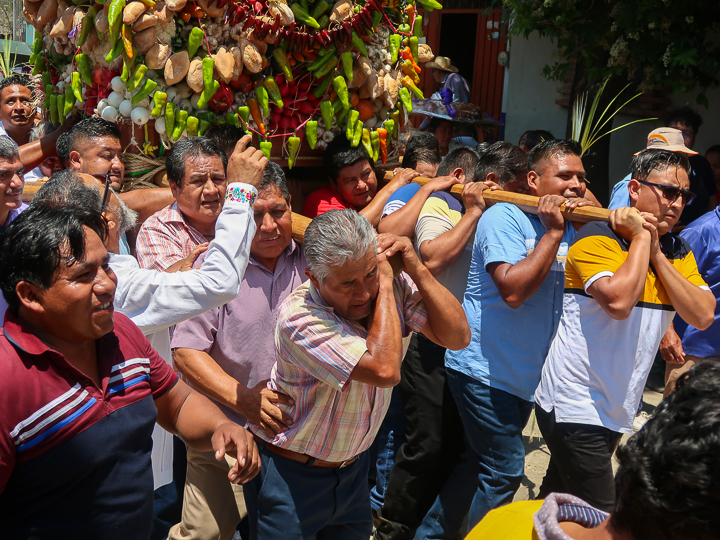
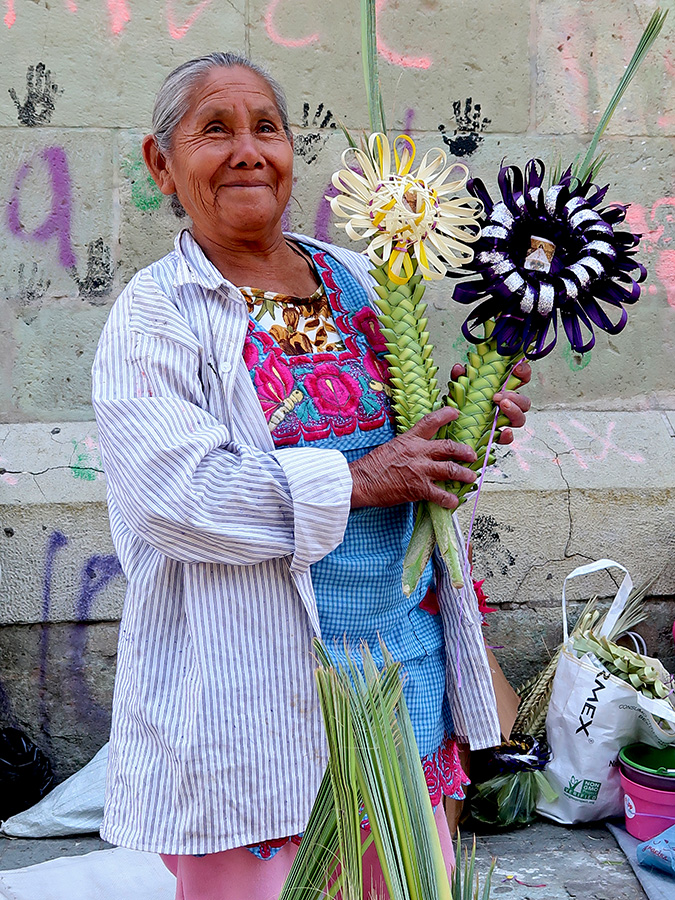
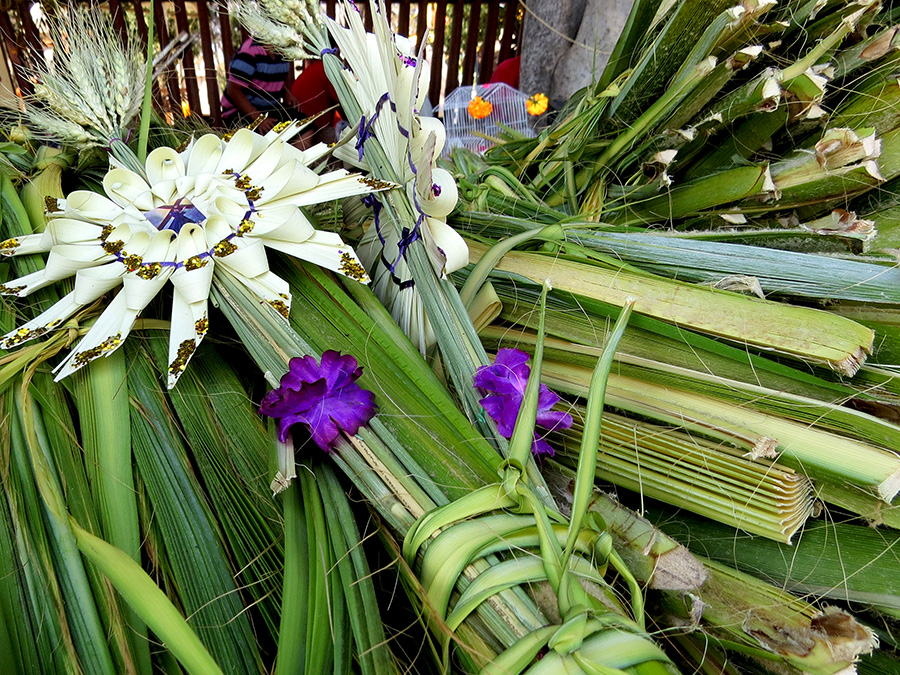
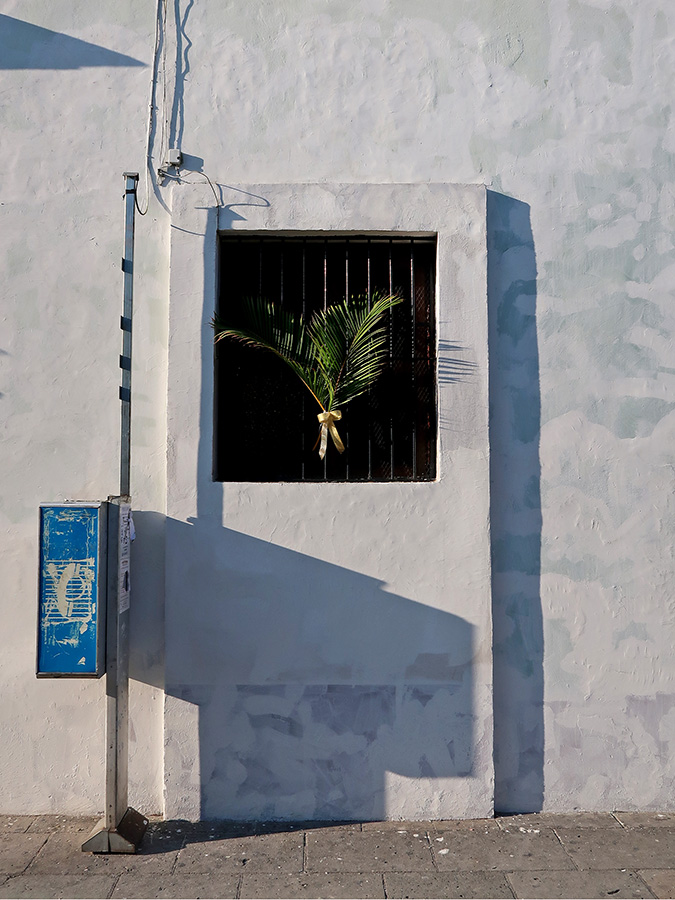
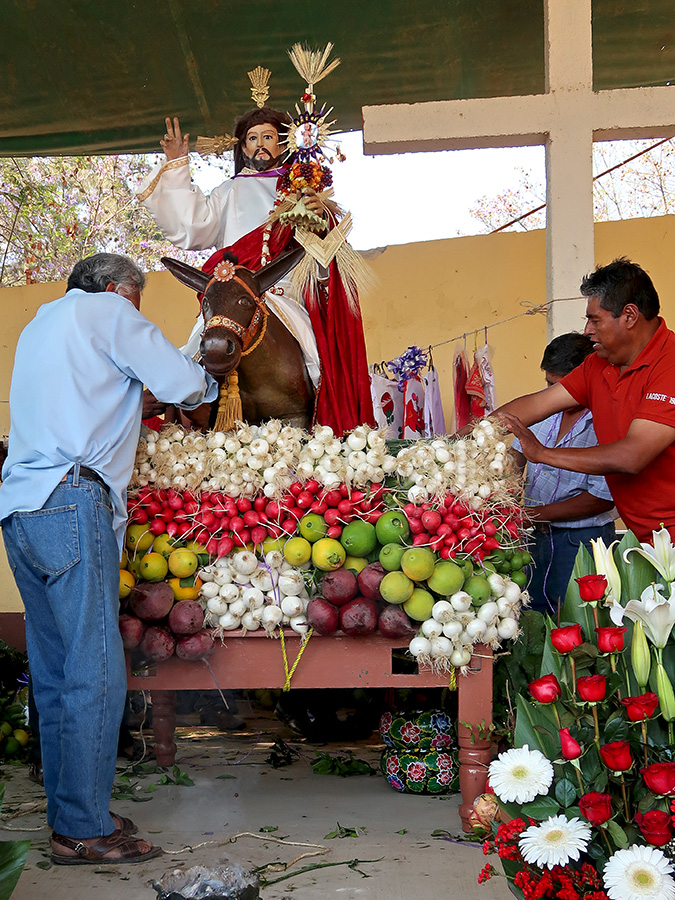
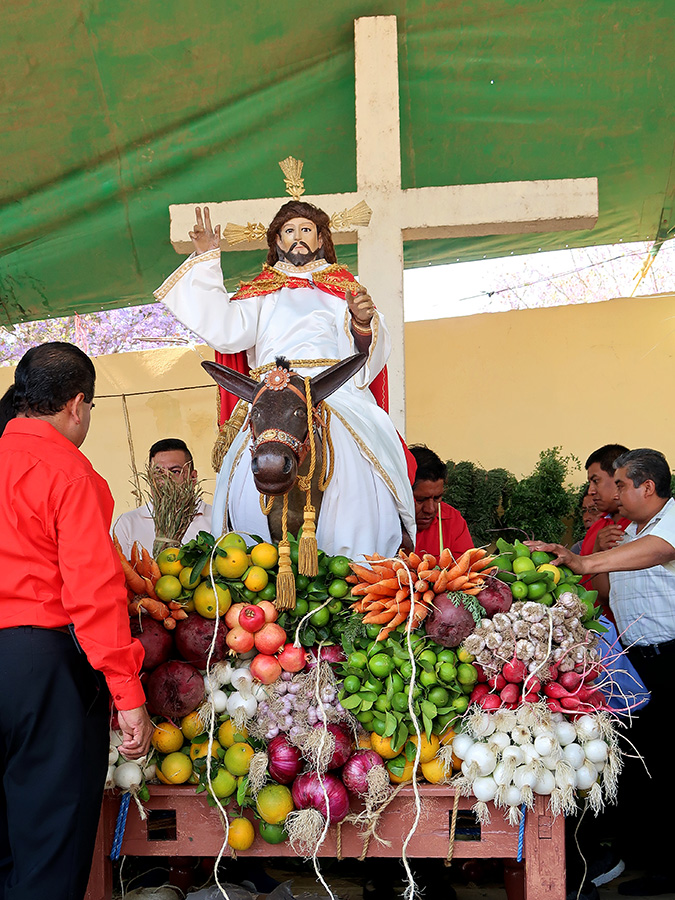
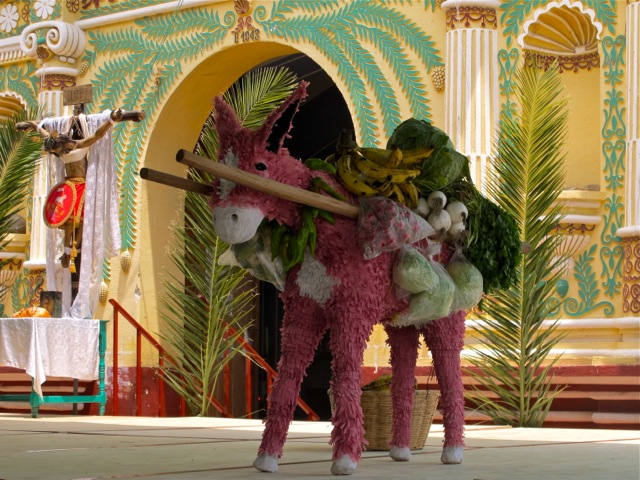
Jesus entered the city not on a warhorse but on a donkey, not with battalions but with beggars. His followers were peasants, fishermen, women and children — people without standing or status. They waved palm branches — symbols of Jewish resistance to occupation since the Maccabean revolt — and cried out “Hosanna!” which means “Save us.” Save us from a system of oppression disguised as order. Save us from those who tacitly endorse greed with pious language and prayers.

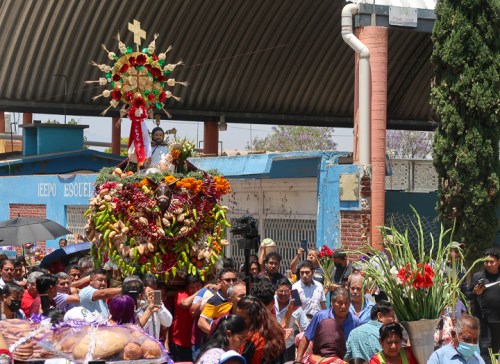
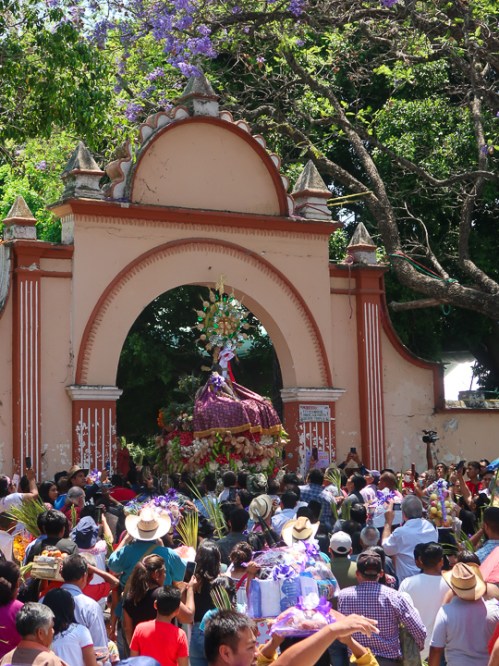
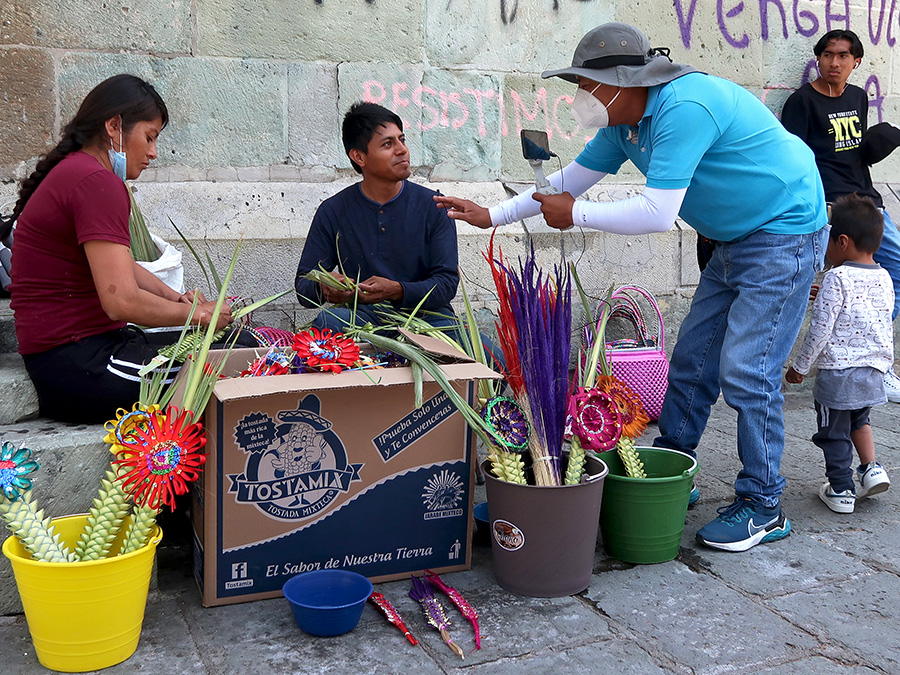
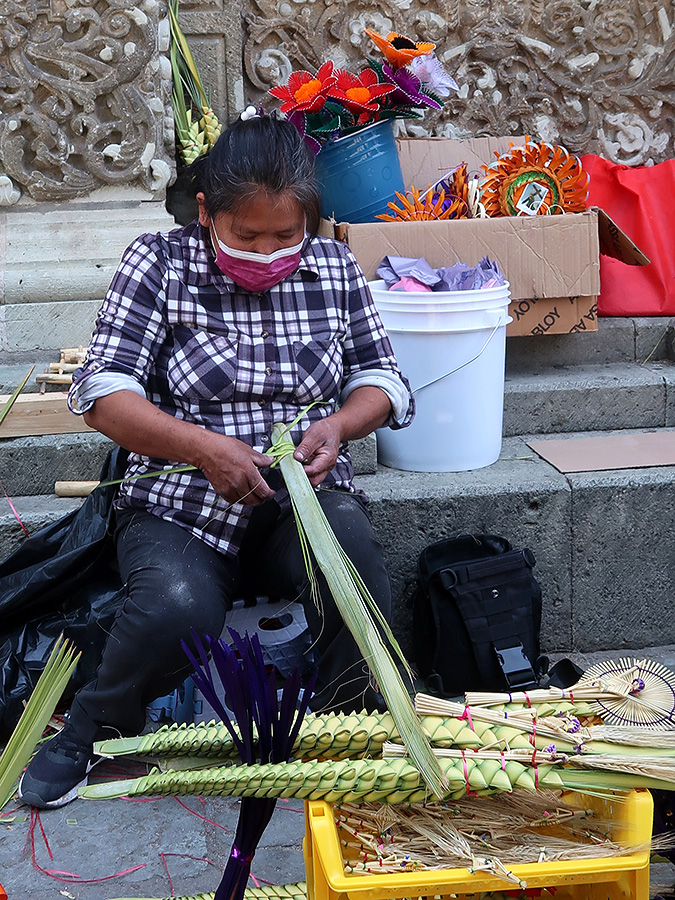
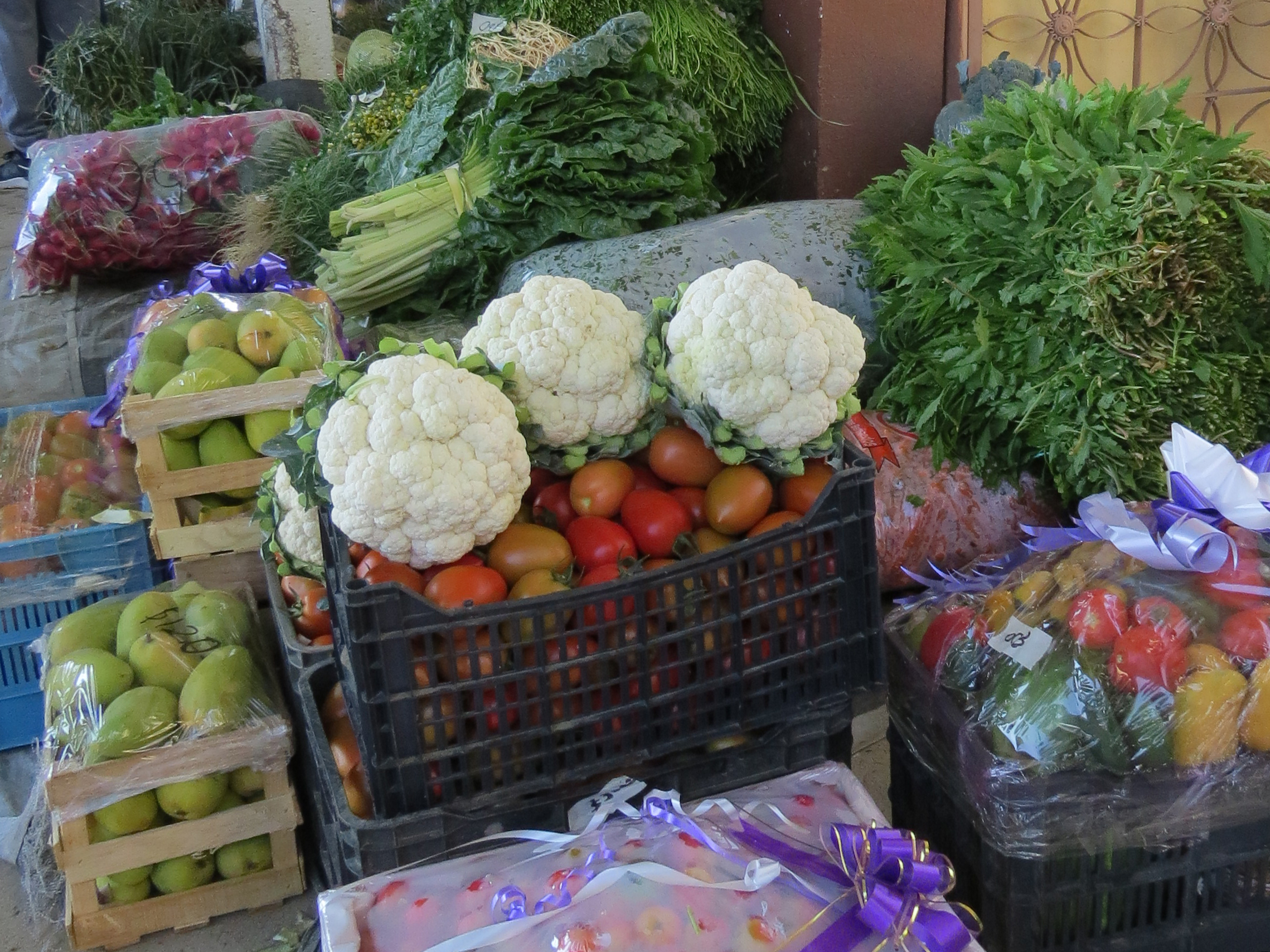
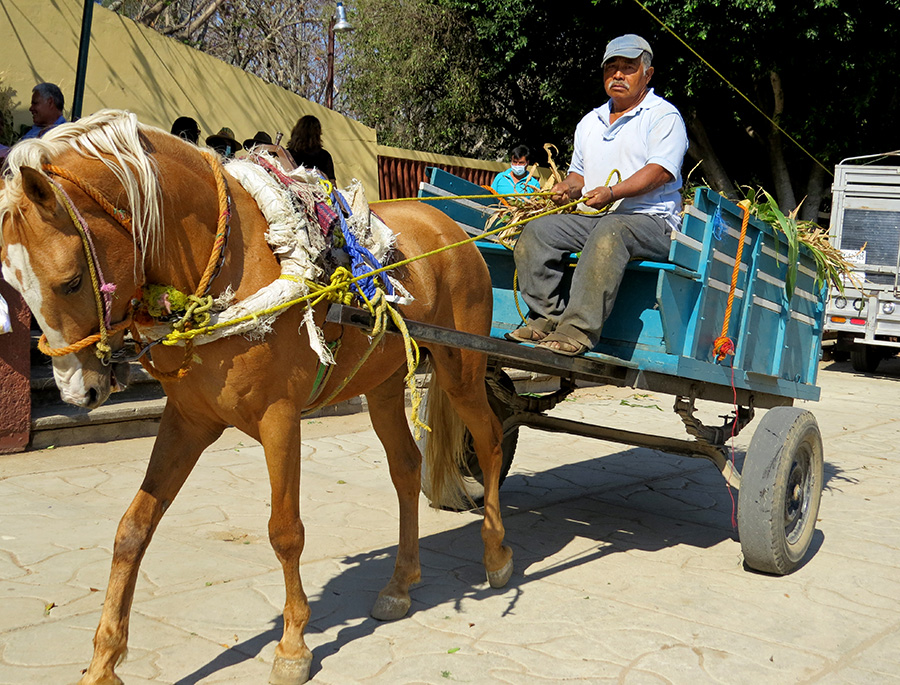
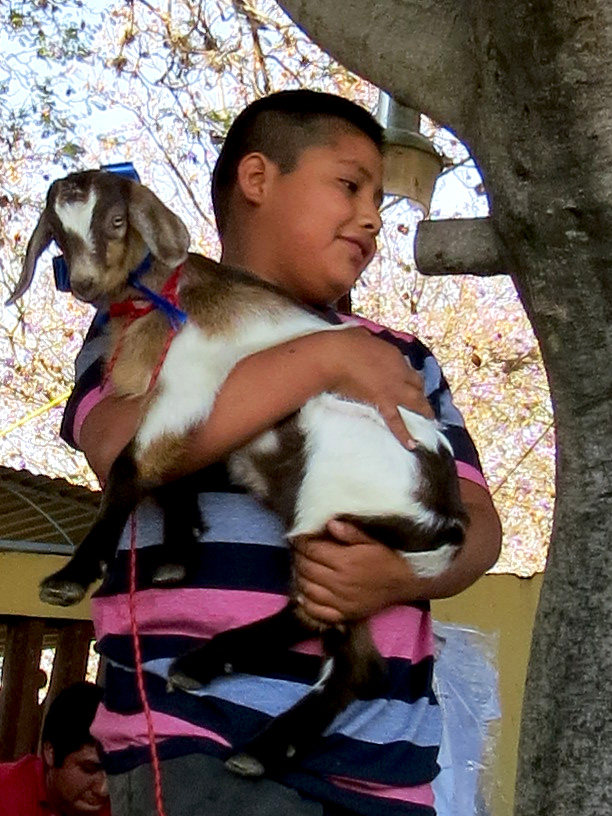
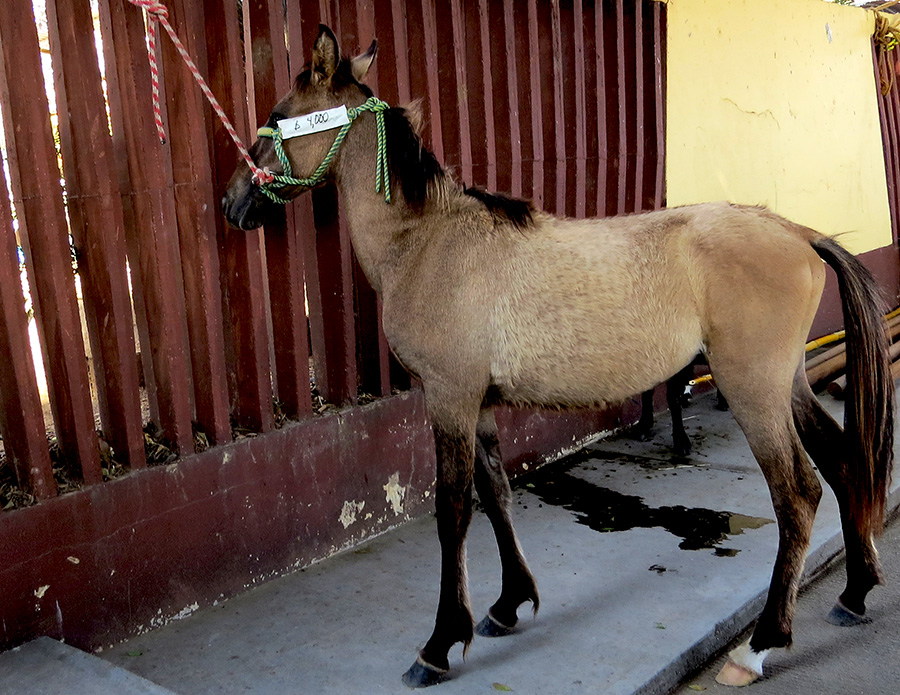
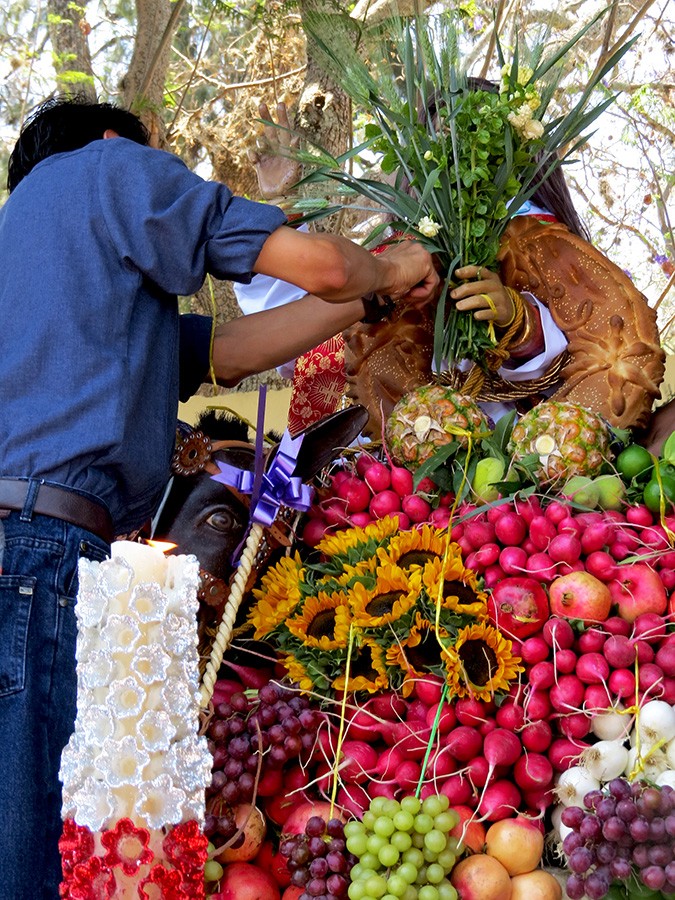
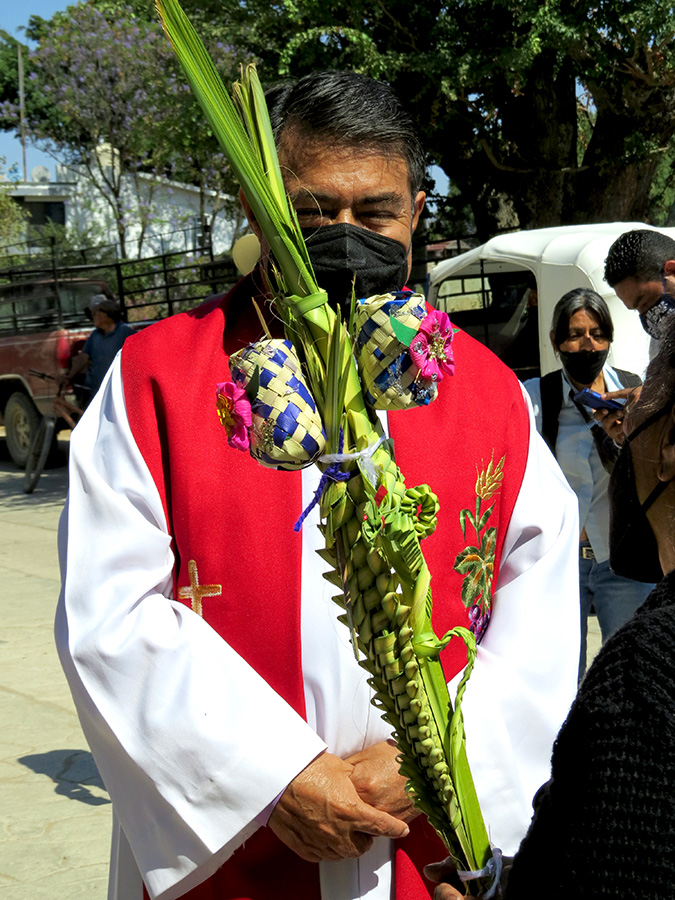
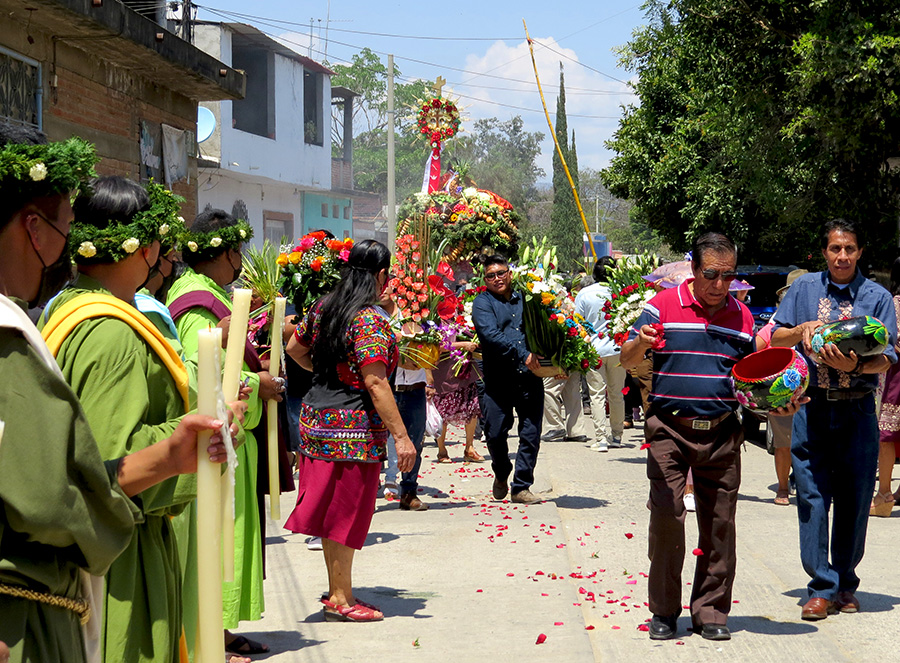
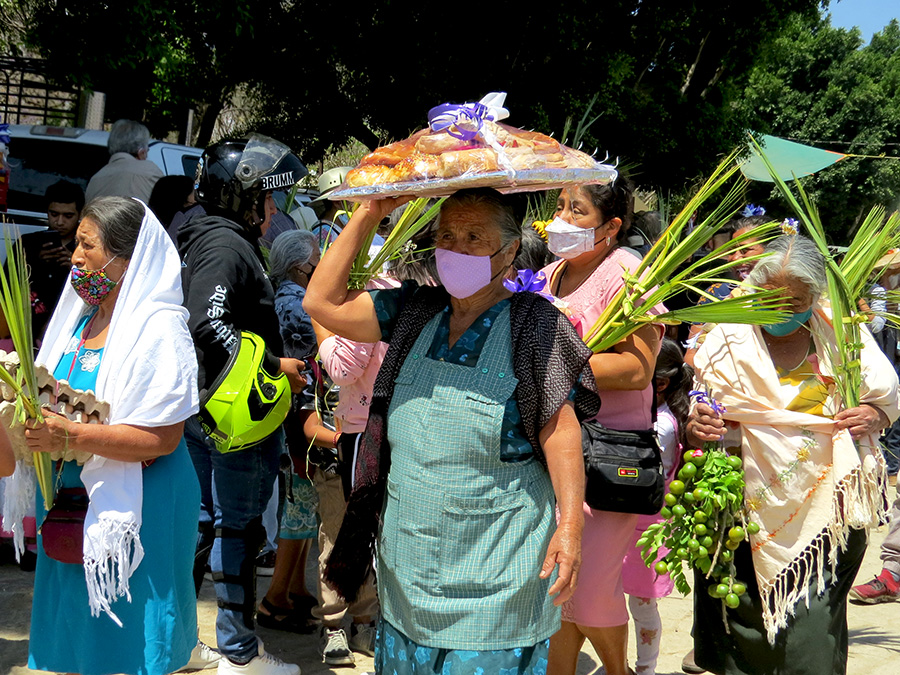
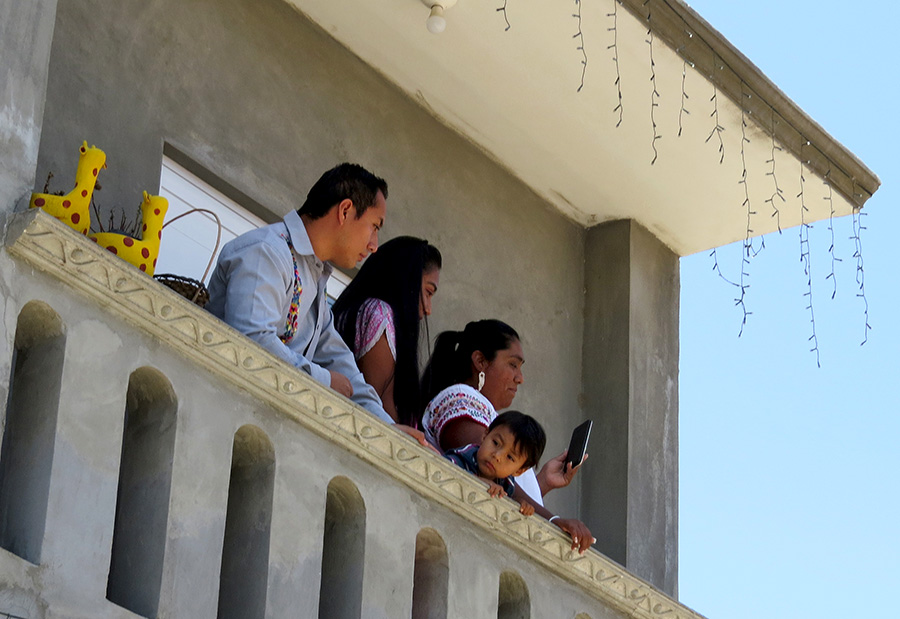
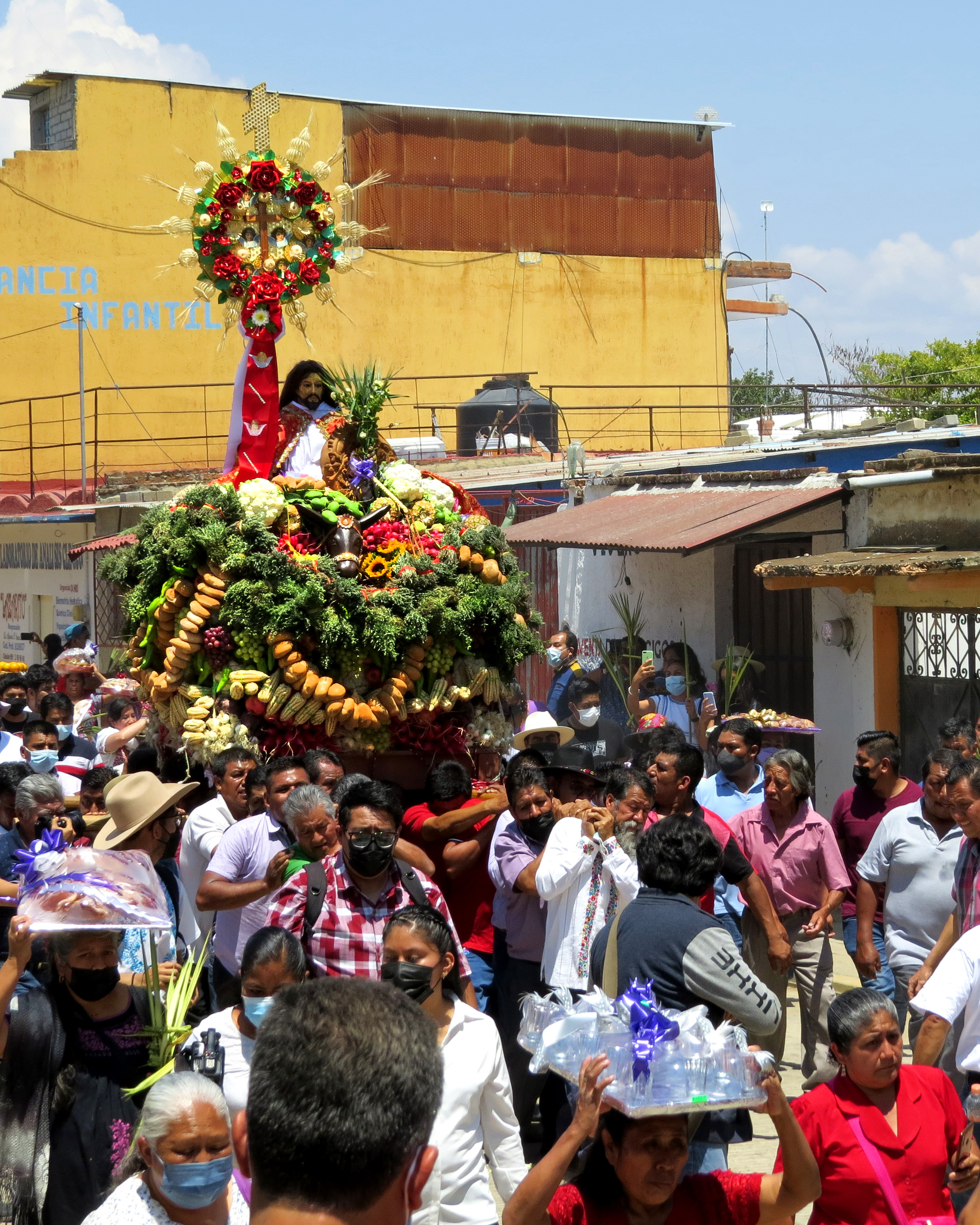
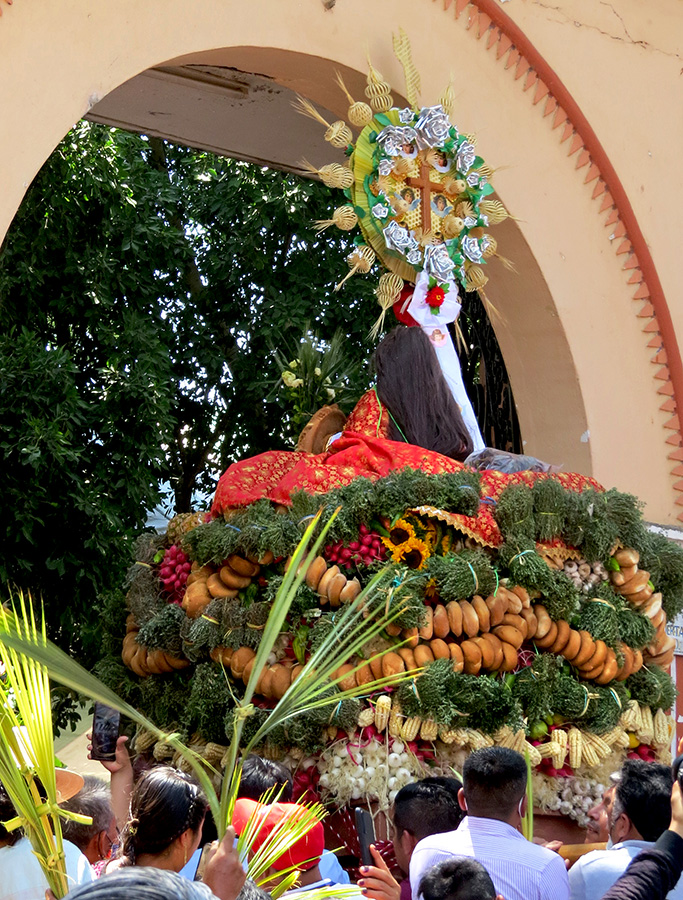
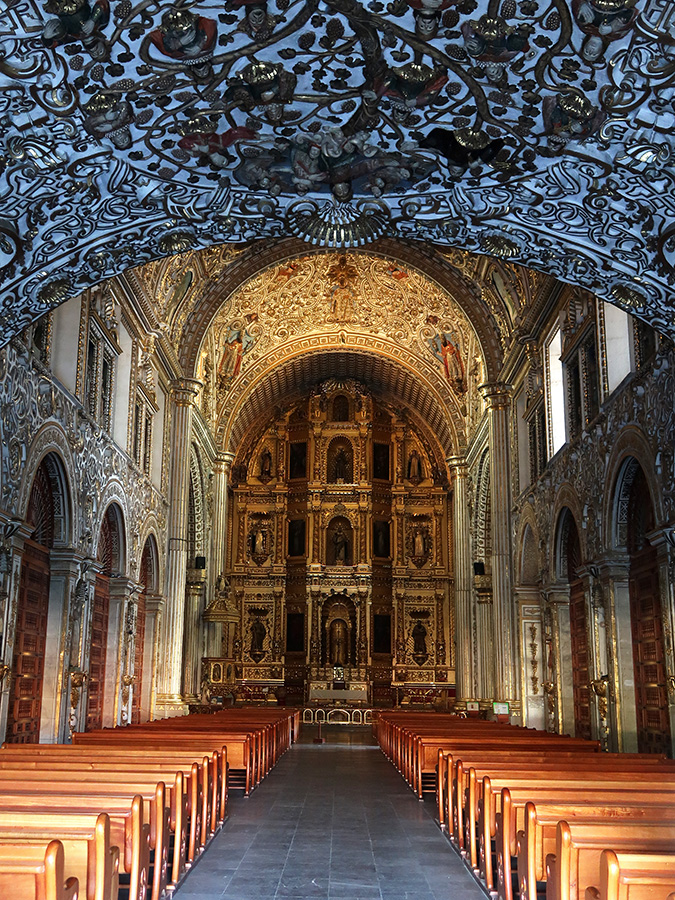
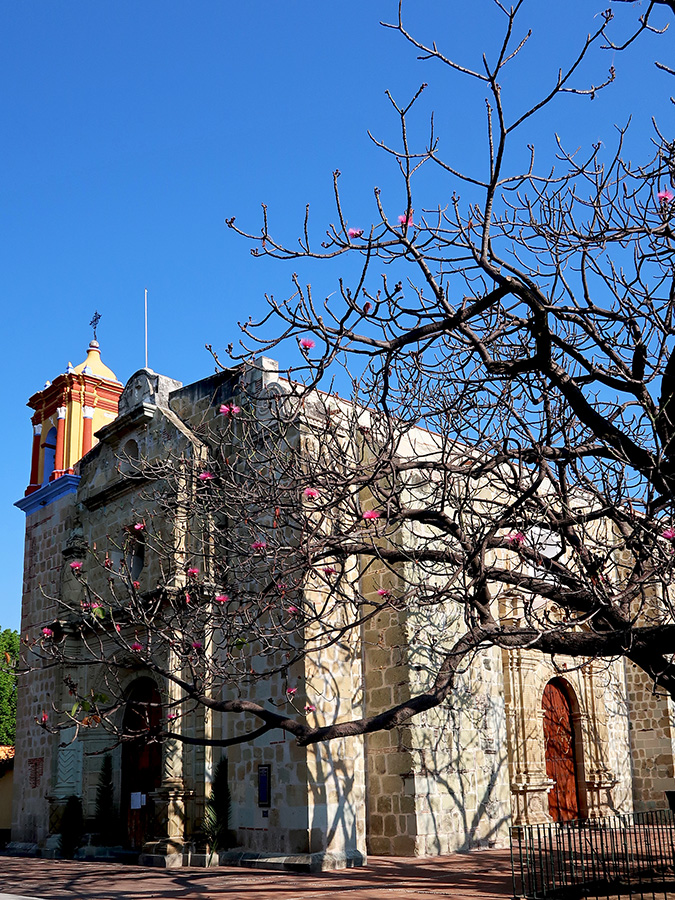
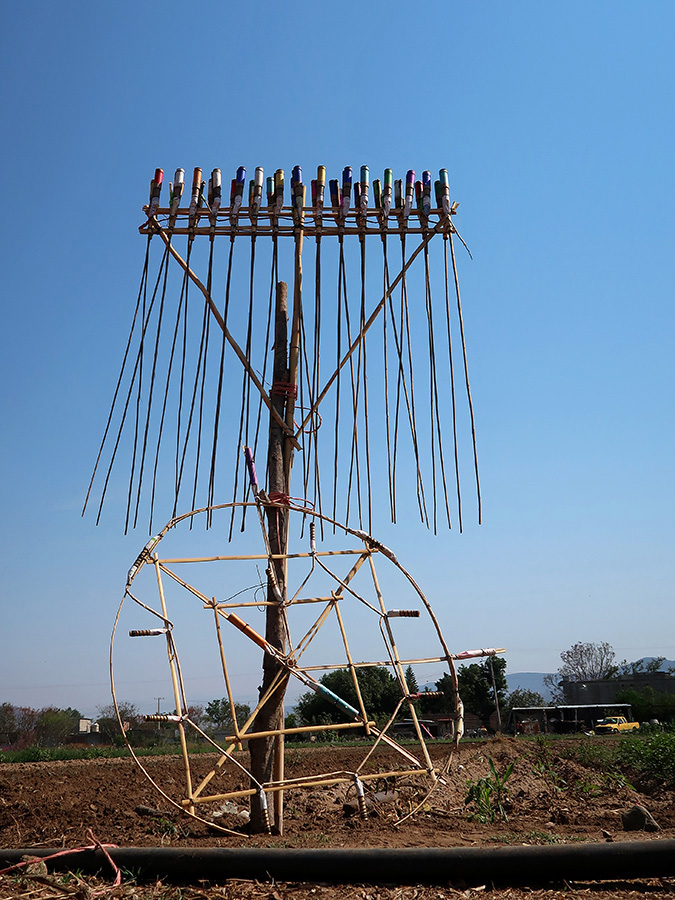
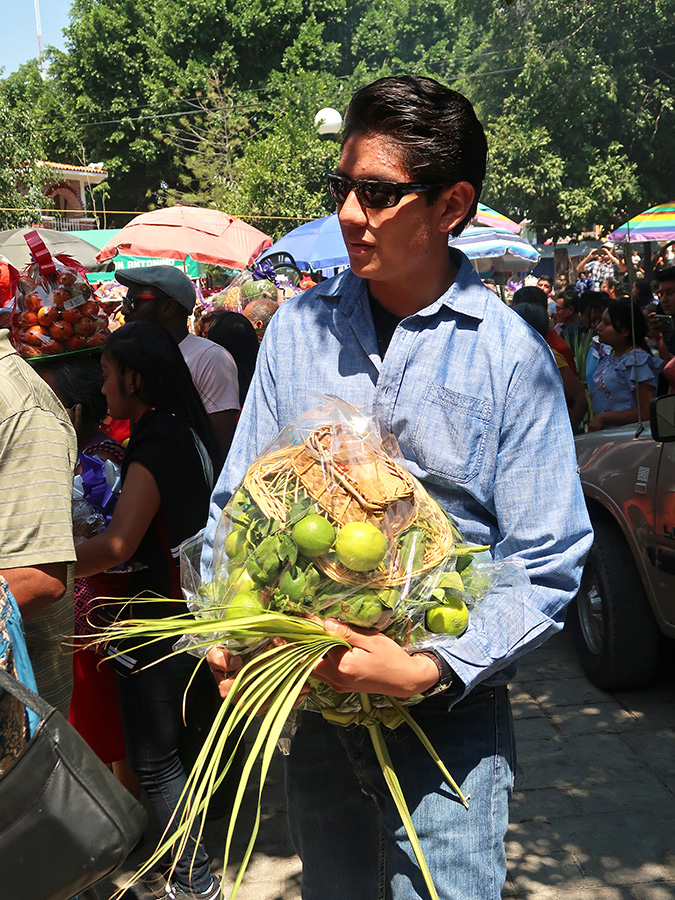
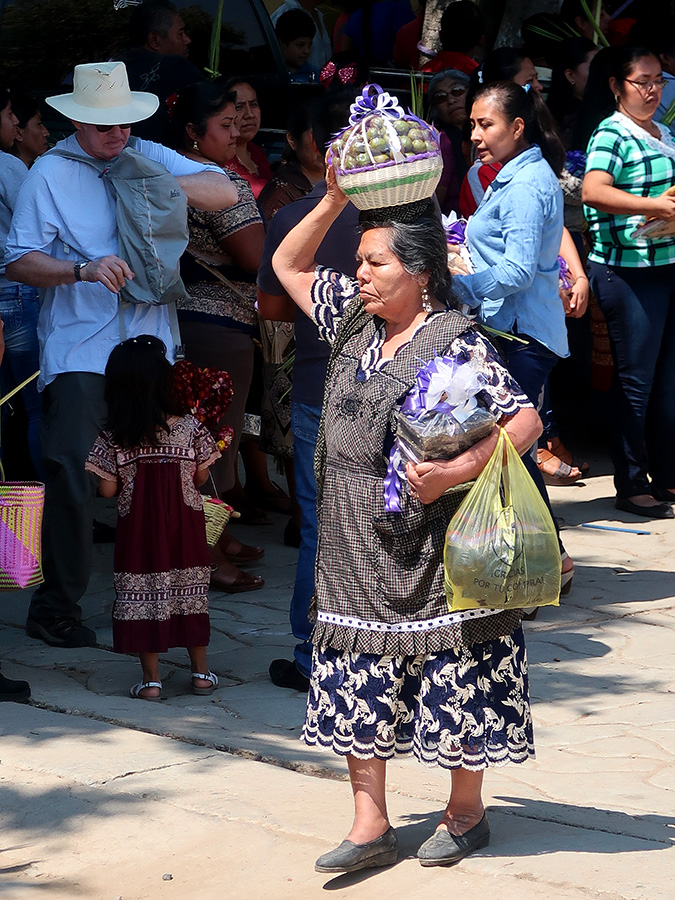
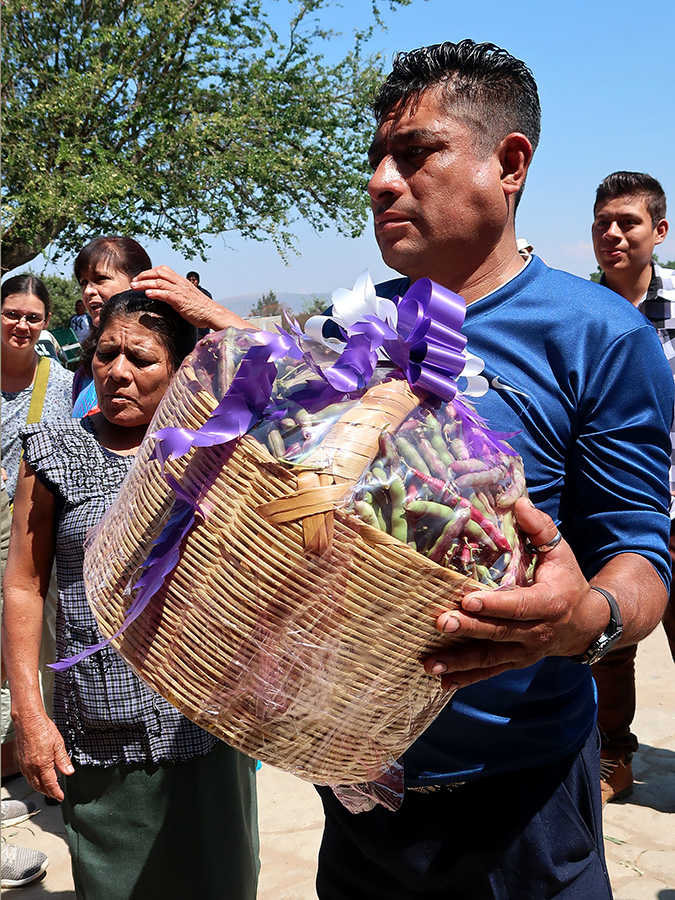
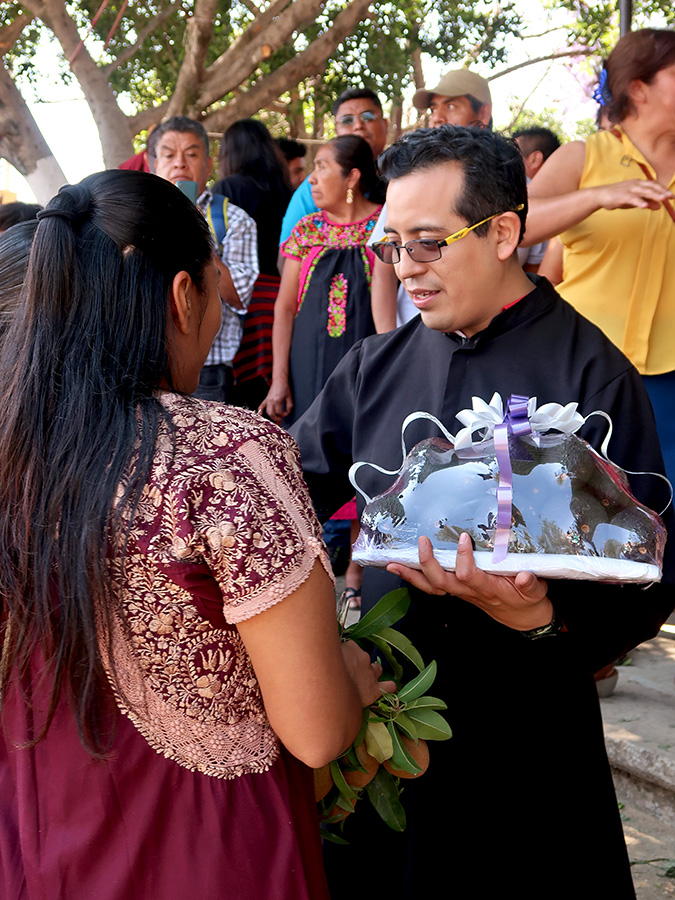
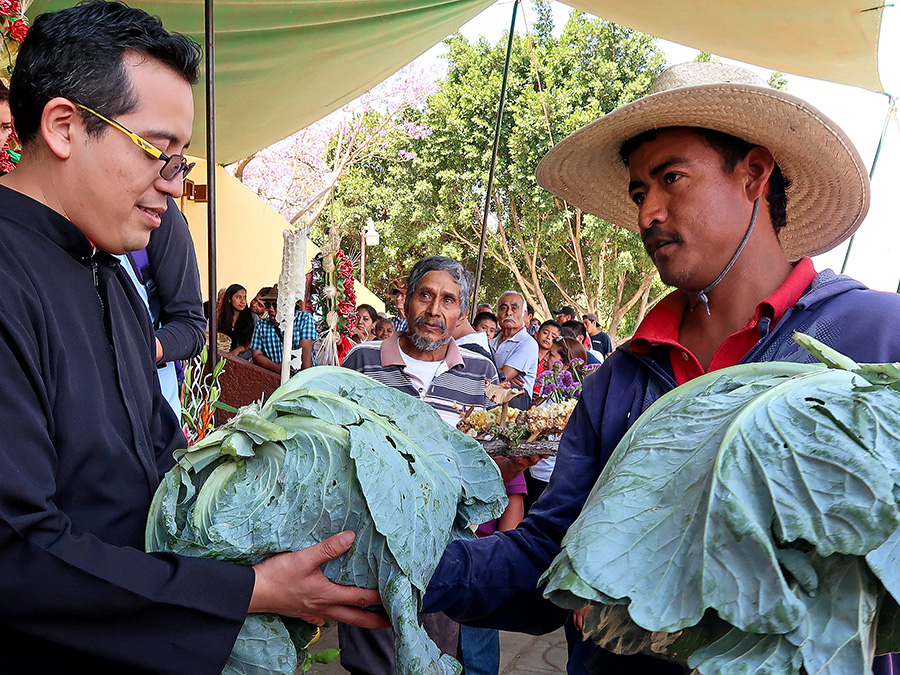
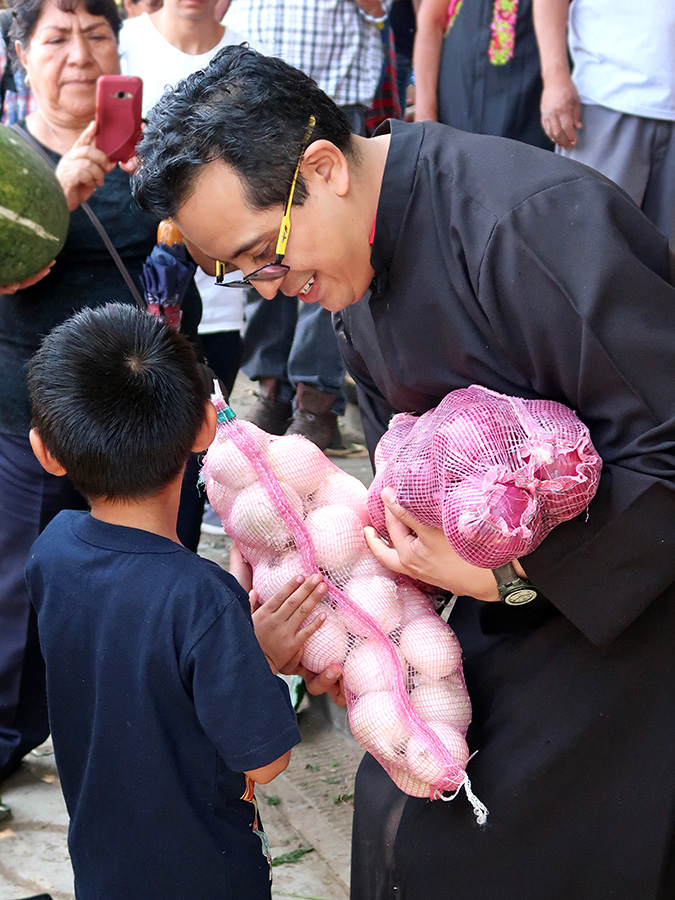
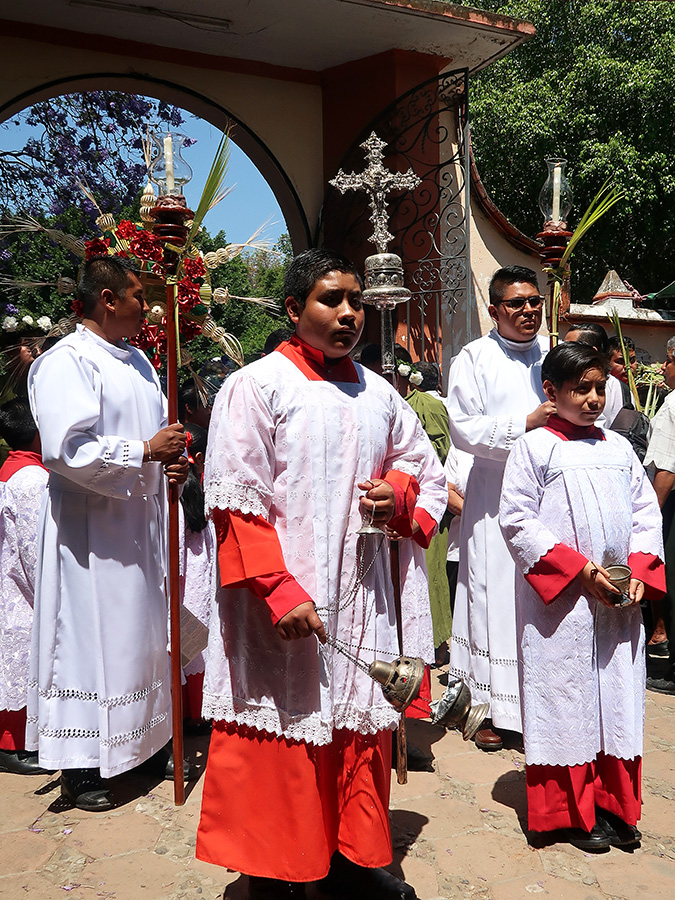
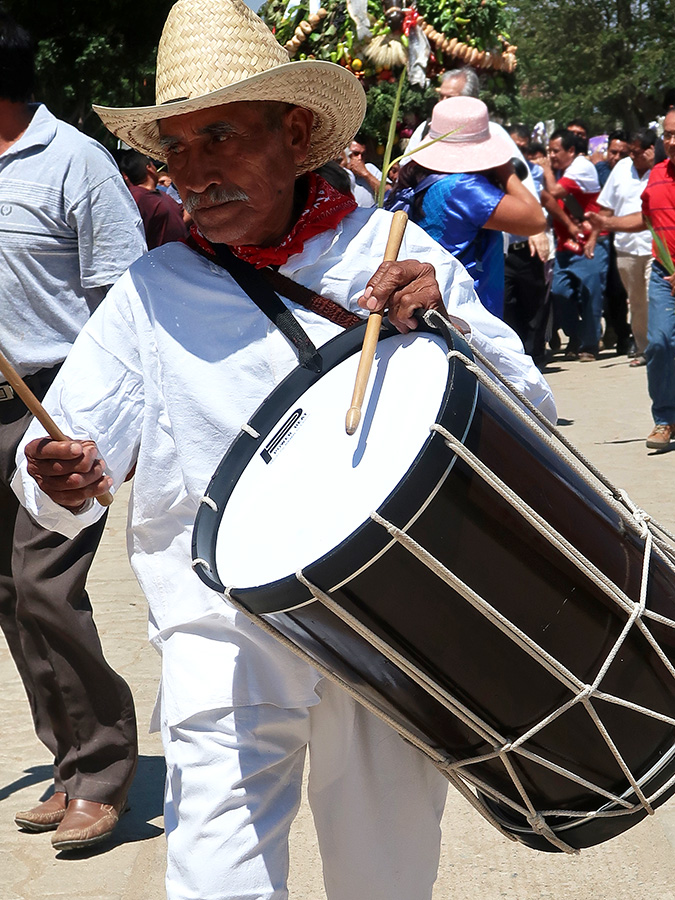
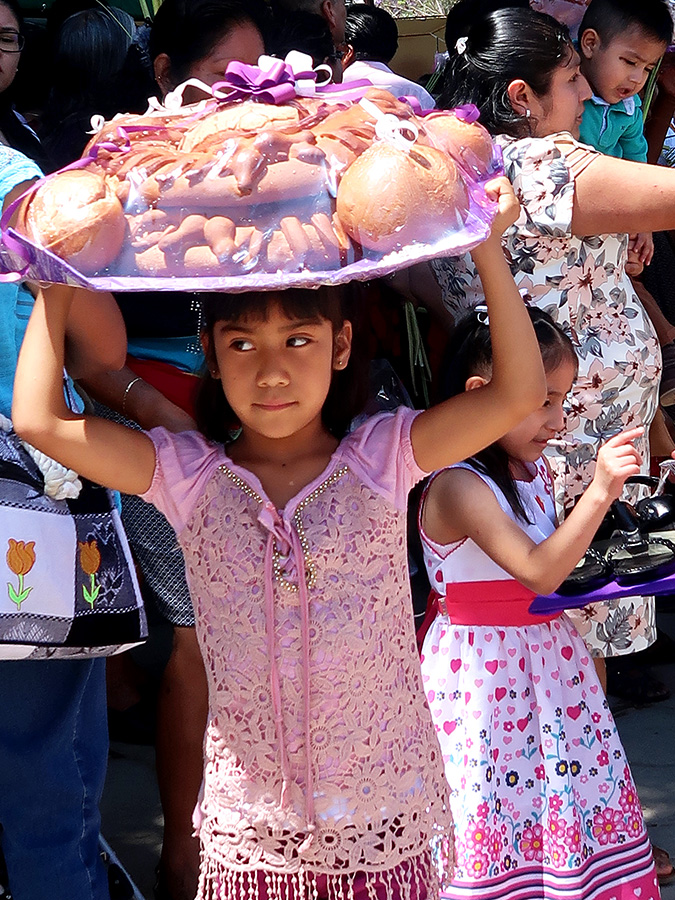
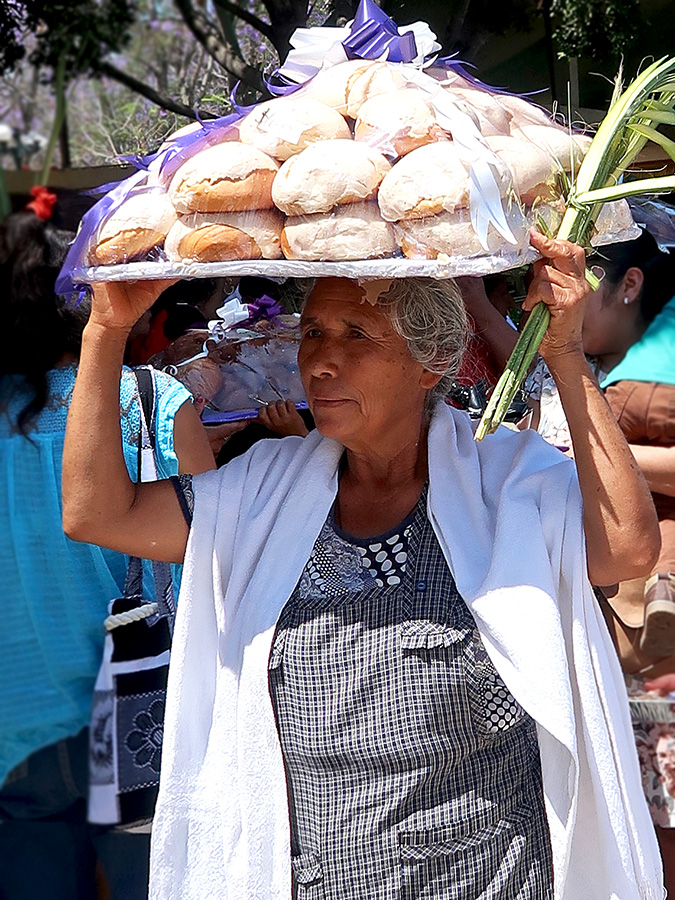
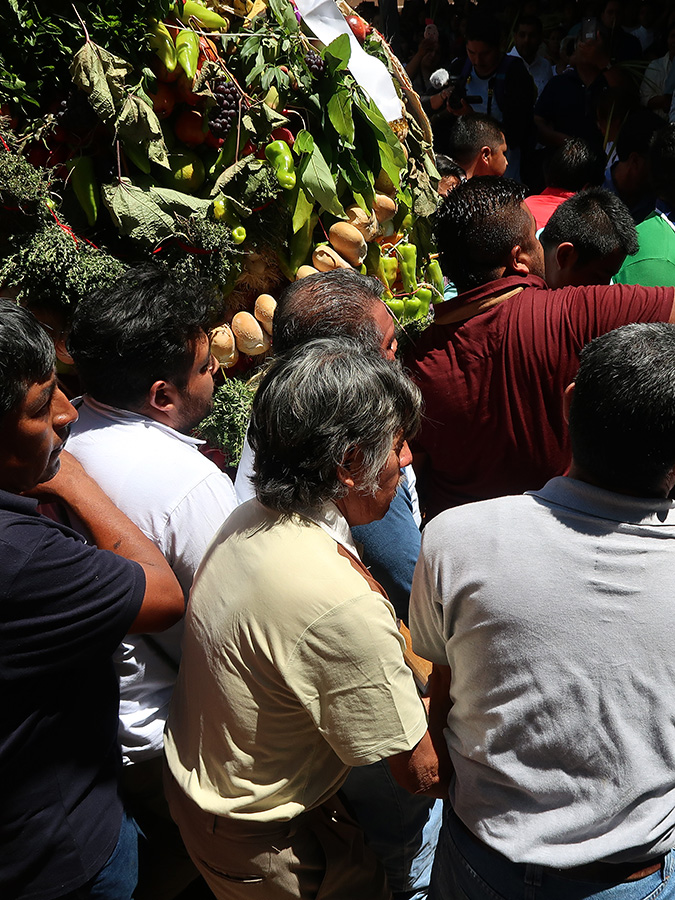
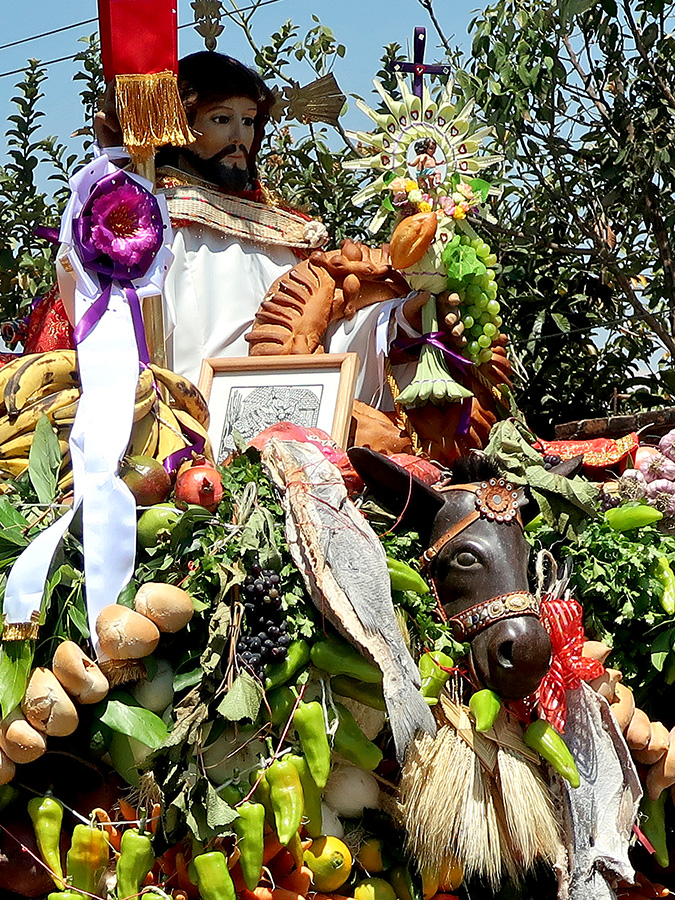
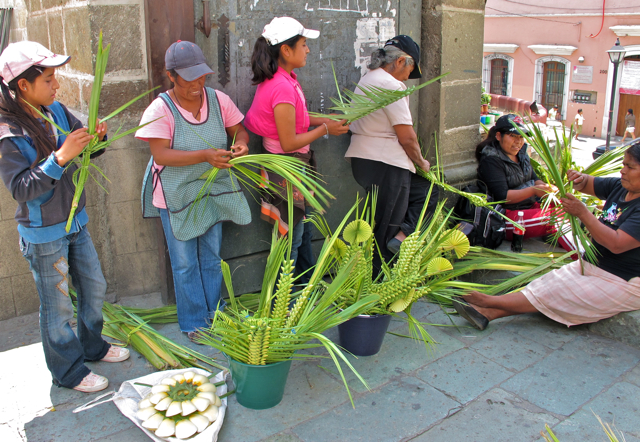
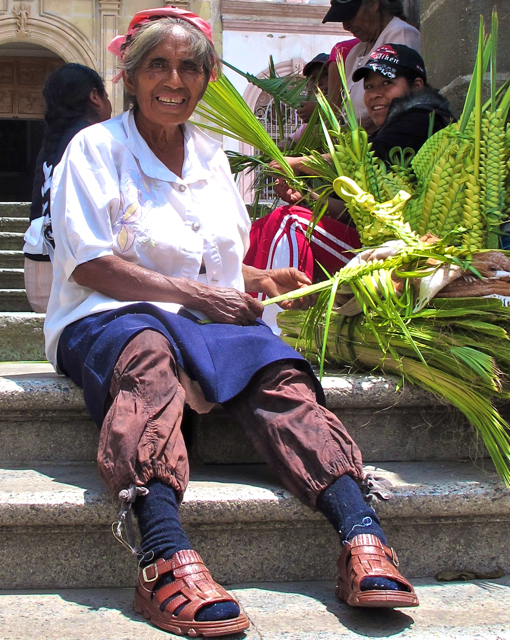
Year-after-year, despite the challenges of life, on Palm Sunday I have been uplifted by the warmth, generosity and devotion of the people of San Antonino Castillo Velasco. Alas, it’s been two years since I have had this privilege and must content myself with looking through my photos from 2023.



































 Mexican Peso Converter

 View From Casita Colibrí
