Feeds:
Posts
Comments

Posts Tagged ‘flowers’

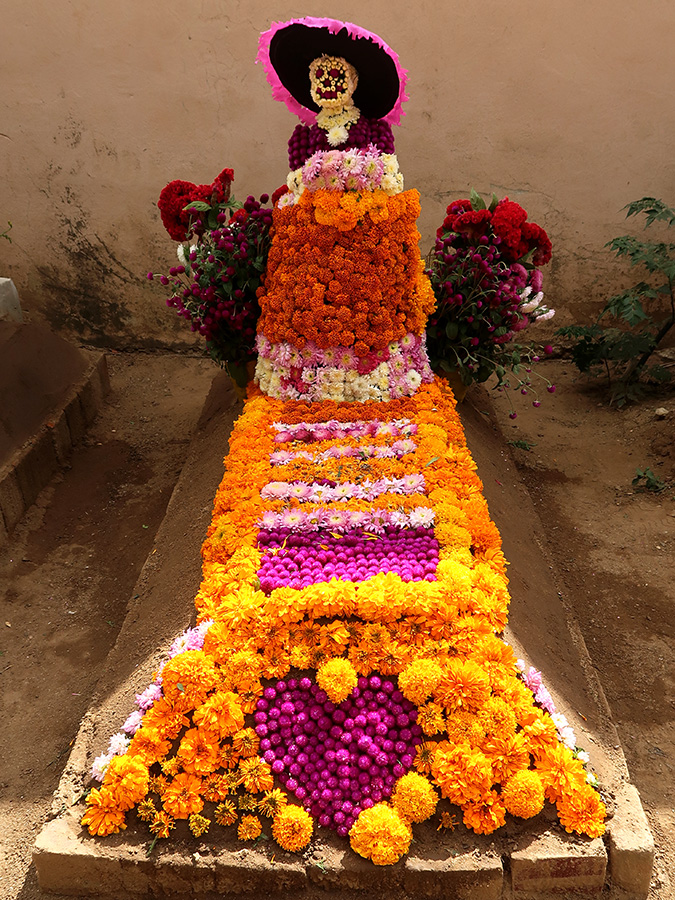
On November 3rd, K and I headed to San Antonino Castillo Velasco — a Zapotec community 24 miles south of Oaxaca city. It is a village known for growing flowers and for the floral embroidery decorating its traditional blouses and dresses. 
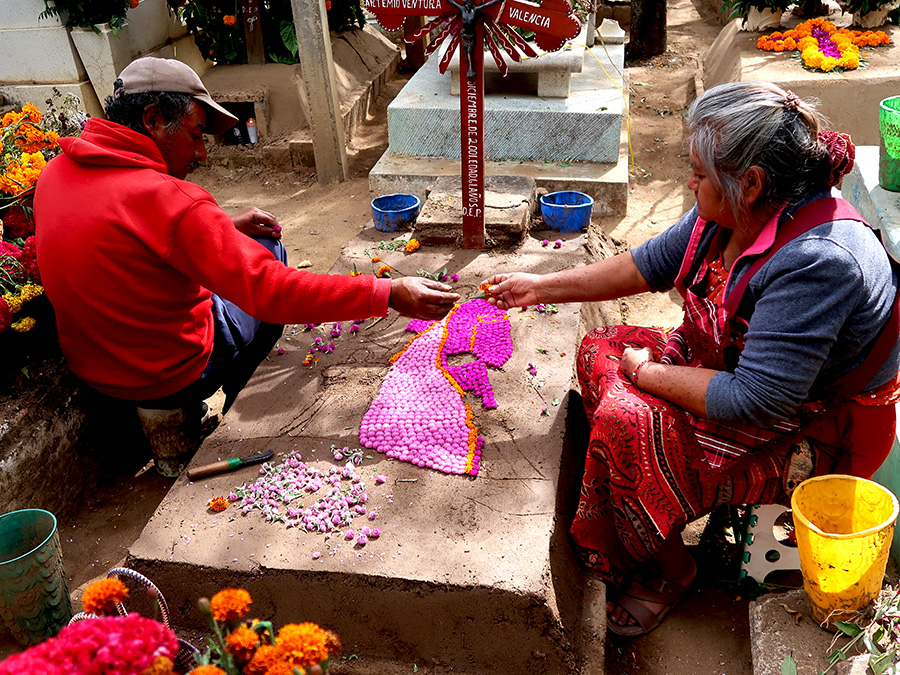
Their difuntos (departed souls) understand their families are busy providing flowers for altars and tombs in the surrounding villages in the valley and wait until November 3-4 to return and spend time with their living loved ones. Because floral design plays such an important role in the traditions and commerce of the village, it is carried over to the elaborate decorating of the tombs in the panteón (cemetery).

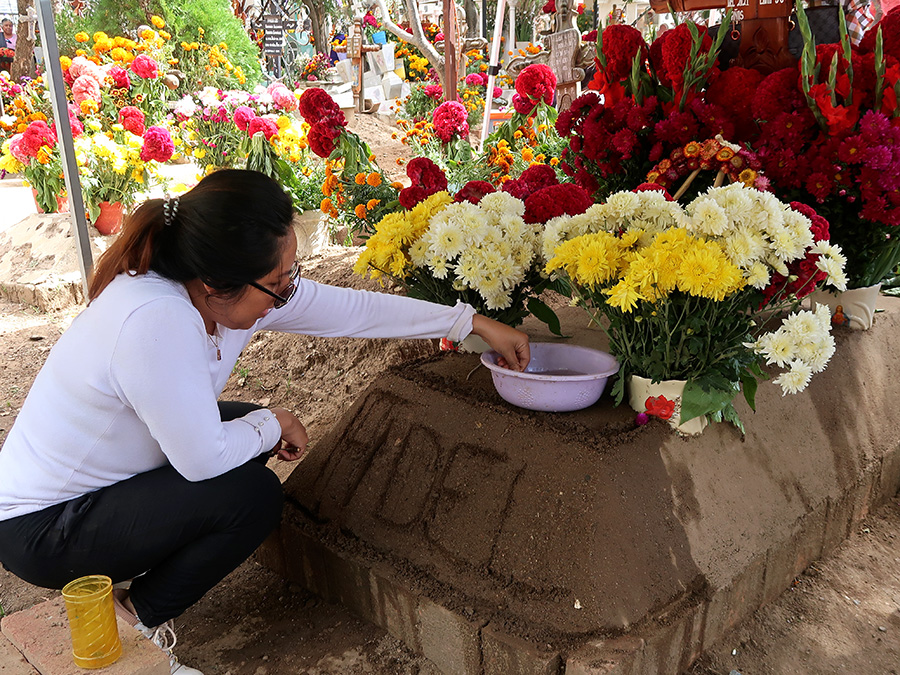
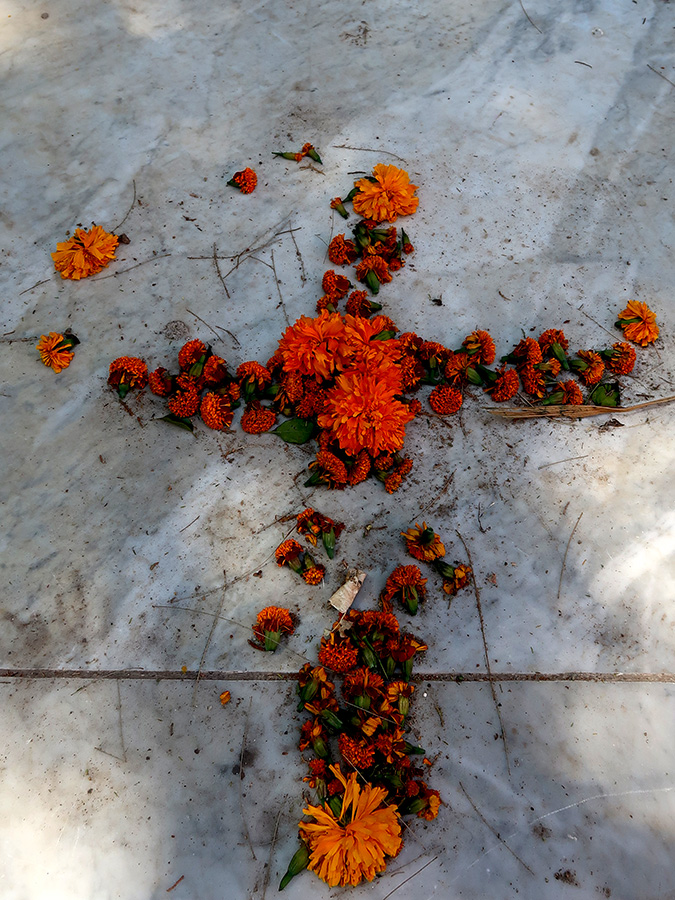
One of the flowers grown is the “flor inmortal” (immortal flower), so named because, even when dried, it retains its brilliant colors. Artisans in the village use these flowers to create intricately designed figures on display December 23 in the city of Oaxaca during Noche de Rábanos and to decorate the graves of loved ones during Día de Muertos.
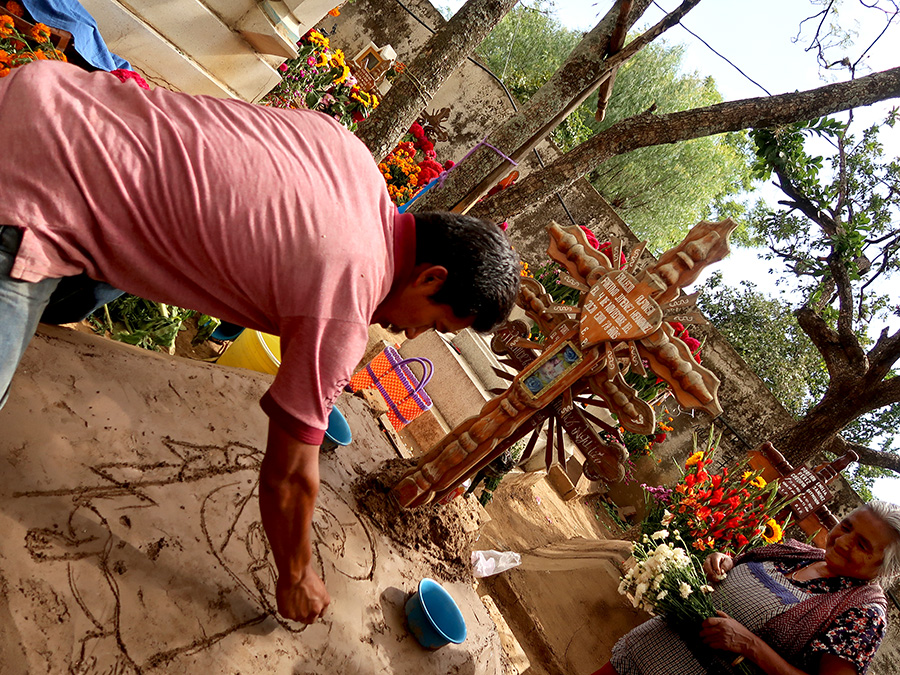
In the cemetery villagers mix the area’s very fine dirt with water, cover the graves with this damp mud, and use a trowel to smooth it. Once dry, they outline designs and religious imagery into this mud canvas and use flowers (fresh and dried) to paint the scene. Entire families are involved — male and female, young and old. It is a labor of love and incredibly moving to behold.

Read Full Post »

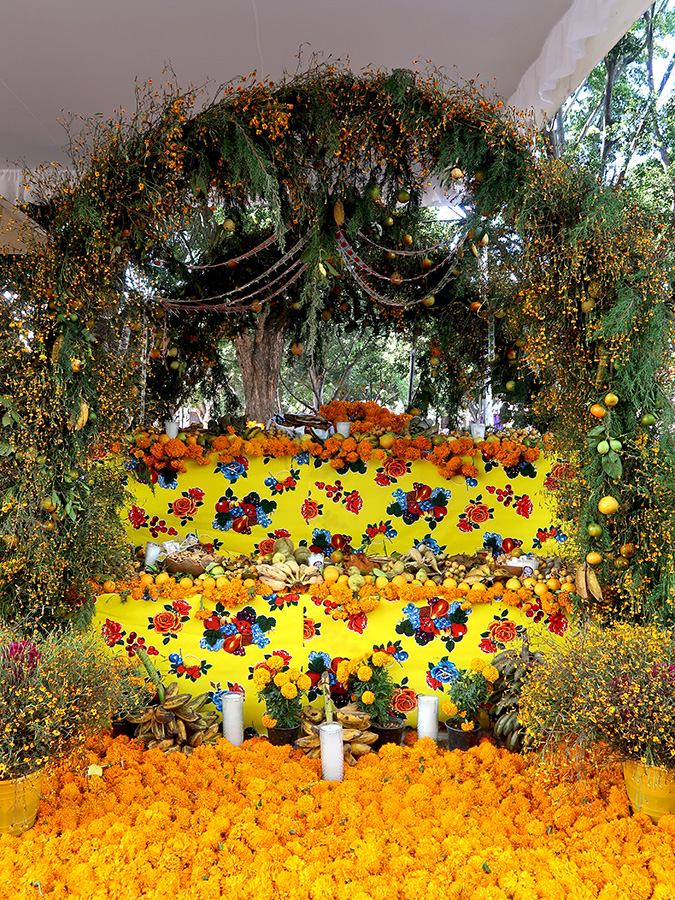
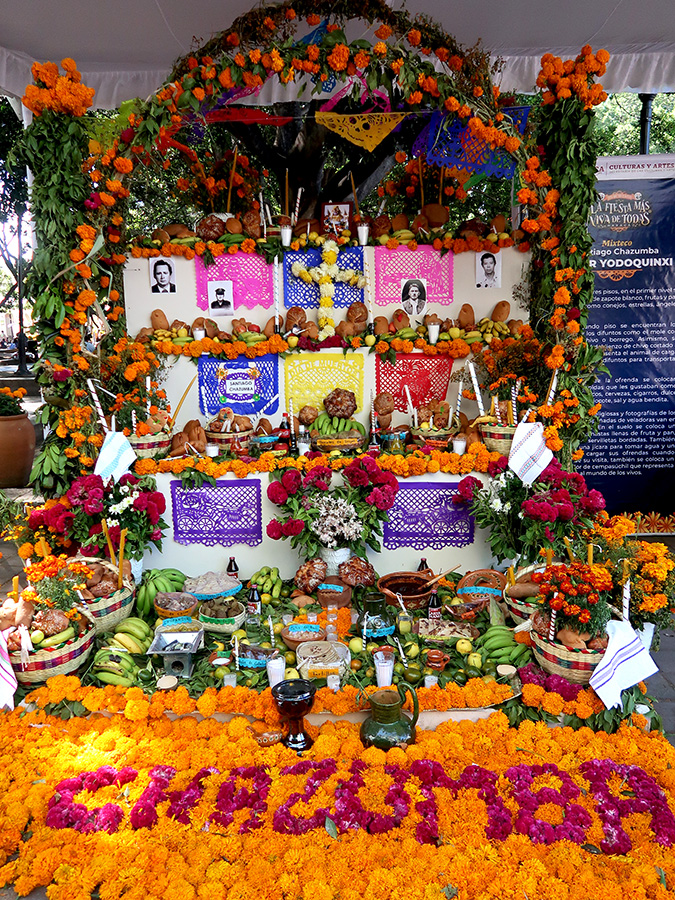
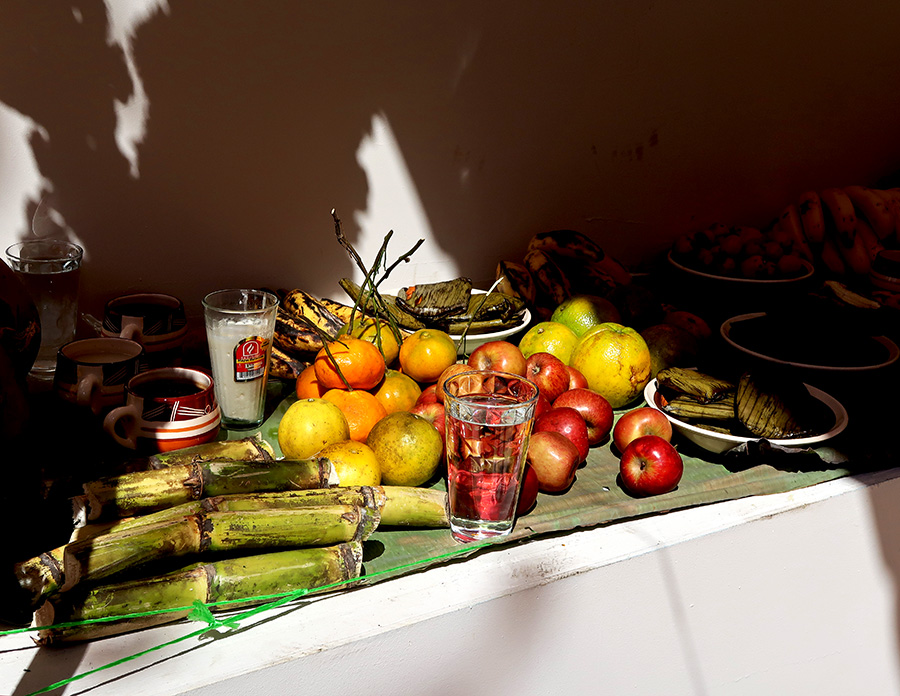
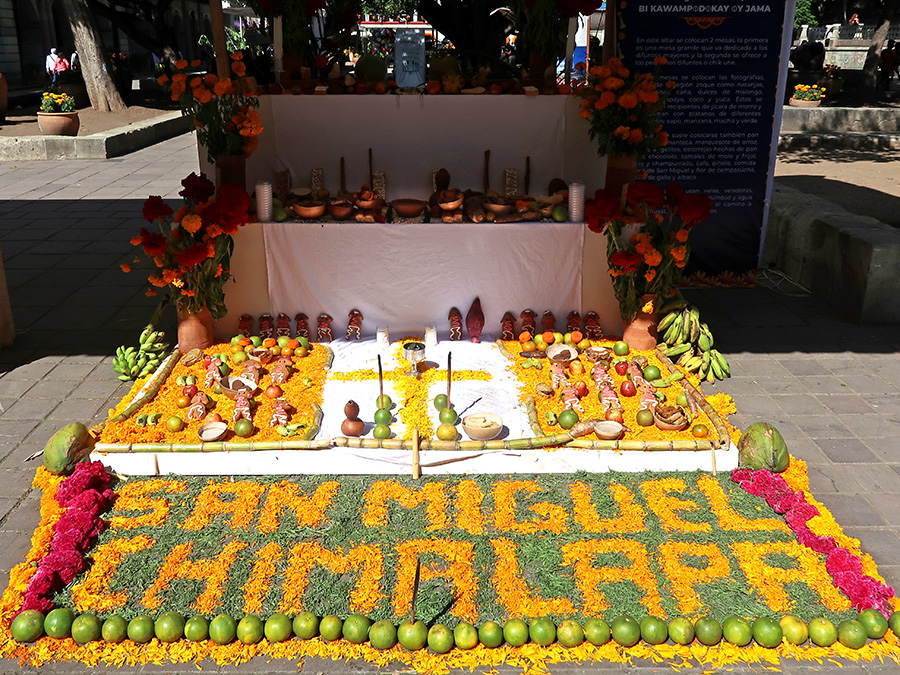
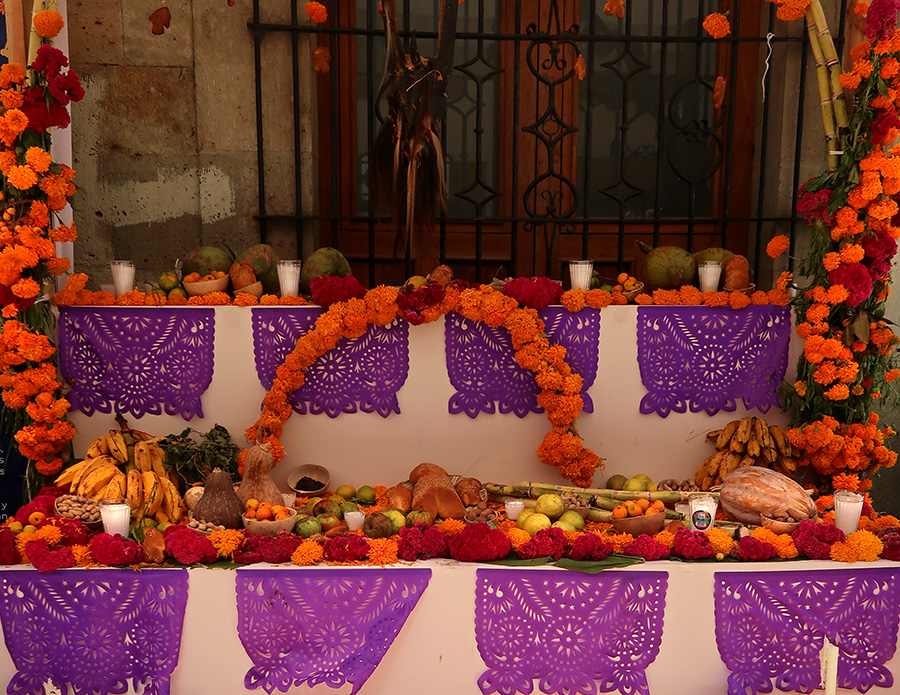
Oaxaca is alive with preparations for Día de Muertos and the Zócalo is filled with altars from her indigenous and Afromexican communities.

Zapoteco – San Melchor Betaza, Oaxaca – Altar Bkog Tse Bene Wat
Náhuatl – Santa María Teopoxco, Oaxaca – Tlamanal-Miquilistle
Cuicateco – San Juan Bautista Cuicatlán, Oaxaca – Altar Cuicateco
Amuzgo – San Pedro Amuzgos, Oaxaca – Altar Ncué Ndó’ Tzjón Noán
Mixe – Santa María Tlahuitoltepec, Oaxaca
Zapoteco – Santo Domingo Tehuantepec, Oaxaca
Mixteco – Villa de Tamazulápam del Progreso, Oaxaca
Mazateco – Huautla de Jiménez, Oaxaca – Altar El Portal
Mixteco – Santiago Chazumba, Oaxaca – Altar Yodoquinxi
Chatino – Santiago Yaitepec, Oaxaca – Mesa de las Ánimas
Mixtecos Ñuu Savi – Santiago Ixtayutla, Oaxaca
Chontal – Santiago Astata, Oaxaca
Zoque – San Miguel Chimalapas, Oaxaca – Bi KawampΦdΦkay Φy Jama
Chinanteco – San Juan Bautista Valle Nacional, Oaxaca – Altar Tradicional Chinanteco
Triqui – San Juan Copala, Oaxaca – Altar Se Inaj Xhi Aj
Mazateco – San Pedro Ixcatlán, Oaxaca – Altar Autóctono
Ikoots – San Mateo del Mar, Oaxaca – Altar De Tikambaj
Pueblos Afromexicanos – Altar de los Pueblos Afromexicanos de la Costa de Oaxaca

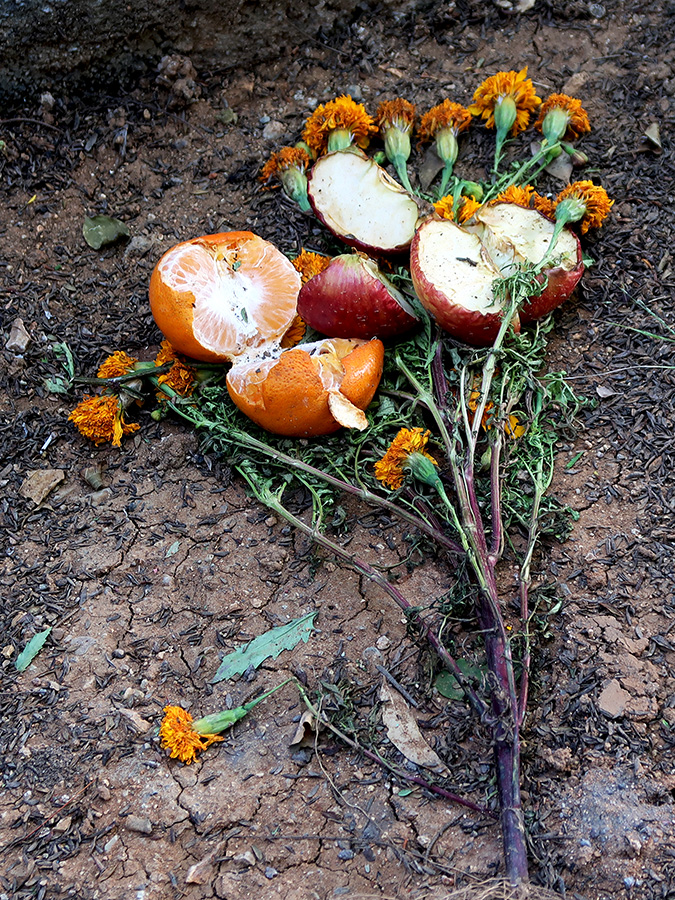
The scent of cempasúchil (marigolds) fills the air and beckons the difuntos (souls of the departed) to eat, drink, and be merry with their living loved ones.

Read Full Post »

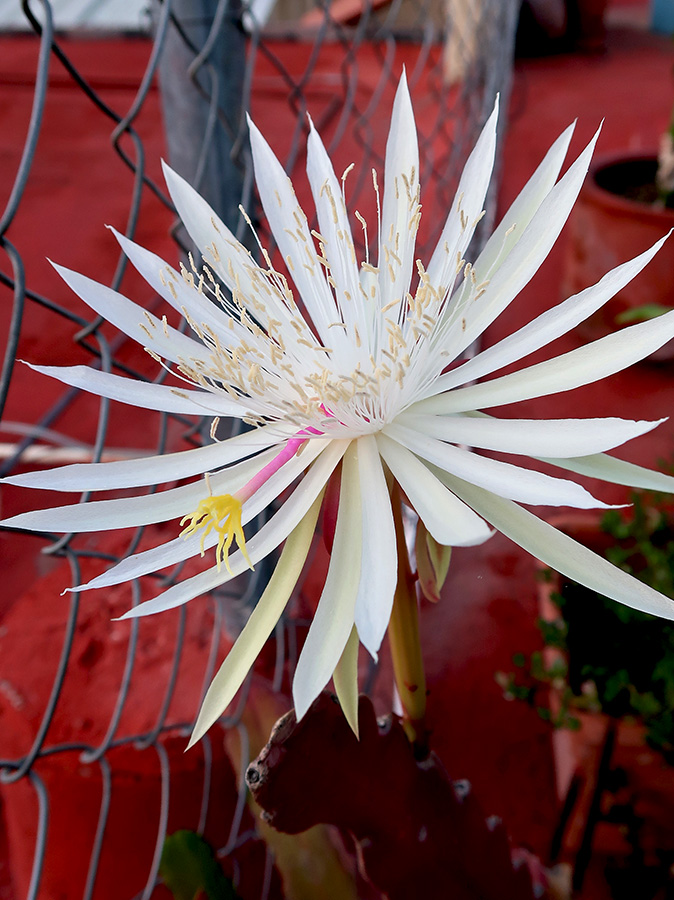
Early Sunday morning on the rooftop terrace…

Night blooming cereus against the blue wall. By 9:00 AM, its twelve hours of beauty was gone.

Read Full Post »

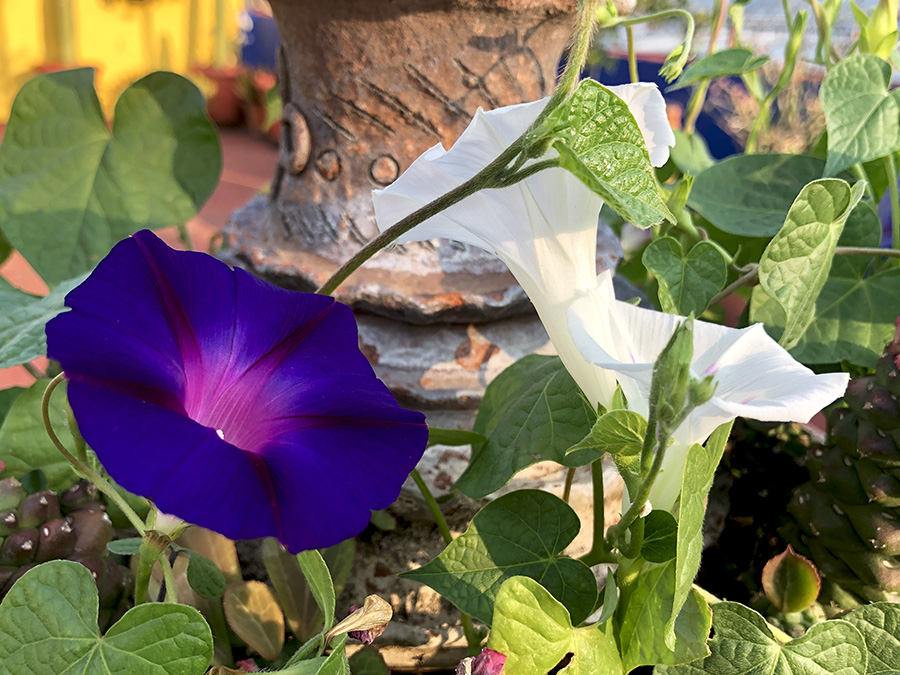
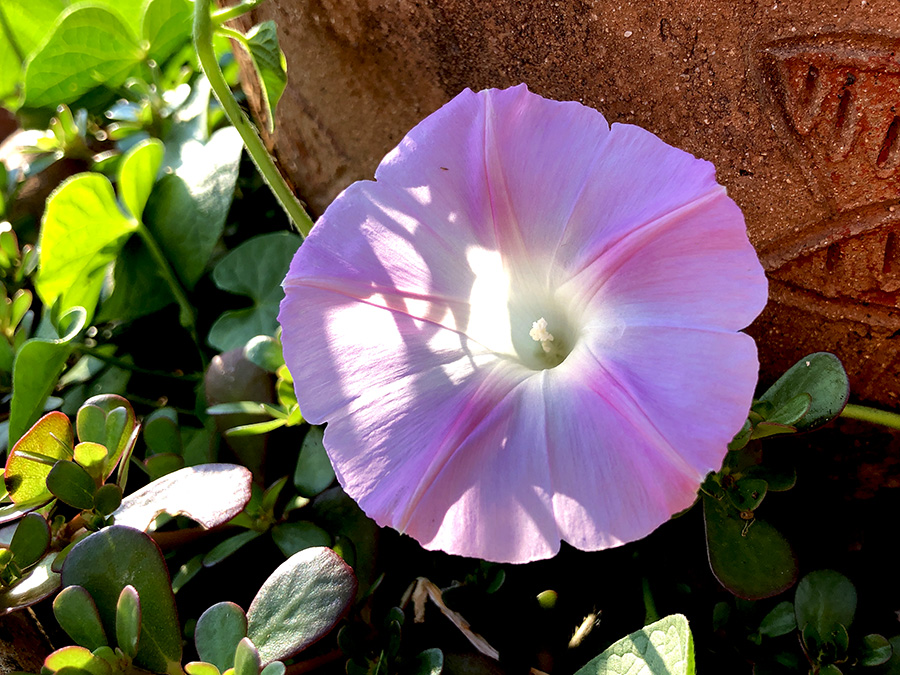
What can I say? The last few mornings, as I checked on my rooftop garden, I started singing, The Telephone Hour song from 1960s musical, Bye Bye Birdie.

What’s the story, morning glory?
What’s the word, hummingbird?

Yes, I’m that old!

Read Full Post »

And now the April “showers” have brought spring flowers to Casita Colibrí.

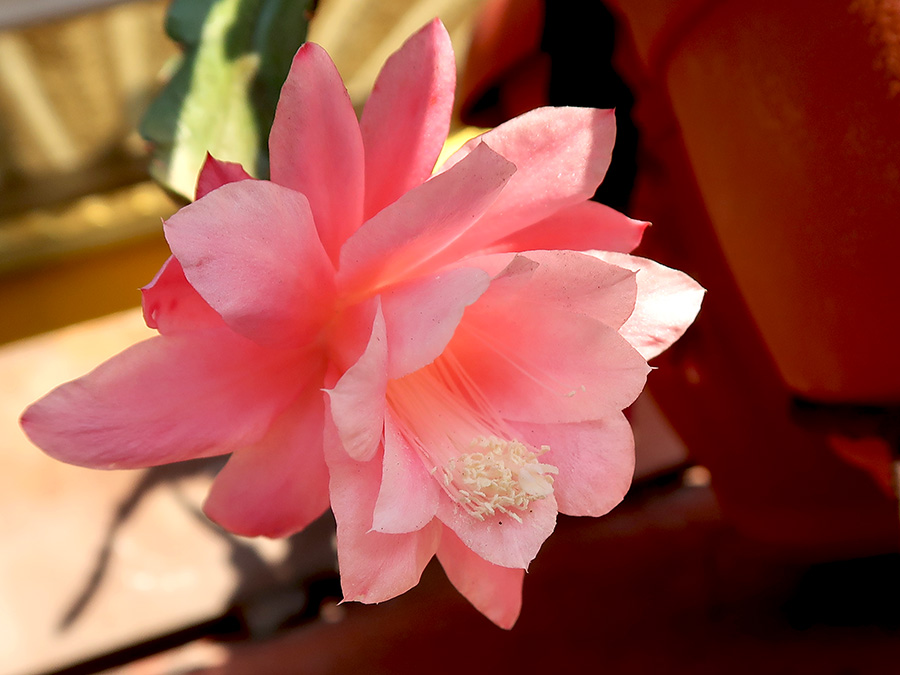
Orchid cactus – April 25, 2023
Flor de mayo – April 10, 2023
Madagascar palm – April 10, 2023
Bougainvillea – April 22, 2023
Hibiscus – April 26, 2023

Read Full Post »

Under the sun dappled light filtering through the 500 year old ahuehuete trees, there was stillness and peace.

November 2, 2022 in the panteón of Tlacolula de Matamoros.

Read Full Post »

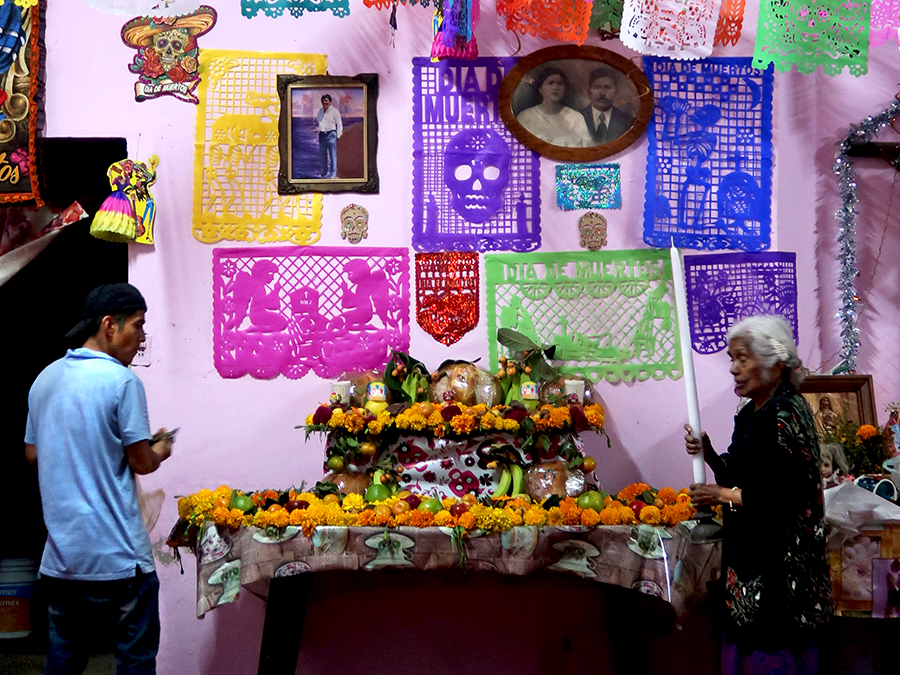
Every Día de Muertos, I love seeing the artistry of public ofrendas, feel honored being welcomed into the homes of friends and placing pan de muertos on their very personal ofrendas, and enjoy assembling my own ofrenda to departed loved ones. (Click on each image to see the details.)

Mitla – Ofrenda in the home of master weaver Arturo Hernandez Quero.
Mitla – Public ofrenda in the main plaza. Note the intricately decorated pan de muertos.
Teotitlán del Valle – Ofrenda of the weaver Pedro Montaño and cocinera Carina Santiago family in the Tierra Antigua restaurant and gallery.
Teotitlán del Valle – Ofrenda in the family home of weaver Zacarias Ruiz and Emilia Gonzalez.
Barrio de Jalatlaco – Private ofrenda open for public viewing at the corner of 5 de mayo and La Alianza.
Barrio de Jalatlaco – Family adding the finishing touches to their ofrenda. (They graciously gave me permission to take the photo.)
Casita Colibrí – My ofrenda in the daylight.
Casita Colibrí – My ofrenda at night awaiting the arrival of my departed.

I love the spicy and welcoming scents of cempasúchitl (marigolds), lacy flor de muerto from the Sierra Norte, pan de muertos, and incense of copal.

Read Full Post »

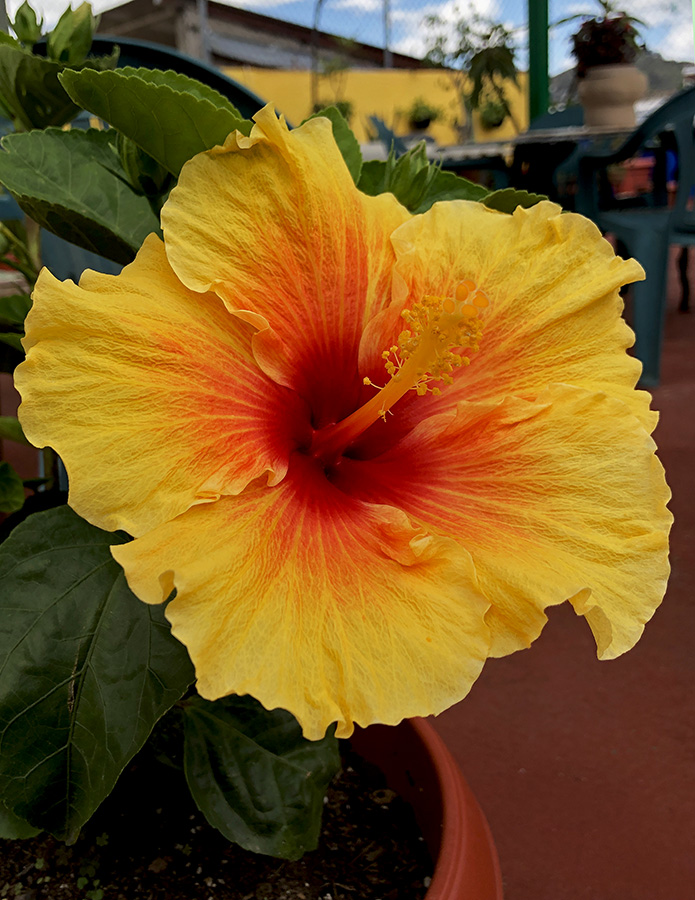
Several weeks ago, at the weekly Friday market on Calle del Refugio, I bought a hibiscus plant in a 6 inch pot. It had a single brilliant yellow with red highlights flower, but was filled with promise from multiple buds. I immediately transplanted it into a larger pot and it has proceeded to put on quite a show. As one flower folds up and falls off, another opens to take its place.

September 10, 2022 hibiscus flower
September 16, 2022 hibiscus flower
September 22, 2022 hibiscus flower
September 26, 2022 hibiscus flower
September 27, 2022 hibiscus flower

Each flower is unique and ready for its close-up!

Read Full Post »

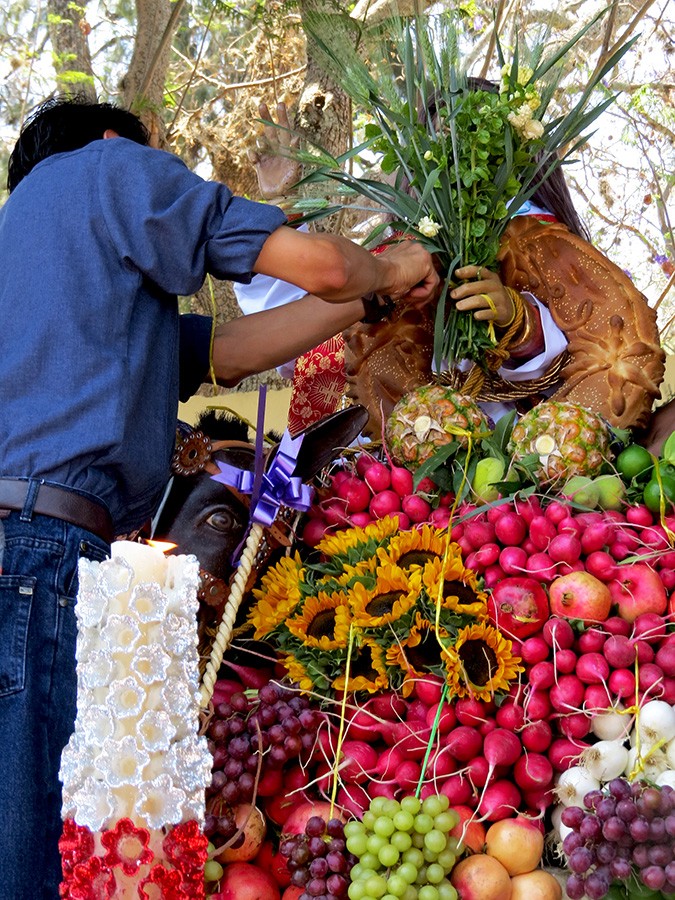
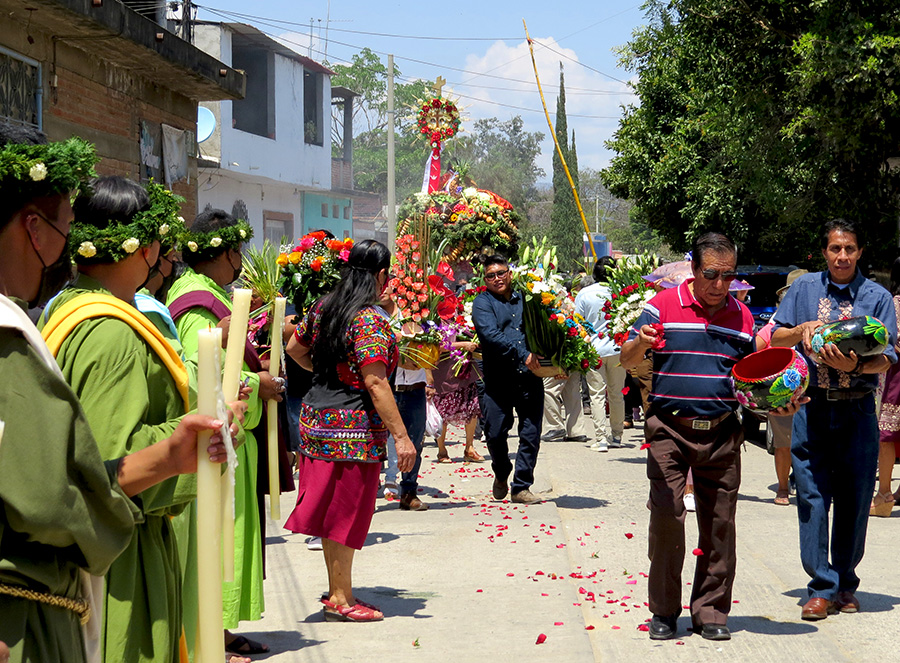
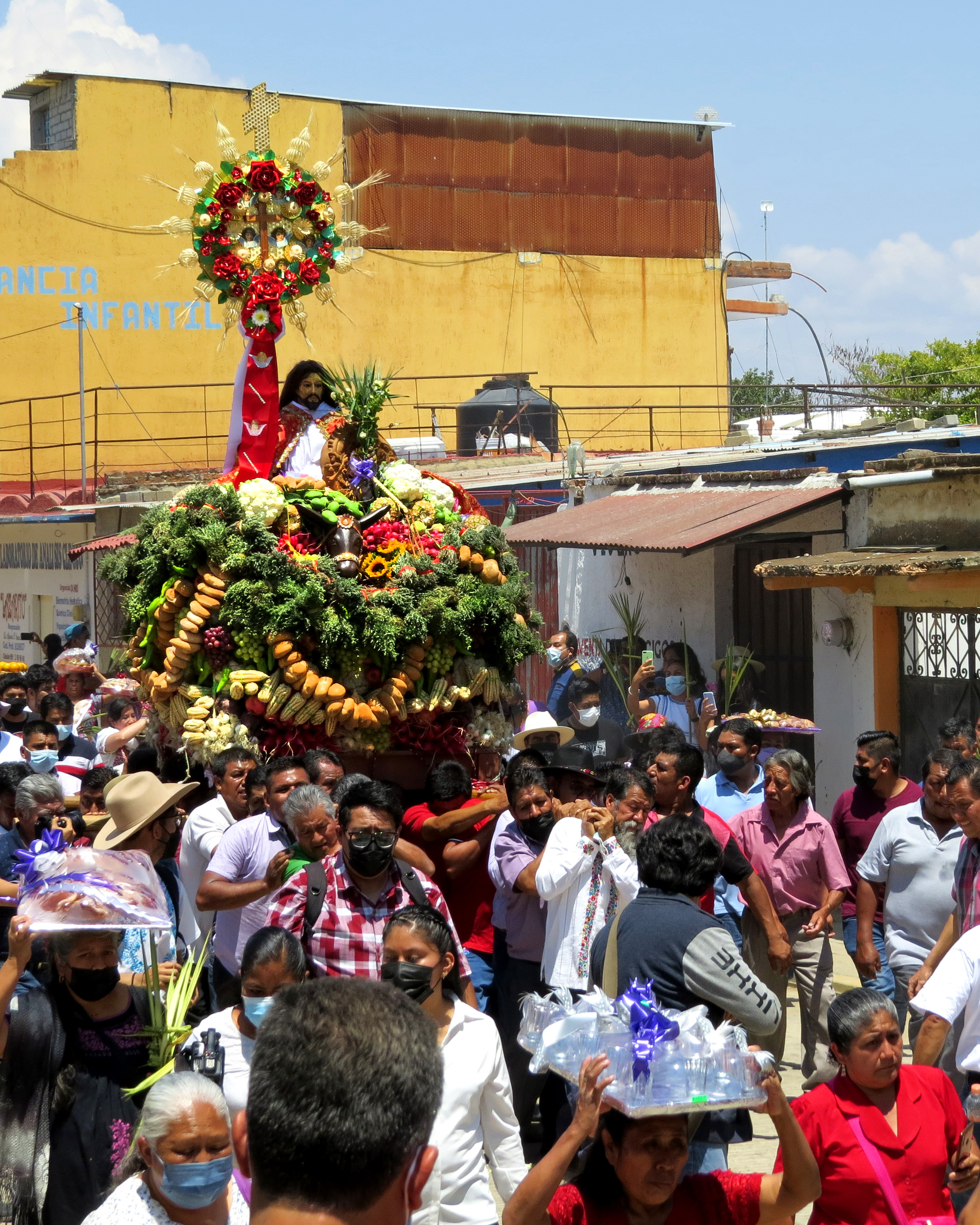
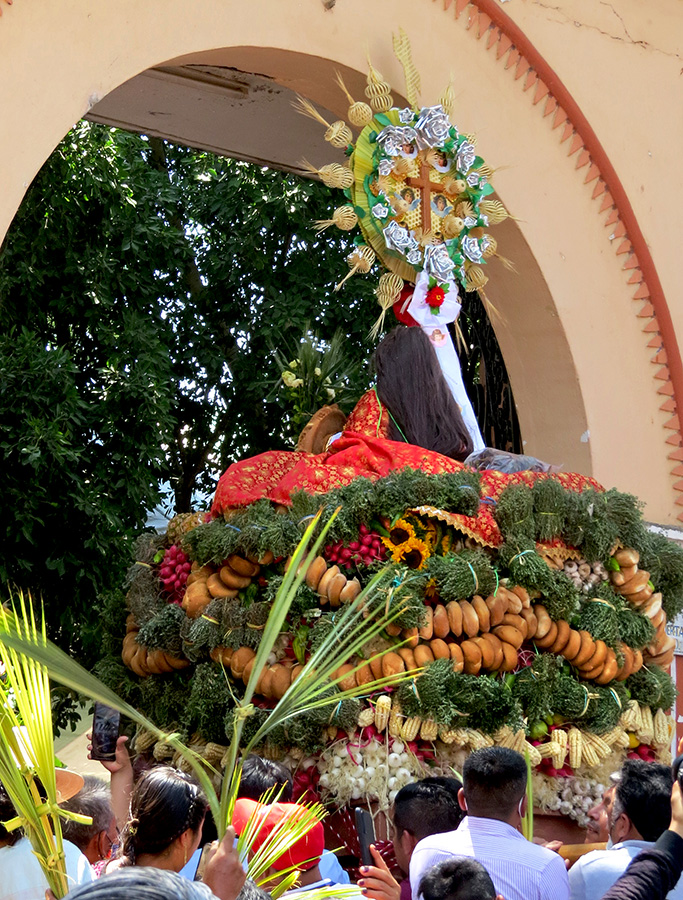
How wonderful it was to return to San Antonino Castillo Velasco on Domingo de Ramos and once again see and experience San Salvador atop his burro being piled high with the best and most beautiful bounty.

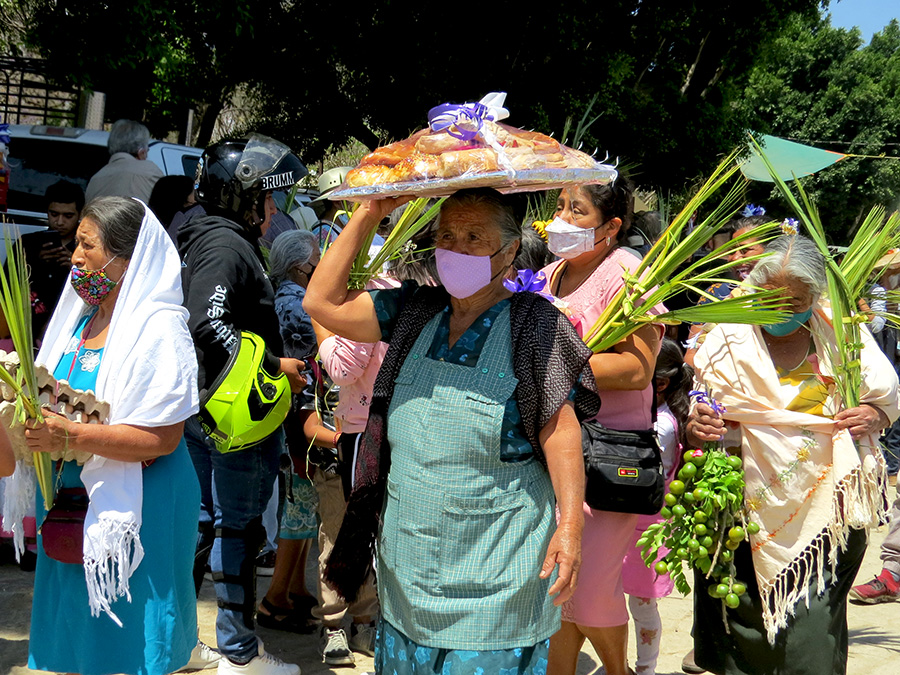
Covid precautions had caused the 2020 and 2021 Palm Sunday celebrations to be canceled. But, at long last, this year villagers, young and old, on bikes and on foot, in carts and in trucks, once again were allowed to return to the street outside the panteón (cemetery) bearing fruit, vegetables, herbs, breads, flowers…

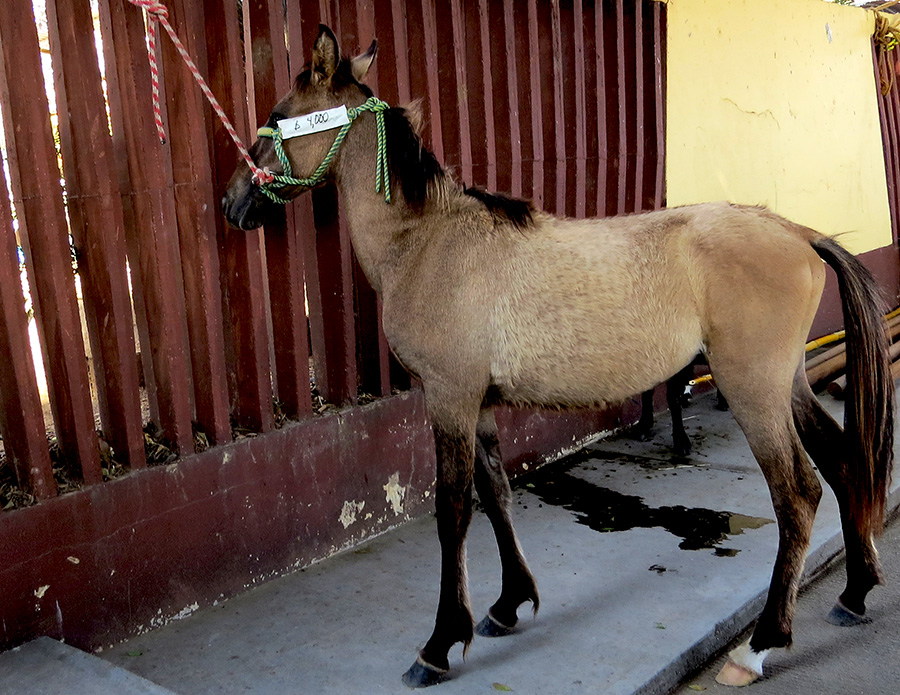
… and farm animals! Their offerings were received and priced by a committee — to be sold later in the day to benefit a local project. By the way, the price tag for the colt read $4000 pesos.

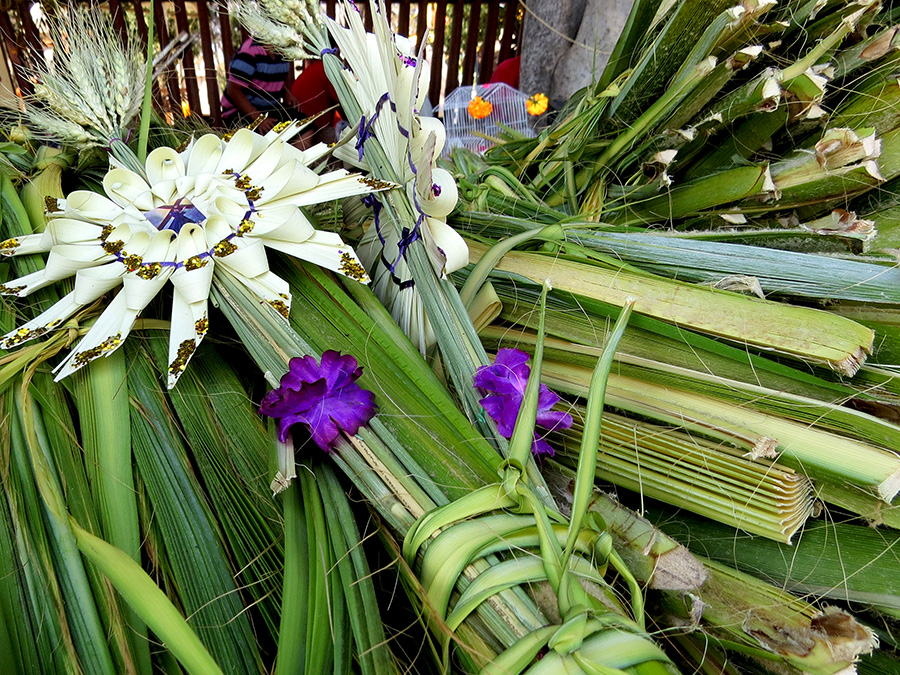
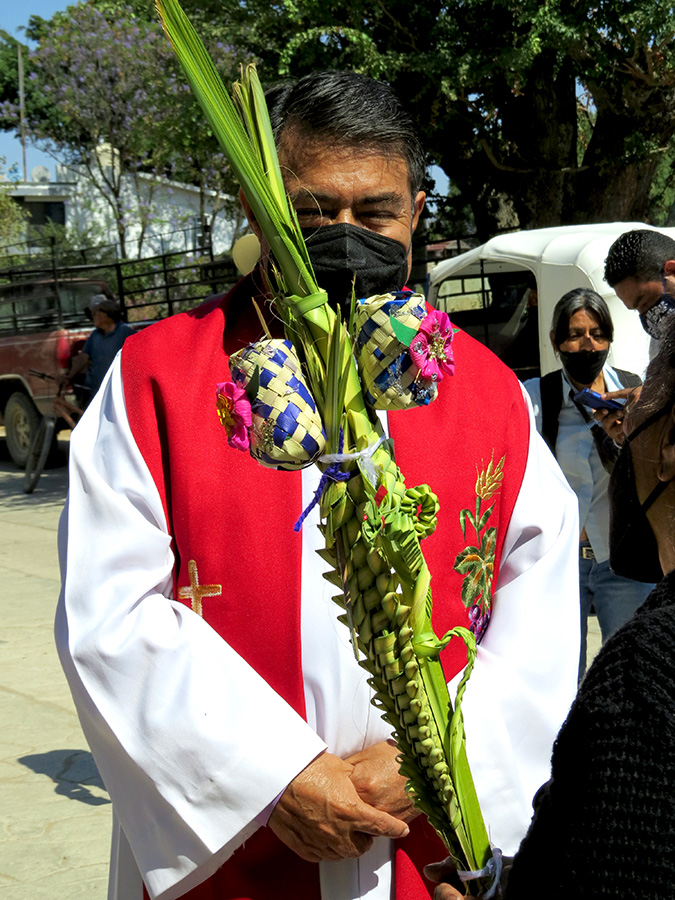
Once the burro was “filled to the brim,” with only his face peeking out, the priest arrived to bless the offerings and faithful with holy water. Dare I confess, it was hot under the noonday sun and the sprinkling of cold water felt good! The palm fronds, having been blessed, were distributed to all. Fireworks began exploding and the rhythmic sounds of the teponaxtles (drums) and chirimía (small oboe) began playing — announcing the start of the procession. Led by smoke from burning copal and a trail of bougainvillea bracts, the litter carrying San Salvador atop his burro set off on the kilometer long journey to the atrium of the church. They were accompanied by villagers and visitors clutching palm fronds and carrying the remainder of the goods collected.

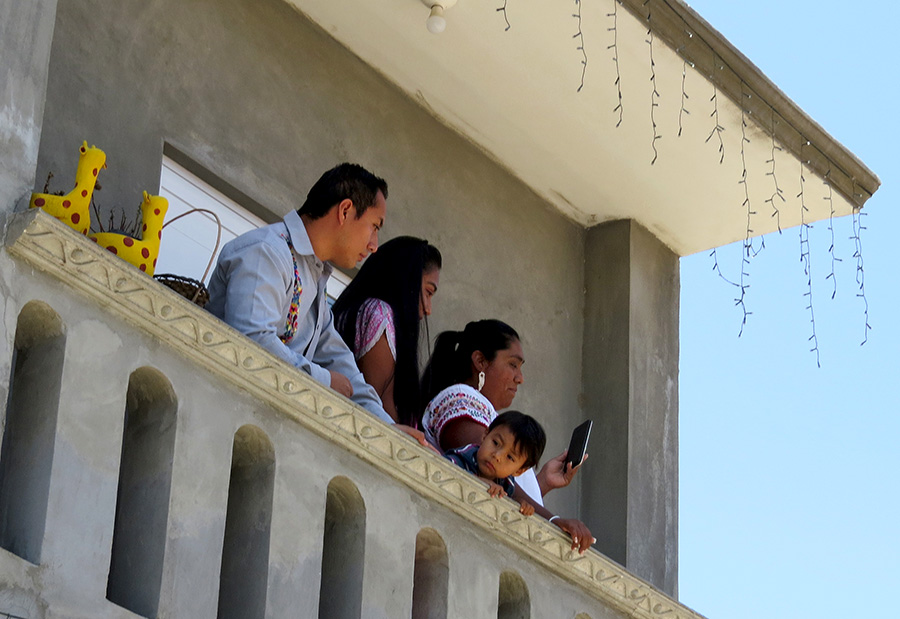
This is a reenactment of the Biblical story of Jesus entering Jerusalem to celebrate the Passover. A few spectators chose to watch from balconies, but mostly the route teemed with a growing mass of followers as 30+ hardy men bore the litter along the “hazardous” street — ducking wires above and navigating topes (speed bumps) below.

Once inside the church atrium, San Salvador and his burro were carefully maneuvered onto a stage where the priest joined them to say mass. At this point, blogger buddy Chris and I swam against the crowd and made our way to the food stalls set up just outside the atrium — San Antonino’s mouthwatering empanadas de amarillo beckoned.

(ps) Chris made a video of the procession which you can view HERE.

Read Full Post »

Our Day in the country’s final destination was San Bernardo Mixtepec. The scenery was spectacular as we drove south from Zimatlán de Álvarez, through the valley, and northeast up into the mountains. It was mid October, nearing Día de Muertos and in the valley there were fields filled with cempasúchitl (marigolds) and cresta de gallo (cockscomb) waiting to be picked for altars. In the meantime, they were being enjoyed by a local grasshopper.

Navigating the narrow, winding, and steep roads, we eventually arrived at the palenque and family home of José Alberto Pablo and his father Mario. Perched on the side of a mountain, it offers stunning views.

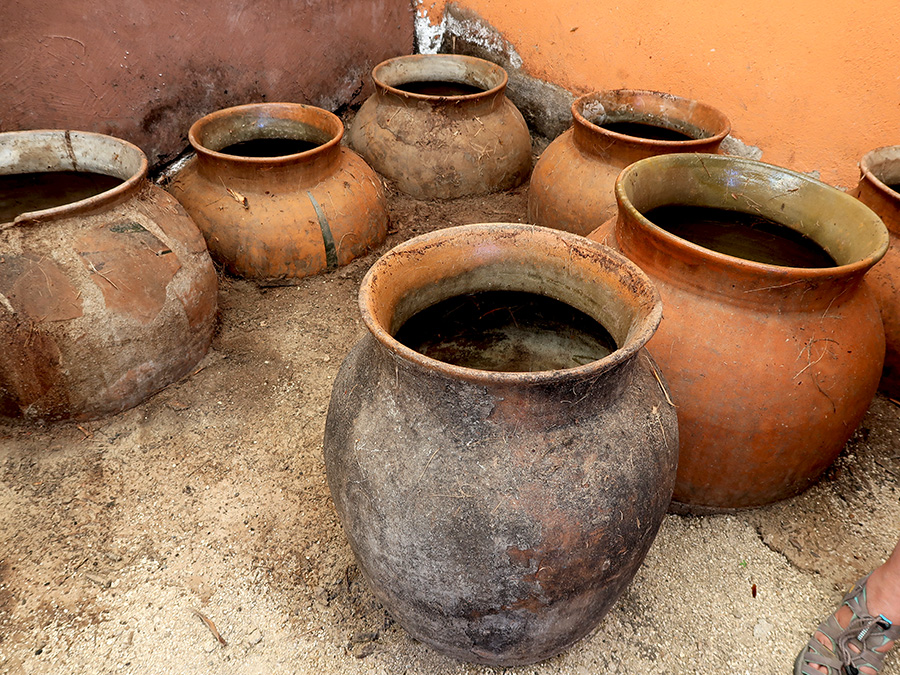
Fermentation is done in clay pots in a specially built room, and clay pots are used for distillation. In an eco-friendly feature, he recirculates the condenser water rather than letting it drain into a stream.

At some point in the history of San Bernardo Mixtepec, a persuasive vendor must have introduced the palenqueros to enameled metal condensers. Over time they rust and deposit a small amount of rust into the mezcal — giving it a distinctive yellow-orange color. According to José Alberto, the villagers have become so accustomed to the color, they are reluctant to drink clear mezcal.

José Alberto Pablo, his father Mario, and Craig T. (middle) — a very happy mezcal aficionado.

Yes, we bought! I came away with a lovely rusty tobalá. By the way, they also use stainless and copper condensers to make clear rust-less mezcal — for the less adventurous and to satisfy the mezcal regulatory board.

Read Full Post »

Flora and fauna and mezcal, oh my! That pretty much sums up the next stop on my day in the country adventure with friends. After leaving Villa de Zaachila, we headed south to Zimatlán de Álvarez and the working farm and palenque of René Parada Barriga (sold under label, Tío René). René was at a meeting, so his son Moisés capably took over the palenque’s touring and teaching duties.

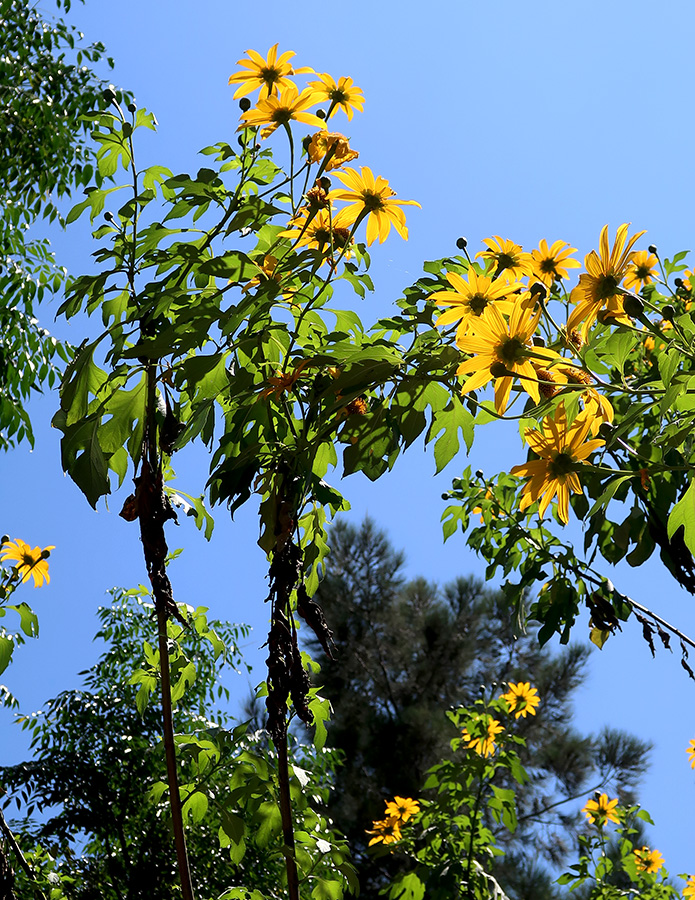
Tithonia diversifolia (aka, Mexican sunflower) reaching toward the sky.
Agave plantlets waiting to be planted.
Nonchalant cattle relaxing in the shade.
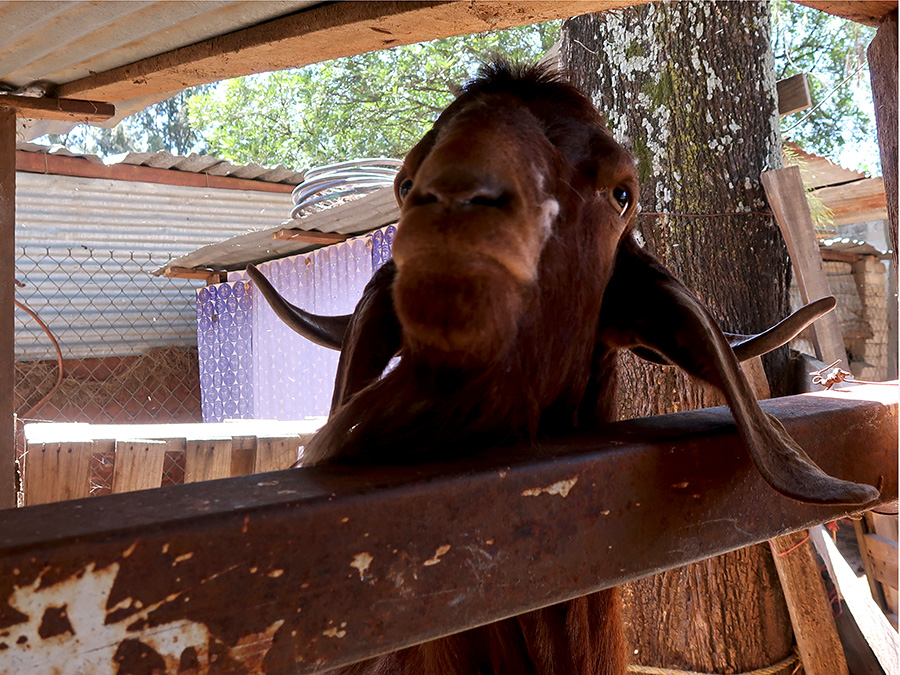
Friendly goat saying, “buenas tardes.”
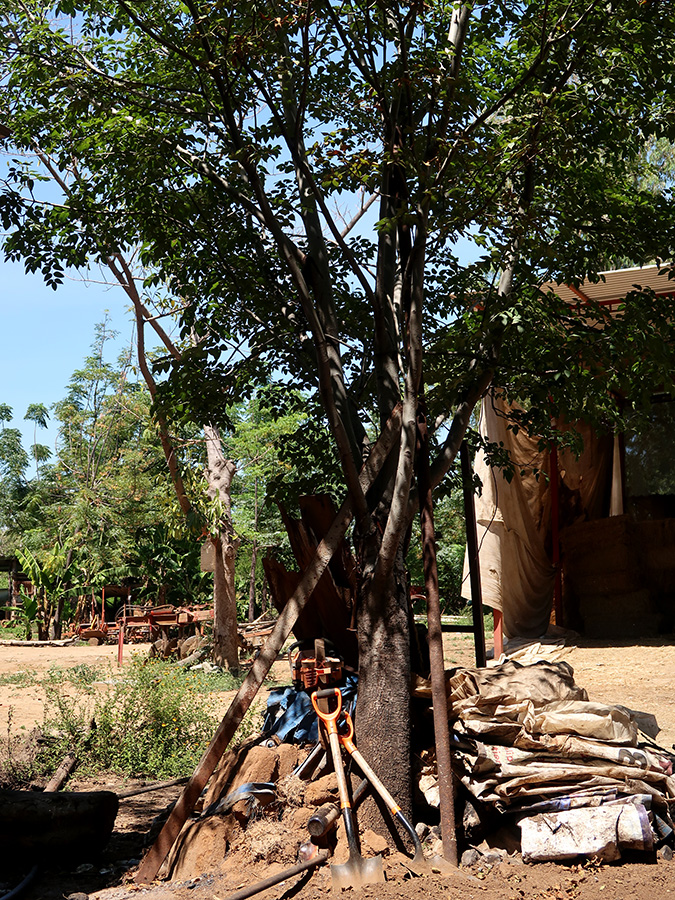
Tools of the trade.
Omnipresent home altar.
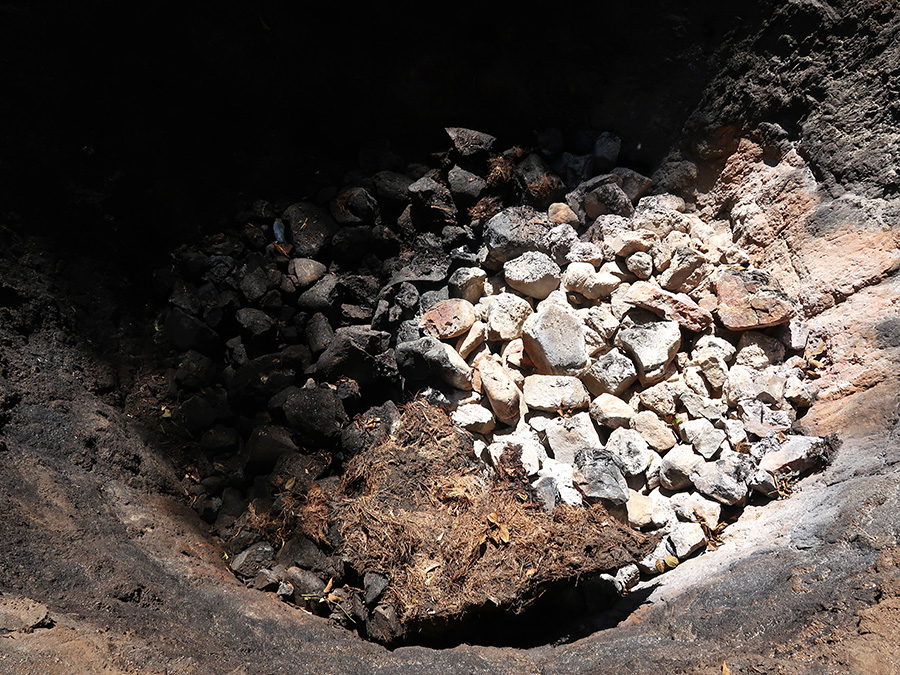
Cooking pit awaiting the next batch of agave.
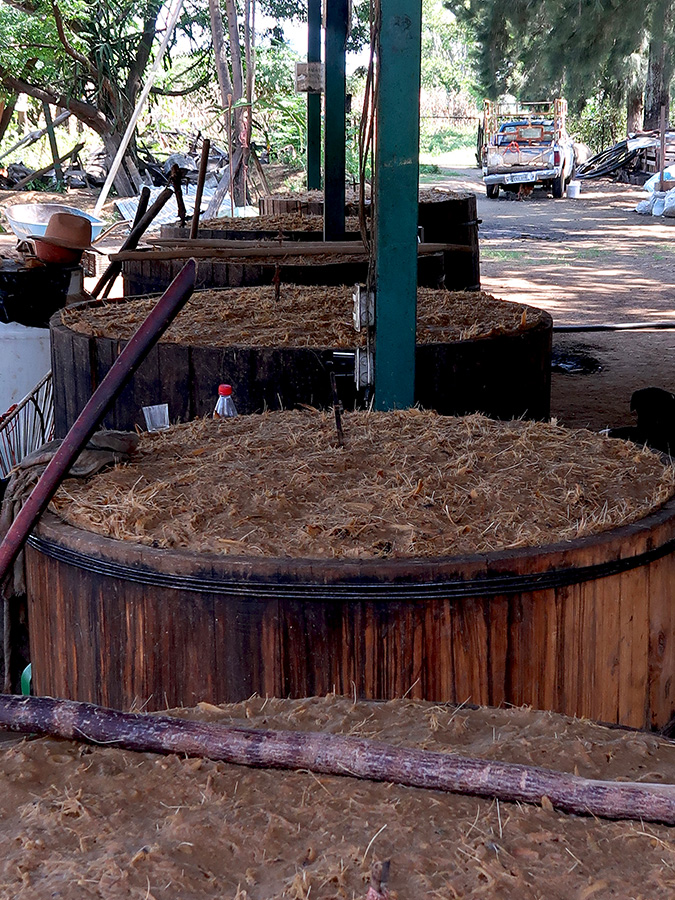
Fermentation vats.
Copper stills.
Moisés offering a taste.
Sophia filling one of our empty bottles.

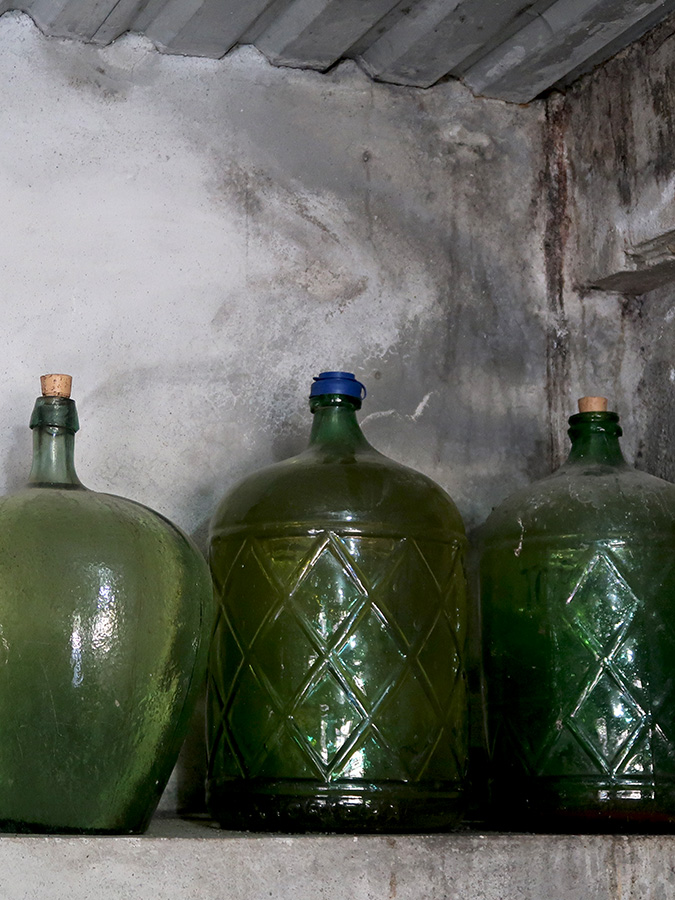
We came prepared, bringing our own plastic bottles and René’s wife Sophia poured and sold. I bought a lovely copper distilled Cuish and, once home, transferred it into one of my many empty glass bottles — saved for days such as this. Our next (and last) stop was another palenque. Stay tuned!

Read Full Post »

This morning: Four Night Blooming Cereus flowers and one seriously busy bee!

Life in the rooftop garden.

Read Full Post »

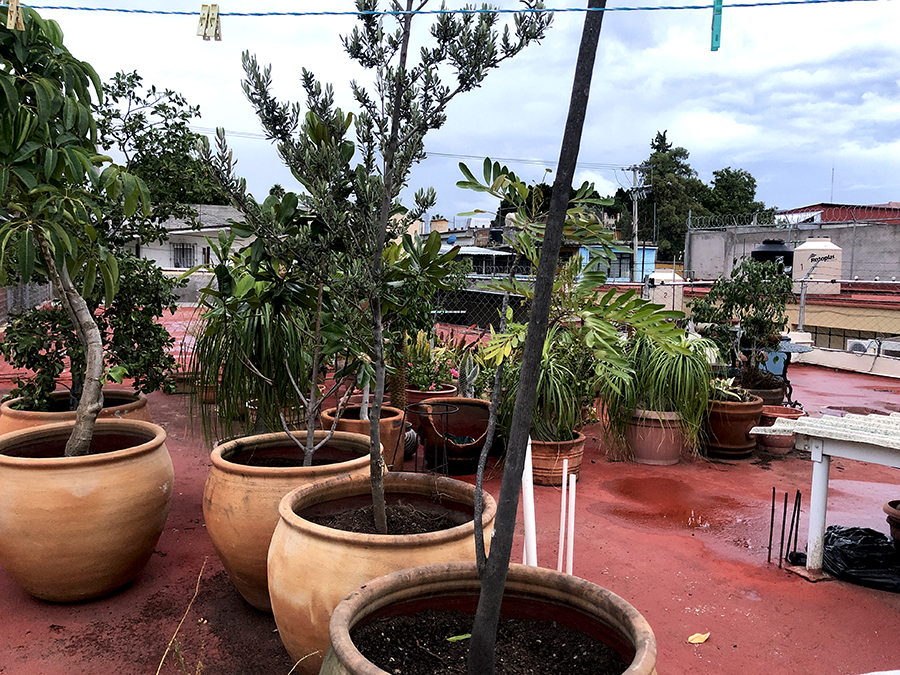
When last we left Casita Colibrí’s garden, it had weathered Moving days and the plants were Surviving and thriving wherever they had landed at their new home.

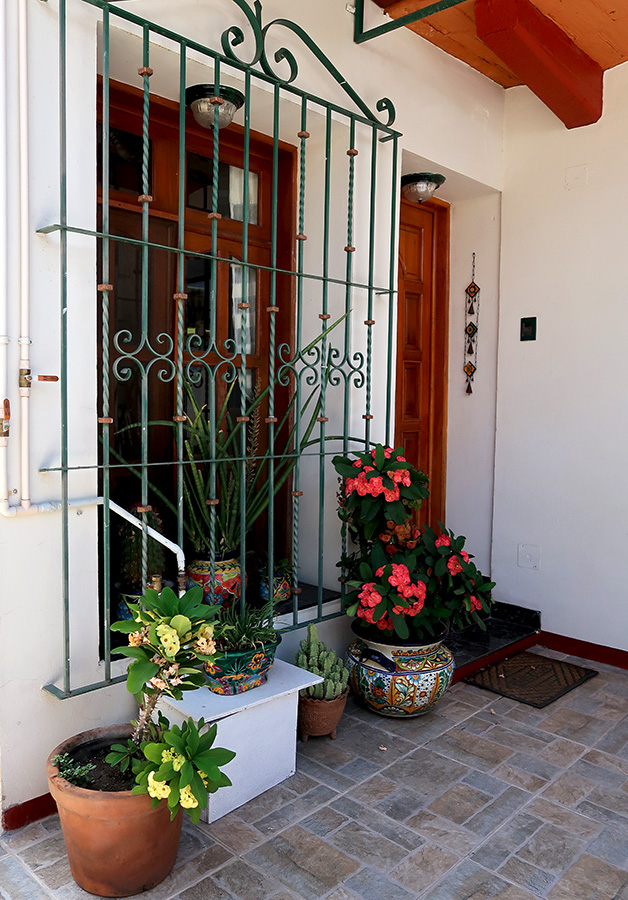
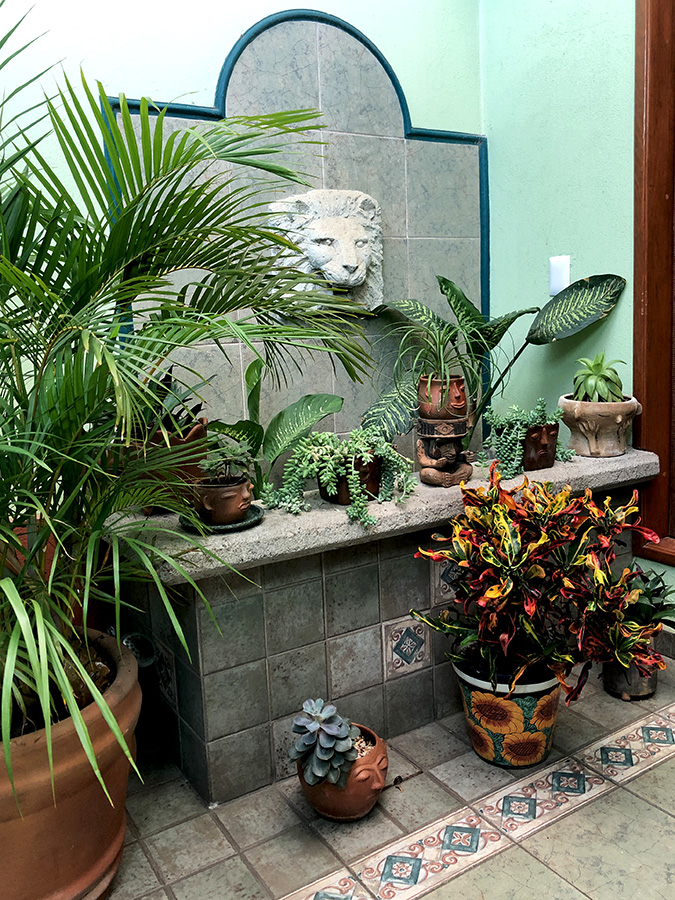
Much to the movers’ relief, some (though, not a lot!) of the plants were to remain on the ground floor. With those, it was within my artistic ability to create an entryway and to arrange the palms and other shade-loving plants in my new apartment’s atrium.

However, the landscaping on the rooftop, where the majority of the plants landed, was left to the imagination — as I had neither the strength nor the skill. Consequently, two and a half weeks ago, under a blazing hot and unrelenting sun, my friend and excellent landscaper Jose Ruiz Garcia and his nephew came over to move, position, and re-position trees and succulents and shrubs — oh my!

Most mornings it’s now where I begin my day. With coffee in hand, I cautiously wend my way up the narrow spiral staircase to commune with my plants, listen to the birds sing and chatter, and enjoy this beautiful and tranquil garden that Jose has created. It’s also a perfect setting to sip a glass of wine as the sun sets.

Read Full Post »

Many of my View From Casita Colibrí regular readers have expressed concern regarding how the garden survived the move. I want to assure you, though it desperately needs landscaping, the plants are surviving and thriving in their new home.

Flor de Mayo
Night Blooming Cereus
Cayenne pepper
Crown of Thorns
Madagascar Jasmine
Buddha belly plant (Jatropha podagrica)

Methinks it is, in no small part, due to our daily late afternoon downpours. It is the rainiest rainy season since 2010 — at least that I can remember!

Read Full Post »

Flowers of May there and here…

Flor de mayo (aka, plumeria, frangipani) on the terrace in Oaxaca
Sixty-five year old camellia planted by my grandfather on the Mill Valley patio

Read Full Post »

Older Posts »