From the west came Pontius Pilate, the Roman governor, riding a warhorse and flanked by armed soldiers bedecked in the full pageantry of an oppressive empire. Every year during Passover, a Jewish festival celebrating liberation from Egyptian oppression and slavery, Pilate entered Jerusalem to suppress any unrest set off by that memory.
His arrival wasn’t ceremonial; it was tactical — a calculated show of force, what the Pentagon might now call “shock and awe.” It displayed not only Rome’s power but also Rome’s theology. Caesar was not just the emperor; he was deified and called “Son of a God” on coins and inscriptions. His rule was absolute, and the peace it promised came through coercion, domination and the threat of violence.
From the opposite direction, both literally and figuratively, came Jesus’ procession.
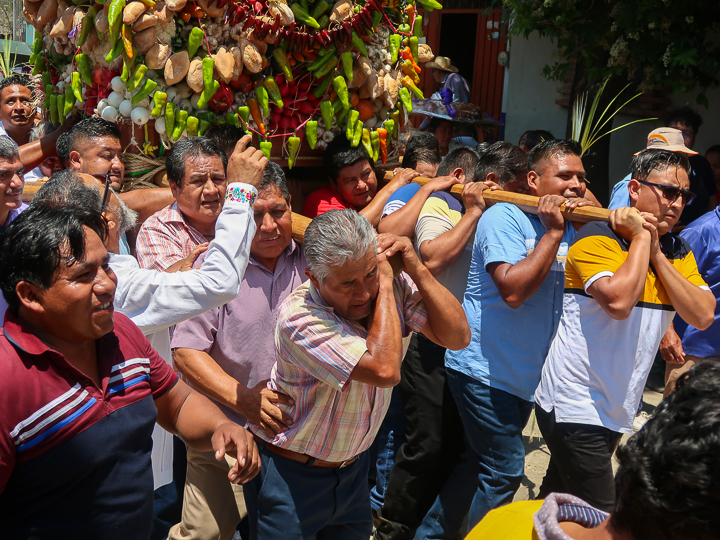
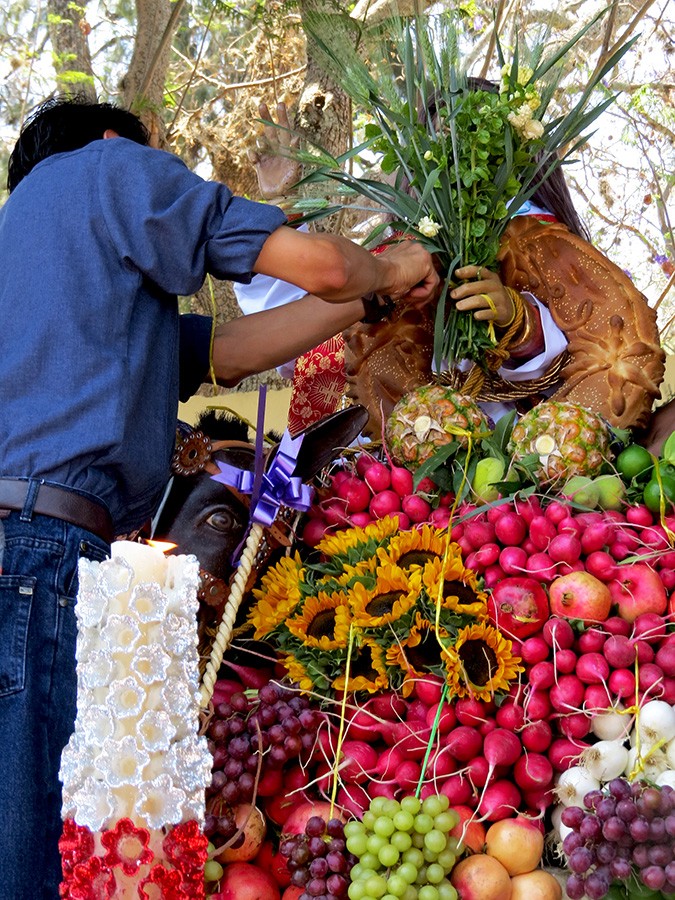
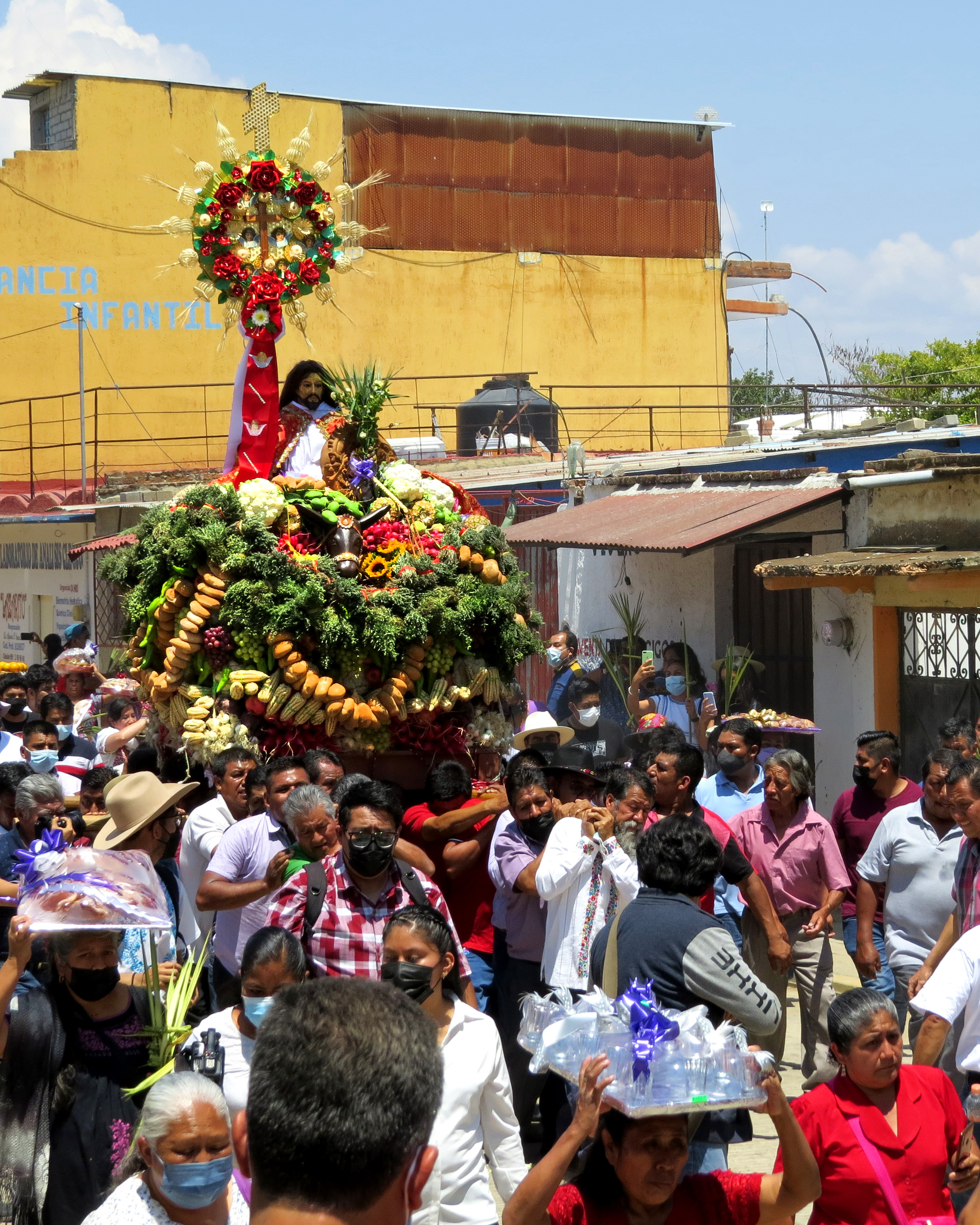
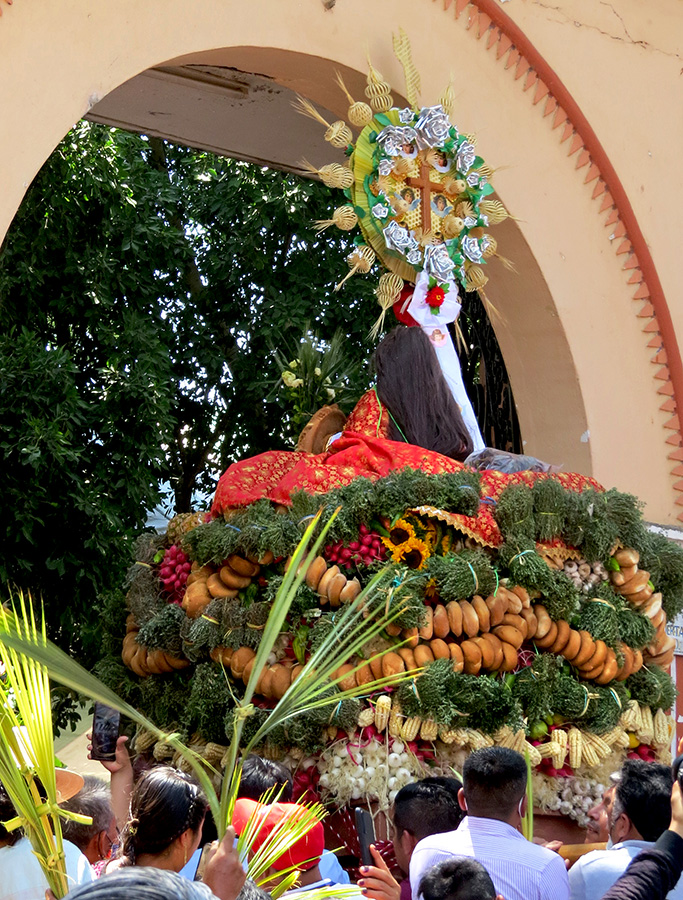
Jesús, known as San Salvador, atop a donkey festooned with the most succulent fruits, vegetables, and breads outside the panteón in San Antonino Castillo Velasco.
It takes thirty men to carry the laden San Salvador and his burro.
Jesus entered the city not on a warhorse but on a donkey, not with battalions but with beggars. His followers were peasants, fishermen, women and children — people without standing or status. They waved palm branches — symbols of Jewish resistance to occupation since the Maccabean revolt — and cried out “Hosanna!” which means “Save us.” Save us from a system of oppression disguised as order. Save us from those who tacitly endorse greed with pious language and prayers.
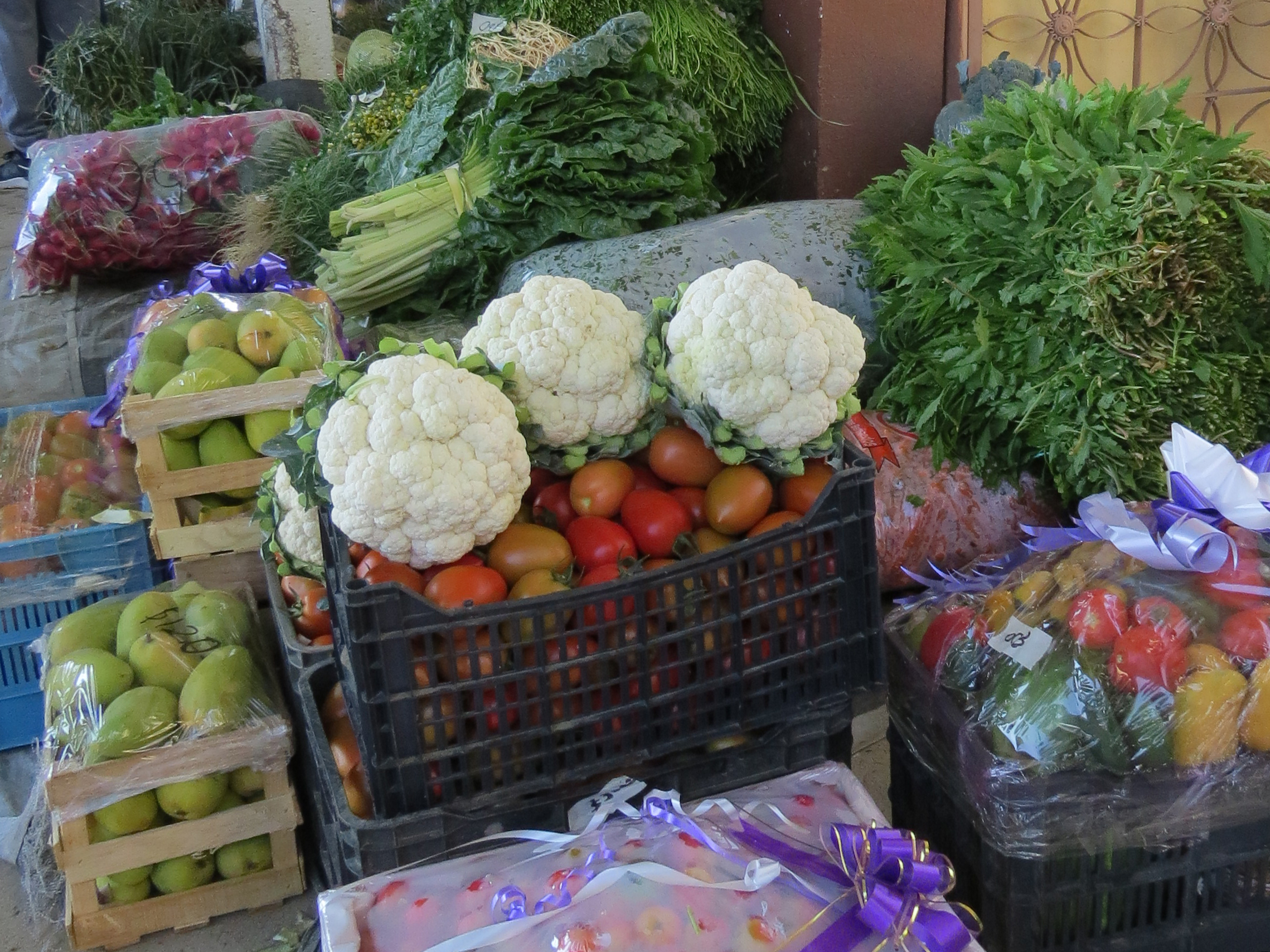
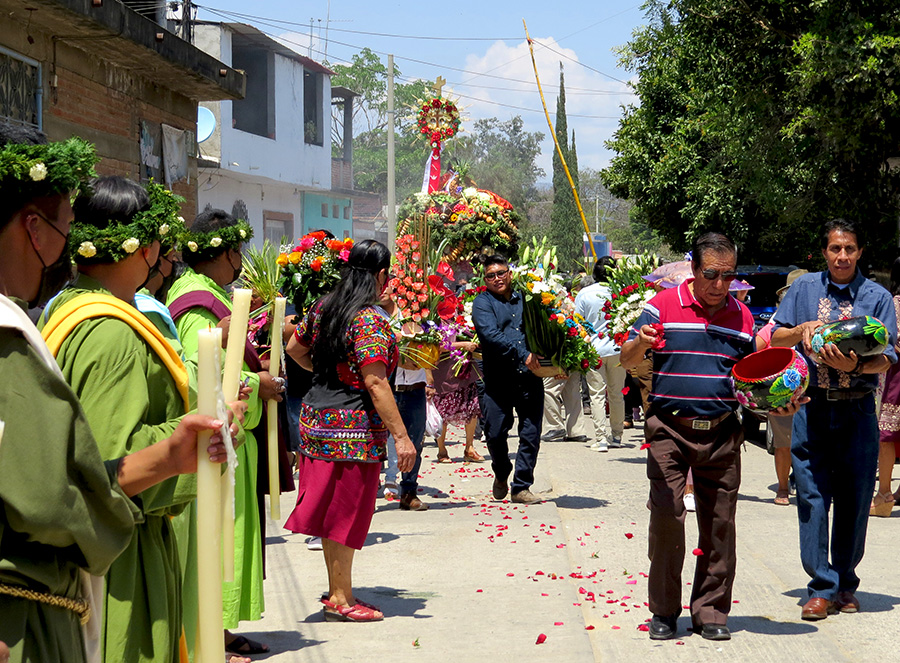
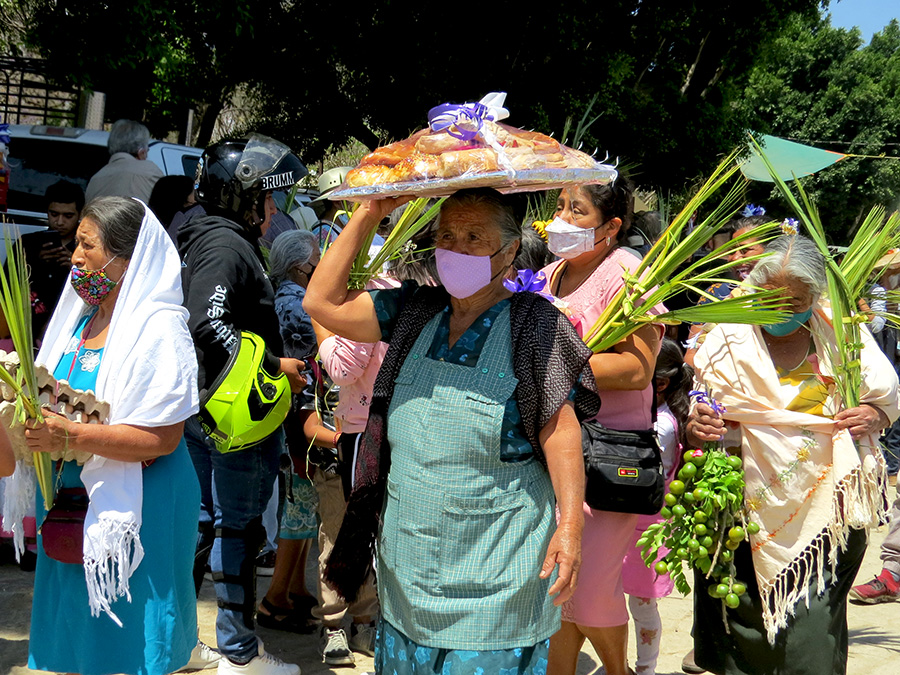
Villagers begin the procession to bring the best of their fruits, vegetables, herbs, livestock, clothing, flowers, and much more as offerings to be sold to raise money for a designated charitable project.
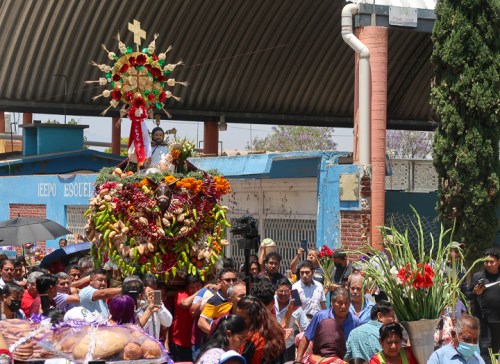
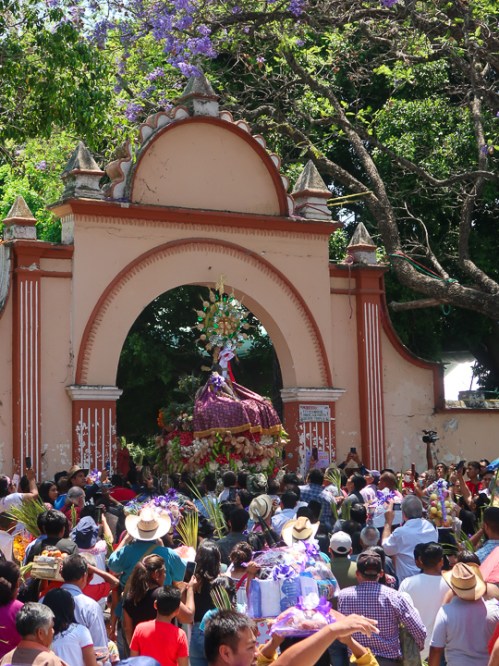
The procession continues along the kilometer route from the panteón to the church.
San Salvador entering the church atrium where he takes his place of honor on a stage set up for the outdoor Palm Sunday mass.
Year-after-year, despite the challenges of life, on Palm Sunday I have been uplifted by the warmth, generosity and devotion of the people of San Antonino Castillo Velasco. Alas, it’s been two years since I have had this privilege and must content myself with looking through my photos from 2023.
If you don’t like clanging bells, fireworks bursting in air, and navigating procession-blocked streets (at all hours of the day and night), you might want to avoid being in Oaxaca in December. The month heralds seemingly round-the-clock joyous, sometimes solemn, and mostly noisy celebrations. This month, honoring the feast days of the Virgins of Juquila, Guadalupe, and Soledad elicits some of the most enthusiastic, lengthy, and loud festivities of the year.
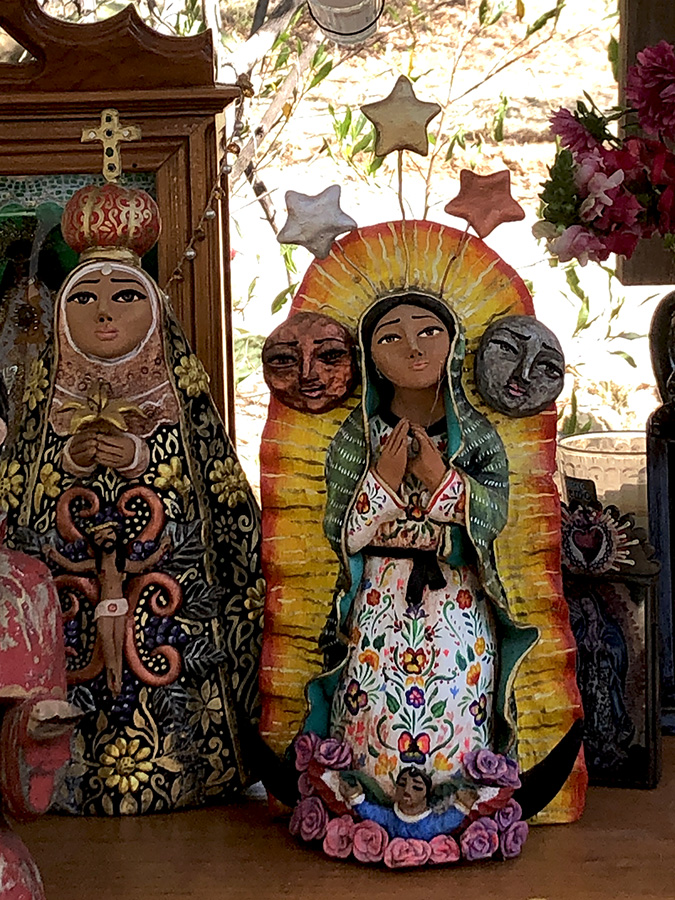
December 26, 2023 – Juquila, Guadalupe, and Soledad on altar at the workshop of Jacobo and María Ángeles in San Martín Tilcajete.
December 8 marks Día de la Virgen de Juquila — the first of the three virgins being celebrated this month. Observances began weeks ago as pilgrims began their peregrinations to her tiny Chatino village of Santa Catarina Juquila. And, in Oaxaca city, processions began filling the streets, cohetes (rockets) began exploding, and church bells sounded announcing special misas (masses).
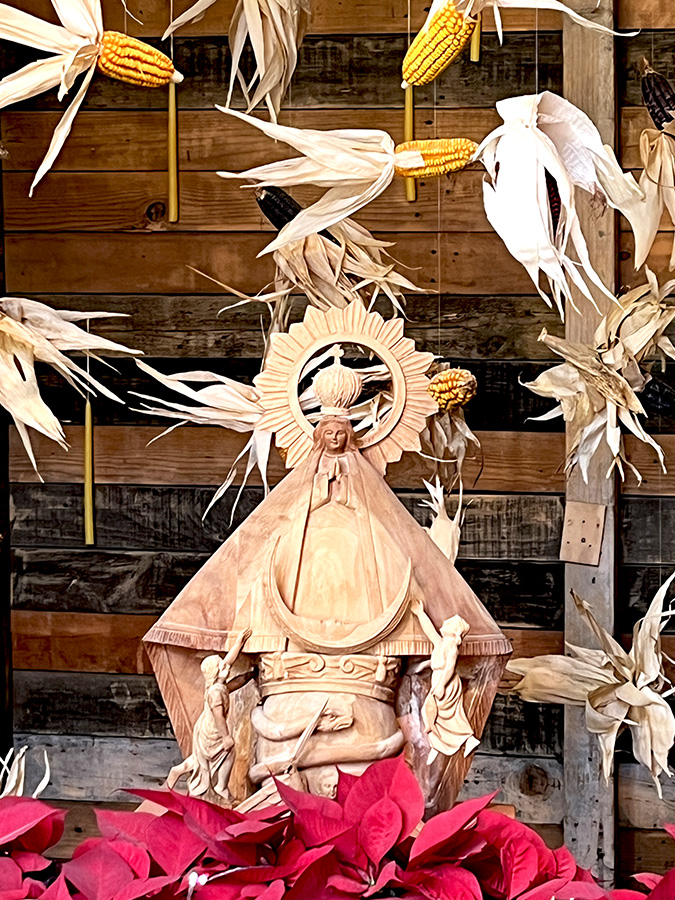
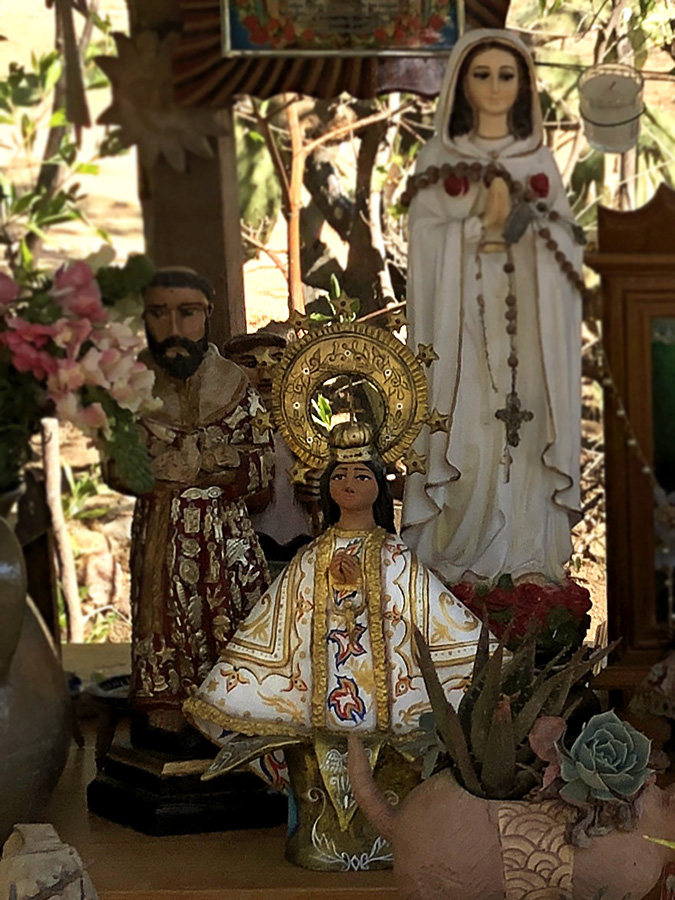
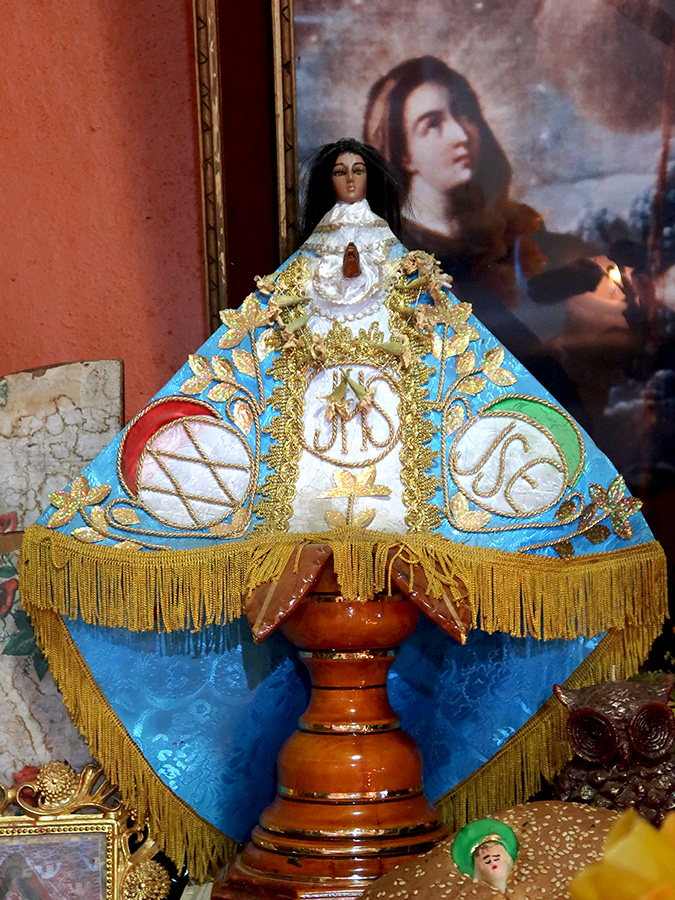
December 26, 2023 – Close-up of Juquila on the altar at the workshop of Jacobo and María Ángeles in San Martín Tilcajete.
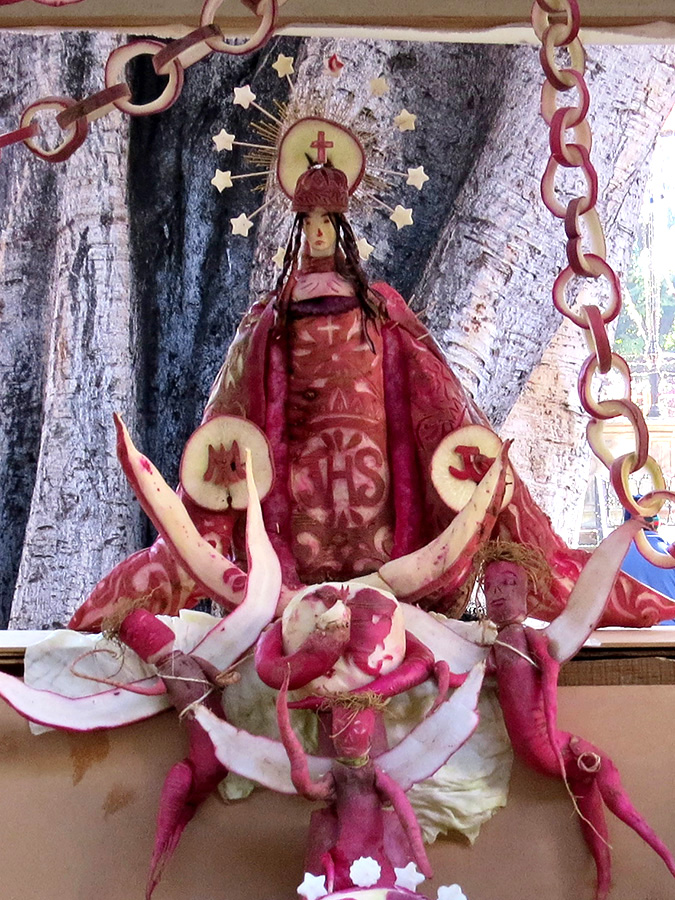
December 23, 2023 – Juquila carved from radishes. Noche de Rabanos, Oaxaca de Juárez.
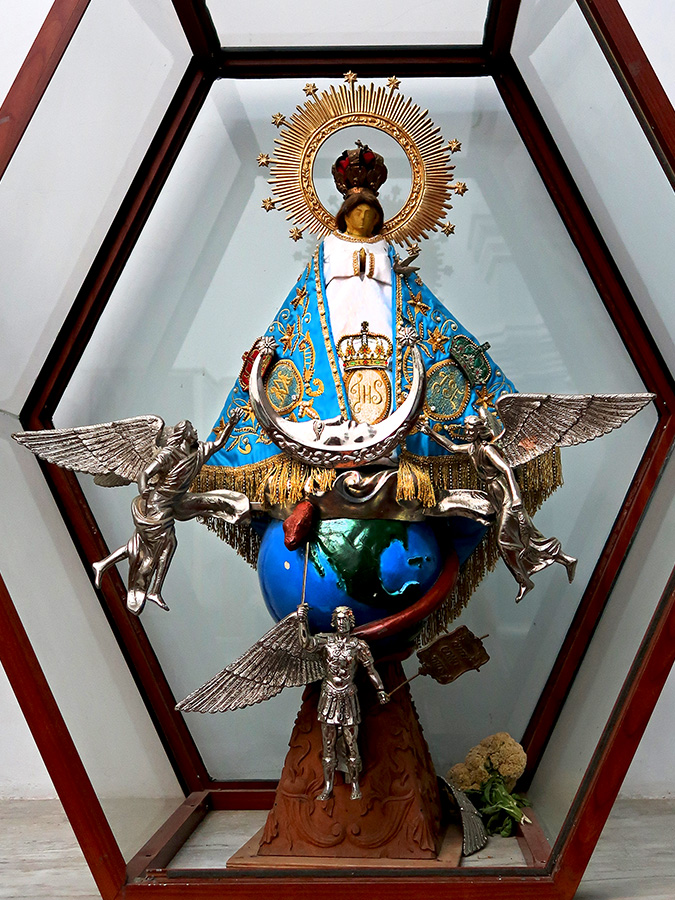
November 4, 2023 – Juquila enclosed in glass, Ocotlán de Morelos.
Next on the on the calendar is the more widely known date of December 12, honoring la Virgen de Guadalupe, aka, Queen of Mexico, Empress of America, and patron saint of México. However, the celebrating has already begun and besides fireworks, processions, and church bells chiming, professional photographers set up “Guadalupe grottos” outside Oaxaca’s Templo de Nuestra Señora de Guadalupe so, after being blessed inside the church, parents can have their little boys and girls, dressed in traditional traje (costume), photographed. Once finished, all can partake in the rows upon rows of food stalls, carnival rides, and puestos selling toys, Santa hats, Christmas lights.
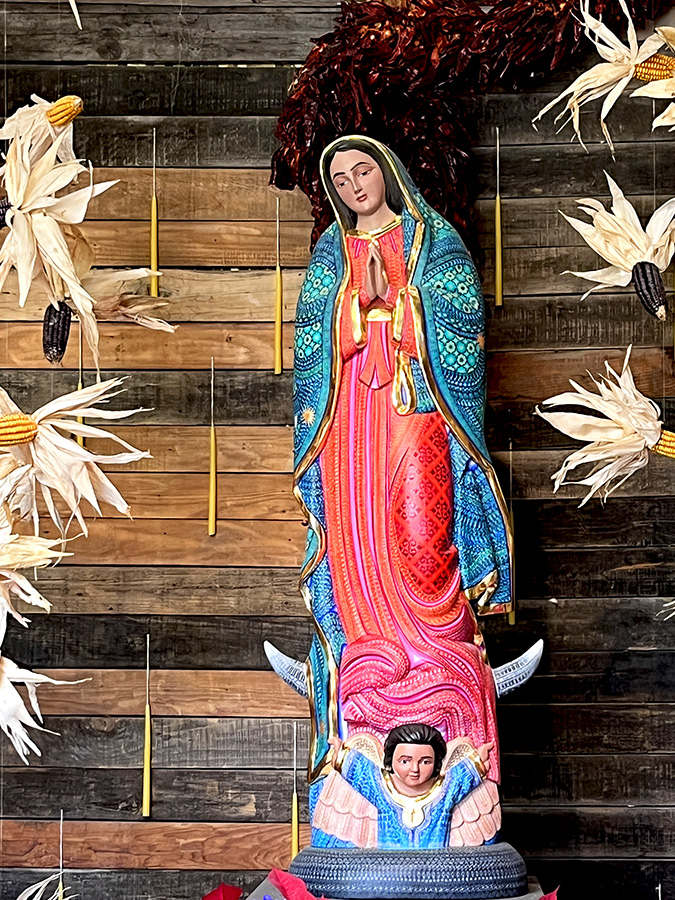
December 26, 2023 – Close-up of Guadalupe on the altar at the workshop of Jacobo and María Ángeles in San Martín Tilcajete.
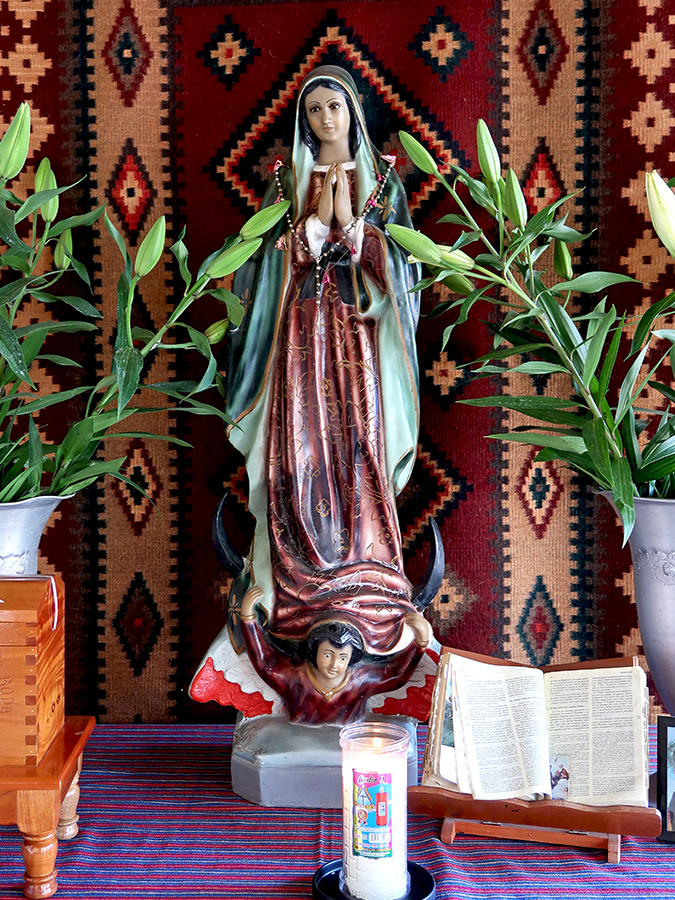
January 19, 2024 – Guadalupe on an altar set up in a private home prior to a wedding in Teotitlán del Valle.
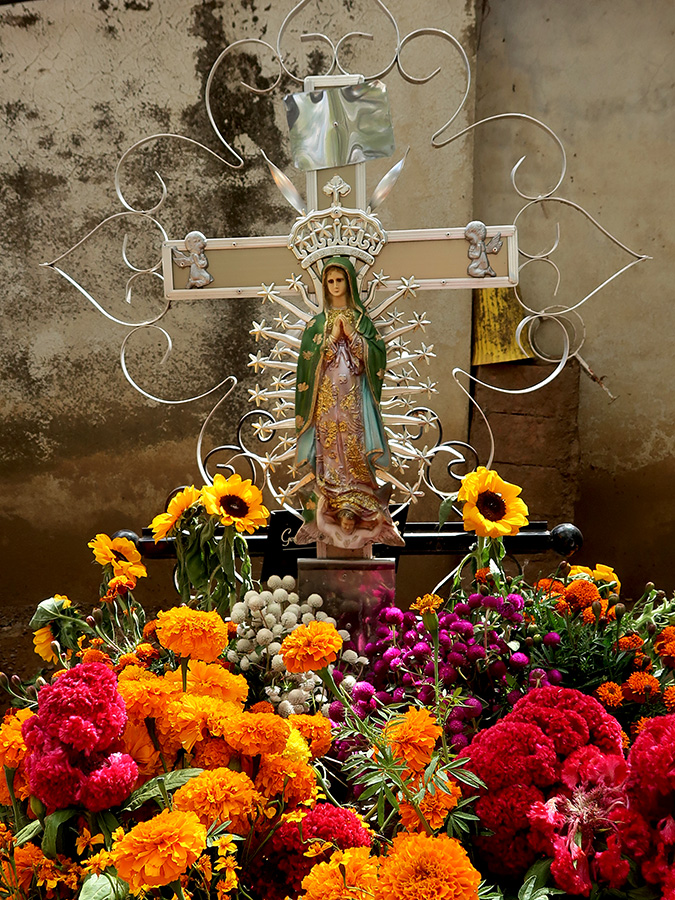
November 4, 2023 – Guadalupe watching over a grave in the cemetery of San Antonino Castillo Velasco.
January 8, 2024 – Stylized Guadalupe on Calle Mártires de Tacubaya in Oaxaca de Juárez.
Last, but not least for Oaxaqueños, is December 18, the feast day of the much loved and revered, Queen of Oaxaca, La Santísima Virgen de La Soledad (Virgin of Solitude). Festivities with special religious rites, processions, and fireworks usually begin in early December, overlapping with Juquila and Guadalupe. Soledad’s celebration culminates with hundreds of her devotees camping out in the atrium of her church, the Basílica de Nuestra Señora de la Soledad, on the night of December 17 — with musical entertainment throughout the night, afternoon cultural performances the next day, and several outdoor masses from before dawn to nightfall on the 18th. Food stalls take over the stairs leading to the Basílica and the street below (Independencia) is closed for several blocks with carnival rides and stalls selling more sweets and savories, religious tchotchkes, clothing, and much more. It’s lively, crowded, and loud!
December 26, 2023 – Close-up of Soledad on the altar at the workshop of Jacobo and María Ángeles in San Martín Tilcajete.
December 23, 2023 – Soledad carved from radishes. Noche de Rabanos, Oaxaca de Juárez.
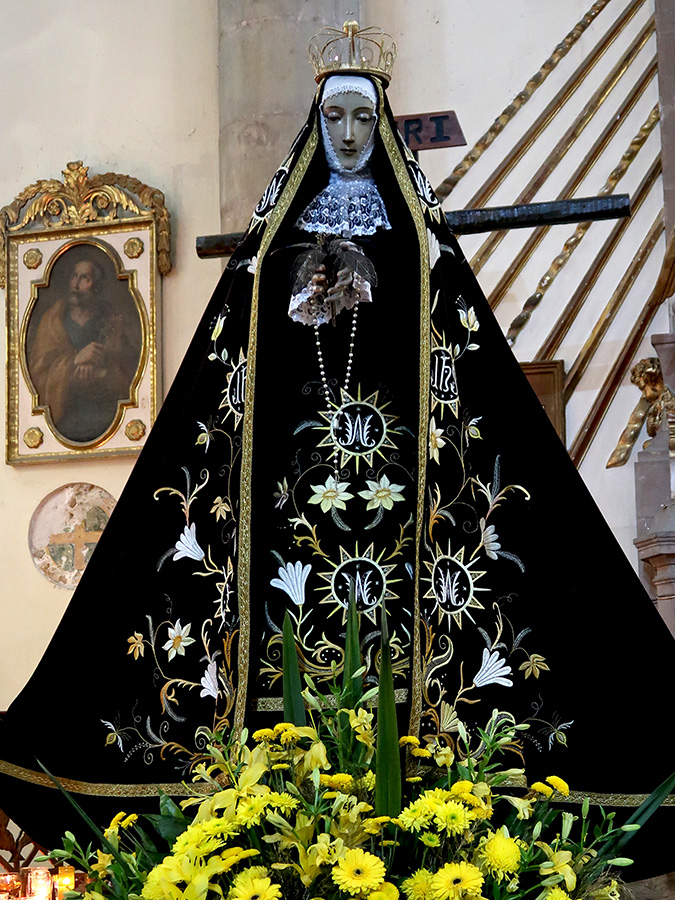
December 19, 2023 – Soledad in her home at the Basílica de Nuestra Señora de la Soledad, Oaxaca de Juárez.
I’m still in el norte and all is quiet. While it makes for a better night’s sleep, I’m missing the raucous and joy-filled cacophony that fills Oaxaca’s days and nights in December.
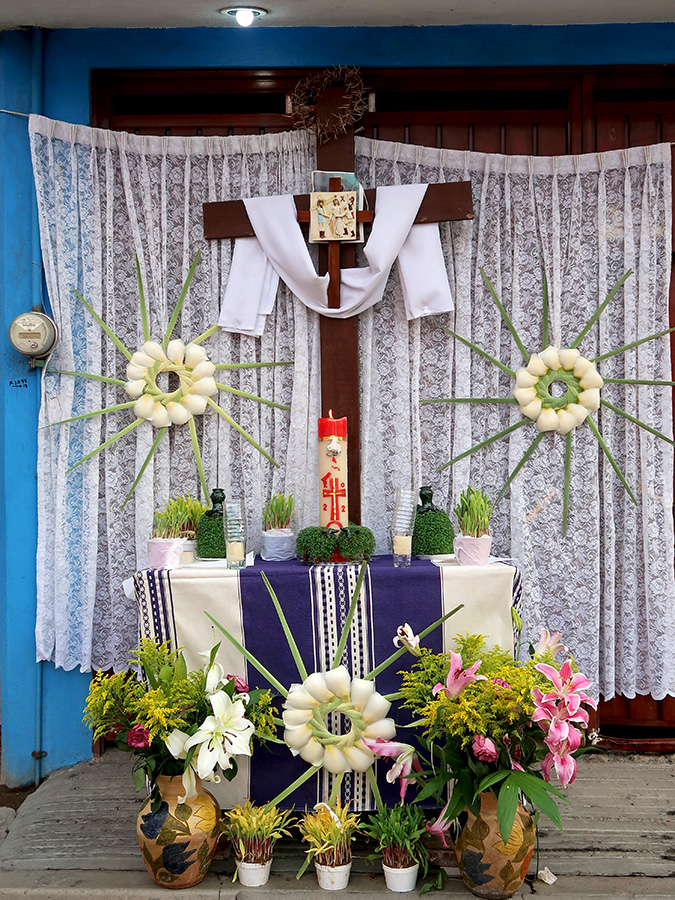
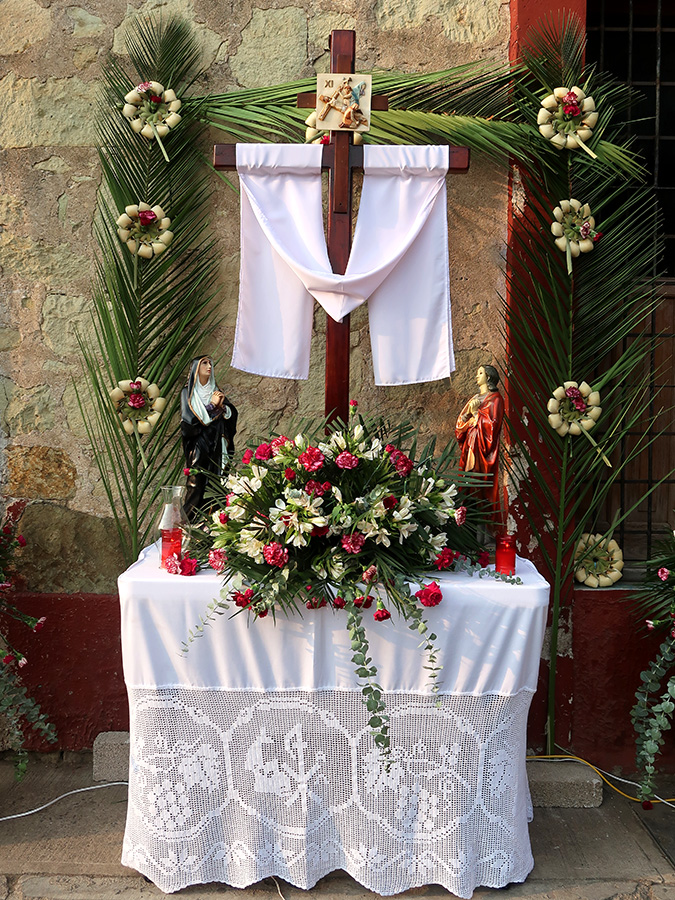
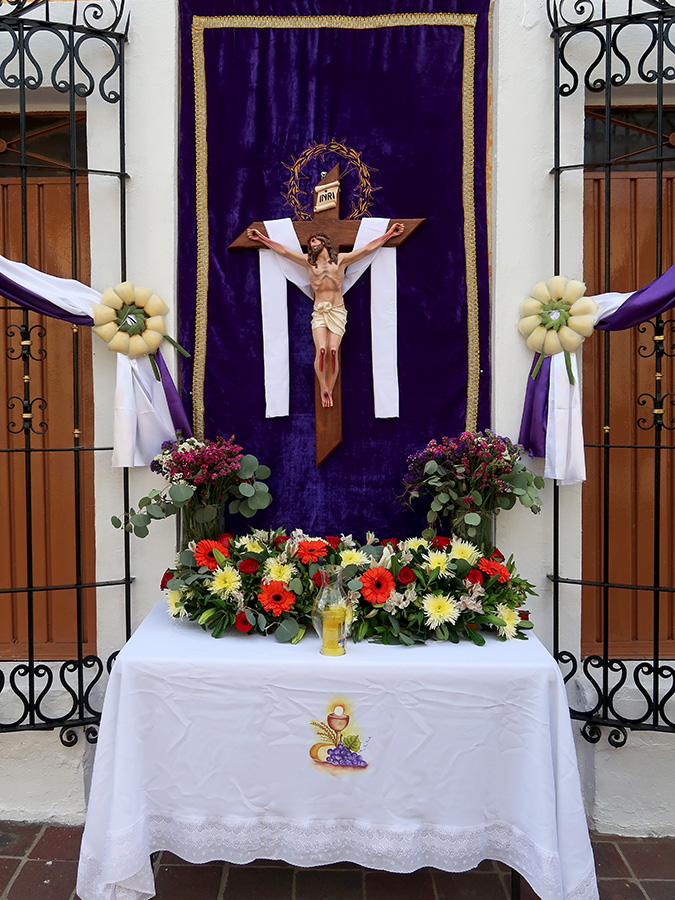
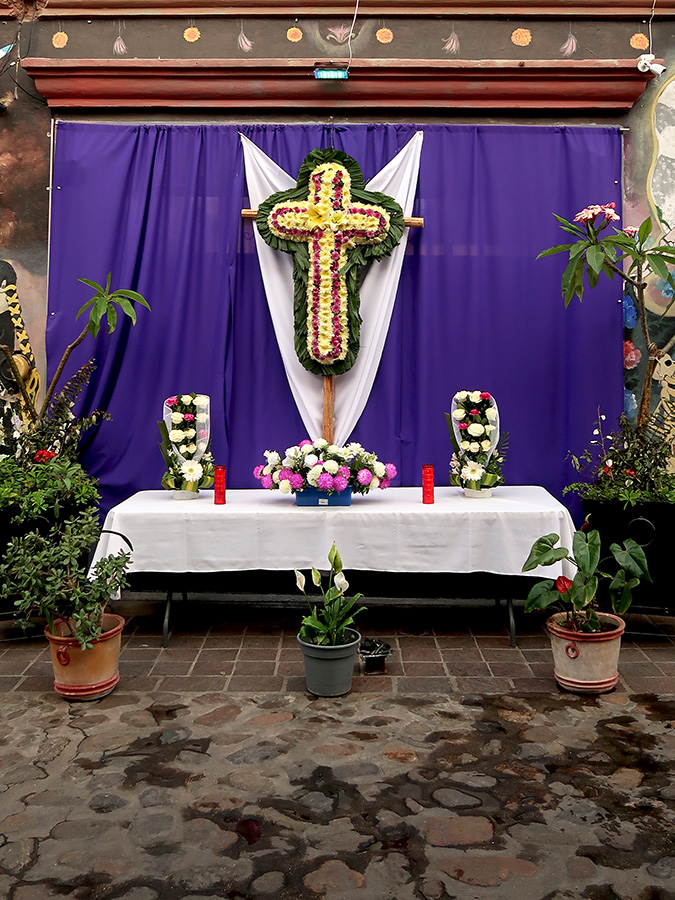
Yesterday, May 3, Mexico celebrated Día de la Santa Cruz (Day of the Holy Cross). Tradition calls for workers to erect crosses festooned with flowers at the highest point on construction sites. According to Mexconnect, in 1960, Pope John XXIII removed Día de la Santa Cruz from the liturgical calendar, but Mexico being Mexico and construction workers being construction workers, they ignored the Pope. Eventually, understanding the relationship of forces, he gave Mexico a special dispensation to celebrate on this day.
In the Zapotec village of Teotitlán del Valle, the custom is to climb their sacred mountain, el Picacho (Quie Guia Betz in Zapotec). The trail winds along the face of the mountain with almost no shade. It’s a challenge, but the vistas and community spirit at the top makes it well worth it. As I sit here (still) in el norte at the foot of Mt. Tamalpais, my sacred mountain — mountain of my childhood dreams, teen driving lessons, and place of retreat — I’m remembering the last time I climbed el Picacho…
Except for the patter of rain and the sound of the occasional car on wet pavement, all is gray and quiet on this Good Friday in my San Francisco Bay Area home. I miss the colorful and creative sights and sounds of Viernes Santo in Oaxaca. Thus, today finds me looking back to the Santo Viacrucis (Holy Way of the Cross) procession last year in Barrio de Jalatlaco on Viernes Santo.
8th Station of the Cross where Jesús meets the women of Jerusalem.
1st Station of the Cross where Jesús is condemned to death.
7th Station of the Cross where Jesús falls for the second time.
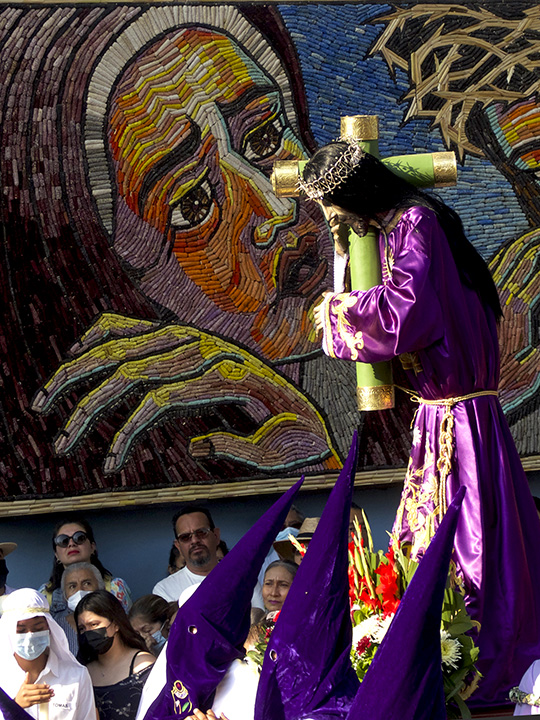
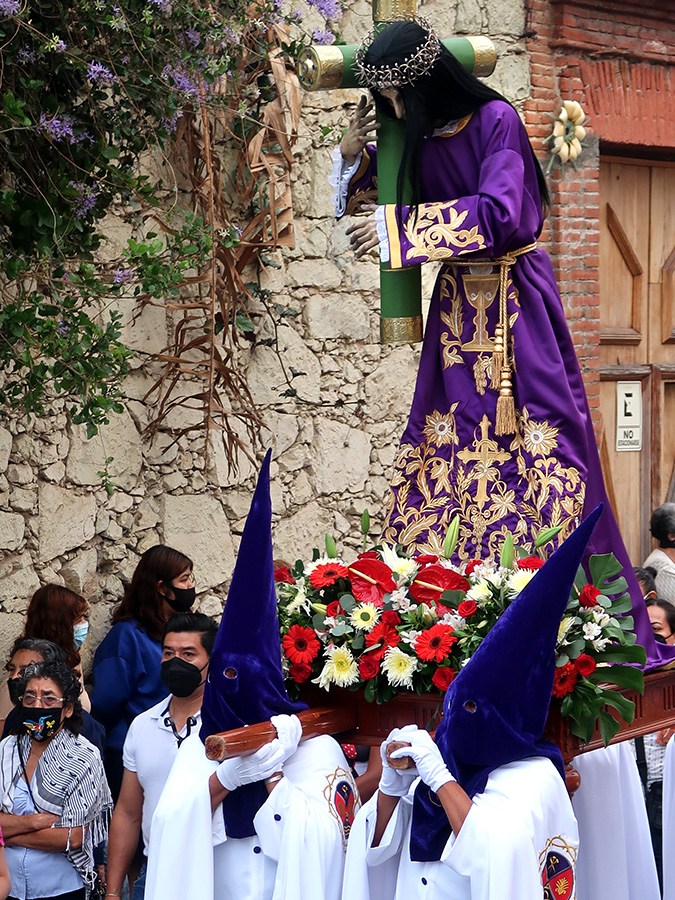
Jesús carrying the cross through the streets of the Jalatlaco neighborhood.
John the Baptist follows Jesús.
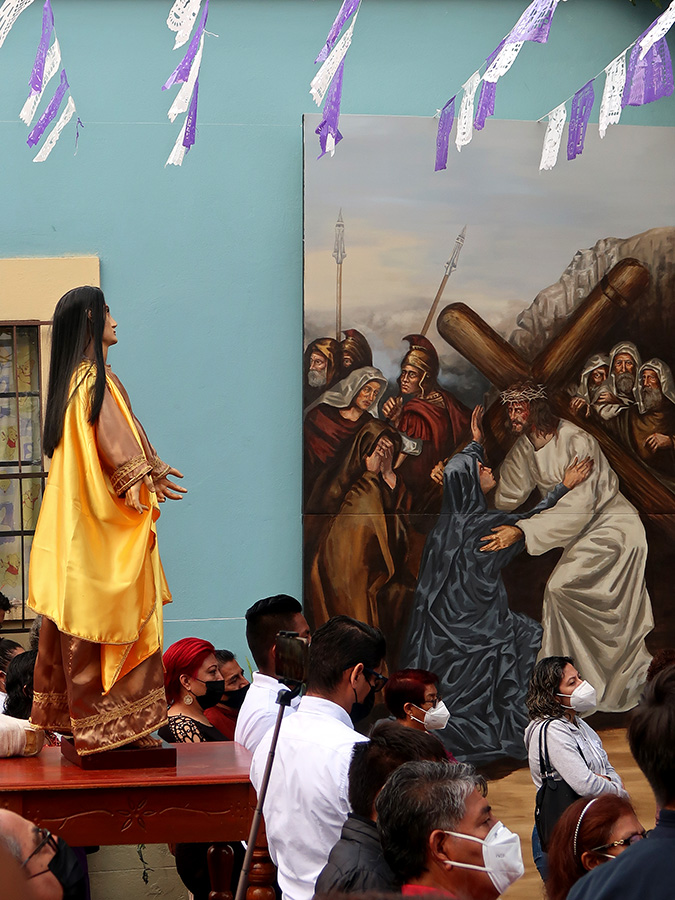
Mary Magdalene following Jesús.
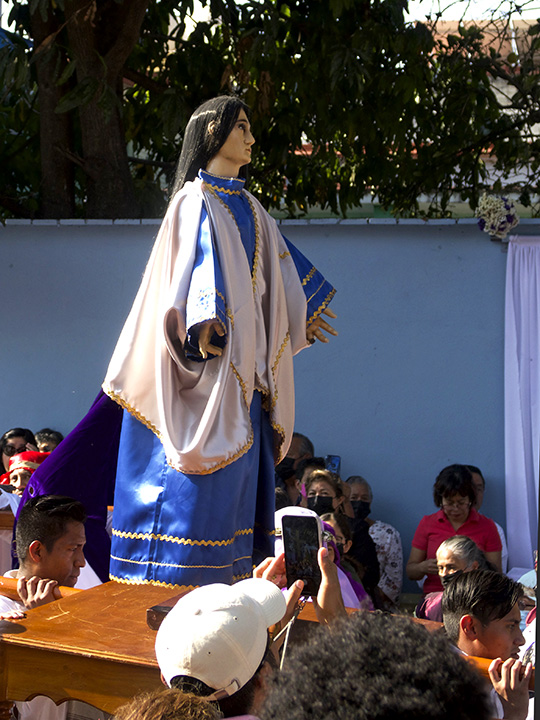
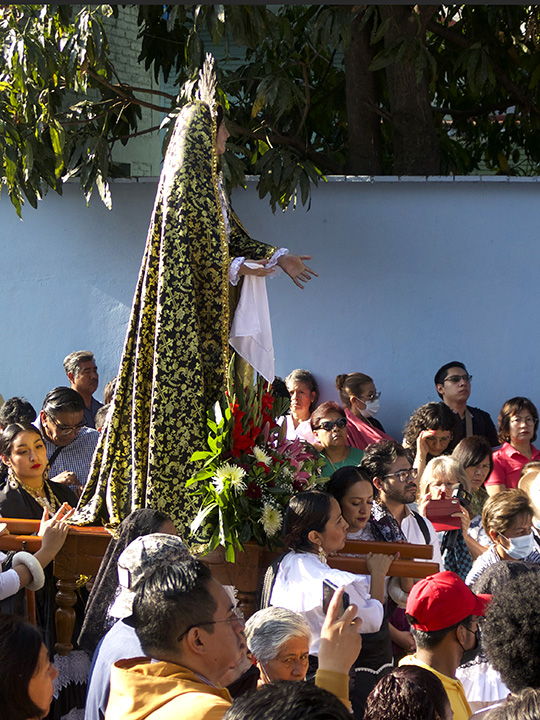
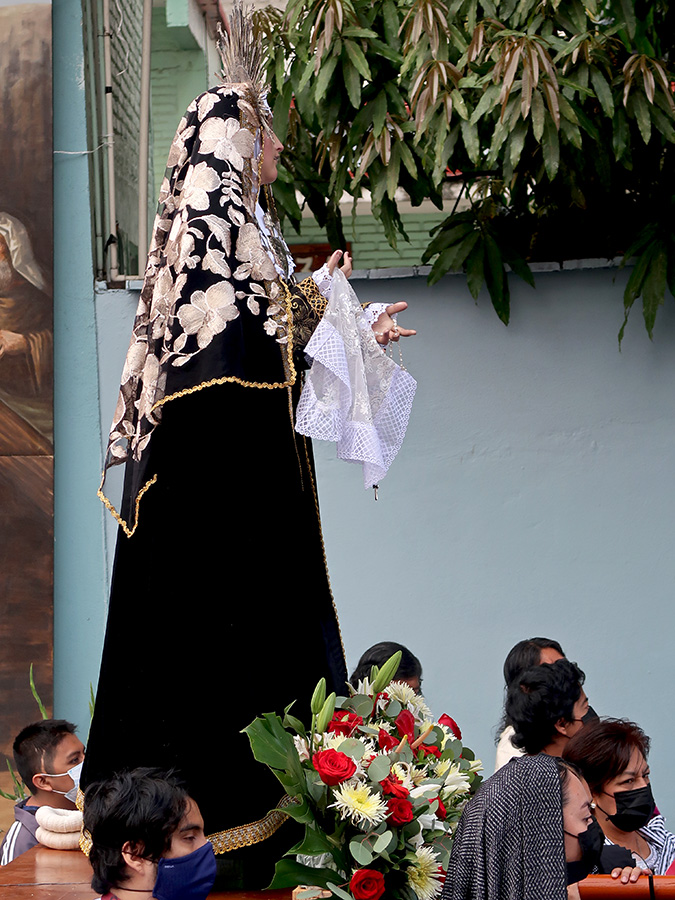
María heading toward her final encuentro (meeting) with her son.
Jesús enroute to his final encuentro (meeting) with his mother.
María and Jesús in their final encuentro (meeting).
While I don’t subscribe to any religion, the people of Oaxaca, their devotion, and their creativity in celebrating their faith always moves me.
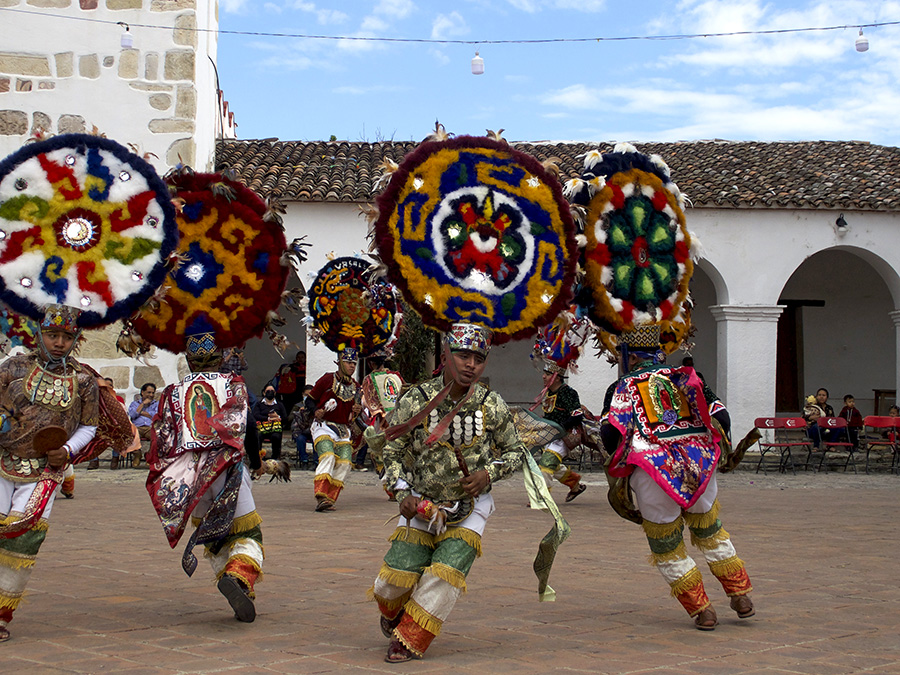
All over Mexico on December 12th the country pauses to honor and celebrate the Virgin de Guadalupe, also known as the Queen of Mexico, Empress of America, and patron saint of Mexico. And, there is no place I would rather be on this day than in Teotitlán del Valle watching the Danza de la Pluma. The dance is a ritual reenactment of the battles between the Aztec and the Spanish conquistadors. In this Zapotec village, the dancers make a 3-year religious commitment to perform it at the four major religious festivals each year, including Guadalupe.
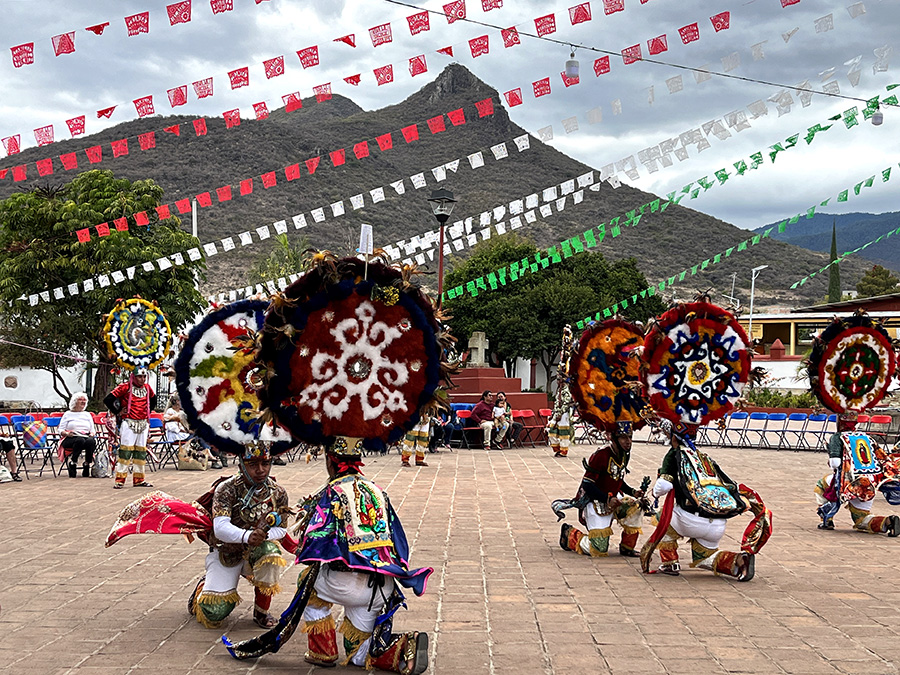
Members of the Danza de la Pluma Promesa 2022-2024 entering the atrium of Templo de la Preciosa Sangre de Cristo.
Malinche, Moctezuma, Doña Marina, and danzantes.
Dancing under the watchful gaze of the sacred mountain, Cerro Picacho, Quie Guia Betz in Zapotec.
Danzantes “leaning in” during one of the 40+ dances of the Danza de la Pluma.
Moctezuma preparing to leap during one of the dances.
Members of the Danza de la Pluma Promesa 2022-2024 and their band.
A profound muchisimas gracias to the people of Teotitlán del Valle for always being so warm and welcoming.
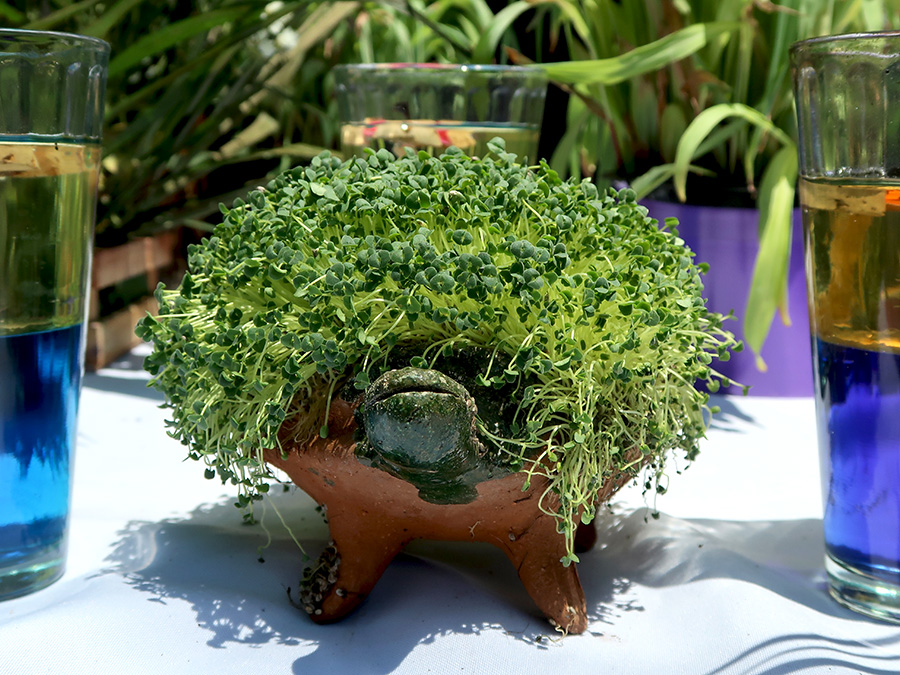
As Semana Santa approached, Oaxaca’s annual invasion of the Chia Pets began. On altars in churches, homes, and businesses, terracotta animals sprouting Chia appeared.
Good Friday 2023 – 5th Station of the Cross in Barrio de Jalatlaco.
Before you lament commercialized products from the USA intruding on the sanctity of Holy Week, I can happily report Salvia Hispanica (aka, chia) filled clay animals were symbols of the season long before Joe Pedott ever set foot in Oaxaca in the late 1970s and “discovered” them.
According to an article in MexConnect, “Growing greens remind the viewer of the resurrection and renewal of life.”
Native to Mexico, Salvia hispanica was the third most important food (after corn and beans) of the Aztecs as chia seeds are high in protein and omega-3 fatty acids. By the way, the name of the Mexican state of Chiapas comes from Chiapan, an ancient city whose name in Náhuatl means, “the place where the chia sage grows.”
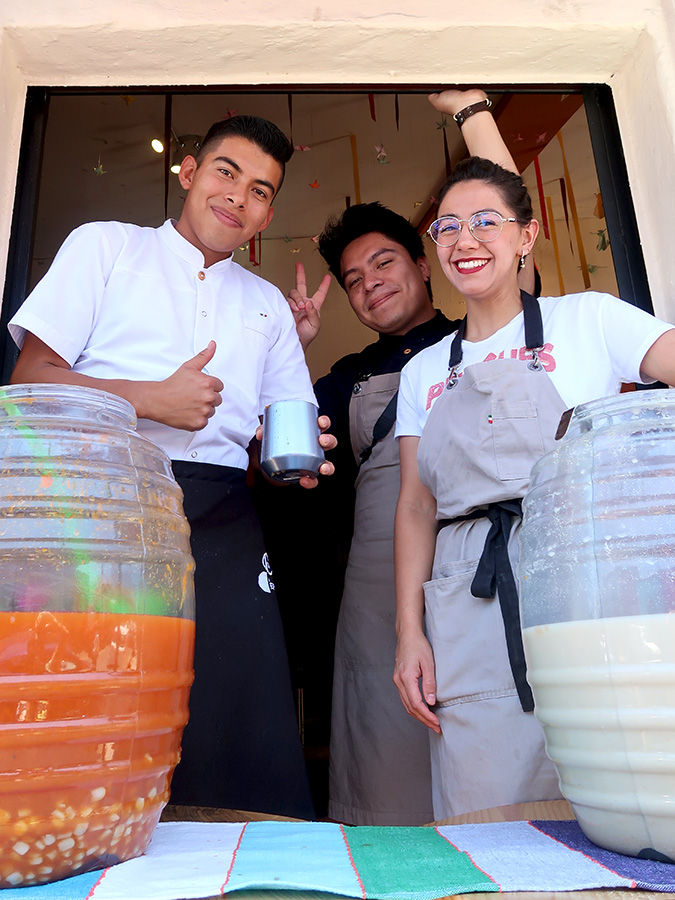
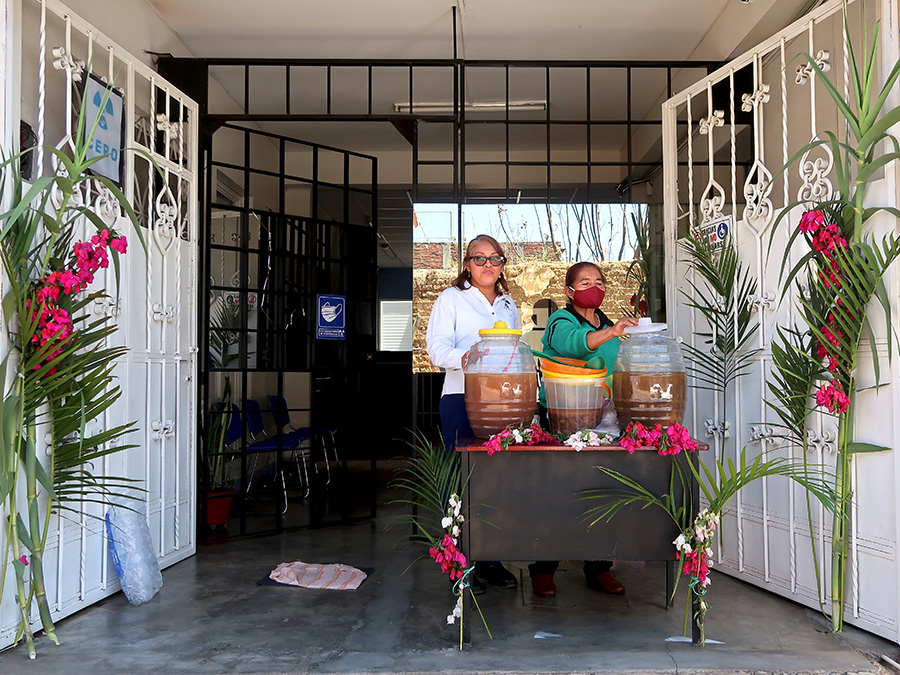
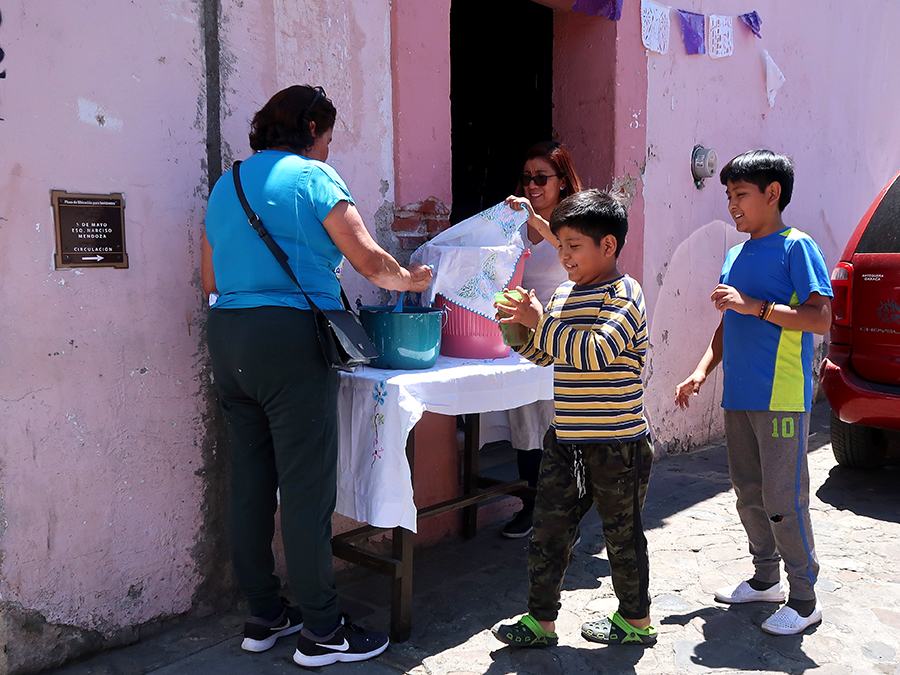
The day before yesterday, there was water, water everywhere and lots of drops to drink! It was the fourth Friday of Lent, Día de la Samaritana, an “only in Oaxaca” celebration.
Xocote restaurant on Calle Antequera, Barrio de Jalatlaco.
The Day of the Good Samaritan was inspired by the Gospel of John story in the New Testament when a tired and thirsty Jesus, on his way to Galilee, asks a Samaritan woman at Jacob’s Well in Sychar for some water. The request was highly unusual because, according to the Old Testament, “Jews regarded the Samaritans as foreigners and their attitude was often hostile.” The woman complied with his request and the rest is history.
Laboratorio de Análisis Clínicos Qualis on 5 de mayo, Barrio de Jalatlaco.
Celebrating the Good Samaritan in Oaxaca began in the atria of churches at the end of the 19th century and is a popular and much-loved tradition. People of all ages, from small children to grandparents, line up at bougainvillea and palm decorated booths in front of churches, restaurants, businesses, and schools for the traditional Día de la Samaritana free flavored waters.
Santa Hierba restaurant, 5 de mayo, Barrio de Jalatlaco.
By noon, masses of people had gathered in the atrium of the local church, Templo de San Matías Jalatlaco, where two long rows of tables, under the shade of the tented atrium, were lined with massive bowls filled with colorful aguas on offer. However, I preferred to avoid the crowds and wander through the streets of my Jalatlaco neighborhood.
Miscelánea Tepeaca, 5 de mayo, Barrio de Jalatlaco.
By the way, we are not talking plain water, these are divinely flavored aguas frescas made with fresh fruits, herbs, flowers, and more — jamaica (hibiscus), horchata, chilacayote (squash), tamarindo, sandia (watermelon), and tejate.
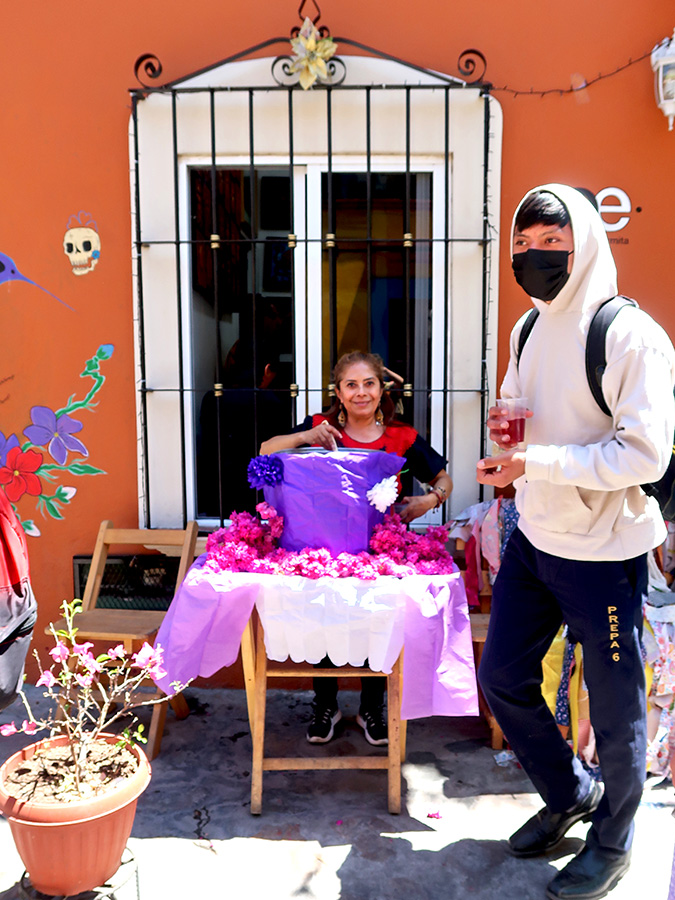
Espacio Ermita Arte y Diseño, Calle Hidalgo, Barrio de Jalatlaco.
In the name of the environment, an appeal was made for people to bring their own cups. And, I think a majority complied!
Asador Bacanora, 5 de mayo, Barrio de Jalatlaco.
After almost two hours, three aguas, and being surrounded by smiling people enjoying this celebration of generosity, I returned home with my heart full of gratitude for this Oaxacan tradition. I love this day and the message it imparts and the way it brings neighbors together.
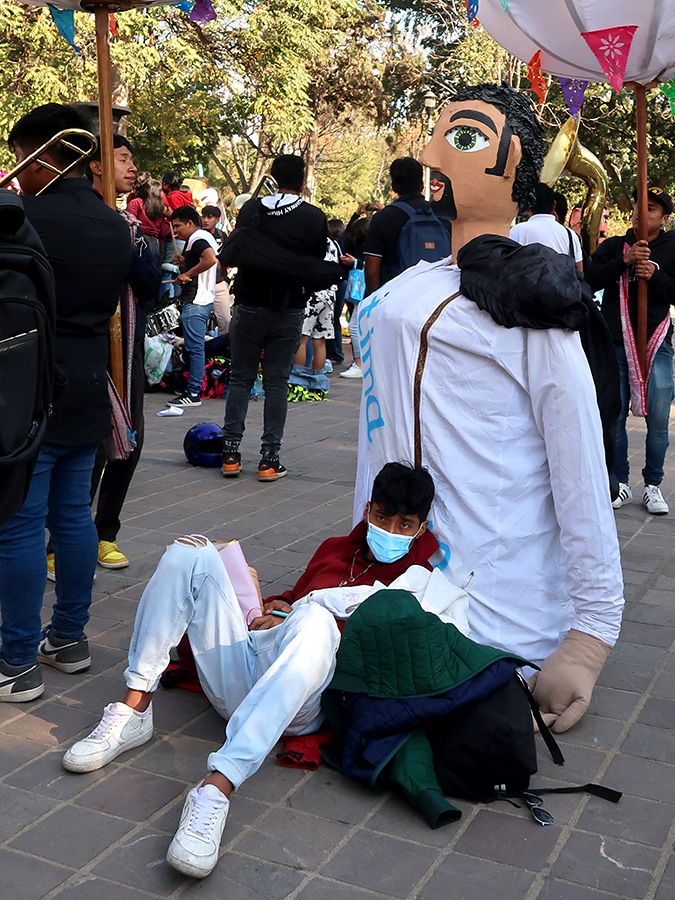
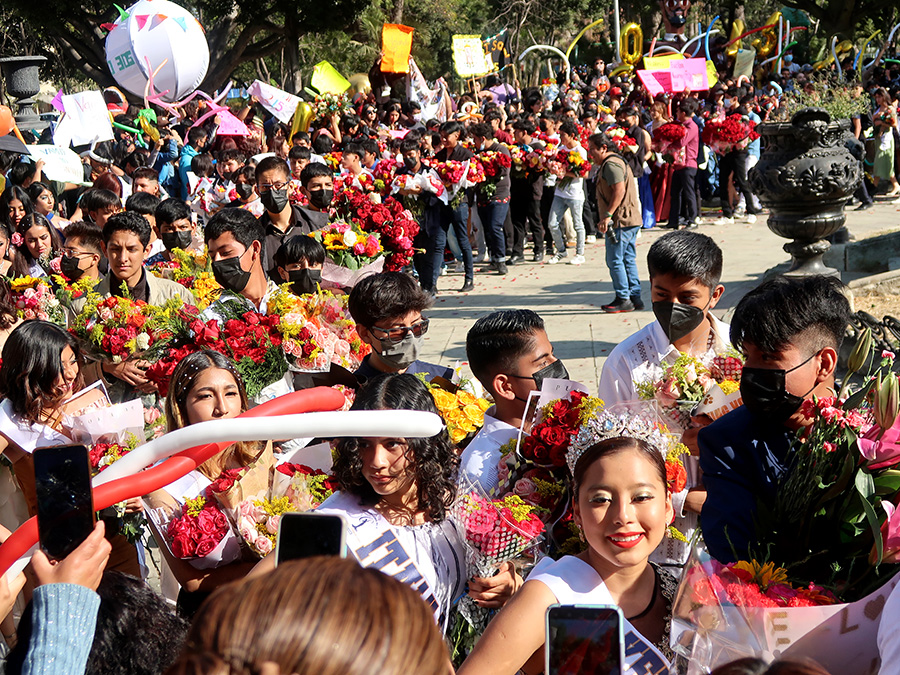
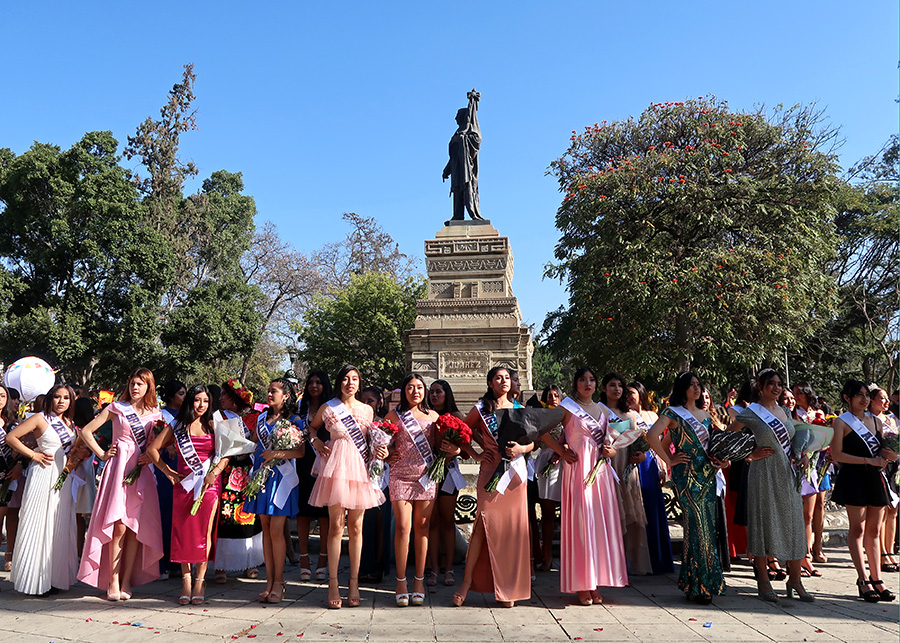
Should you find yourself in Llano Park early on a Friday morning during Lent, your senses will be assaulted with the cacophony of multiple bands (playing different tunes at the same time!), twirling marmotas, dancing monos, cheering students, young men loaded down with flowers, and young women dressed to the nines circling the statue of Benito Juárez.
Viernes del Llano (aka, Paseos Florales del Llano) is a fifty year old “only in Oaxaca” tradition held during the first five Fridays of Lent. Apparently, dating back to the 19th century, Oaxaca had a tradition, promoted by the church, of paying homage to women for the important role they play in the support of the family. The ritual died out, but was resurrected in the seventies by the Universidad Autónoma Benito Juárez de Oaxaca (UABJO) to recover “religious and family values.”
The tradition was put on hold during the pandemic, but is back in full force. I was in Teotitlán del Valle for this year’s first paseo but, along with my neighbor, attended the second one on March 3rd featuring Preparatoria 6. It must be a very large school as there were 85 participants.
The winners (photos below) were announced in five different categories — that in English translated (approximately) to: Miss Photogenic, Miss Social Media, Godmother of Flowers, Best Cheerleader, and Godmother of Friday.
While it is very colorful, joyous, fun to observe, and is a lucrative day for flower vendors, this article (in Spanish) raises some obvious questions, including: Is this tradition or sexism? And, is this something educational institutions should be promoting?
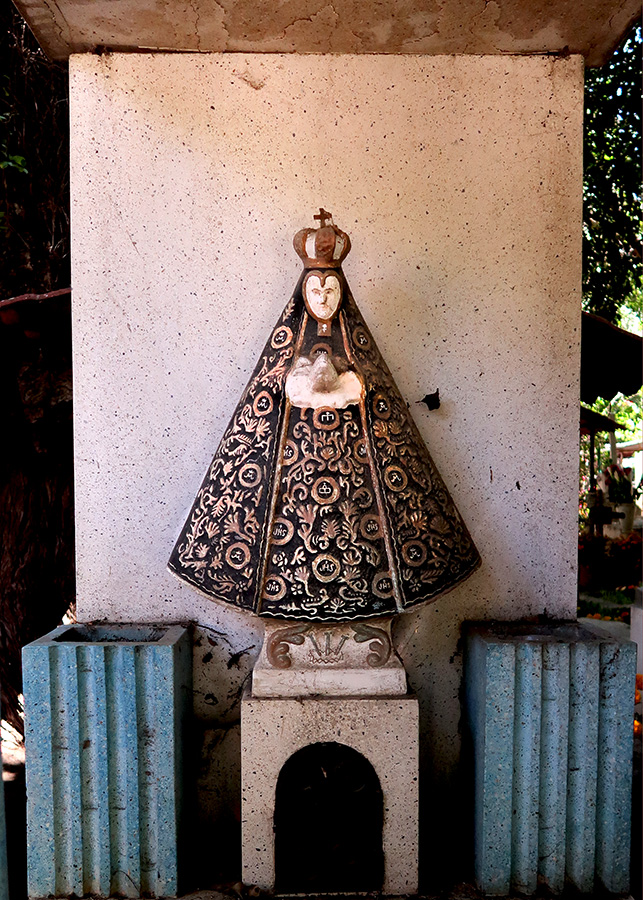
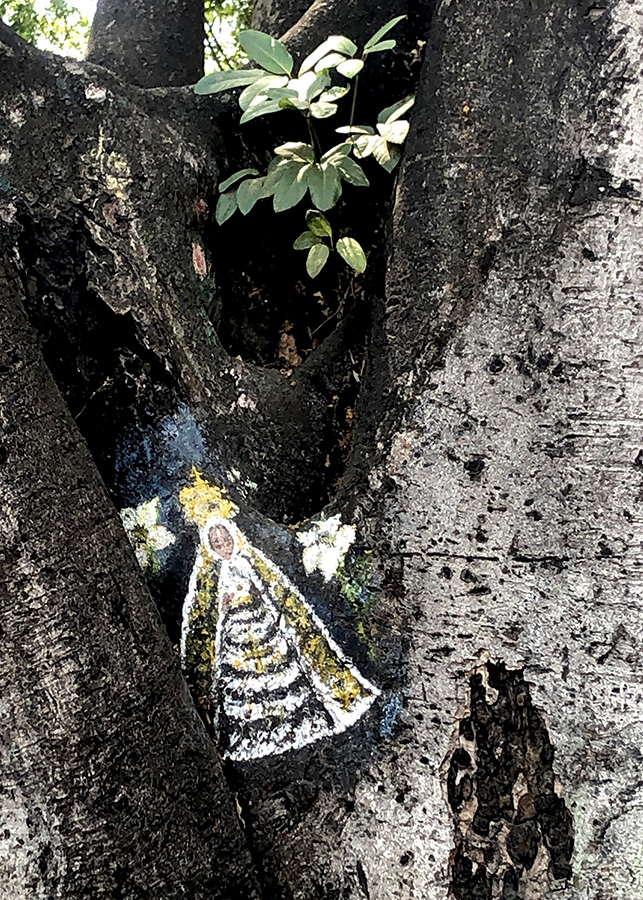
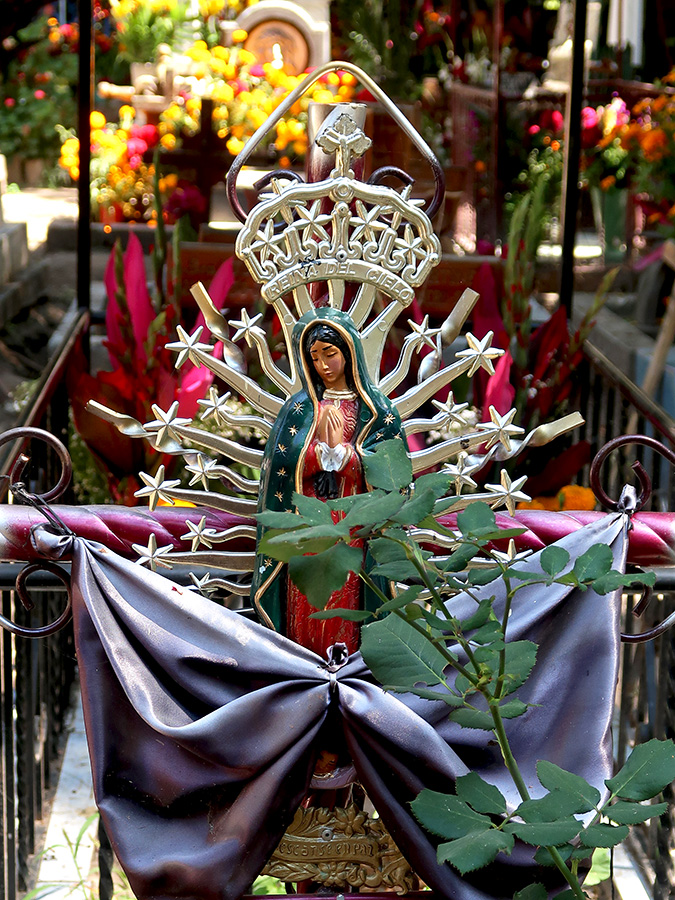
December 18th is a day fit for a queen. It is the day Oaxaca honors her patroness and queen, La Santísima Virgen de la Soledad (Our Lady of Solitude). Always rendered with hands clasped in prayer, this portrayal of the Virgin Mary contemplates the death of her son.
Image of La Virgen de la Soledad on a garden altar at Almú restaurant in San Martín Tilcajete, Oaxaca.
Image of La Virgen de la Soledad at a grave site in Tlacolula de Matamoros, Oaxaca.
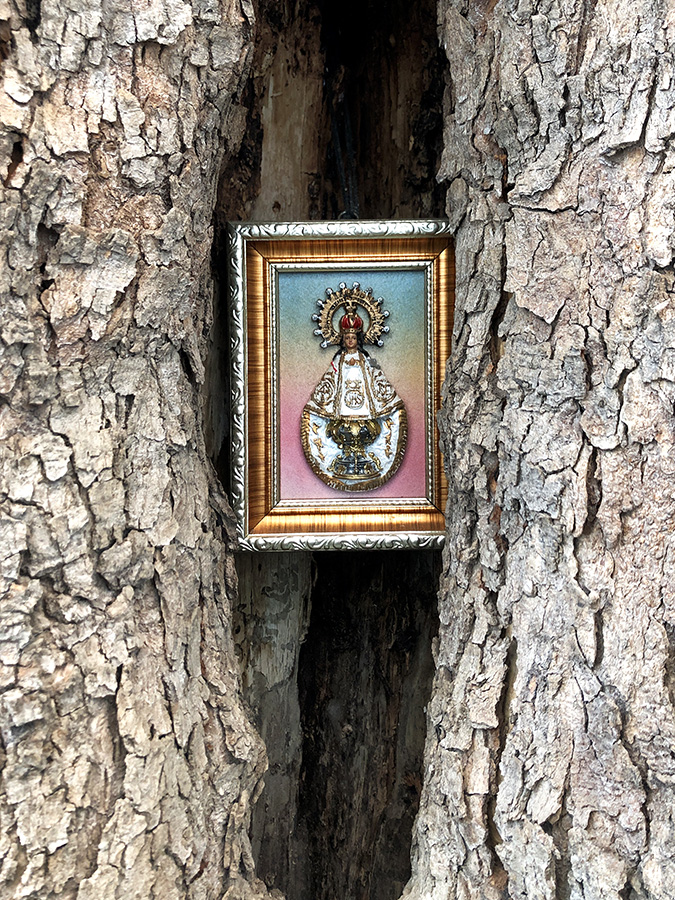
La Virgen de la Soledad painted into the crevice of an Indian Laurel tree in the Zócalo of Oaxaca city.
Though currently 2000 miles away from my Oaxaca home, I’m sending happy feast day wishes to Our Lady of Solitude and the people of Oaxaca.
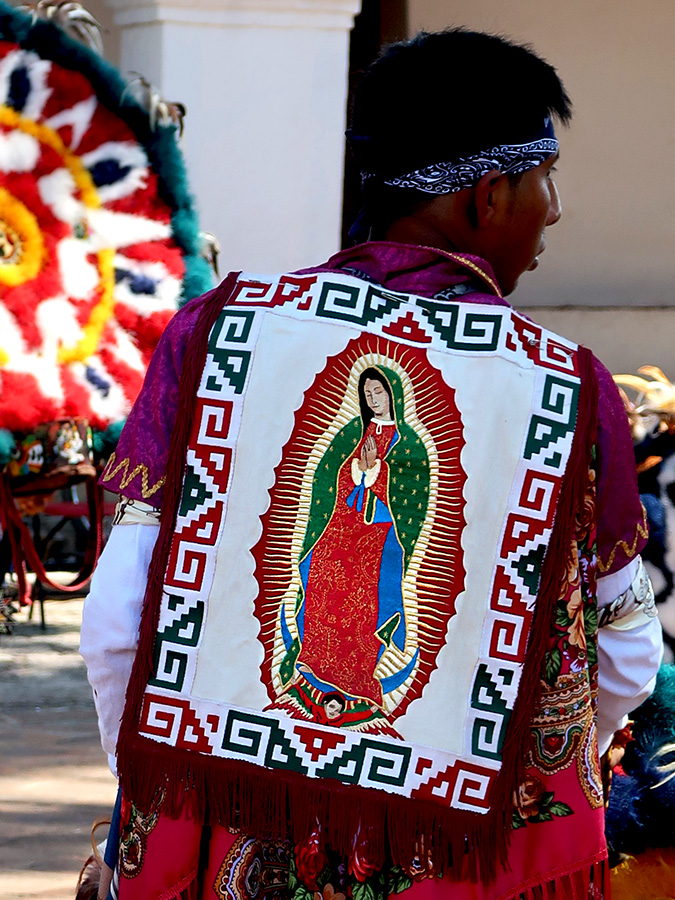
In Oaxaca, at any time of year, images of la Virgen de Guadalupe (Our Lady of Guadalupe) are never far away.
April 8, 2022 – Wall of a building on Calz. de la República, Oaxaca city.
March 24, 2022 – Wall inside Casa Ocho Regiones, Oaxaca city.
November 2, 2022 – Cemetery in Tlacolula de Matamoros.
February 3, 2022 – Guadalupe (on the right) at the restaurant Almú in San Martín Tilcajete.
However, today, December 12, is Día de la Virgen de Guadalupe and she and her image are being celebrated — including by the danzantes of Danza de la Pluma Promesa 2022-2024 in Teotitlán del Valle.
The legend of La Virgen de Guadalupe is known to every Mexican, every person of Mexican descent, and probably every foreigner who calls Mexico home. The image of this dark-skinned Virgin Mary who spoke Náhuatl is as imprinted on the national consciousness as she was on Juan Diego’s legendary tilma (cloak).
This morning, before dawn broke, the booms of cohetes celebrating Día de la Virgen de Juquila woke me from a dreamy sleep. A rude awakening? Not really. After all these years, the sound makes me smile. The all-bang-no-bling rockets mean something is being celebrated. Since mid November, pilgrims from all over Latin America have been traveling to Santa Catarina Juquila, Oaxaca, Mexico. They arrive by bus, bicycle, motorcycle, on foot, and on their knees to pay homage, give thanks, and ask for blessings in front of the tiny image of la Virgen de Juquila. According to this article, they will continue to make the pilgrimage until December 28.
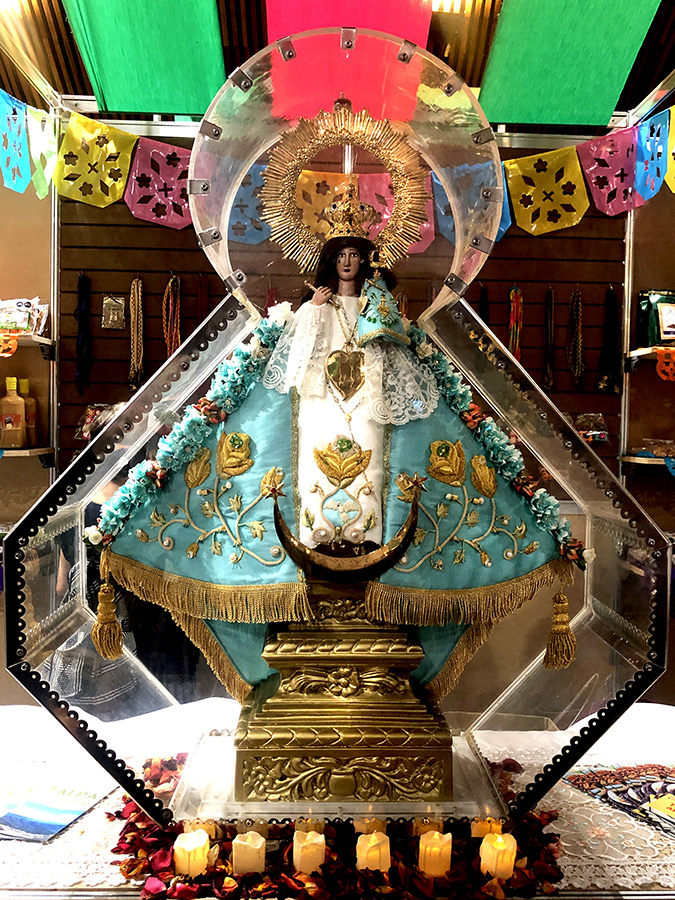
Image of the Virgin of Juquila on display in the booth of Santa Catarina Juquila at an exposition of Mexico’s Pueblos Mágicos held in Oaxaca.
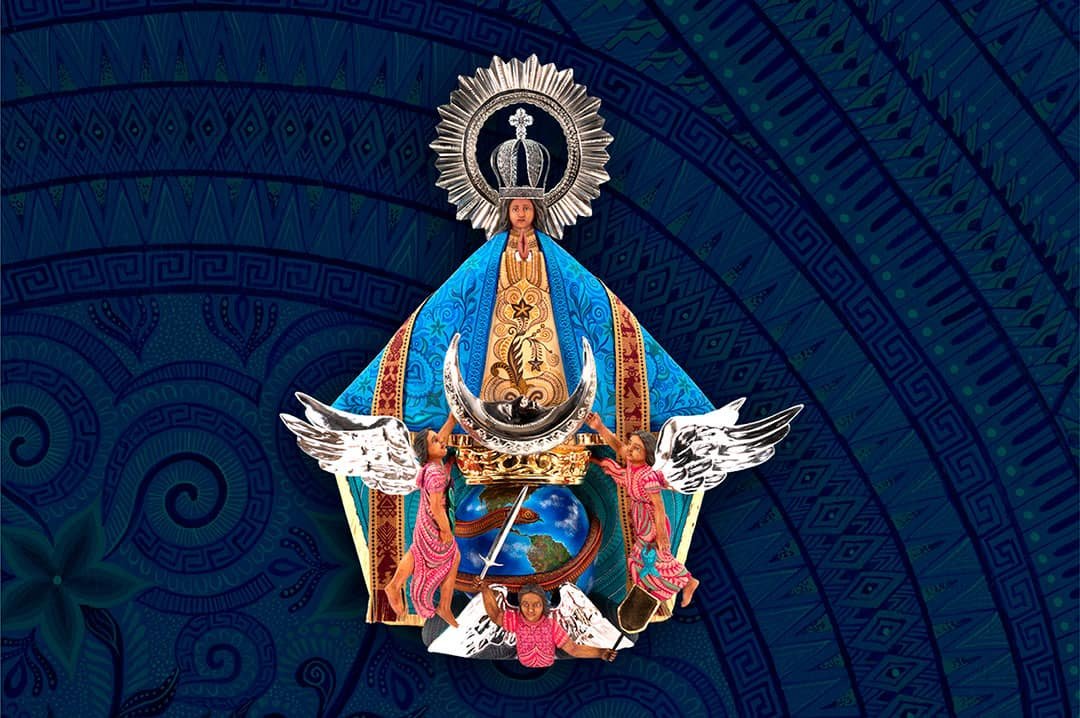
Why do they come? According to legend, in 1633, when a fire burned the Chatino village of Amialtepec to the ground, a small wooden statue of the Virgin Mary was rescued amidst the ashes. She was undamaged, save for her light skin color, which was permanently darkened by the smoke, causing her to more closely resemble the Chatino people, who live in this remote mountainous region between Oaxaca city and the Pacific coast. Local priests declared her survival a miracle and her veneration commenced. However, that wasn’t the end of the story; the priest in the village of Santa Catarina Juquila convinced the “powers that be” that she should be moved to the bigger and better church in Juquila. She, however, had other ideas and returned to Amialtepec. This back and forth continued another three times. Finally, in 1719, La Morenita (the dear dark one), as she had come to be known, gave up her traveling ways and agreed to call Santa Catarina Juquila her permanent home.
Image of the Virgin of Juquila nestled on an altar in the garden of the restaurant Almú in San Martín Tilcajete.
She “is a symbol of love, of protection, of justice, of peace, of respect for human dignity.” And, because of her indigenous roots, “the homage to the Virgin of Juquila is similar to that rendered to the Virgin of Guadalupe, not only in Oaxaca, but also in Puebla, Tlaxcala, State of Mexico, Veracruz and Chiapas, as well as in the United States, for the religiosity of migrants.”
Image of the Virgen of Juquila on the home altar of a family in Teotitlán del Valle.
On October 8, 2014, la Virgen de Juquila received a papal coronation — hence the crown seen in images one, two, and four. And, on October 26, 2022, a delegation from Oaxaca traveled to Rome to present Pope Francis with a very special image of la Virgen de Juquila. It was a collaborative work carved and painted in the Jacobo and María Ángeles Workshop in San Martín Tilcajete, with metalwork by Conrado Villegas Alcázar and filigree work by the jeweler José Jorge García García, both from Oaxaca city. Her vestments were made by Elsa Abigail Mendoza Antonio from Santo Tomás Jalietza.
Yikes, I realized it’s been nine days since my last blog post. Time does, indeed, fly when you’re having fun. And, fun is what I’ve been having, especially during the last four days.
July 4, 2022 – Convite in Teotitlán del Valle for their patronal festival honoring Preciosa Sangre de Nuestro Señor Jesucristo.
July 5, 2022 – Morning hike in the hills of Teotitlán del Valle.
July 5, 2022 – Afternoon presentation of the Danza de la Pluma in honor of Preciosa Sangre de Nuestro Señor Jesucristo in Teotitlán del Valle.
July 6, 2022 – Full day of Danza de la Pluma honoring Preciosa Sangre de Nuestro Señor Jesucristo in Teotitlán del Valle.
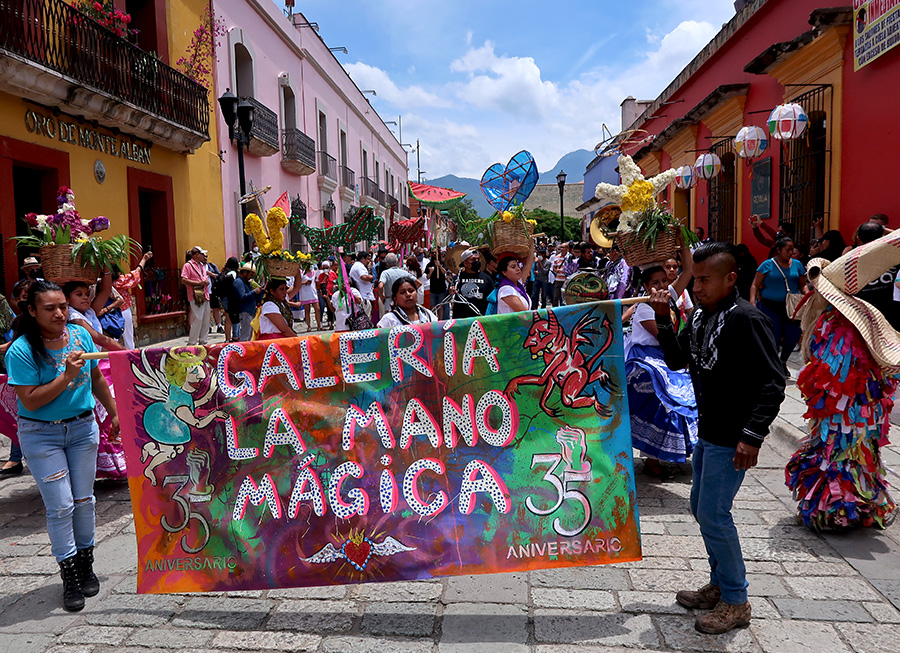
July 7, 2022 – Calenda celebrating the 35th anniversary of the Galería La Mano Mágica in Oaxaca city.
More on the convite, Danza de la Pluma, hike, and calenda to follow. But, first, a return to Teotitlán del Valle today for the final Danza de la Pluma presentation for this festival.
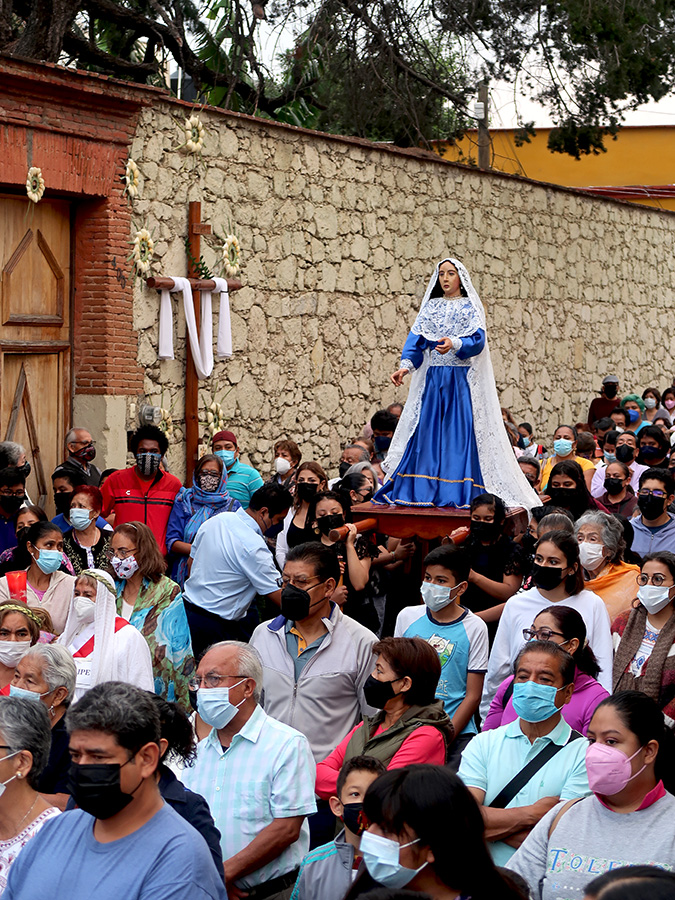
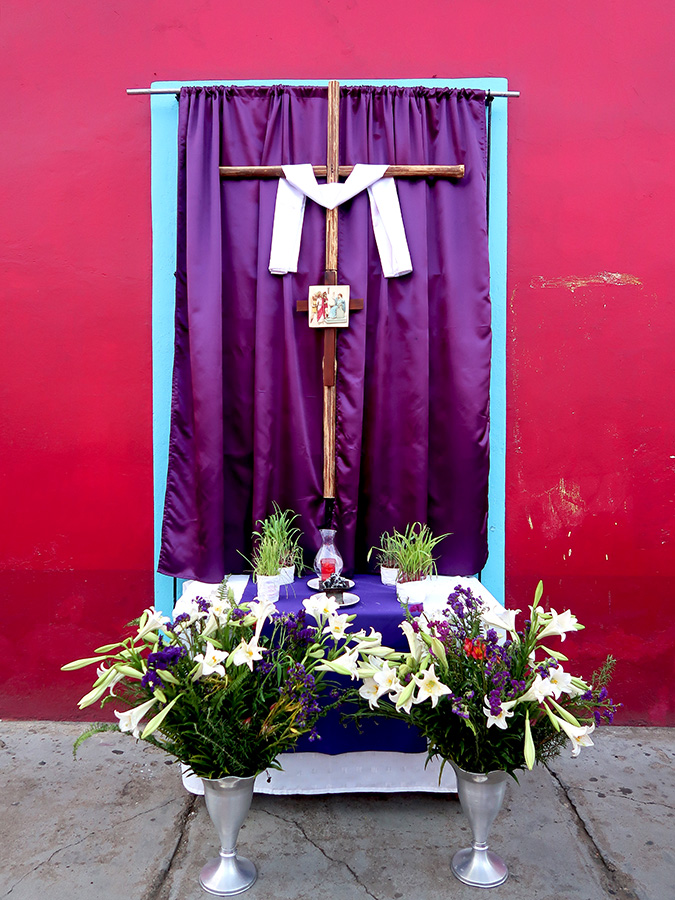
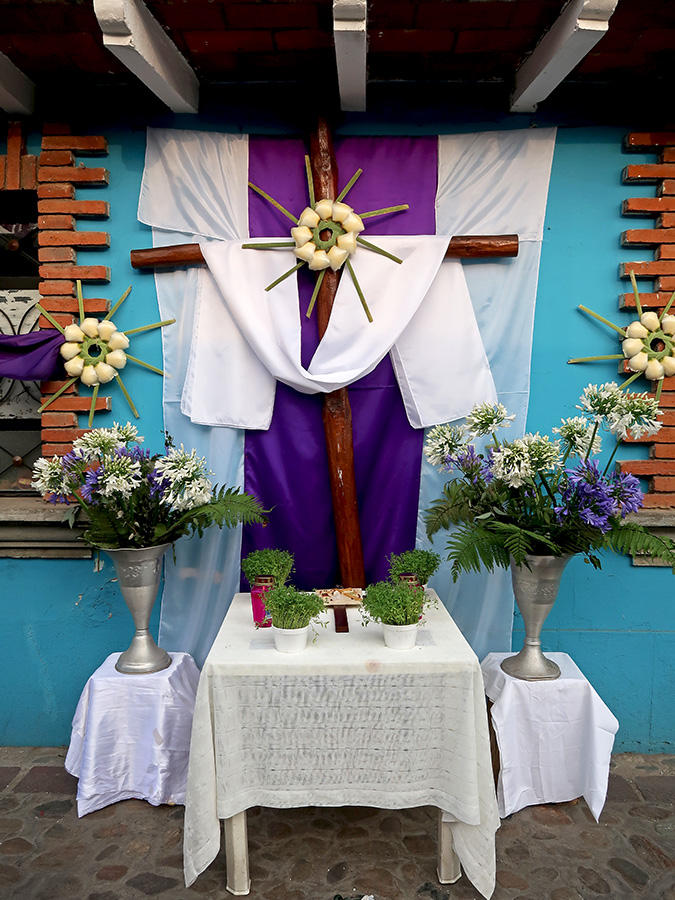
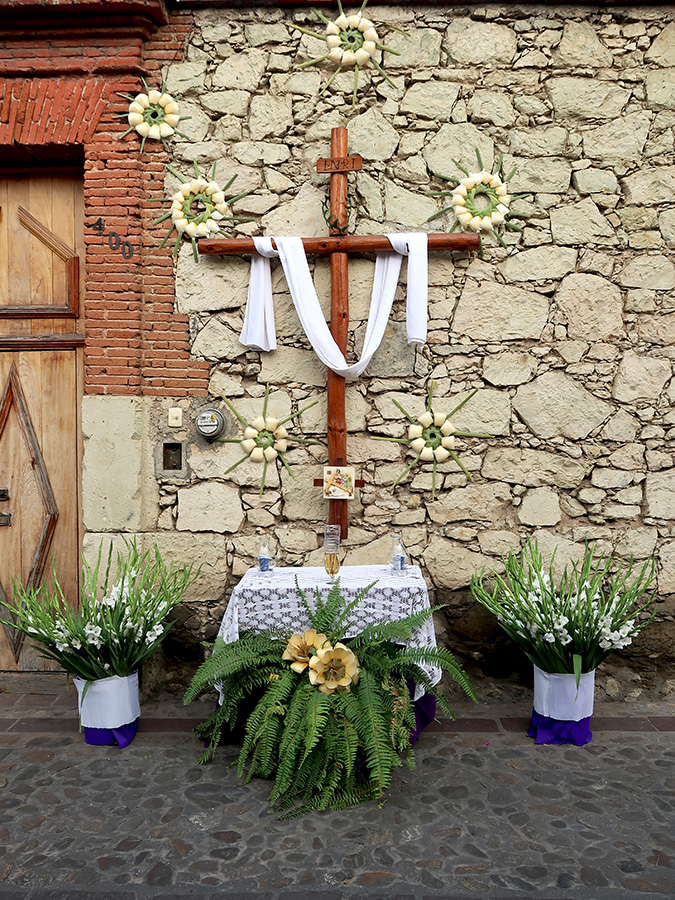
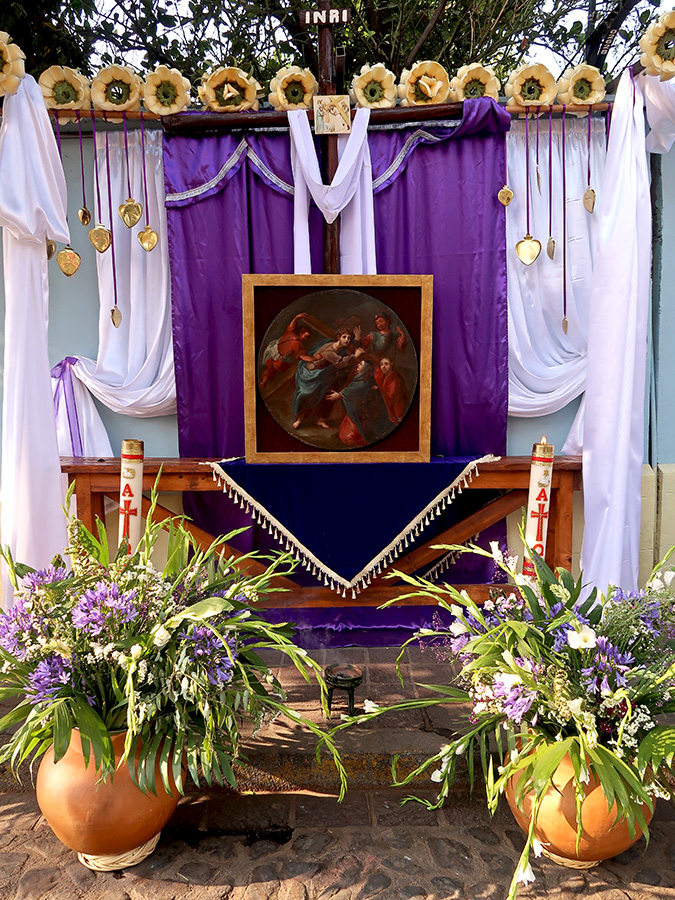
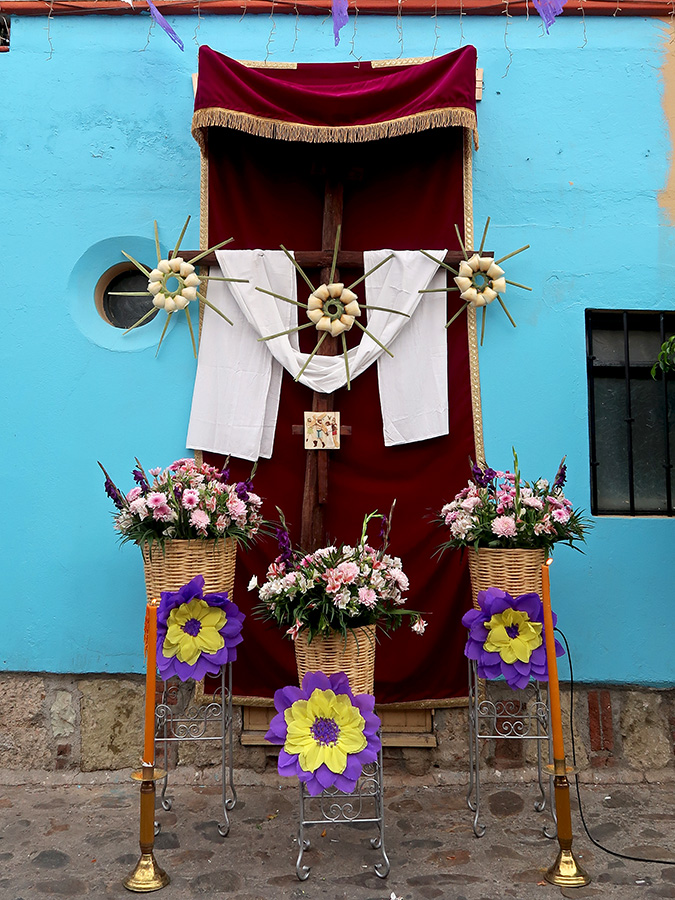
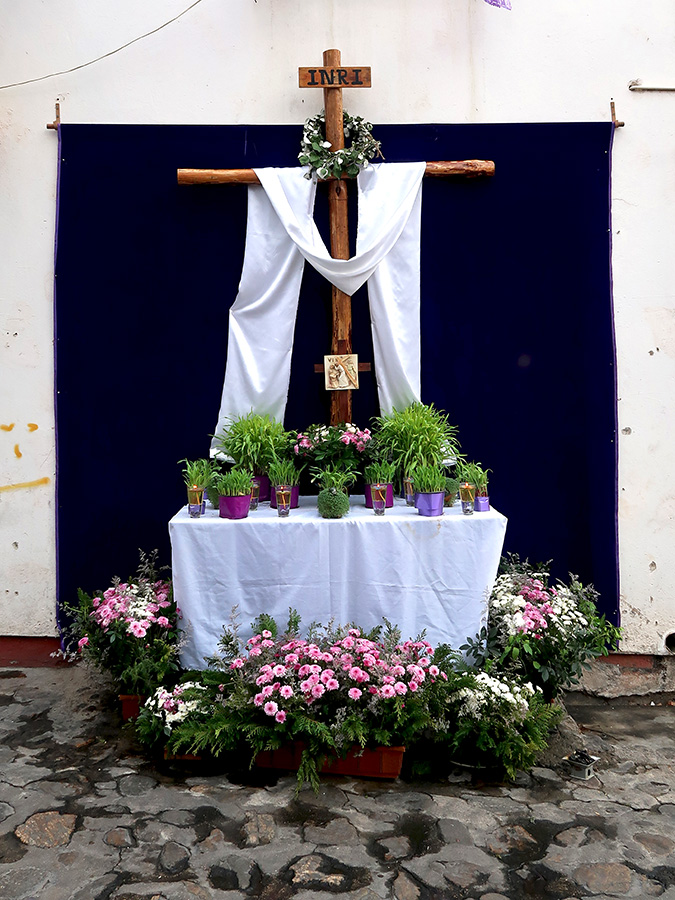
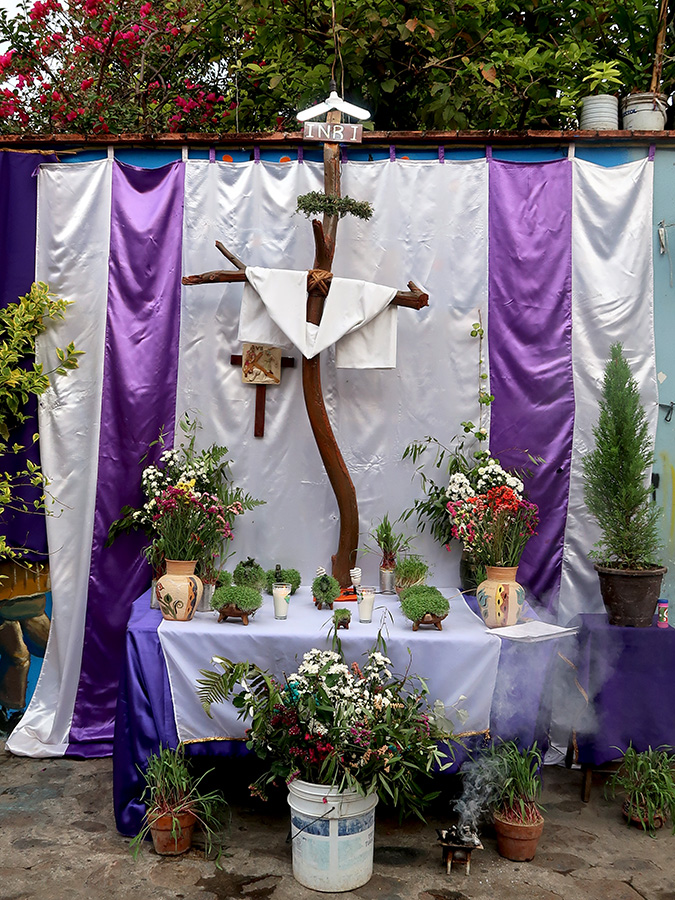
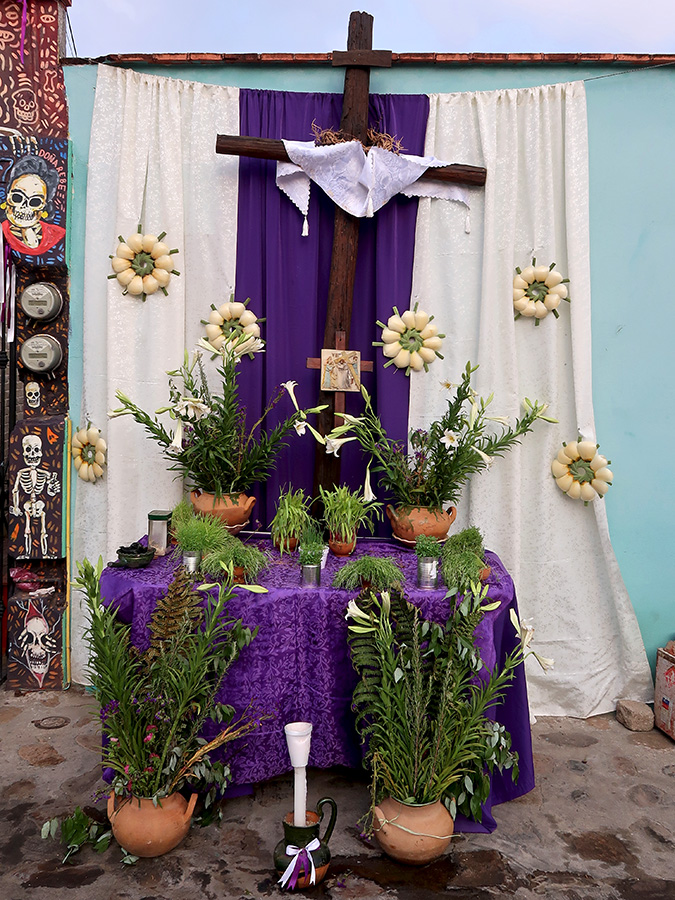
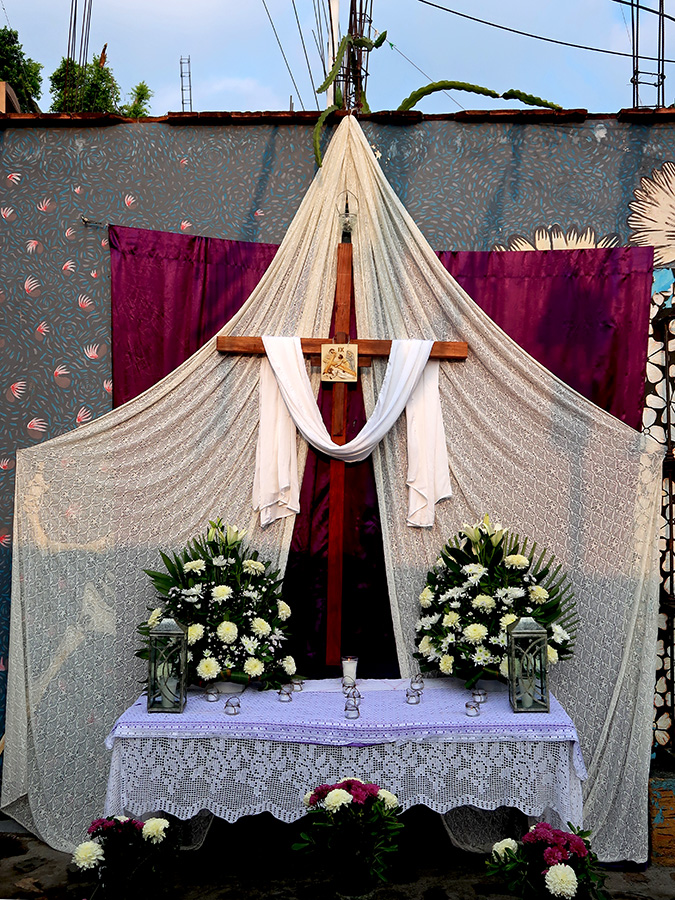
An albeit belated return to Semana Santa (Holy Week). Viernes Santo (Good Friday) in Barrio de Jalatlaco began early in the morning with a Santo Viacrusis along the cobblestone streets — a recreation of the path Jesus walked to his crucifixion. Its purpose is to allow the faithful to contemplate the Passion of Christ. The images of Jesus and Mary Magdalene, accompanied by a band and neighbors, stopped at each of the fourteen Stations of the Cross, that had been created throughout the neighborhood, where prayers were recited.
Image of Jesus being carried by Penitents.
Image of Mary Magdalene.
1. Jesus is condemned to death.
2. Jesus takes up his Cross.
3. Jesus falls for the first time.
4. Jesus meets his Mother.
At the fourth station, set up across from the Templo de San Matías Jalatlaco, Mary and John the Baptist (referred to here as, Juan, el primo de Jesús/John, the cousin of Jesus) joined the procession for the farewell encounter between Jesus and his mother.
Mary, Mother of Jesus.
John, the Baptist.
5. Simon of Cyrene helps Jesus carry the Cross.
6. Veronica wipes the face of Jesus.
7. Jesus falls for the second time
8. Jesus meets the women of Jerusalem.
9. Jesus falls for the third time.
10. Jesus is stripped of his garments.
11. Jesus is nailed to the Cross.
12. Jesus dies on the Cross.
13. Jesus is taken down from the Cross.
14. Jesus is laid in the tomb.
Following the procession, neighbors gathered in front of Templo de San Matías Jalatlaco for food and beverages that were available for sale at stalls set up on Aldama and Hidalgo. I came home with yummy enchiladas.
How wonderful it was to return to San Antonino Castillo Velasco on Domingo de Ramos and once again see and experience San Salvador atop his burro being piled high with the best and most beautiful bounty.
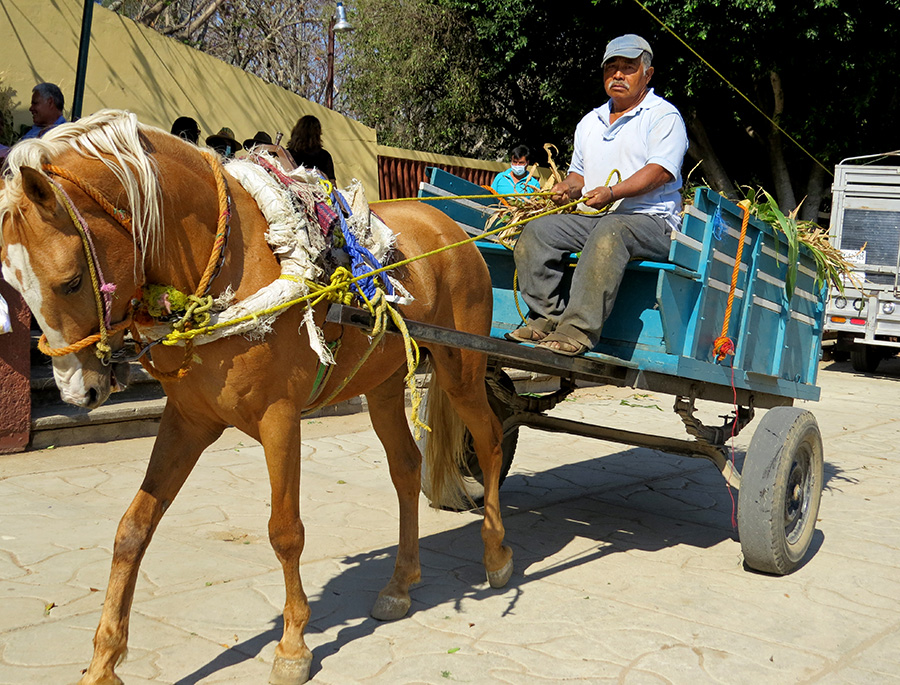
Covid precautions had caused the 2020 and 2021 Palm Sunday celebrations to be canceled. But, at long last, this year villagers, young and old, on bikes and on foot, in carts and in trucks, once again were allowed to return to the street outside the panteón (cemetery) bearing fruit, vegetables, herbs, breads, flowers…
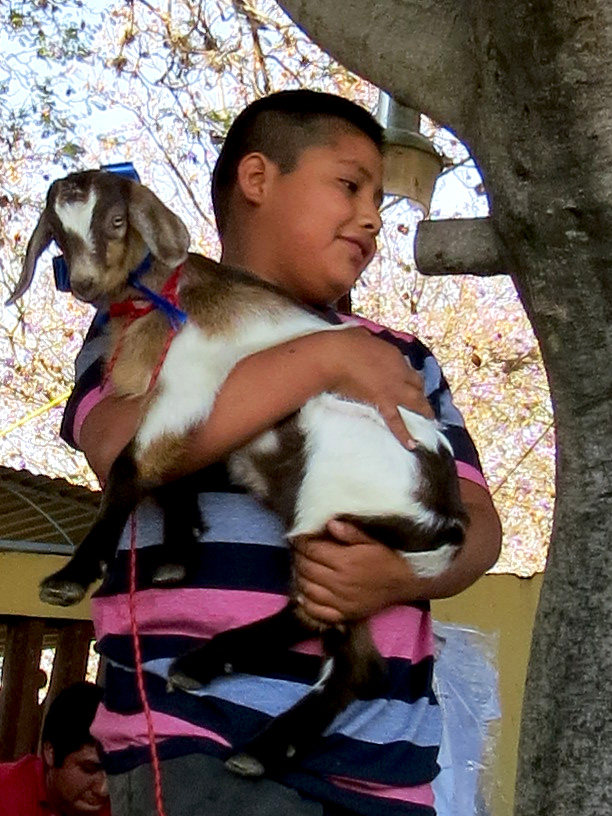
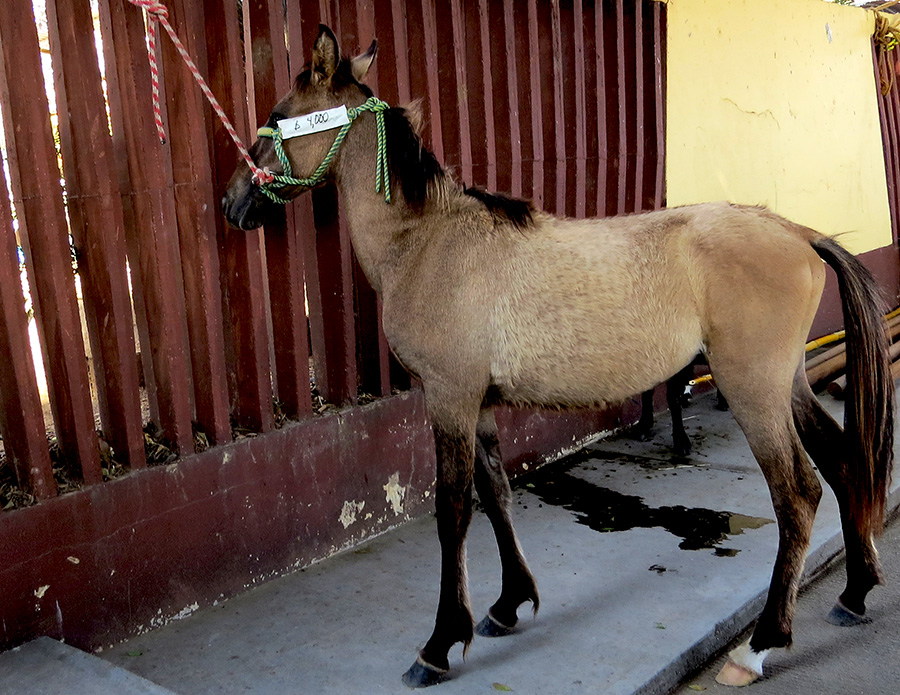
… and farm animals! Their offerings were received and priced by a committee — to be sold later in the day to benefit a local project. By the way, the price tag for the colt read $4000 pesos.
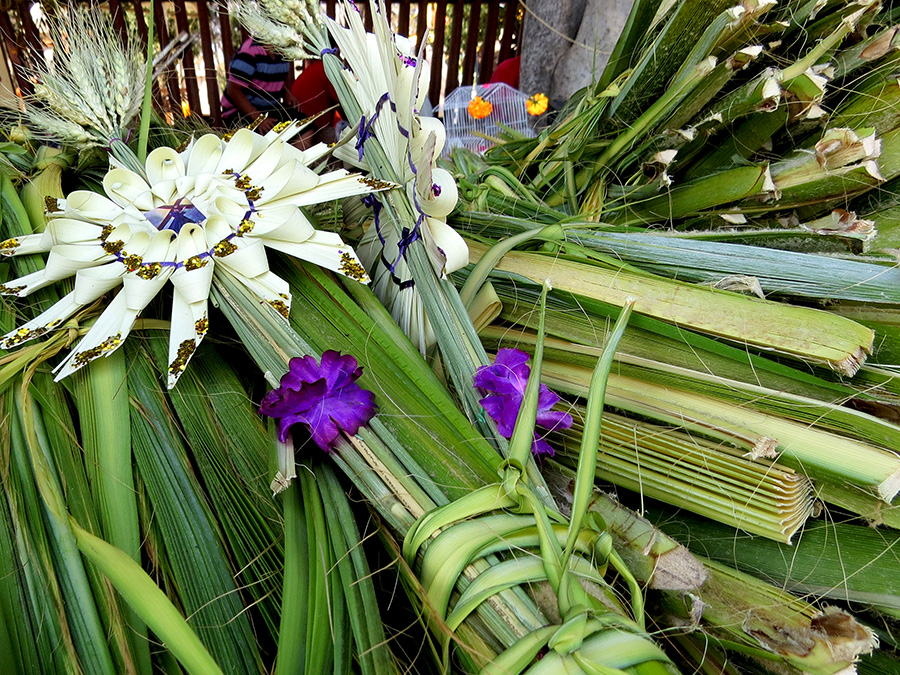
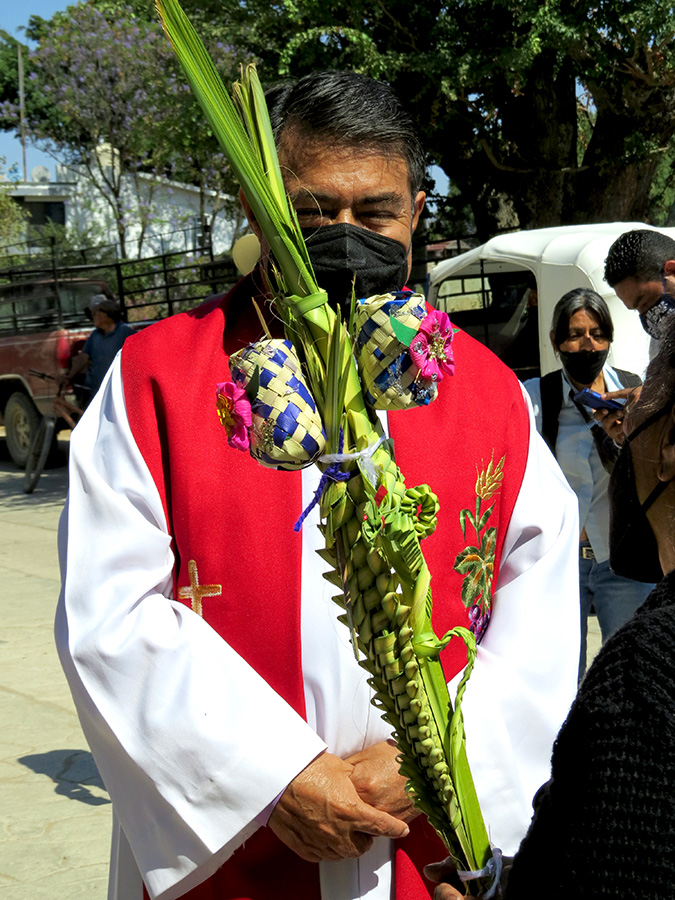
Once the burro was “filled to the brim,” with only his face peeking out, the priest arrived to bless the offerings and faithful with holy water. Dare I confess, it was hot under the noonday sun and the sprinkling of cold water felt good! The palm fronds, having been blessed, were distributed to all. Fireworks began exploding and the rhythmic sounds of the teponaxtles (drums) and chirimía (small oboe) began playing — announcing the start of the procession. Led by smoke from burning copal and a trail of bougainvillea bracts, the litter carrying San Salvador atop his burro set off on the kilometer long journey to the atrium of the church. They were accompanied by villagers and visitors clutching palm fronds and carrying the remainder of the goods collected.
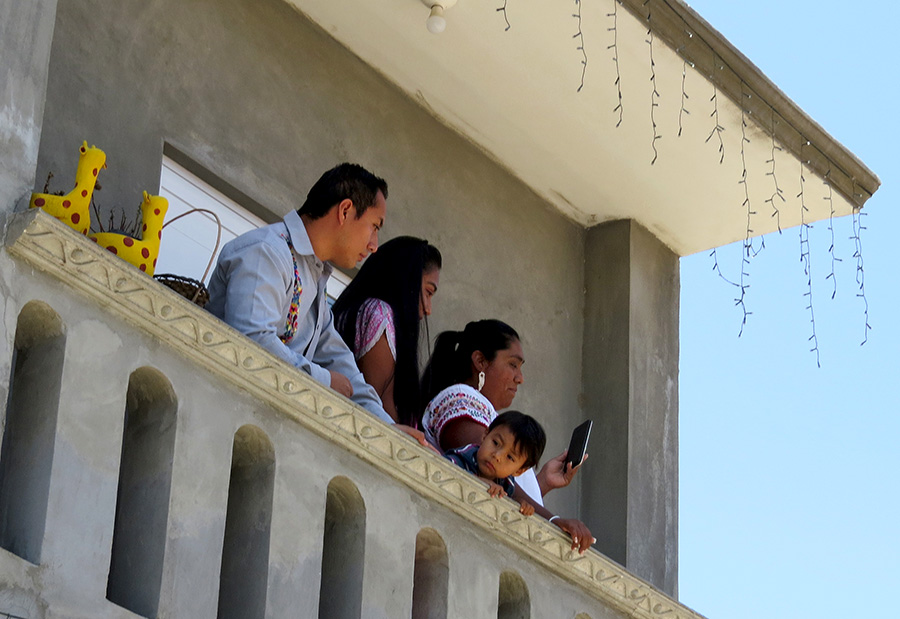
This is a reenactment of the Biblical story of Jesus entering Jerusalem to celebrate the Passover. A few spectators chose to watch from balconies, but mostly the route teemed with a growing mass of followers as 30+ hardy men bore the litter along the “hazardous” street — ducking wires above and navigating topes (speed bumps) below.
Once inside the church atrium, San Salvador and his burro were carefully maneuvered onto a stage where the priest joined them to say mass. At this point, blogger buddy Chris and I swam against the crowd and made our way to the food stalls set up just outside the atrium — San Antonino’s mouthwatering empanadas de amarillo beckoned.
(ps) Chris made a video of the procession which you can view HERE.





































 Mexican Peso Converter

 View From Casita Colibrí