On this Valentine’s Day, I’m celebrating with Oaxaca’s walls that speak of things we love.
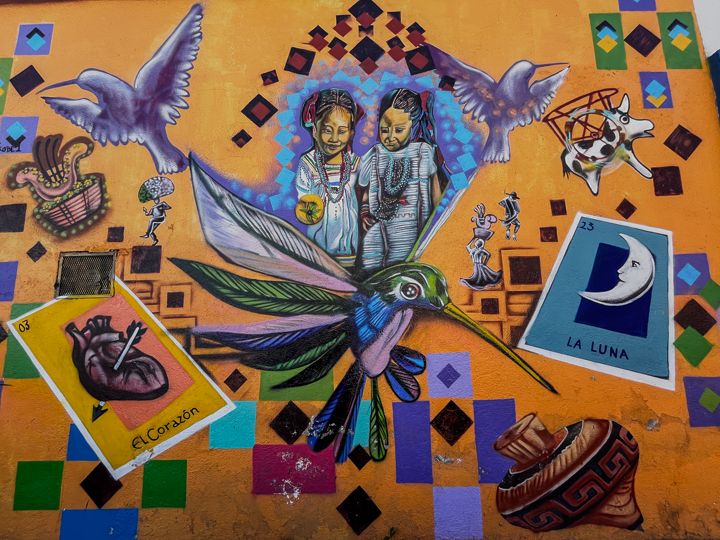



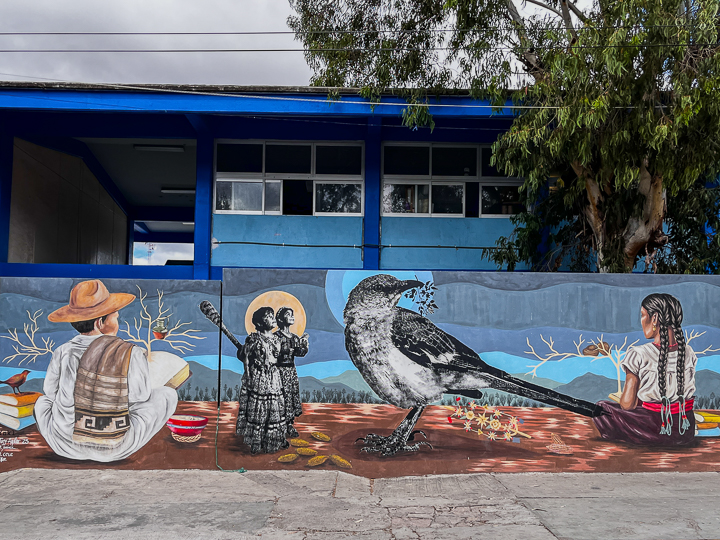
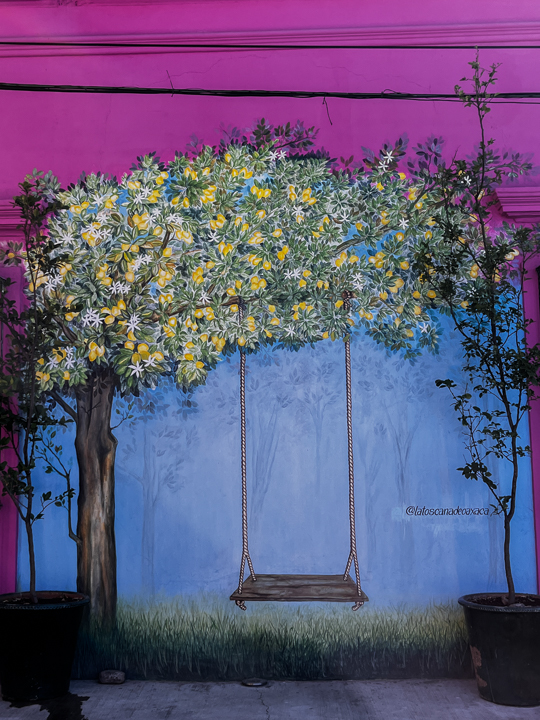
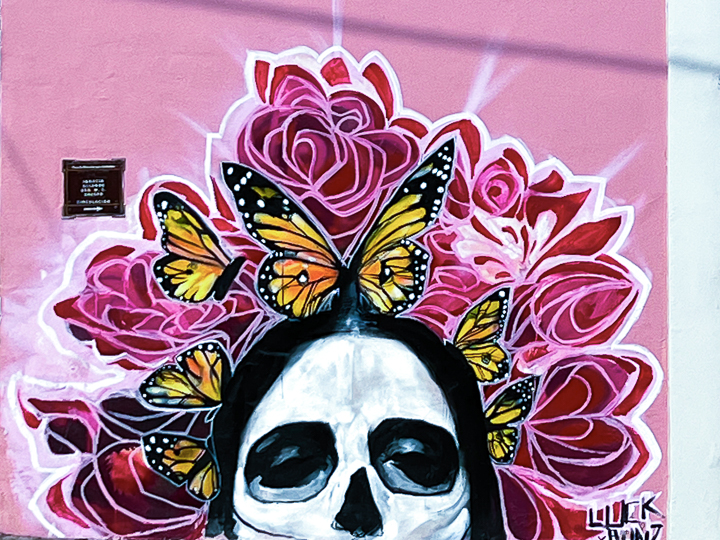
In Mexico we say, ¡Feliz Día del Amor y la Amistad! (Happy Day of Love and Friendship!)
Posted in Creativity, Culture, Holidays, Travel & Tourism, tagged Día del Amor y la Amistad, murals, Oaxaca, photos, popular travel destinations, street art, urban art, Valentine's Day, wall art on February 14, 2026| 5 Comments »
On this Valentine’s Day, I’m celebrating with Oaxaca’s walls that speak of things we love.
In Mexico we say, ¡Feliz Día del Amor y la Amistad! (Happy Day of Love and Friendship!)
Posted in Buildings, Creativity, Culture, Travel & Tourism, tagged Barrio de Jalatlaco, Mexico, Oaxaca, photos, popular travel destinations, street numbers, wall art on January 23, 2026| 2 Comments »
In my Jalatlaco neighborhood, from contemporary to whimsical to traditional…
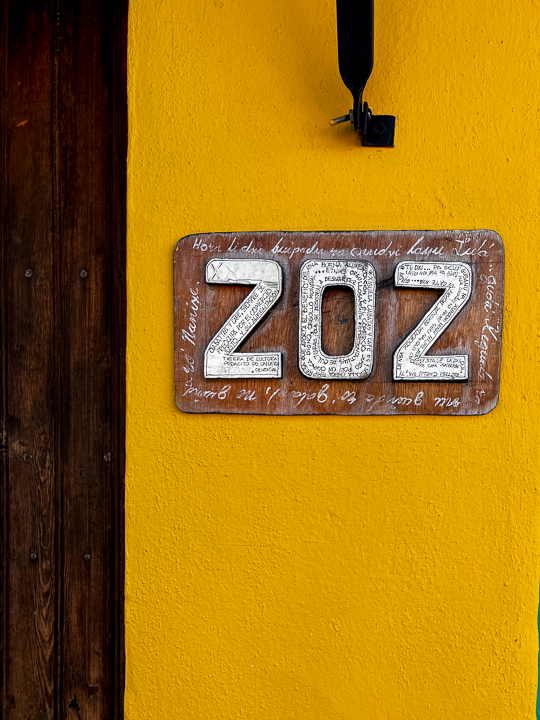
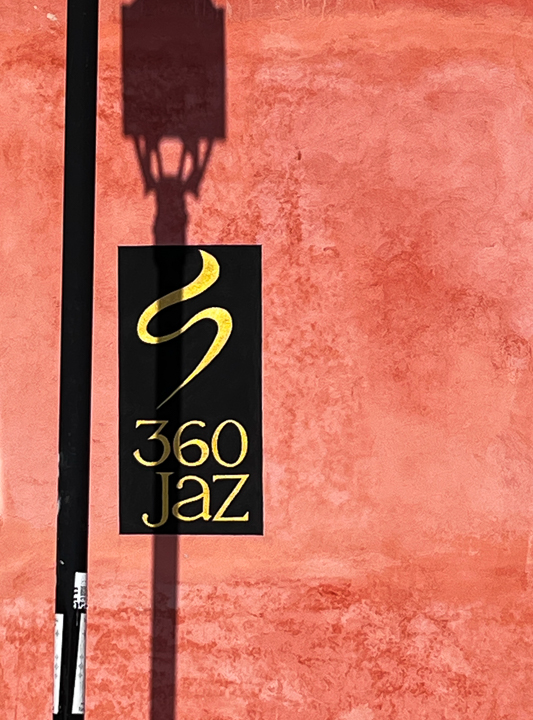
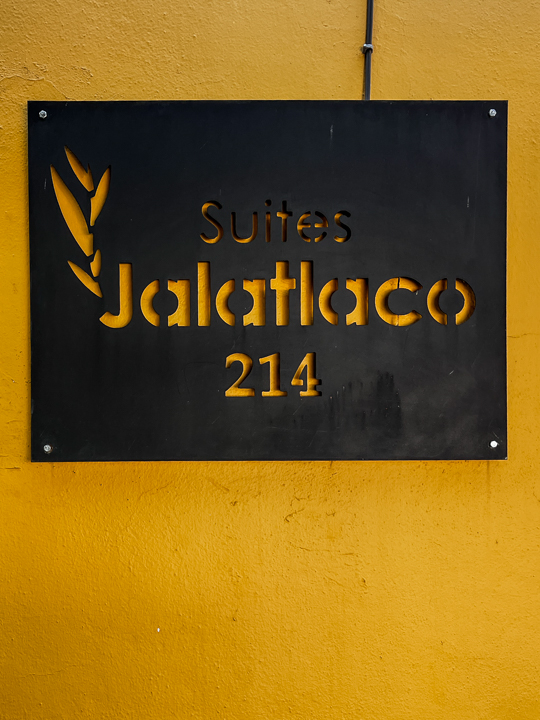
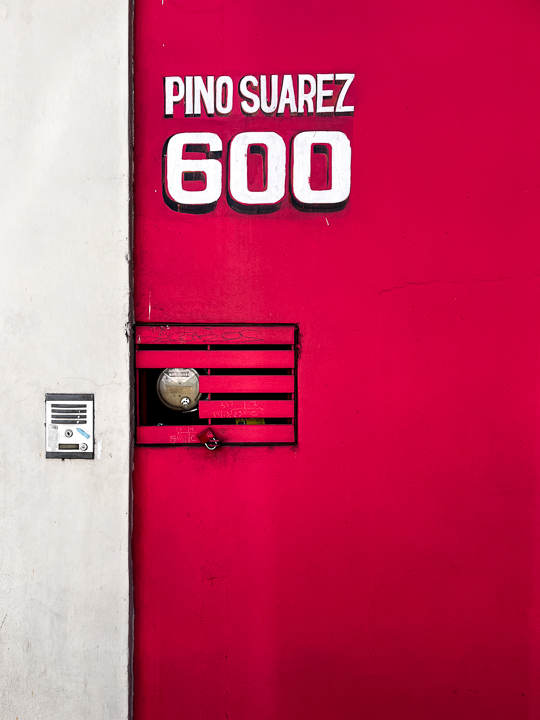
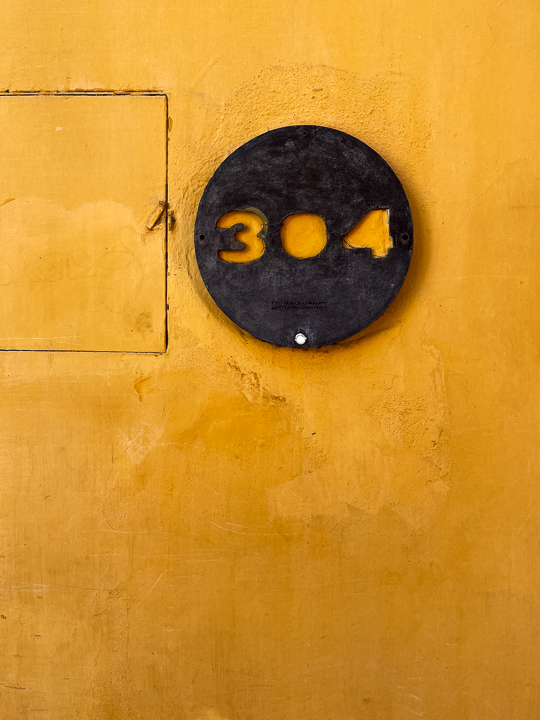
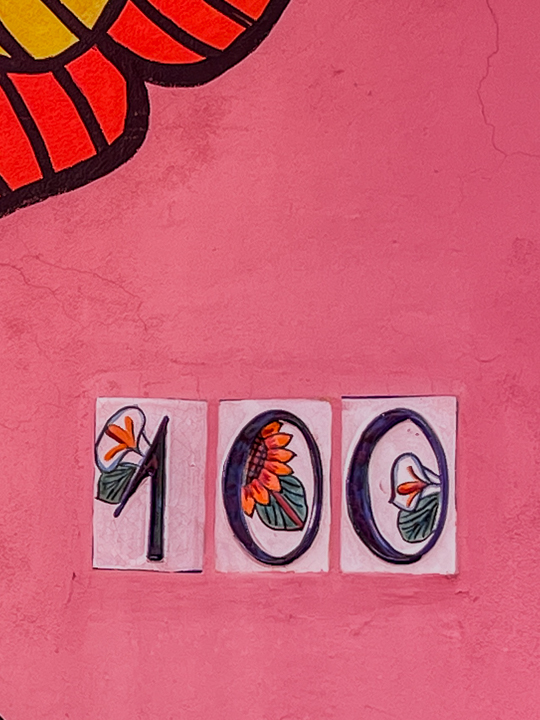
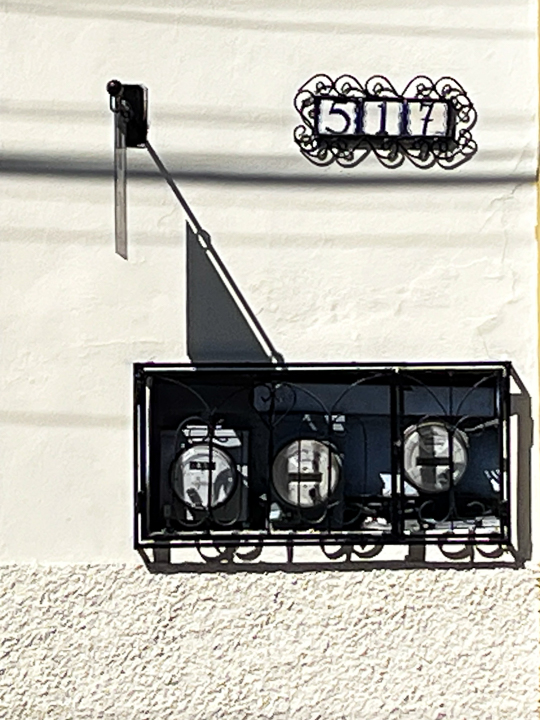
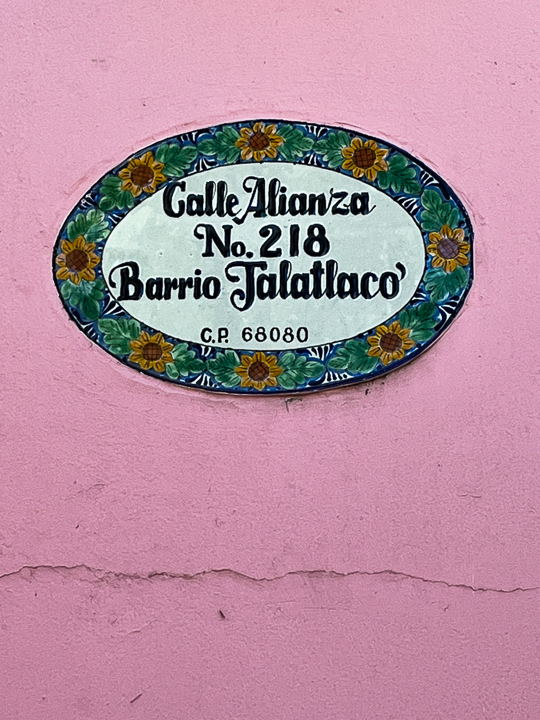
They are the numbers that you meet when you’re walking down the street each day. (Yes, as I wrote, I was humming the Sesame Street song, The People In Your Neighborhood.)
Posted in Celebrations, Churches, Creativity, Culture, Exhibitions, Holidays, Neighborhoods, Travel & Tourism, tagged alebrije, beaches, calendas, demonstrations, holiday decorations, Mexico, murals, New Year's Eve, New Year's wish, Newton Massachusetts, Oaxaca, photos, popular travel destinations, San Francisco Bay Area, Teotitlán del Valle, wedding calenda on December 31, 2025| 8 Comments »
As 2025 moves from the front windshield to the rear view mirror, instead of focusing on the (metaphoric) traffic nightmares of speed demons, red light runners, and auto wrecks that can lead to what Reading the Pictures refers to as “carnage fatigue,” I’d like to follow their example and look back at those experiences and sights that brought me joy — my “rebuke to narcissism and the cult of personality [preferring] togetherness as the new order.”
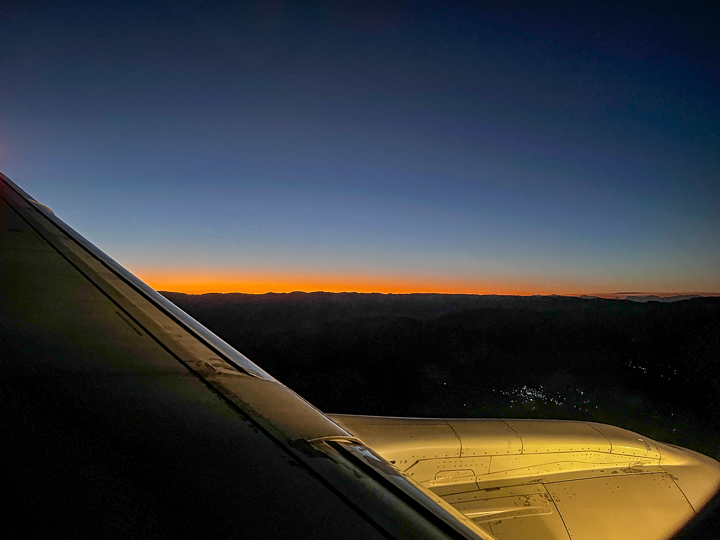
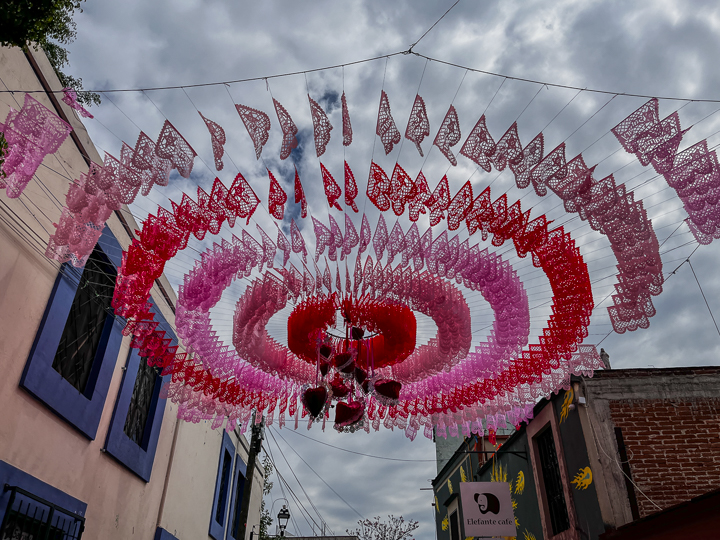
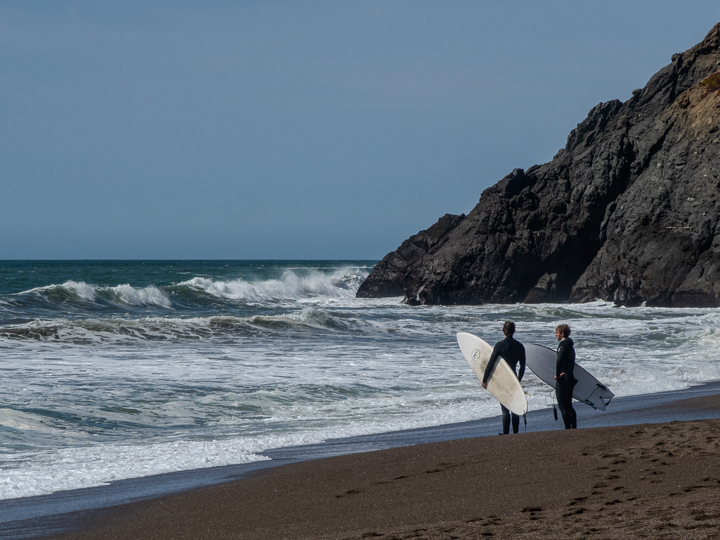

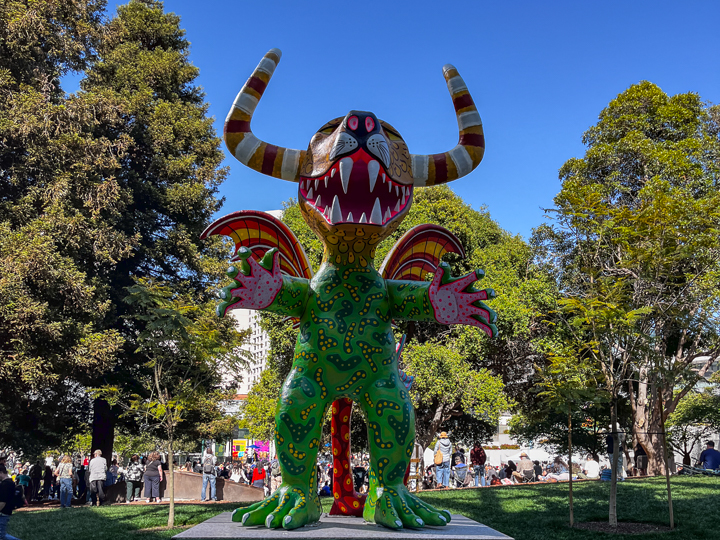
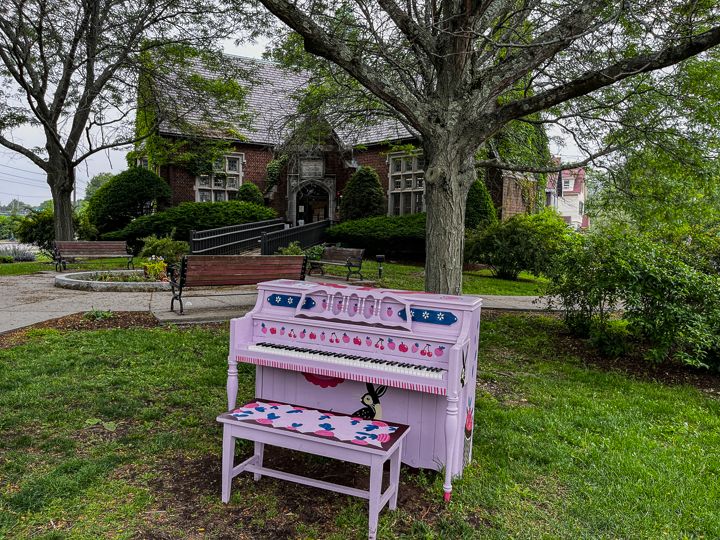
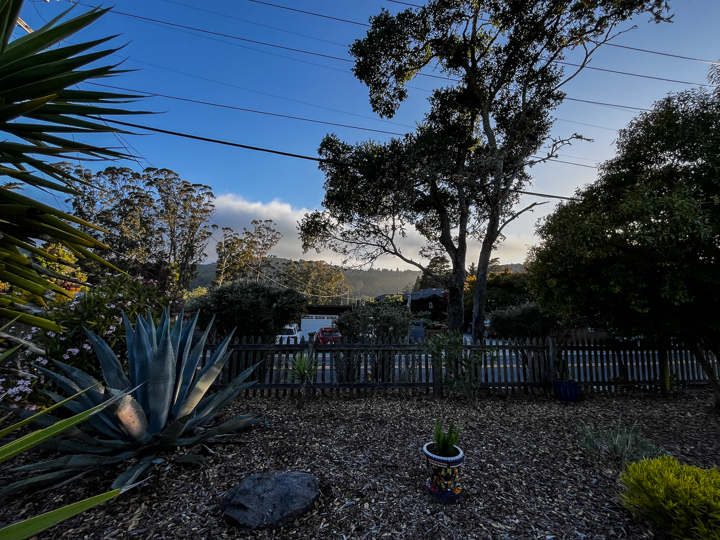


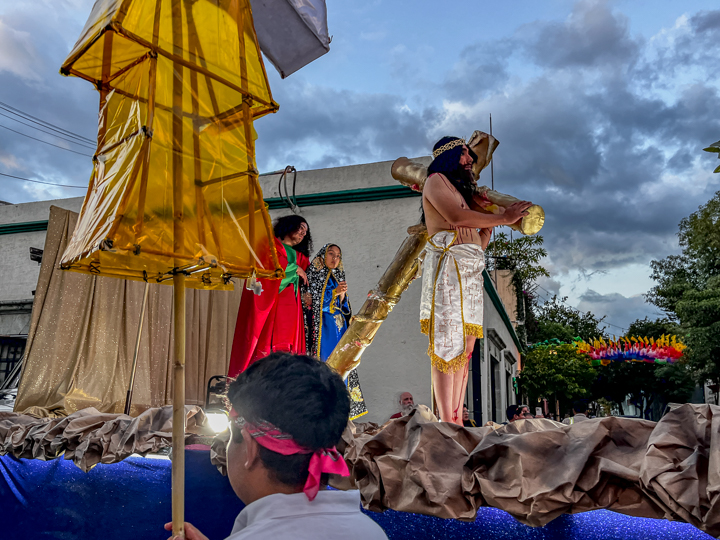
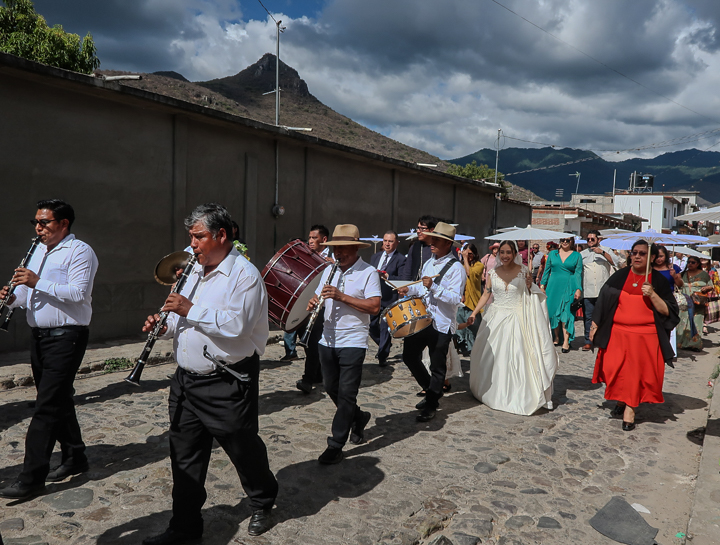
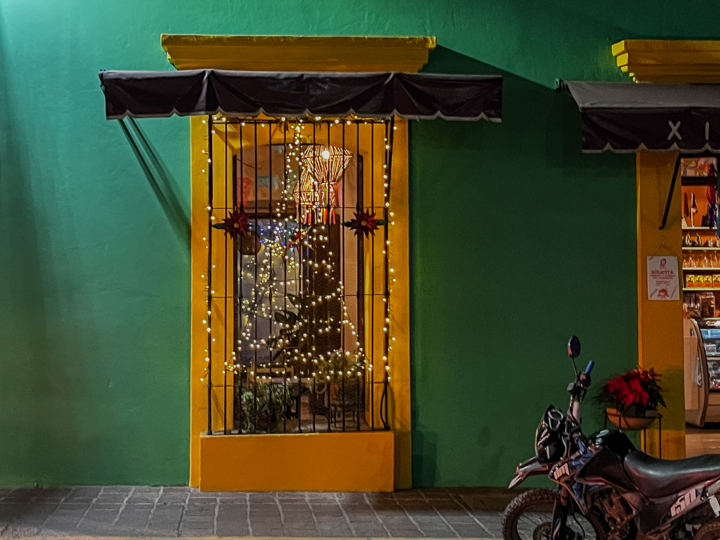
¡Feliz Año Nuevo! My wish for 2026 is that you experience many moments of joy and they help sustain and embolden you through the greed-fueled chaos that tries to engulf and silence us. Muchisimas gracias for reading!
Posted in Celebrations, Creativity, Culture, Holidays, Music, Travel & Tourism, tagged 'Twas the Night Before Christmas, “Lalo” Guerrero, Christmas, Christmas decorations, Christmas Eve, Christmas tree, Eduardo Guerrero, Mexico, Nacimiento de navidad, Navidad, Nochebuena, Oaxaca, Pa, “Lalo” Guerrero, Christmas decorations, Christmas Eve, Christmas trees, Eduardo “Lalo” Guerro, Mexico, Nochebuena, Oaxaca, Pancho Claus, photos, piñata, poem, popular travel destinations on December 24, 2025| 6 Comments »
‘Twas the night before Christmas and I’m again spending it with family and old friends in my childhood home in California. However, Oaxaca is never far from my thoughts. And, Navidad decorations were already in evidence before I flew north to California earlier this month.

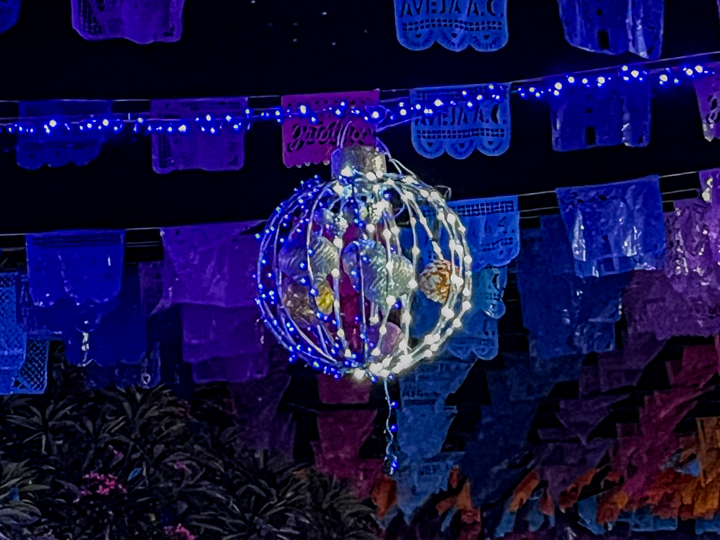
May “Pancho Claus” by Chicano music legend, Eduardo “Lalo” Guerrero, bring the gift of laughter and joy to those near and far on this Nochebuena.
‘Twas the night before Christmas and all through la casa
Not a creature was stirring, Caramba! ¿Que pasa?
Los ninos were all tucked away in their camas,
Some in vestidos and some in pajamas.
While Mama worked late in her little cocina,
El viejo was down at the corner cantina.
The stockings were hanging con mucho cuidado,
In hopes that St. Nicholas would feel obligado
To bring all the children, both buenos y malos,
A Nice batch of dulces and other regalos.
Outside in the yard, there arouse such a grito,
That I jumped to my feet, like a frightened cabrito.
I went to the window and looked out afuera,
And who in the world, do you think que era?
Saint Nick in a sleigh and a big red sombrero
Came dashing along like a crazy bombero!
And pulling his sleigh instead of venados,
Were eight little burros approaching volados.
I watched as they came, and this little hombre
Was shouting and whistling and calling by nombre.
¡Ay, Pancho! ¡Ay, Pepe! ¡Ay, Cuca! ¡Ay, Beto!
¡Ay, Chato! ¡¡Ay, Chopo! ¡Maruca and ¡Nieto!
Then standing erect with his hand on his pecho
He flew to the top of our very own techo.
With his round little belly like a bowl of jalea,
He struggled to squeeze down our old chimenea.
Then huffing and puffing, at last in our sala,
With soot smeared all over his red suit de gala.
He filled the stockings with lovely regalos,
For none of the children had been very malos.
Then chuckling aloud and seeming contento,
He turned like a flash and was gone like the viento.
And I heard him exclaim and this is VERDAD,
Merry Christmas to all, And to all ¡Feliz Navidad!
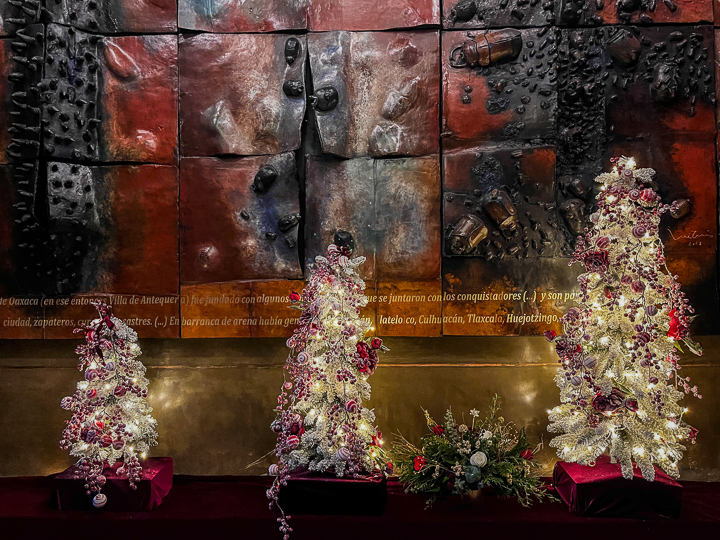
Felices fiestas to all my wonderful readers and to Oaxaca — for being so warm and welcoming to me for sixteen (and counting) years!
Posted in Celebrations, Creativity, Culture, Holidays, Travel & Tourism, tagged cemetery, cempasúchil, Day of the Dead, Día de Muertos, fruit, marigolds, Mexico, Oaxaca, panteón, photos, popular travel destinations, Tlacolula de Matamoros on November 20, 2025| 4 Comments »
During Día de Muertos (Day of the Dead), under the sun dappled light filtering through graceful several centuries old ahuehuete trees in the panteón of Tlacolula de Matamoros, the living offer the scent of cempasúchil (marigolds) to guide their departed home. And, to nourish them during their journey between the worlds of the living and the dead, fruit (thoughtfully opened), along with nuts and beverages are provided.
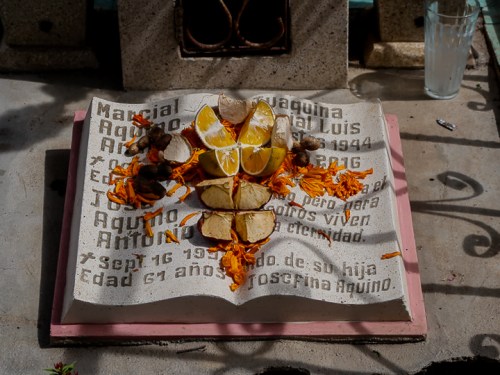
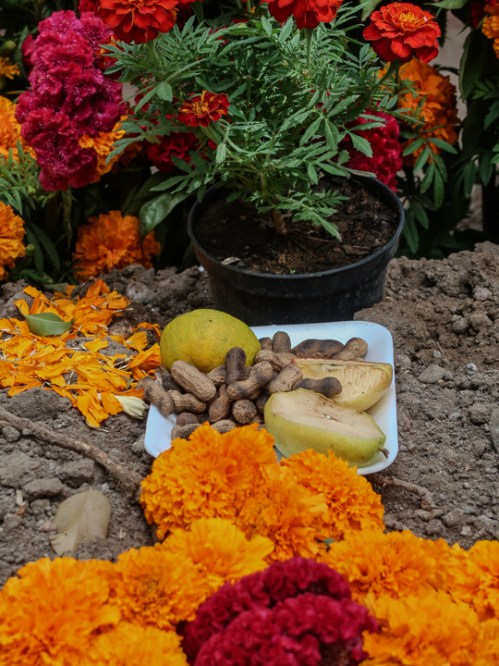
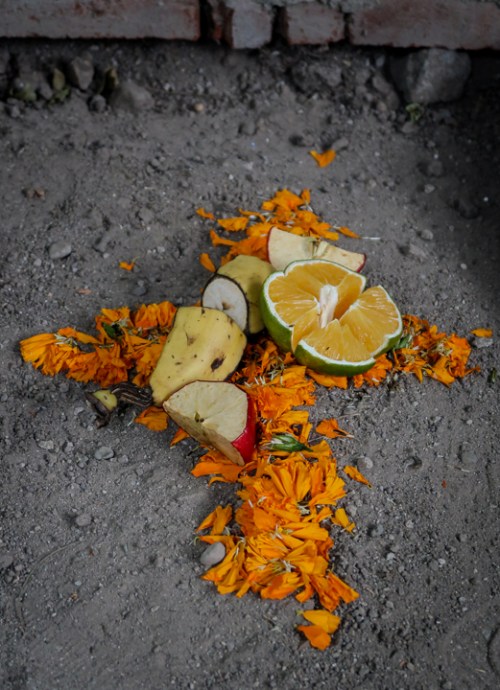


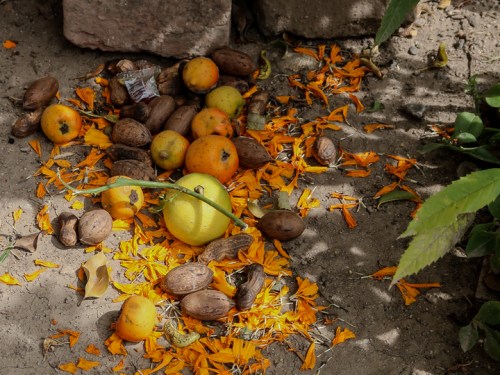
The fruit and flowers during Día de Muertos also beckon me to this Zapotec village in the Valley of Oaxaca and they nourish my soul.
Posted in Celebrations, Creativity, Culture, Holidays, Travel & Tourism, tagged cemetery, Day of the Dead, Día de Muertos, Mexico, music, Oaxaca, panteón, popular travel destinations, San Antonino Castillo Velasco, saxophone in the cemetery, video on November 4, 2025| Leave a Comment »
The Zapotec village of San Antonino Castillo Velasco is known for its flowers. Their difuntos (departed) await them on November 3, as they understand their living loved ones have been occupied in providing flowers to decorate the altars and graves of neighboring villages in the valley of Oaxaca. I returned yesterday and my senses were filled with the beauty and aroma. However, as I was carefully navigating a winding route among the tumbas to leave, the sound of a lone saxophone beckoned me.
And, I was overcome with gratitude for the privilege of being present to experience that time and that place.
Posted in Celebrations, Creativity, Culture, Holidays, Travel & Tourism, tagged altar, Day of the Dead, Día de Muertos, Mexico, Oaxaca, ofrenda, photos, popular travel destinations on November 1, 2025| 10 Comments »
A few days ago, I completed my Día de Muertos shopping — mandarinas (mandarin oranges), manzanas (apples), cempasuchil (marigolds), cresta de gallo (cockscomb), chocolate, and pan de muerto (Day of the Dead bread), thus allowing construction of my ofrenda to begin. I unwrapped photographs of my parents, grandparents, and extended family members; selected some of their favorite things to put on my ofrenda; placed fruit, nuts, bread, and chocolate among the photos; positioned candles, flowers, and incense; and poured my departed a copita (little cup) of water and another of mezcal.

Tonight, the candles and incense have been lit — all to beckon, entertain, and sustain my departed during their brief stay. However, this year, because Muertos falls on the weekend, I choose to believe, like the folks in Teotitlán del Valle, that my loved ones will being staying for 48 hours instead of only 24 hours.

An ofrenda is an offering and I’m hoping my very dearly departed, after their long journey to southern Mexico, will find it warm, welcoming, and nourishing.
Posted in Creativity, Politics, Protests, Travel & Tourism, tagged demonstrations, Global Day of Resistance, Mexico, No Kings protest, No Tyrants, Oaxaca, photos, rally on October 18, 2025| 6 Comments »
After eight months up in el norte, I arrived back in my sweet Oaxaca home Wednesday night. Travel seems to get more exhausting by the year and thus I spent Thursday and Friday unpacking in slow motion and limiting my grocery shopping to within four blocks of my apartment and just for the necessities — salsa verde and tortillas hot off the comal from the gal next door, quesillo and chipotle salsa from the cheese shop, avocados, and lettuce. I recovered just in time to walk over to Parque El Llano this morning for Oaxaca’s own No Kings protest. The sun was shining and the sky was clear blue as young and old gathered to join the world in a global day of resistance.
There were speakers…


There was music…
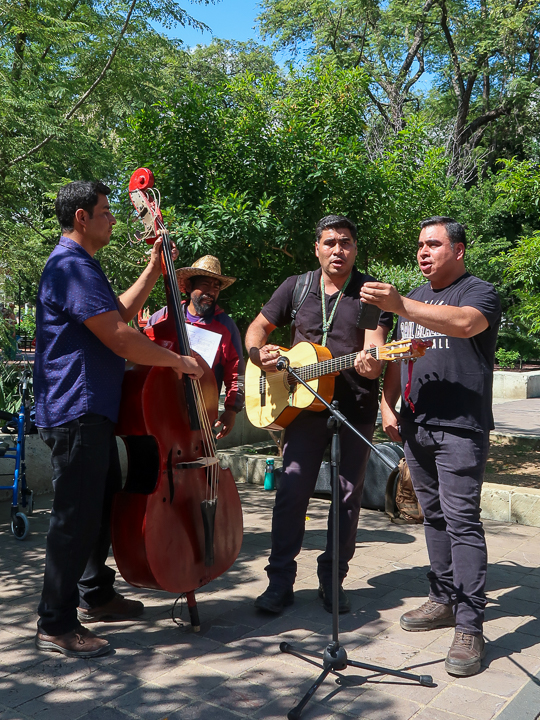
There were creative signs…


Of course, to conclude the rally, there was a Trump piñata!

An added bonus for me was greeting old friends, feeling solidarity with people I’ve not yet met, and knowing courage is, indeed, contagious!
Posted in Celebrations, Creativity, Culture, Holidays, Travel & Tourism, tagged Charros, Cruz Roja, Día de la Independencia, desfile, drummers, El Mes de la Patria, equestrians, Escaramuza, Grito de Dolores, Himno Nacional Mexicana, horses, Mexican Independence Day, Mexican National Anthem, Mexico, military, nurses, Oaxaca, parade, photos, popular travel destinations, students on September 15, 2025| Leave a Comment »
Tonight, El Grito de Dolores, also known as El Grito de la Independencia (the Shout of Independence), will echo from the balconies of government buildings throughout Mexico. Mayors, governors, and La Presidenta Claudia Sheinbaum Pardo, Mexico’s first female president, will re-enact Don Miguel Hidalgo y Costilla’s 1810 call to arms (with a lot of improvisation) that announced the start of a ten-year long war for independence from Spain. Bells will chime, the flag will be waved, the Himno Naciónal will play, fireworks will explode, and the gathered crowd will, no doubt, be bursting with pride. Tomorrow, September 16, Día de la Independencia, patriotic parades will take over the major streets of cities and towns of Mexico.
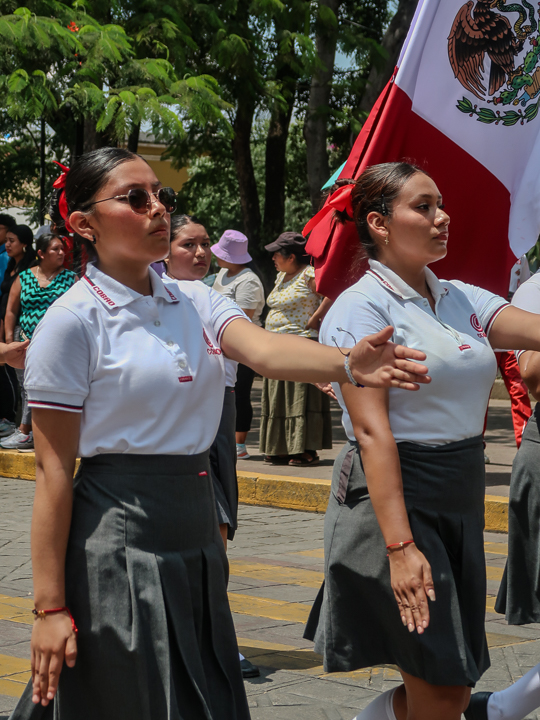
However, this year, l’m in el norte and won’t be standing on a sidewalk in Oaxaca watching the parade pass me by. These photos from Mexican Independence Day 2023 of marching bands, forestry students, search and rescue organizations, nurses, military, police, and more will have to suffice. (Click on images to enlarge.)


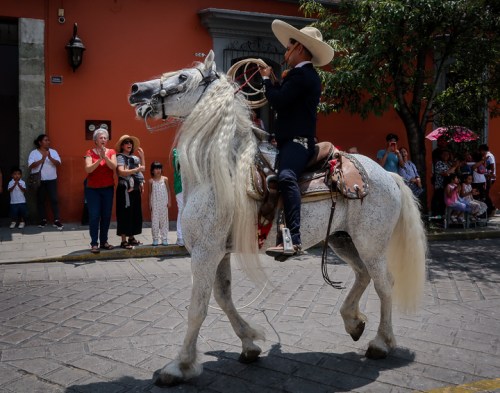
To close the parade, my favorites, escaramuzas and charros riding their magnificent horses.


¡Viva México! ¡Viva Oaxaca! Hope to see you soon.
Posted in Celebrations, Creativity, Culture, Travel & Tourism, tagged folkloric dance, Guelaguetza, Guelaguetza 2025 program, Mexico, music festival, Oaxaca, popular travel destinations on July 21, 2025| Leave a Comment »
Whether you are currently in Oaxaca or, like me, thousands of miles away, you can watch La Guelaguetza 2025. The 10:00 AM and 5:00 PM performances on July 21 and July 28, 2025 are being live streamed on the Guelaguetza Oficial Facebook page, CORTV, and Guelaguetza 2025 YouTube channel. (Note: Most of Mexico, including Oaxaca, does NOT observe daylight savings time.)



Posted in Creativity, Culture, Travel & Tourism, tagged Boston, Boston Common, Oaxaca, photographs, popular travel destinations, similarities, Theodor Adorno (quote) on June 10, 2025| 4 Comments »
I’m currently on the East Coast of the USA and, contrary to those who try to divide us, as always, I love and appreciate the similarity of scenes.
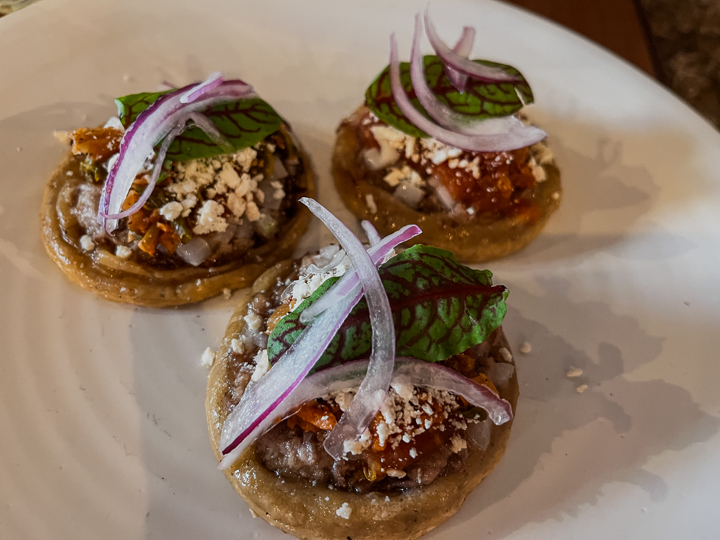



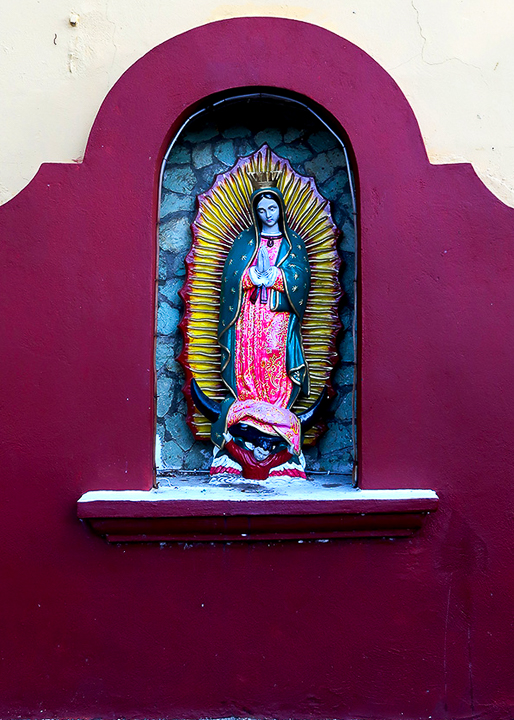

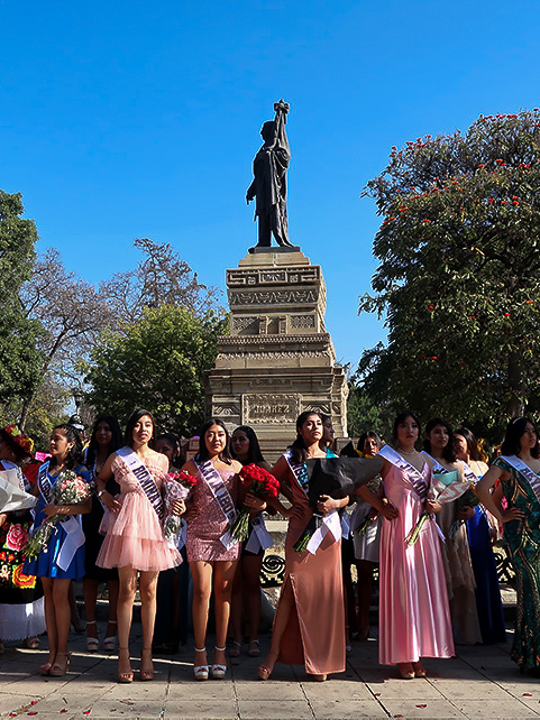

“Love is the power to see similarity in the dissimilar.” –Theodor Adorno
Posted in Celebrations, Creativity, Culture, History, Holidays, Travel & Tourism, tagged 493rd anniversary, Happy Birthday Oaxaca, Mexico, murals, Oaxaca, photos, popular travel destinations, street art, street sweepers, trees, urban art, wall art on April 25, 2025| 2 Comments »
Ah, Oaxaca. Another year, another birthday. Today, marks the 493rd anniversary of the elevation Oaxaca de Juárez to the rank of a city by Charles V of Spain. It was a political move by villagers to keep Antequera, as it was then called, out the hands of the Marquis, Hernán Cortes, who controlled the surrounding territory and villages. And, in honor of her birthday, I’m posting some of my favorite recent Oaxaca sights.


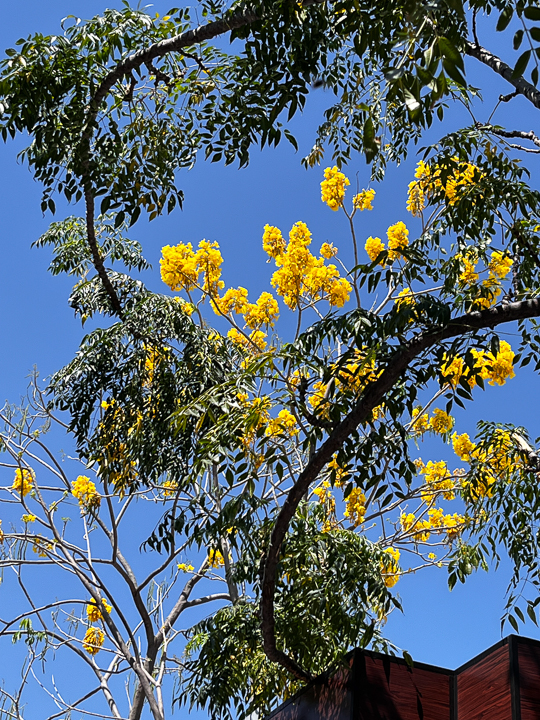

Of course, we know Oaxaca’s history goes back thousands of years before Spain even existed. Her past is still present and that’s one of the things I love most about Oaxaca.
Posted in Celebrations, Creativity, Culture, Holidays, Religion, Travel & Tourism, tagged Christianity, Domingo de Ramos, Holy Week, men carrying platform, Mexico, NYT op-ed, Oaxaca, Palm Sunday, photos, popular travel destinations, religious celebrations, San Antonino de Castillo Velasco, Semana Santa on April 14, 2025| 2 Comments »
As an op-ed by Andrew Thayer and published in the New York Times explained (to those of us who had forgotten or never knew), there were two processions that entered Jerusalem on the first Palm Sunday.
From the west came Pontius Pilate, the Roman governor, riding a warhorse and flanked by armed soldiers bedecked in the full pageantry of an oppressive empire. Every year during Passover, a Jewish festival celebrating liberation from Egyptian oppression and slavery, Pilate entered Jerusalem to suppress any unrest set off by that memory.
His arrival wasn’t ceremonial; it was tactical — a calculated show of force, what the Pentagon might now call “shock and awe.” It displayed not only Rome’s power but also Rome’s theology. Caesar was not just the emperor; he was deified and called “Son of a God” on coins and inscriptions. His rule was absolute, and the peace it promised came through coercion, domination and the threat of violence.
From the opposite direction, both literally and figuratively, came Jesus’ procession.

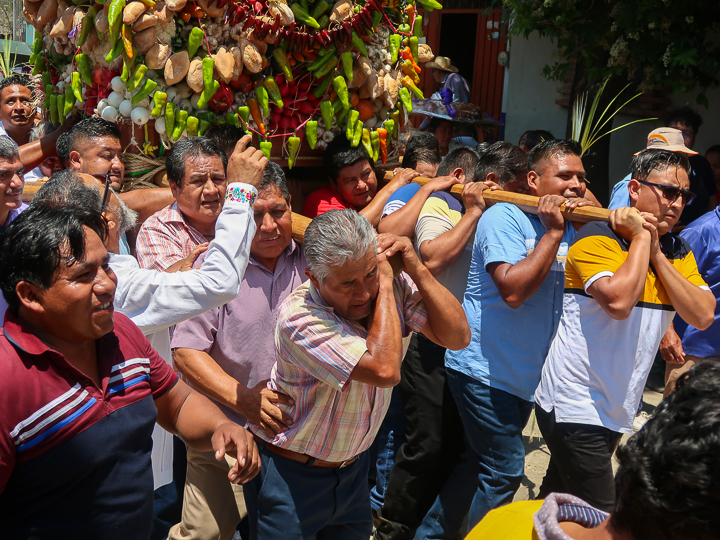
Jesus entered the city not on a warhorse but on a donkey, not with battalions but with beggars. His followers were peasants, fishermen, women and children — people without standing or status. They waved palm branches — symbols of Jewish resistance to occupation since the Maccabean revolt — and cried out “Hosanna!” which means “Save us.” Save us from a system of oppression disguised as order. Save us from those who tacitly endorse greed with pious language and prayers.

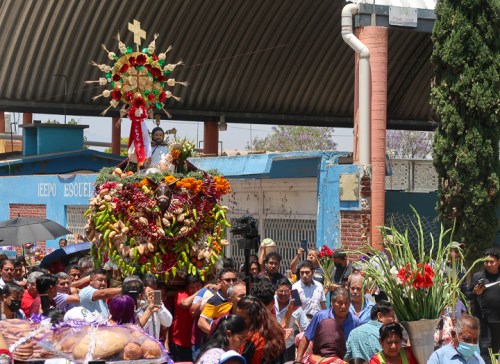
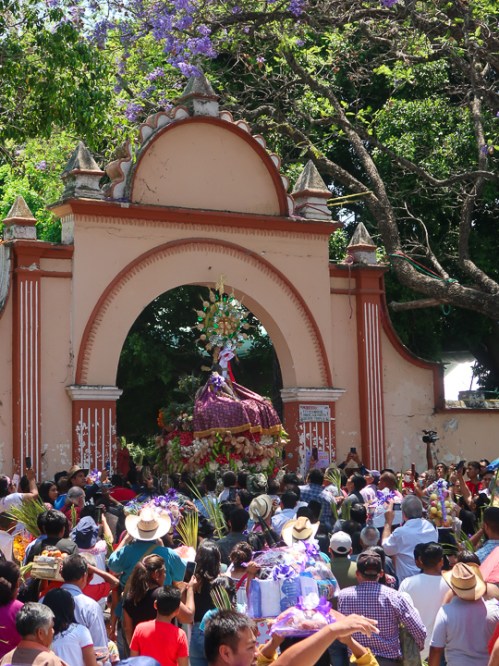
Year-after-year, despite the challenges of life, on Palm Sunday I have been uplifted by the warmth, generosity and devotion of the people of San Antonino Castillo Velasco. Alas, it’s been two years since I have had this privilege and must content myself with looking through my photos from 2023.
Posted in Creativity, Culture, Holidays, Travel & Tourism, tagged alebrije, artisans, ceramic pottery, Day of the Artisan, Día de las Artesanas y los Artesanos, Dolores Porras, exhibitions, Manuel Jiménez Ramírez, Mexico, Natalia Toledo, Oaxaca, popular travel destinations, textile arts on March 19, 2025| 4 Comments »
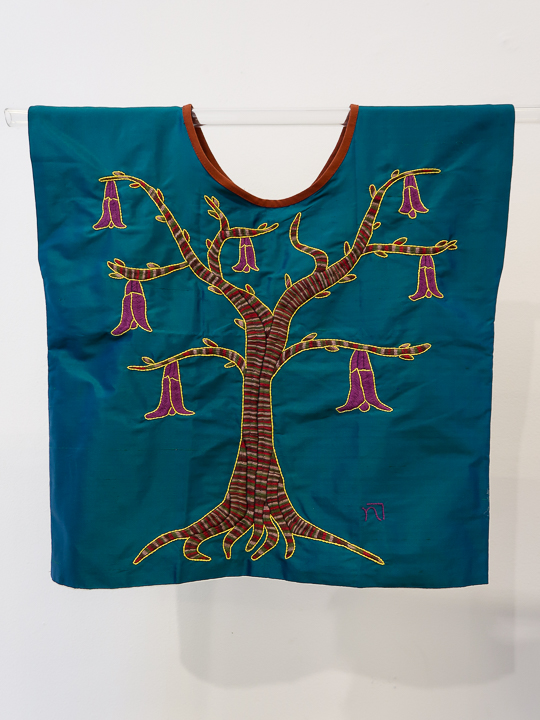
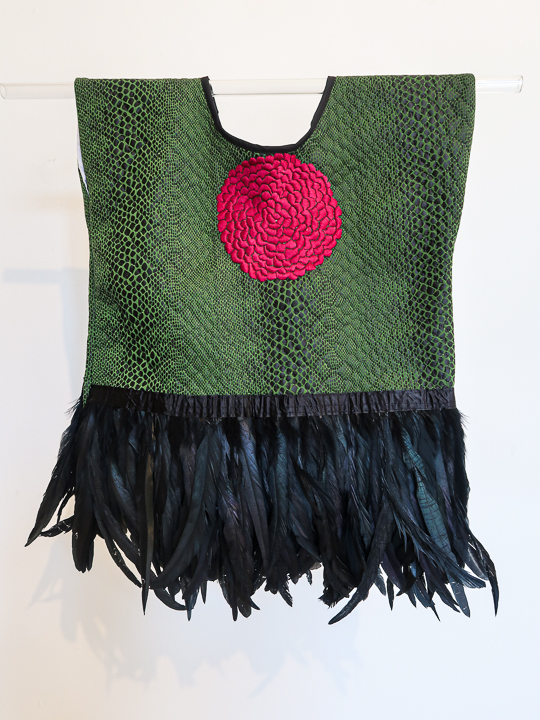
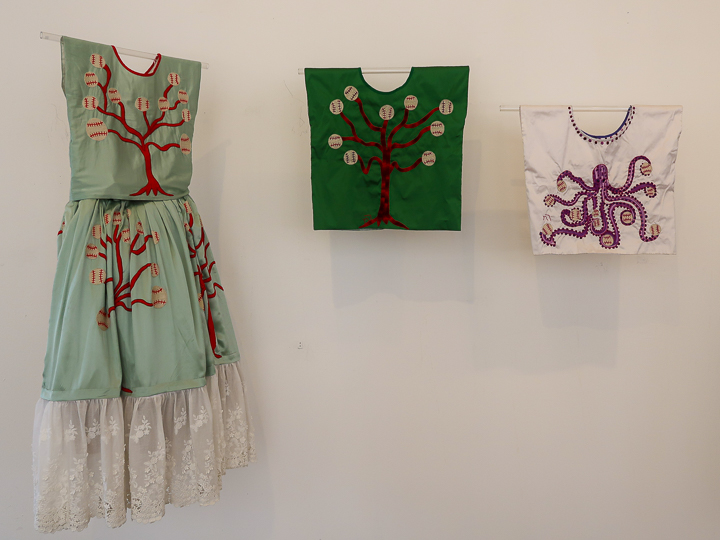
Today, March 19, is Día de las Artesanas y Artesanos (Day of the Artisans). In celebration, I would like to honor three of Oaxaca’s passionate, talented, and innovative artisans whose exhibitions I was fortunate enough to see last month.
Natalia Toledo, Juchitán de Zaragosa, Oaxaca – “Ladidoo/Piel de hilo” Centro Cultural San Pablo.

Manuel Jiménez Ramírez, San Antonio Arrazola, Oaxaca – “El Tallador de Sueños” at Museo de las Culturas de Oaxaca “Santo Domingo.”


Dolores Porras, Santa María Atzompa, Oaxaca – “”Dolores Porras Taller” at Museo de las Culturas de Oaxaca “Santo Domingo.”

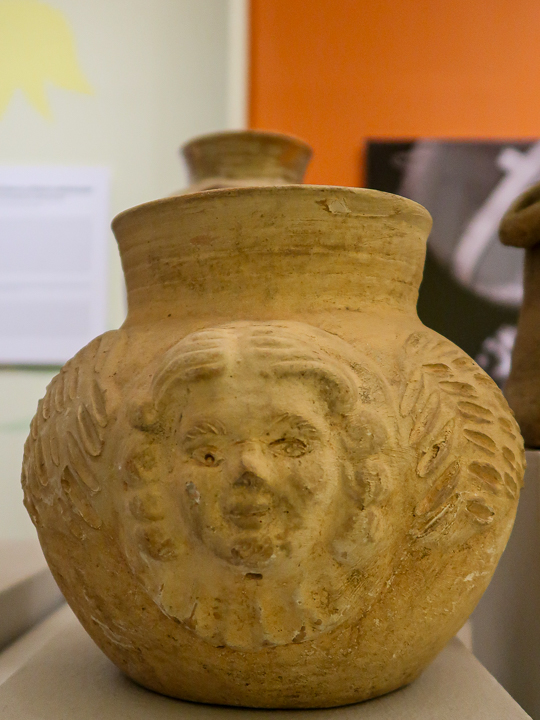


To all artisans, thank you for your passion, commitment, and creativity. Your dedication to your art, often calling upon centuries of tradition, enriches our lives — bringing us joy as well as making us think.
Posted in Creativity, Culture, Travel & Tourism, tagged Día Internacional de la Mujer, International Women's Day, Mexico, Oaxaca, photos, popular travel destinations, stencil art, street art, Subterráneos Art Collective, urban art, wall art on March 6, 2025| 7 Comments »
Four weeks in my home sweet Oaxaca home provided a much needed escape from the chaos that now reigns supreme here in the USA. The warm smiles and greetings of ¡Qué milagro! (What a miracle!) from vendors I hadn’t seen in over a year warmed my heart. However, try as I might, I can’t seem to write an upbeat blog post about the wonderful time I had in Oaxaca. The menacing clouds of el norte are casting their dark shadows over my words. For now, I’ll let the walls of Oaxaca speak for me.


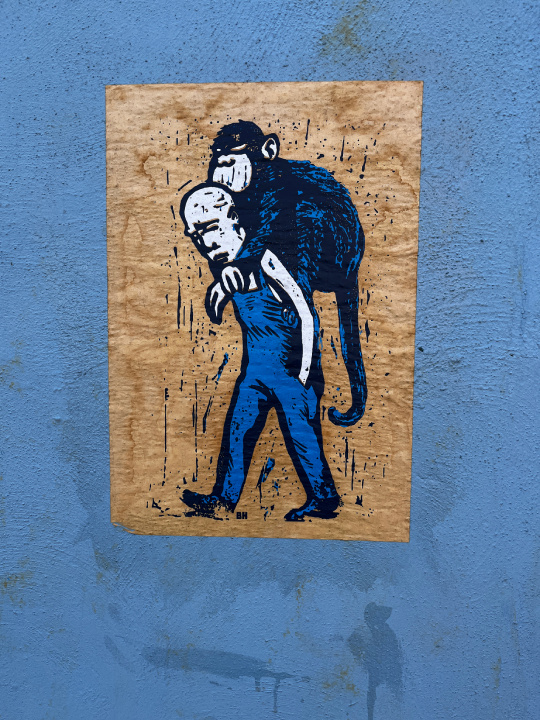
However, to end on a positive note and in honor of International Women’s Day on March 8th…
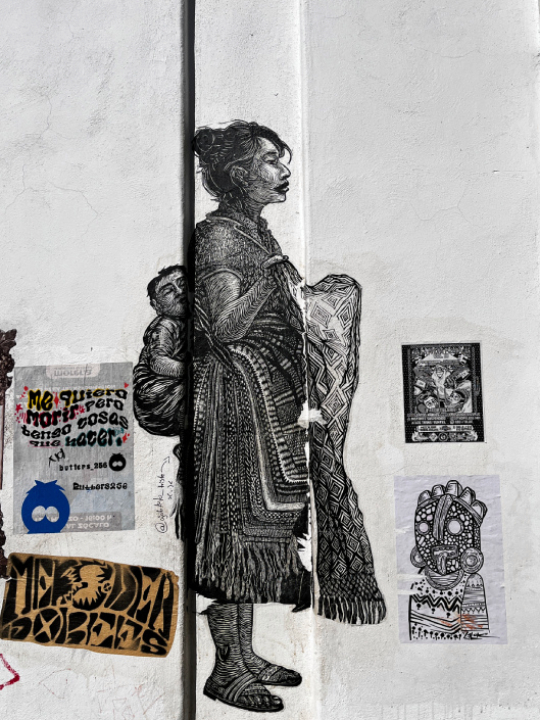

Despite suffering setbacks and facing countless attempts to block, divide and undermine us throughout history, feminist, LGBTI+ and grassroots movements keep marching forward. — Amnesty International’s Secretary General, Agnés Callamard
And, that includes Oaxaca, where NVI Noticias lists some of the actions taking place in celebration of Día Internacional de la Mujer.


 Mexican Peso Converter
 View From Casita Colibrí