Feeds:
Posts
Comments

Archive for the ‘Archaeology’ Category

A (somewhat) belated companion to my Mitla’s mysterious underground blog post from May.

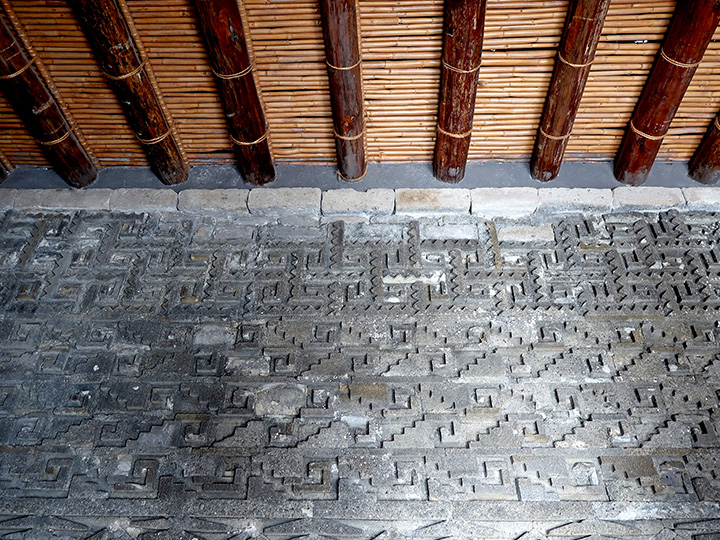
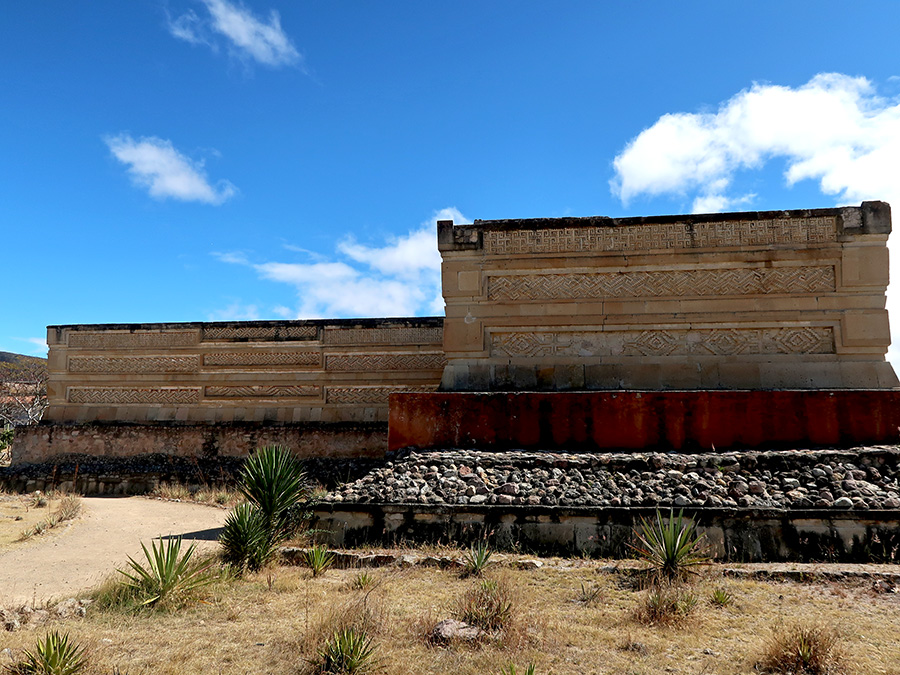
Mitla – Columns Group
Mitla – Columns Group, Patio of the Grecas
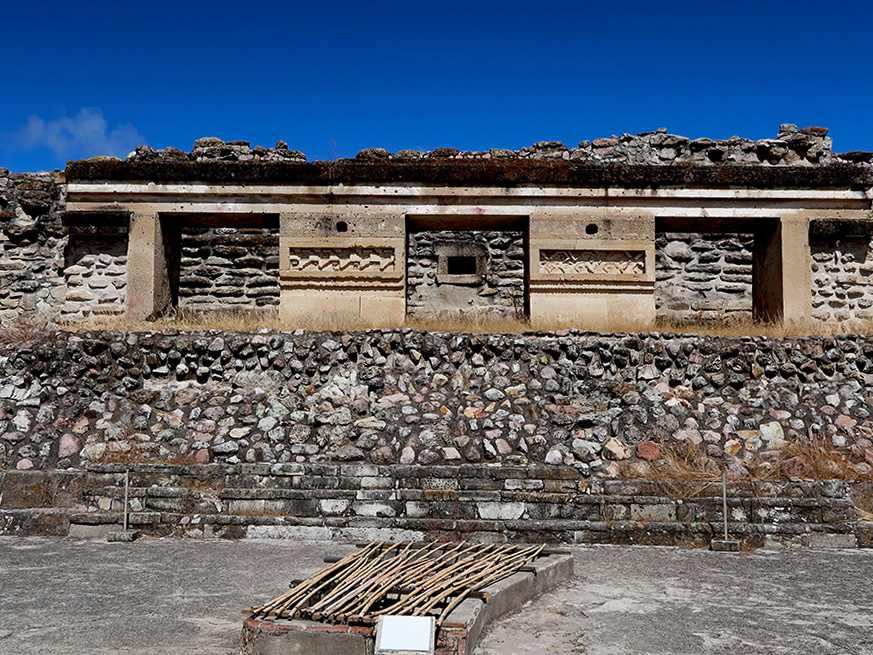
Mitla – Columns Group, Patio of Tombs
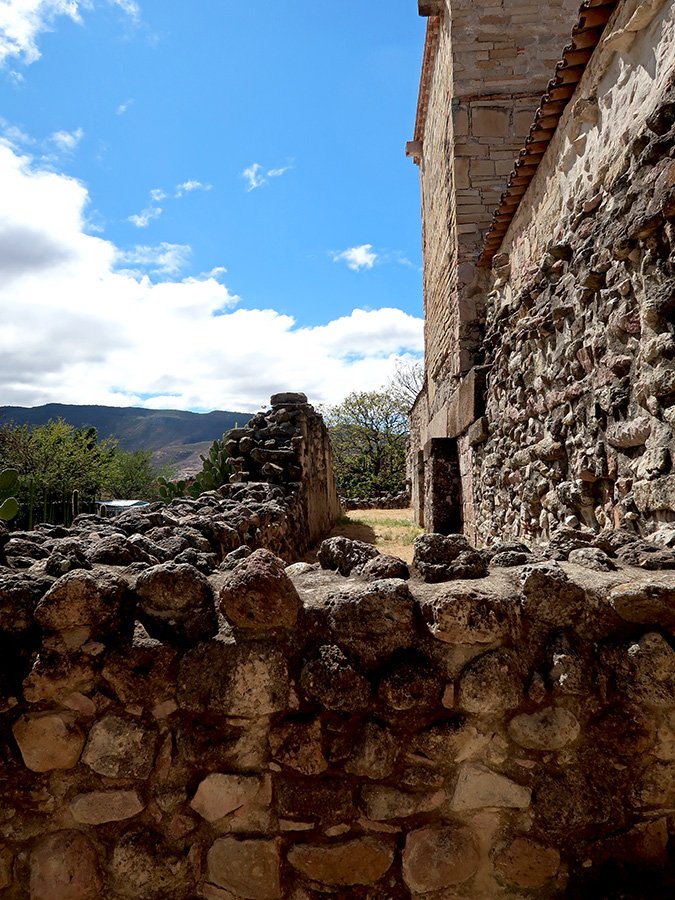
Mitla – Arroyo Group
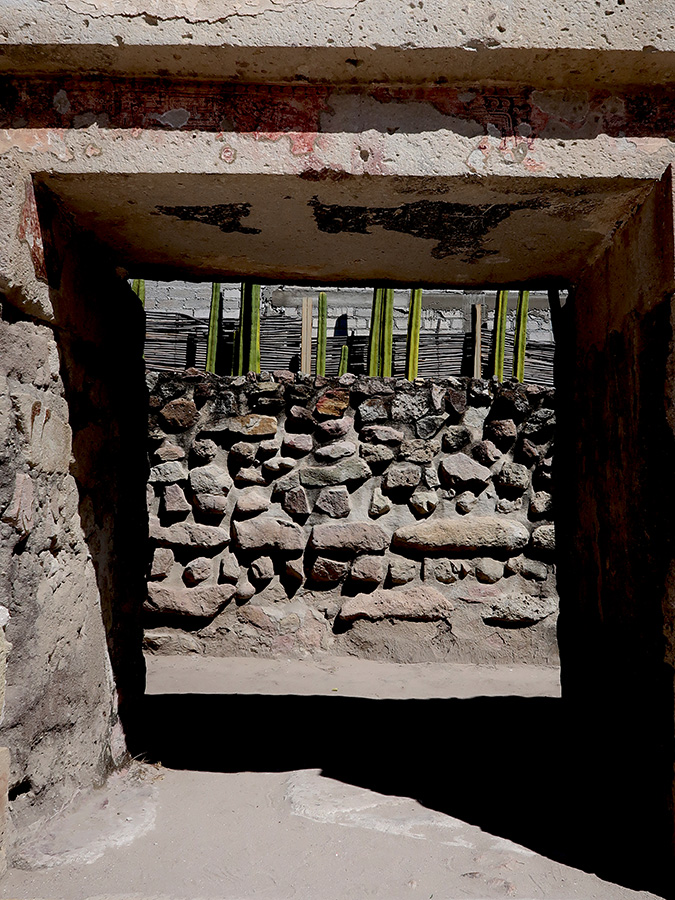
Mitla – Adobe Group
Mitla – Adobe Group

And, this latest video (in English) from the ARX Project, where they describe what they have found beneath the above Groups and their speculations.

h/t Margie Barclay

Read Full Post »

Noted for its intricate stone fretwork and megalithic architecture, the Mitla ruins are considered the second most important archaeological site in the state of Oaxaca. Prior to the arrival of the Spanish, it was a predominant religious and ceremonial center for the Zapotec people. Legend has it that the entrance to a vast underground labyrinth of passageways leading to Lyobaa, Zapotec for “place of rest,” lies sealed beneath the altar of Iglesia de San Pablo, the 16th century Catholic church that towers above the village of Mitla. As was the practice of the Spanish missionaries, the Zapotec site was destroyed and the church was built on top of the ruins in an attempt to exorcise “pagan” beliefs.

Last November, I had the privilege of touring the Mitla archaeological site with Ludovic Celle, one of the co-founders of the ARX Project — a multidisciplinary team using non-invasive imaging to detect and explore the mysteries of Mitla’s legendary underground caverns and tunnels thought to lead to the underworld. In the 17th century they were described by Spanish priest, Francisco de Burgoa but were well known by the people of Mitla long before the arrival of the Spanish.

Photos from the Church Group, where ARX Project imaging has detected the subterranean caverns and tunnels.

Read Full Post »

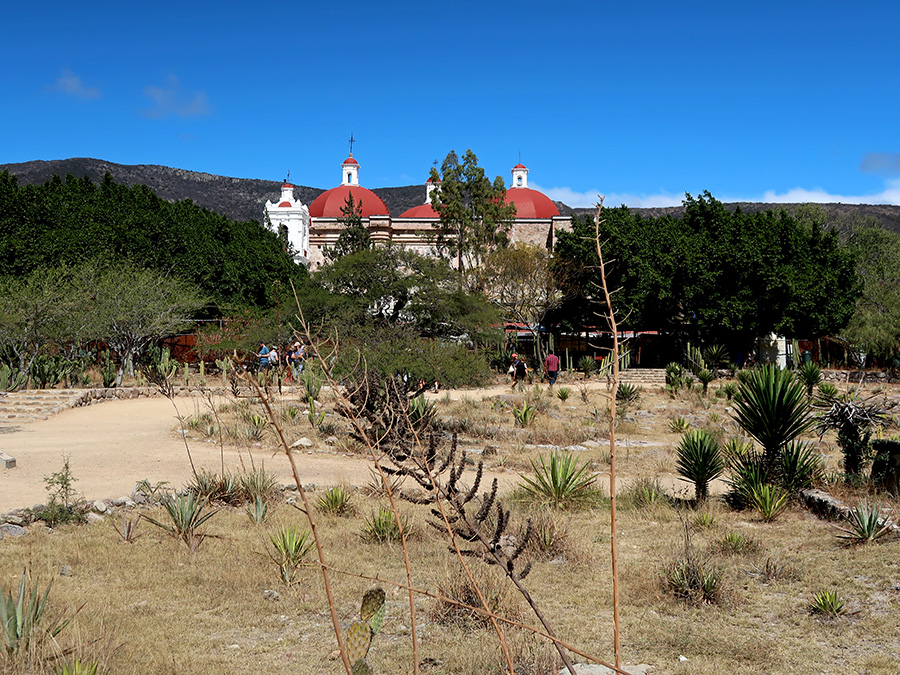
Yesterday, the village of Teotitlán del Valle and its Comité del Museo Comunitario (Community Museum Committee) welcomed the public to the inauguration of the first phase of the restoration of the archaeological zone beneath the Templo de la Preciosa Sangre de Cristo.  Before the arrival of the Spanish, the area had been a Zapotec ceremonial plaza.

P1000653

Before:  Teotitlán del Valle archeological site, December 2013

A little background:  In 1553, Oaxaca’s Archbishop Albuquerque ordered the demolition of all Zapotec structures, including those in Teotitlán del Valle.  And, as was the practice of the day, in 1581 the Dominican friars began building their church atop the original Zapotec ceremonial complex.

IMG_3337

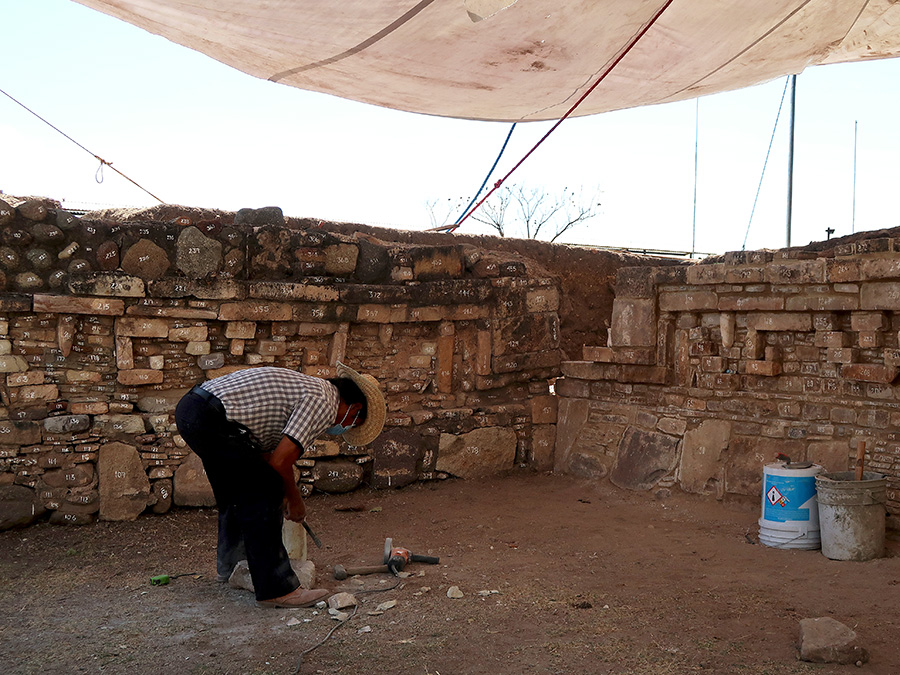
During:  Teotitlán del Valle archeological site restoration, February 2019

They scavenged building materials from the Zapotec site (some can be seen in the exterior walls of the church) and tried to erase all evidence of the rich and complex belief system that was already in place.

IMG_3339

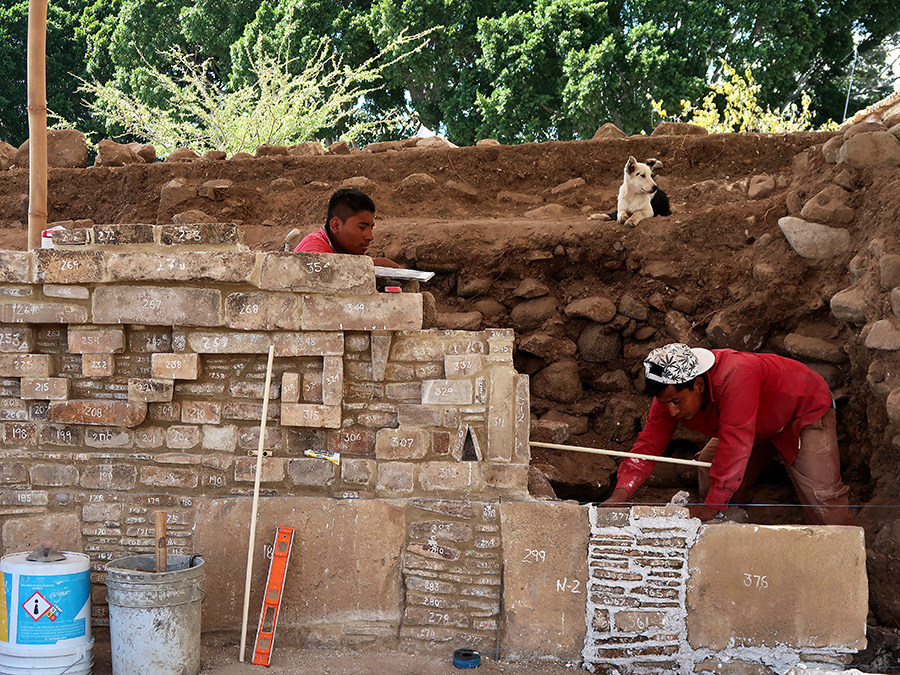
During:  Sidewalk supervisor dog keeps an eye on the restoration work at the Teotitlán del Valle archeological site, February 2019.

As regular readers of my blog know, I visit Teotitlán often and am always amazed at the construction projects that pop up — new buildings, additions to homes, and street repairs.  However, this past February, when touring out-of-town friends around Teotitlán, I was surprised to see work being done in the archeological zone.

IMG_3340

During:  Teotitlán del Valle archeological site restoration, February 2019. Note the numbered pieces.

After three years of effort to obtain the necessary permits from the INAH (National Institute of Anthropology and History), the work on the restoration of the “basement” began in January 2019.  The end goal is to reclaim, rehabilitate, and restore the Prehispanic Zapotec ceremonial complex.  Teotitlán’s site is concurrent with nearby Mitla, thus the presence of grecas, the fretwork that characterizes the site 15 miles to the southeast.

IMG_4269

After:  Teotitlán del Valle archeological site restoration inauguration day, April 22, 2019.

I’m looking forward to what the next phase will reveal!  By the way, as is the custom in Teotitlán, this major civic event included not only speeches by gathered dignitaries, but also a procession, a performance of dances from the Danza de la Pluma, food, and a concert.

Read Full Post »

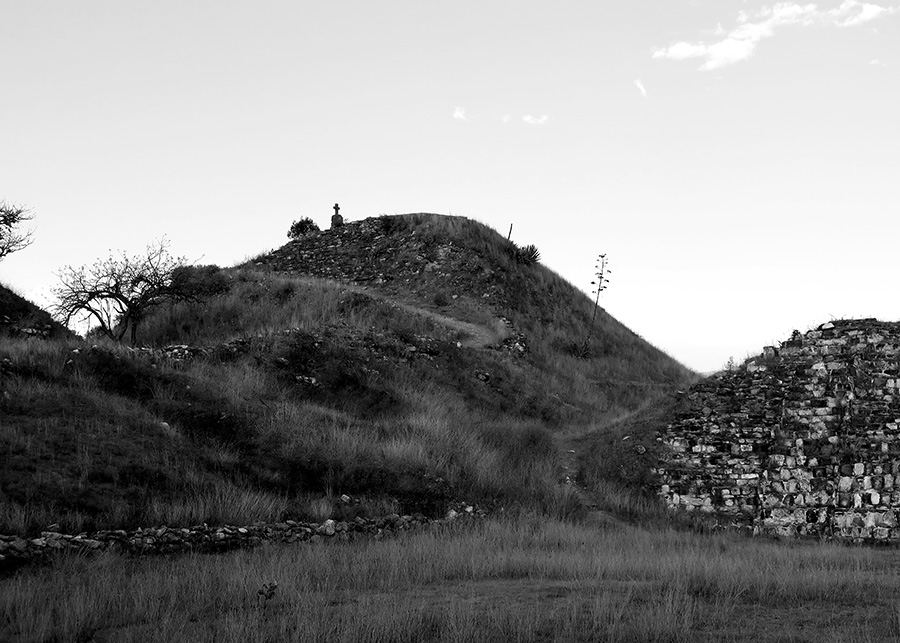
Visiting friends equals playing tour guide and exploring the sights, sounds, and tastes of Oaxaca.  Thus, last Thursday off we went to the new-to-me, little known, and hard to find north-of-the-city archeological site of Suchilquitongo.

IMG_3264_b&w

IMG_3265

IMG_3260IMG_3271_b&w

IMG_3272_b&w

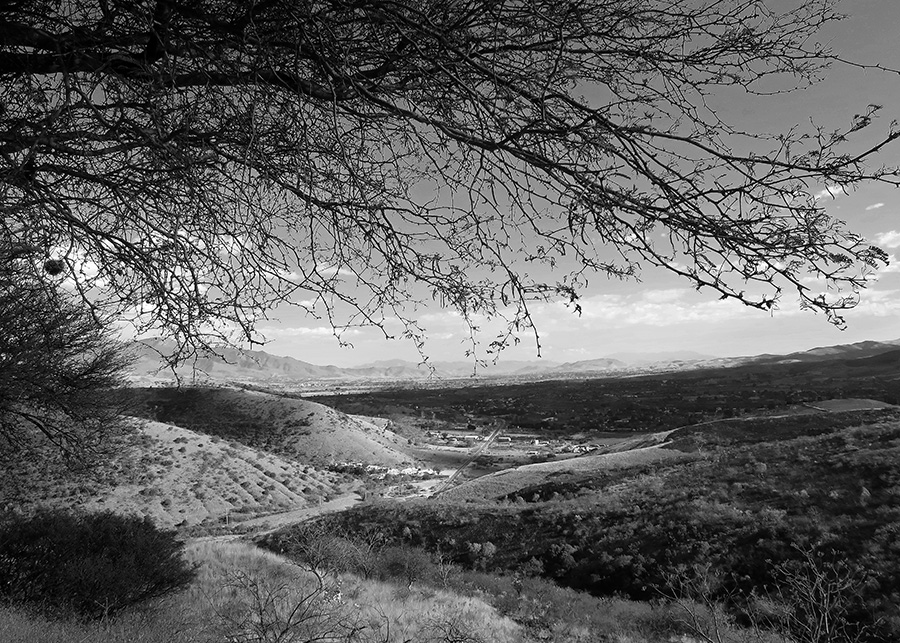
While the site is small and the excavated tomb is closed, for the views alone, it was well worth the trip.

Read Full Post »

Oaxaca continues to be inundated with rain.  I’m in Colorado now (inhaling smoke from fires throughout the west), but friends in Oaxaca are describing flooding, leaking roofs, water coming through windows and doors, and rain without end. Today’s news is reporting more than 13 communities are incommunicado and that urban development is a major cause of flooding by the Atoyac River that runs through the valley of Oaxaca.

Perhaps there are lessons to be learned from the builders of Monte Albán, where the Pre-Hispanic drainage works better than current systems.

Read Full Post »

On day three of B’s week in Oaxaca, Benito (Discover Oaxaca) returned to pick us up a little after 9:00 AM.  We wound our way up to the archeological site, Monte Albán — the imposing former capital of the Zapotecs.  Construction of this commanding site, on top of an artificially flattened mountain, began around 500 B.C.  By 350-550 A.D., it had become the economic, political, and religious center for the Zapotecs, and one of the first urban complexes in Mesoamerica.  Though we were only there for two hours, I learned more from Benito than I had on my previous five or six unguided visits.  While we were there, a specially fitted drone (archaeocopter) was being used by archaeologists — the sound was annoying, but once we figured out it was for research, it became more tolerable and rather intriguing.  There is still so much to be uncovered!

Monte Albán – looking down onto the main plaza.

Coming down off the mountain, we took the scenic route, circling around the western base of Monte Albán, often bouncing along on dirt roads as we headed south to the Ex-monastery of Santiago Apóstol in Cuilapam de Guerrero.  Construction began on this massive and elaborate Dominican complex in 1556 but was temporarily halted in the 1570s and never resumed — leaving behind a towering roofless basilica, ornate frescoes, and a magnificent Gothic cloister.  There are several theories as to why it was never finished — lack of funds due to the extravagance, a dispute over land ownership, the decimation of the local indigenous population from 43,000 in the 1520s down to 7,000 in 1600, leaving few workers to construct it and natives left to convert.  Climbing the stairs up to the second story terrace yields an impressive view and site from which to contemplate the impact of the Spanish conquest.

Murals inside the Ex-monastery of Santiago Apóstol, Cuilapam de Guerrero.

After an hour of roaming through the unfinished remains of the Ex-monastery, we returned to the van for the 4-mile drive to Villa de Zaachila.  Thursday is market day and the village was alive with shoppers.  From where we parked, we walked through the market, with B marveling at all there was for sale — from fresh fruits and vegetables to tools and kitchen ware to clothing and needlework to…. And, we never even made it to the livestock market.

Moto taxis taking people to and from the tianguis on market day in Villa de Zaachila.

Once through the market, we walked past the church and up a hill to the small archaeological site of the last capital of the Zapotecs and later conquered by the Mixtecs, not long before the Spanish arrived.  It is mostly unexcavated, but has two small tombs that can be accessed.

Tomb 1 – The Owl (Tecolote, Búho) of Zaachila.

We were about to head to lunch, when we were waylaid by Benito’s inquiry if we knew about and would like to see the Día de Muertos (Day of the Dead) murals decorating the walls of Calle Coquiza — a street that connects the church with the municipal cemetery.  Of course we responded that we would love to see them!  If you are in Zaachila, they are worth checking out.  You can see more of the murals on my blog post, Muertos murals in Zaachila.

Muertos mural along Calle Coquiza, Villa de Zaachila.

We were starving by the time we had walked the length and back of Calle Coquiza, so we made a beeline for the van that would take us to Restaurante La Capilla de Zaachila.  It felt so good to sit, relax, and eat!

Tortilla Zachileña de guisado al horno.

It was a fairly quiet return to the city — we were satiated by food, sights, and information.  However, following a few hours of rest, B and I met up again to stroll down to the zócalo, sip mezcal on rooftop terrace of Casa Crespo  — though the music was a bit loud, the mezcal was good and the view of Santo Domingo couldn’t be beat.

By the way, this day’s travels took us to many of the major sites where the legend of Donaji takes place.

Save

Read Full Post »

On day 2 of introducing B to the sights, sounds, and flavors of Oaxaca, I turned to the professionals at Discover Oaxaca for assistance.  I had met the owners Suzanne Barbezat (author of Frida At Home) and her Oaxaqueño husband, Benito  Hernández, several years ago through friends and knew they were licensed guides.  And, as coincidence would have it, they were good friends of B’s god-daughter and her Oaxaquaño husband in California.  The choice was easy and the rave reviews on TripAdvisor were icing on the cake.

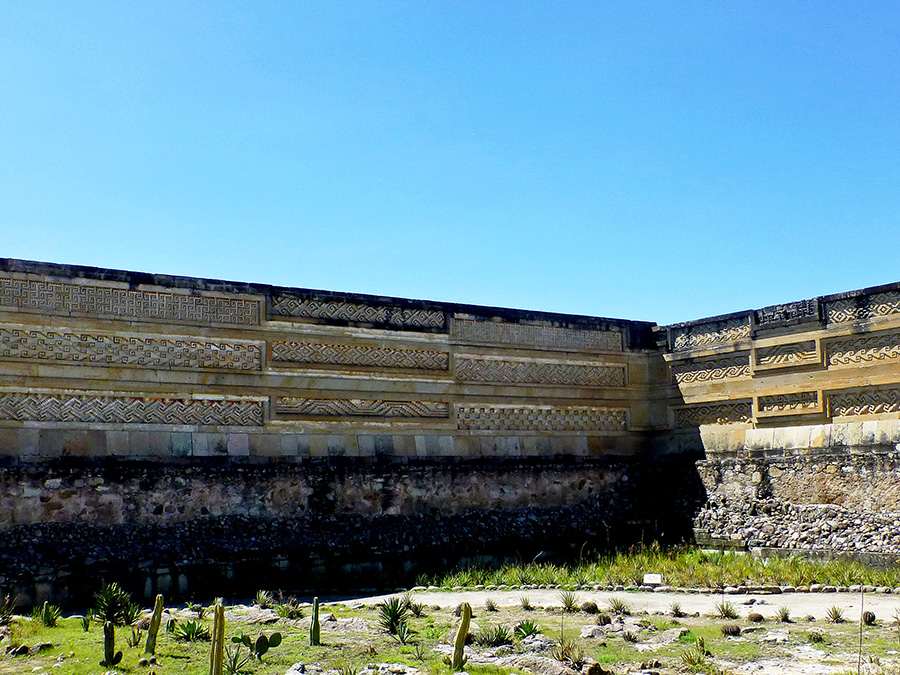
Thus, Wednesday began with Benito picking us up in a comfortable, spacious, and air-conditioned van.  Our day’s first destination was Mitla, the second most important archeological site in Oaxaca and home to amazingly intricate grecas (fretwork).  However, as we headed east on Mexican highway 190, Benito was a fountain of knowledge — much of which was new to me.  This was going to be good!
2aP1260763

Grecas (fretwork)on the outside of the Palace at the archaeological site at Mitla.

For almost an hour and a half, Benito led us through the site — always explaining, answering our questions, and letting us marvel at what was before us.  We could have stayed for at least another hour, but we headed back west on 190, to Yagul, an archeological site I had previously never visited.  Several friends told me they experienced a deeply spiritual sense and that it was a must see.  We barely skimmed the surface (definitely a place to return to), but the sun was hot, archeological overload was setting in, and hunger beckoned.

P1260776

Ballcourt at Yagul — the biggest in the valley of Oaxaca.

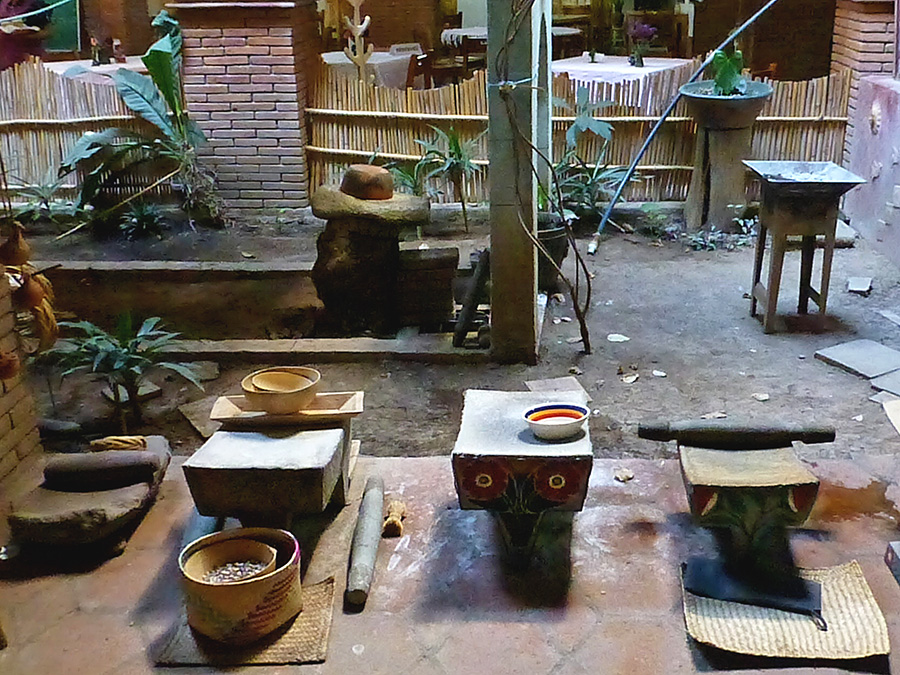
Next stop, Restaurante Tlamanalli in Teotitlán del Valle — the renown restaurant of Zapotec cooks, Abigail Mendoza and her sisters.  Using time honored methods and recipes refined over generations, the Mendoza sisters have elevated and brought worldwide recognition and respect for their traditional cuisine.  It was a delicious and tranquil interlude.
P1250077_land

Metates used at Restaurante Tlamanalli to grind ingredients for mole and more.

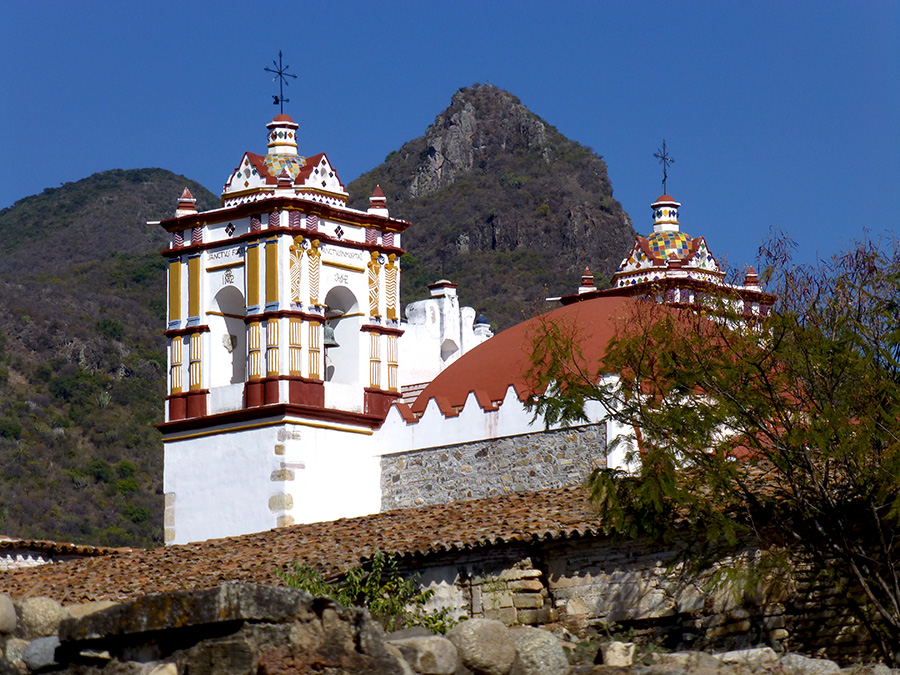
Tearing ourselves away, Benito, B, and I climbed back into the van and drove to the center of the village to see Templo de la Preciosa Sangre de Cristo, another of the countless churches throughout Mexico built on top of a sacred indigenous site.
P1000657

Templo de la Preciosa Sangre de Cristo, sits atop Zapotec ruins at the base of Picacho, the sacred mountain in Teotitlán del Valle.

My intent, during our visit to this village, known for its weaving with wool, had been to visit several of the weavers I know — including Fidel Cruz Lazo, Antonio Ruiz Gonzalez, his brother Sergio Ruiz Gonzalez, and the family of Samuel Bautista Lazo.  However, we were running short of time, and B had been following my adventures with the family of Juana and Porfirio Gutierrez Contreras and had poured over the family’s website, so stopping at their home and workshop was a priority for him.  Porfirio was back in the USA, but Juana and her husband Antoño gave their always excellent explanation and demonstration of their work with natural dyes.  And, yes, B couldn’t resist purchasing a wonderful rug (though not the one pictured below)!

P1250593

Woven wool tapete (rug) by Porfirio Gutiérrez Contreras.

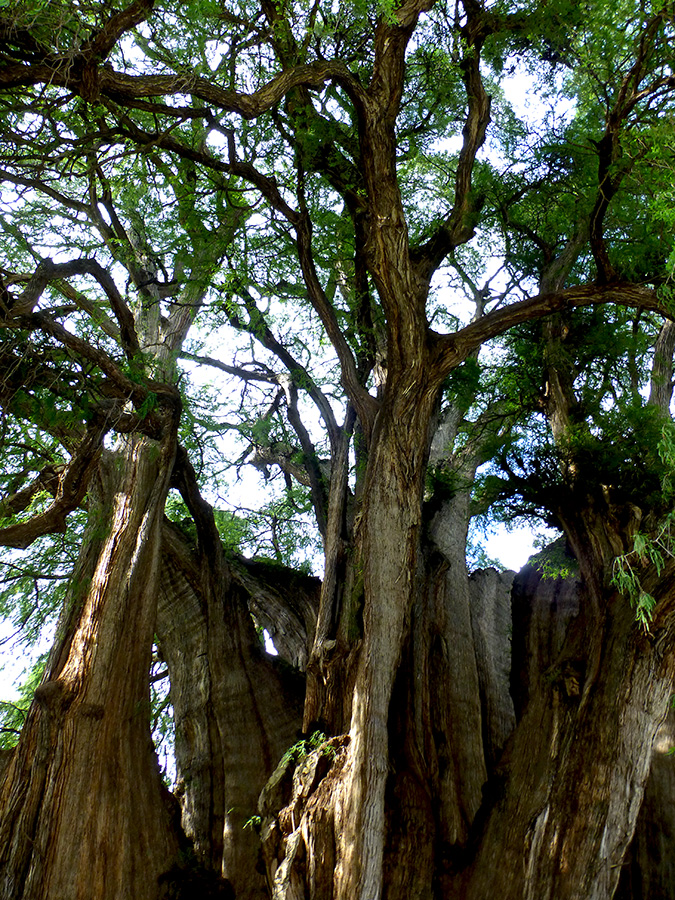
On the way back to Oaxaca city, our last stop for the day was at Santa María del Tule to see the world famous Árbol del Tule.  This Montezuma cypress (Taxodium mucronatum; Ahuehuete in Nahuatl) has the largest trunk of any tree in the world, is thought to be between 1,200 and 3,000 years old, and is home to hundreds, if not thousands, of birds.  It is quite a sight to hear, let alone see.
2eP1260805

Looking up at the Árbol de Tule in Santa María del Tule, Oaxaca.

We left Oaxaca city at 9:15 AM and didn’t return until almost 6:00 PM.  It was a full, informative, and terrific day.  Next up, day 3 —  another delightful day out of the city with Benito.

Save

Read Full Post »
When you sit down to your turkey dinner tomorrow, you will be following in the footsteps of the original inhabitants of the valley of Oaxaca.

p1220875

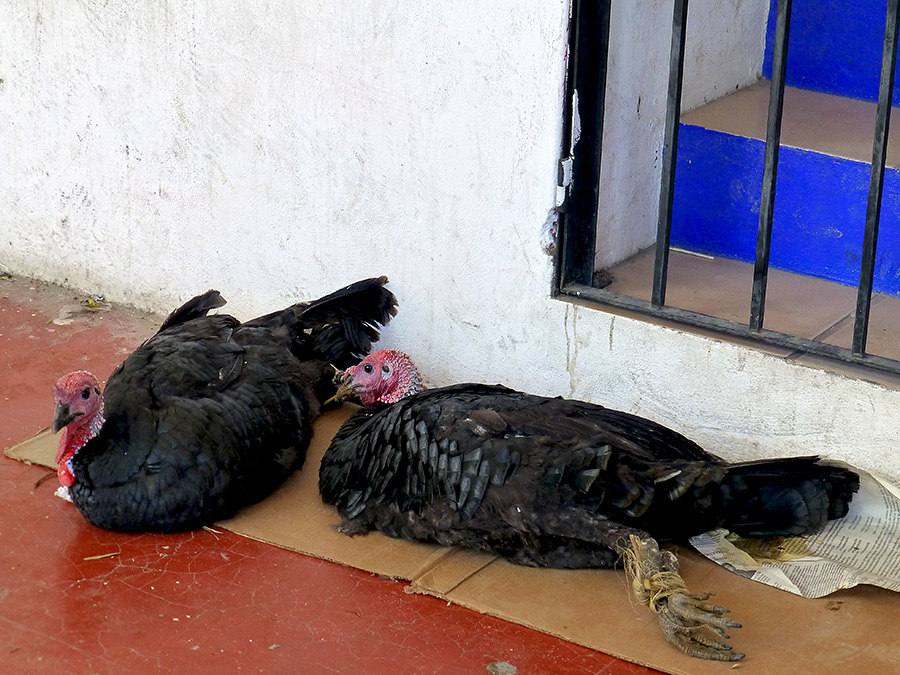
Guajolotes on the doorstep. San Pablo Villa de Mitla, Oaxaca

Archaeologists have discovered evidence of turkey domestication 1,500 years ago in the in the valley of Oaxaca’s Mitla Fortress.  And, according to Gary Feinman, Field Museum curator of Mesoamerican anthropology, “It’s a bird very, very similar to what a lot of people are going to eat on Thursday.”

p1190817-1

Guajolotes waiting for a ride, Teotitlán del Valle, Oaxaca.

Turkeys, or as they are commonly known in Oaxaca, guajolotes, continue to play a special role in many of Oaxaca’s indigenous communities.  Turkey mole is prepared and served during religious festivals and weddings, among other special occasions.  They are also given as gifts and the downy feathers under the wings are dyed and used to make penachos (headdresses) for the danzantes of the Danza de la Pluma.

So, to those in el norte, while you are enjoying your Thanksgiving turkey, give a little thanks to the Zapotecs of the valley of Oaxaca.  ¡Buen provecho!

Save

Read Full Post »

When atop the massive plateau that is the archaelogical site of Monte Albán, one can’t help but reflect on the pre-Hispanic cultures that built and inhabited this place; cultures whose gods were of the environment — the elements and the agricultural gifts, to man and beast, those elements provided.

P1080131P1080149P1080143P1080145P1080228P1080170P1080177

P1080235

Today, as we celebrate Earth Day, perhaps we need a return to the old gods…

Read Full Post »
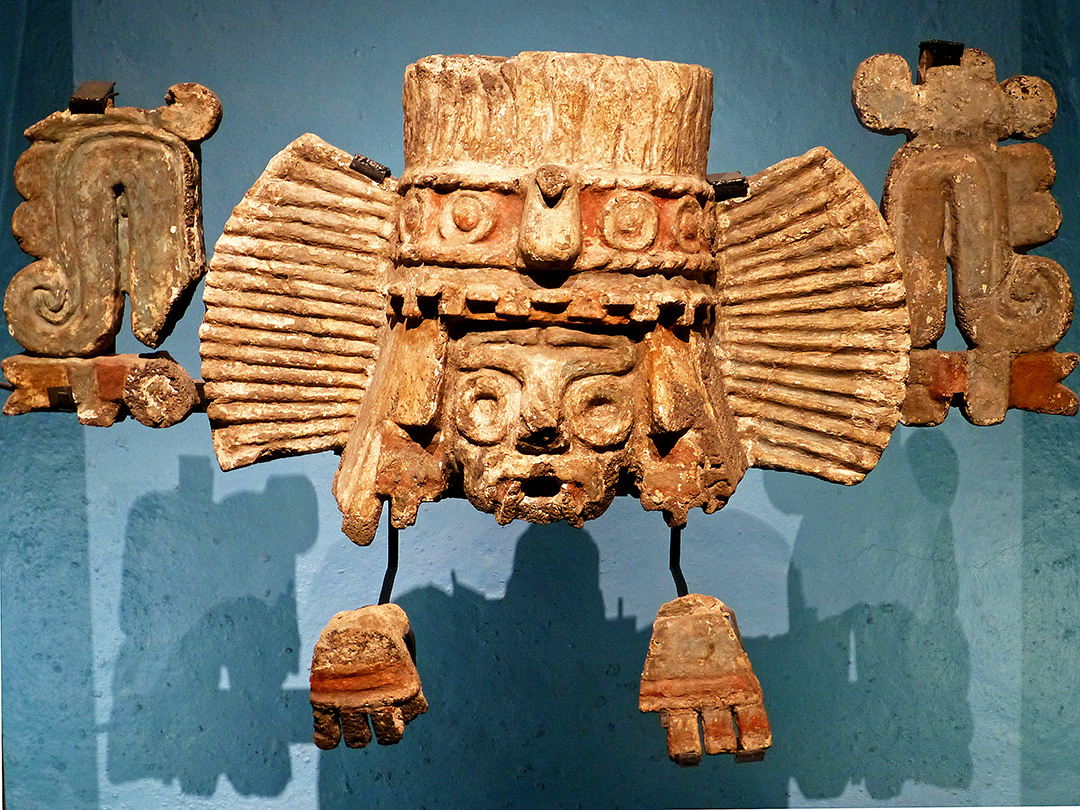
Last week, while in Mexico City, I paid my respects to Tláloc, the Aztec rain deity, both at the Templo Mayor and Museo Nacional de Antropología (National Anthropology Museum).

Templo Mayor, Mexico City

Tláloc — Templo Mayor, Mexico City

I’m now back in Oaxaca and, for the third day in a row, Tláloc is making his presence known.  And, rain is in the forecast for the next several days.

Fragments of a Tláloc brazier - Museo Nacional de Antropología, Mexico City

Fragments of a Tláloc brazier — Museo Nacional de Antropología, Mexico City

Thunder is rumbling and, out of the corner of my eye, I see flashes of lightning to the east.  It may be the “dry season,” but Tláloc is speaking and we are listening.

Pot with image of Tláloc -- Museo Nacional de Antropología, Mexico City

Pot with image of Tláloc — Museo Nacional de Antropología, Mexico City

Perhaps drought-stricken California might want to build a temple to this supreme god of the rains — not to mention, institute mandatory water rationing!

Read Full Post »

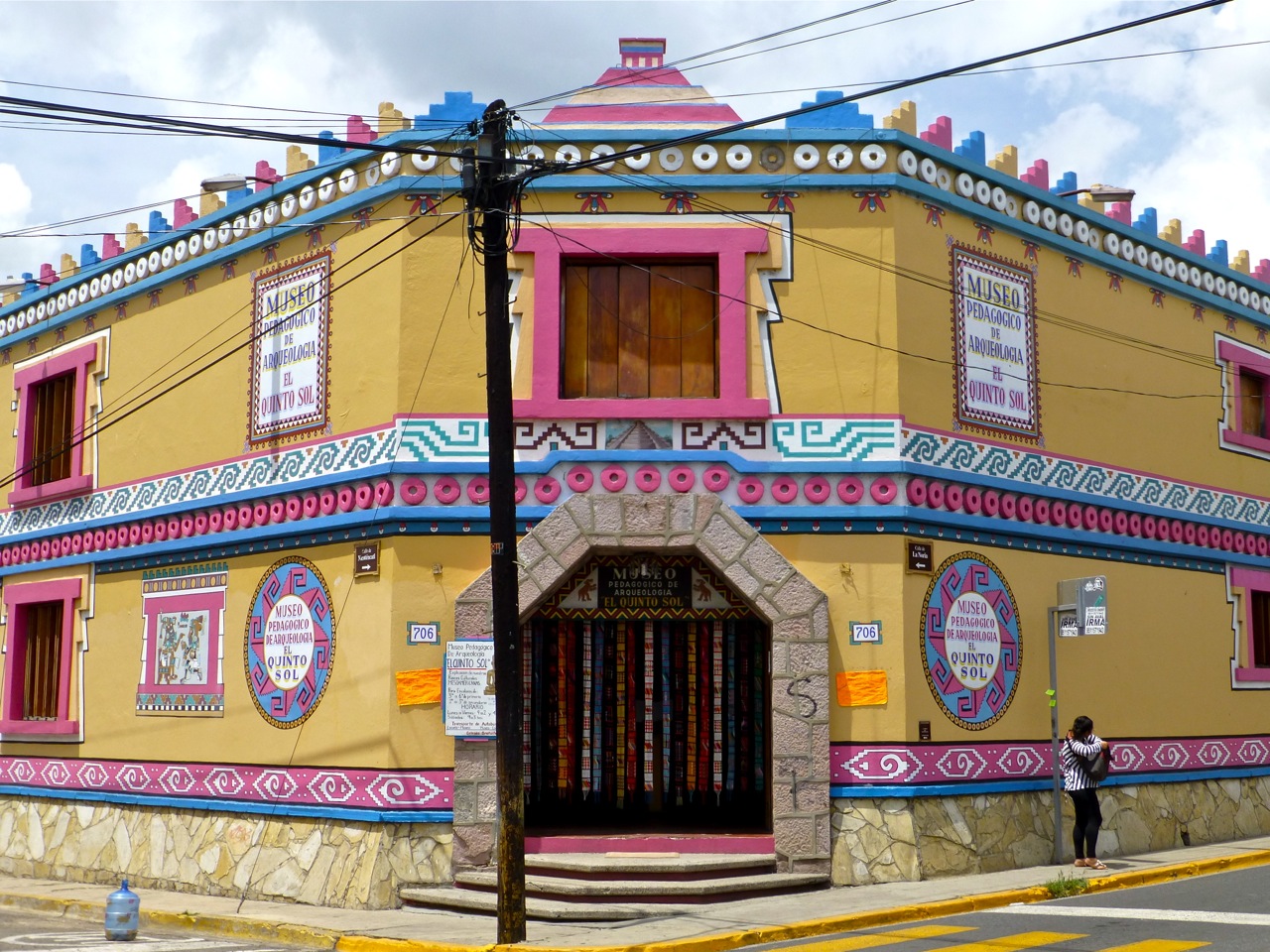
Oaxaca is one of the most child friendly places you will ever visit.  Kids are welcome most everywhere — it’s part of the culture — and there is much for them to see and do, including El Quinto Sol, an archaeological museum for children.P1020037

I’ve been meaning to write about this colorful, yet hidden, gem since a friend and I discovered it in 2008 on an early Sunday morning ramble.  It was closed for remodeling, but we managed to peek in and vowed to return.

Of course, we didn’t write down the address or name and all I remembered was that it was somewhere south of the zócalo.  It took several expeditions once I moved to Oaxaca before I found El Quinto Sol again.

According to the museum’s brochure, this delightful and educational museum was the brainchild of Oaxaqueño, Manuel Ramirez Salvador and first opened March 19, 2000 in order to teach, preserve, and appreciate the “great heritage bequeathed by our Mesoamerican ancestors.”

Not only a museum, there is also a fabulous “old school” toy store, El Cri-Cri, named for the “grillito cantor” (the singing cricket), a character created by the beloved Francisco Gabilondo Soler.  There are no plastic, battery-powered games and toys in sight and I guarantee those “of a certain age” will be reminiscing and exclaiming, “Ooh, I used to have one of these!” and “Ahh, I always wanted one of those!”

By all means, pay El Quinto Sol a visit — even if unaccompanied by a child.

Address:  Xicotencatl No. 706 (at the corner of La Noria)
Telephone:  951.514.3579
Hours:  Monday through Friday,  9:00 AM – 2:00 PM and 4:00 – 6:00 PM
Saturday, 10:00 AM – 6:00 PM.  Closed on Sunday

Read Full Post »

Almost a year after our first visit to the newly opened Atzompa archaeological site, yesterday, we returned.  The beautiful paved road up from Santa María Atzompa (elevation 1,580 meters) now brings one to a parking lot right across from the entrance, making for less of a haul up the hill for those less mobile or challenged by the altitude — at the top it is almost 300 meters above the village below — even we were huffing and puffing.

IMG_5525

Atzompa was part of Monte Alban and one of its largest settlements.  At the top of the stairs (above), is the largest (45 meters by 22 meters) of the 6 ball courts found among the Monte Alban communities.

Ball court

Investigations of the Atzompa site first began in 1940 by Jorge R. Acosta, who was part of the Monte Alban Project.  However, in 2007 the National Institute of Anthropology and History began formal explorations using a team of architects, archeologists, topographers, and restorers.

IMG_5555

Though the path is currently difficult to see, make sure to go around to the left of the building above to see the north quadrant.  Informational placards in Spanish and English are now in place throughout the site and most of the facts in this post are taken from them, but, of course, I neglected to take a photo of the placard for the building below!

IMG_5557

Residents from the land cooperatives in the surrounding communities have been hired to do much of the field and lab work.  Not a bad setting to work…

IMG_5556

One can, in the words of The Who, “see for miles and miles and miles and miles and miles…”

Green valley with mountain range in distanceExcept for the birds, insects, lizards, and workers, we had this spectacular setting to ourselves — I think we only saw 3 other visitors the entire time we were there.  Perhaps when the second entrance on the Monte Alban side opens, it will attract more attention.  In the meantime, the peace and tranquility are a gift in these chaotic times.

Oaxaca–The Year After has more from yesterday’s visit.

Read Full Post »

At long last, and with not much fanfare, the Atzompa archeological site is open to the public!

Panoramic view of Atzompa archaeological site.

The winding road, cut into the side of the mountain, has been visible for a while and we could see platforms when we were up at Monte Alban (about 5 miles away) two weeks ago.

Winding road on side of mountain.

It’s a bit of a hike up a newly paved road from the small (temporary?) parking area under the pine trees, but we eventually reached the site and the ball court.

Ball court with mountains in background

It is small, but the setting is spectacular.

Ruins in foreground with mountains in back.

One can see a recreation of the 1,000+ year old Zapotec kiln that was uncovered 8 feet down — offering proof of continuity to today’s renown potters of Santa María Atzompa.

Kiln with shade covering.

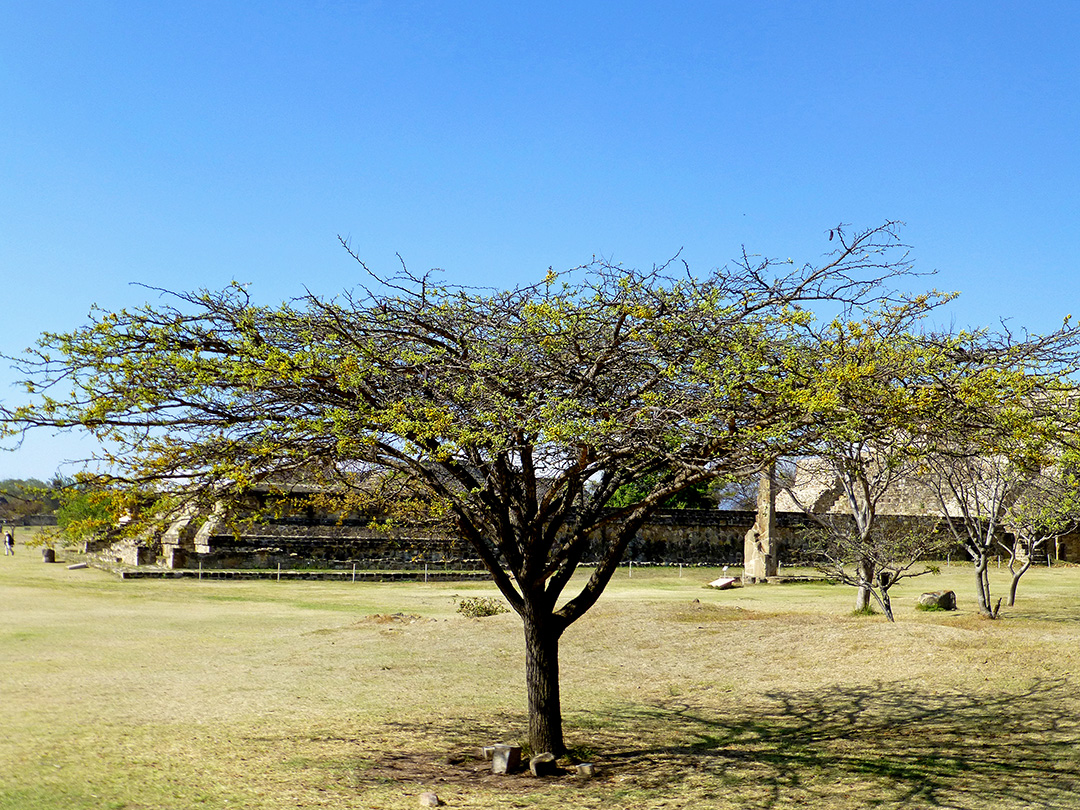
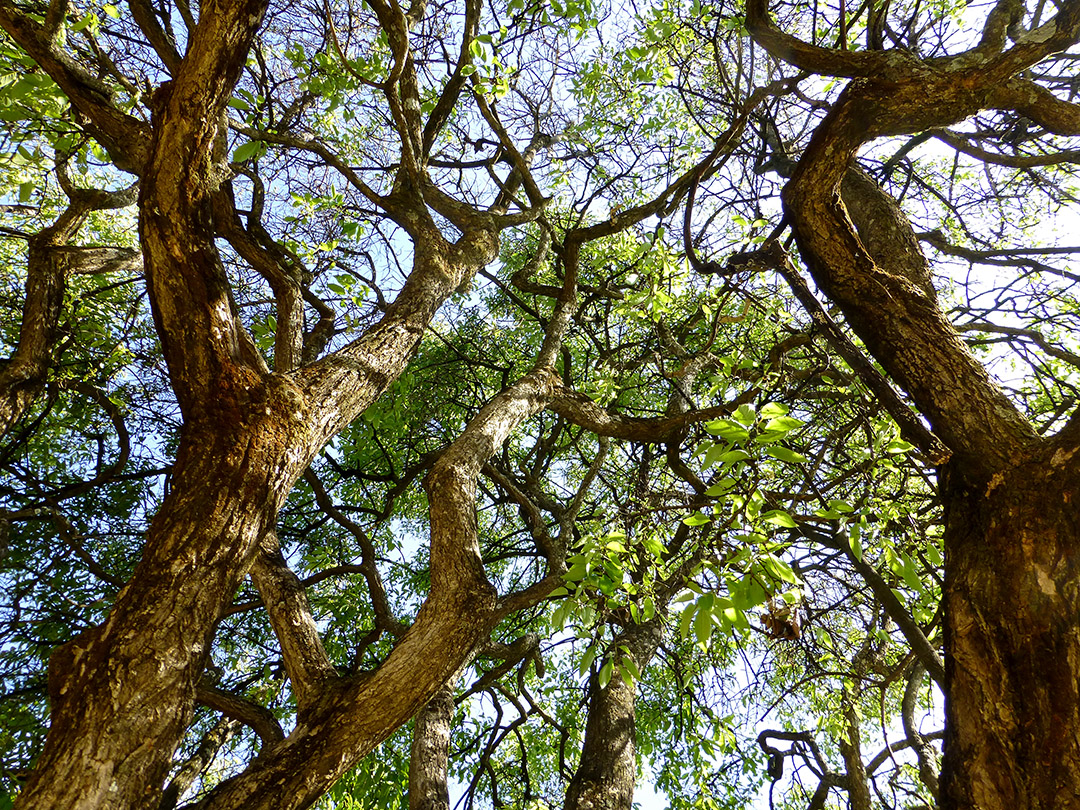
Then there is the vegetation….  The architecture of native trees adds to aura of this ancient site.

Tree in front of side of pyramid

And, the white flowers of one of the trees has attracted the tiniest hummingbirds I’ve ever seen.

Hummingbird sitting on branch

Nopal cactus, in full fruit (tunas) at this time of year, dot the landscape.

Nopal cactus loaded with red fruit "tunas"

Archaeologists and their crews continue their work excavating and restoring, and much is blocked from amateur exploration, including the 1,100-year-old burial chamber.  Darn!

Workers restoring a building

The only “facilities” available at the site, thus far, are bathrooms (which were a trip, but I won’t go into it).  Lest you worry about comida for the workers, it arrived by motorcycle and was waiting in insulated boxes in the parking area.

6 motorcycles with soft insulated boxes.

Aside from those working at the site, we had the place to ourselves… no tour groups and no vendors.  We were left alone to listen to the birds and insects and imagine a highly developed culture, alive with the ancestors of the energetic, creative, and spiritual people we are privileged to live among.

Read Full Post »

Fifteen hundred years may have passed since Monte Albán was in full bloom as the center of Zapotec civilization.  However, the flowering continues…

This slideshow requires JavaScript.

Monte Albán on an early October morning.

Read Full Post »

… there you are.

Green grass, stone structure, blue sky with wispy clouds

Monte Albán on a picture perfect autumn morning.

Read Full Post »

Older Posts »