Feeds:
Posts
Comments

Archive for February, 2022

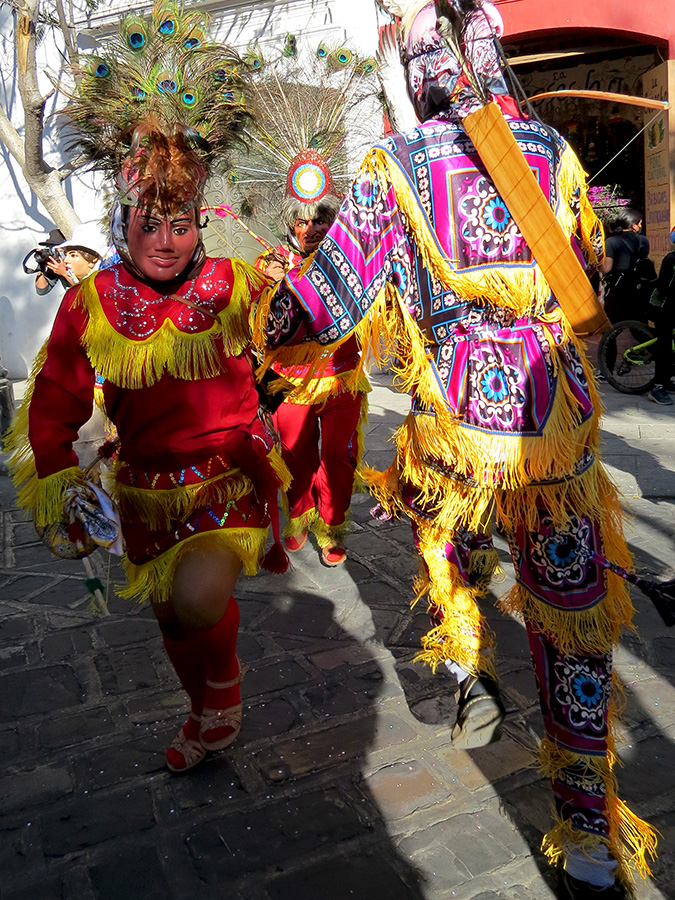
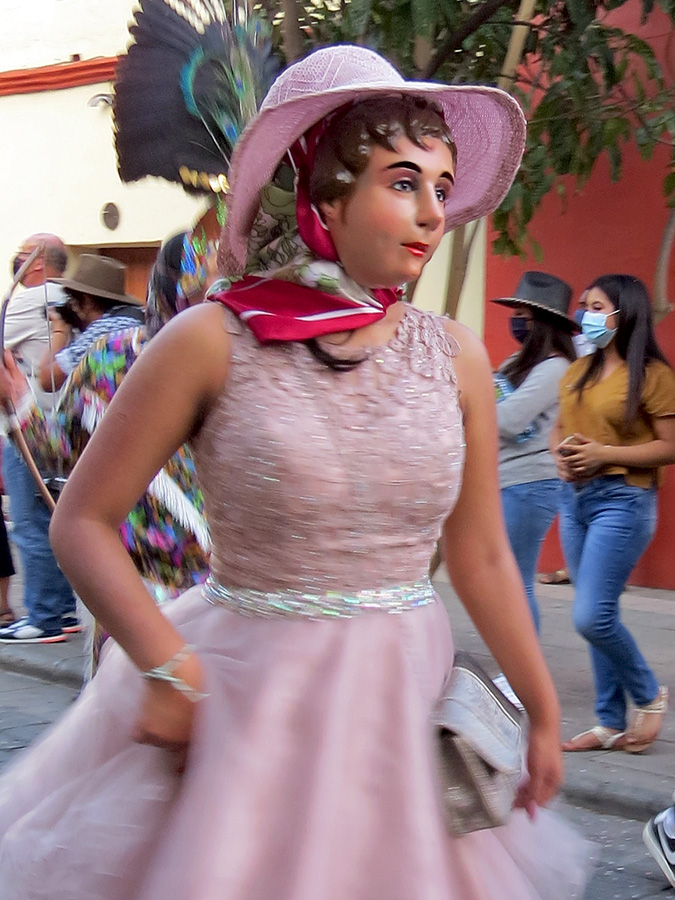
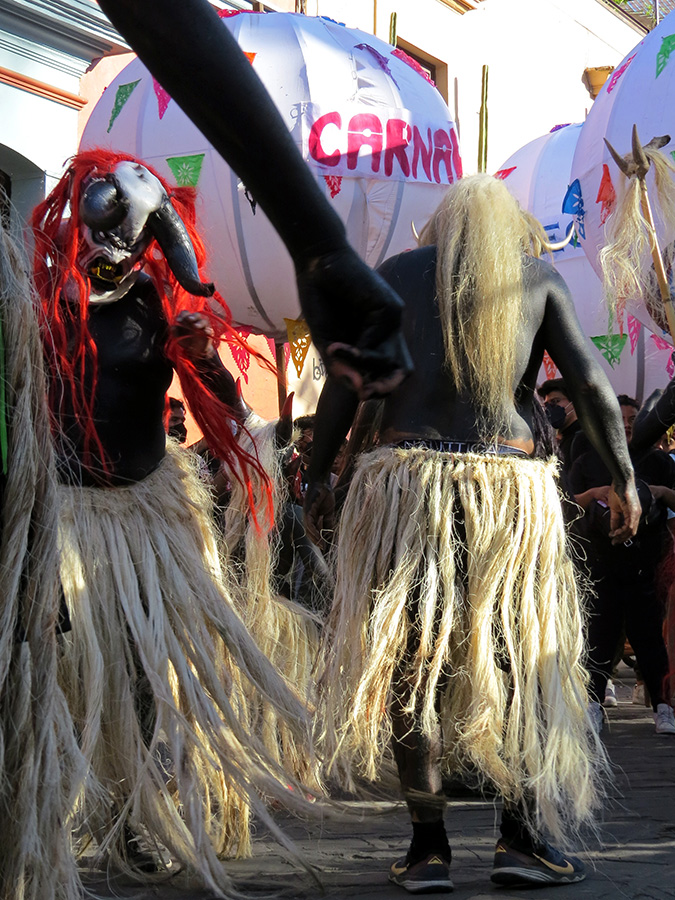
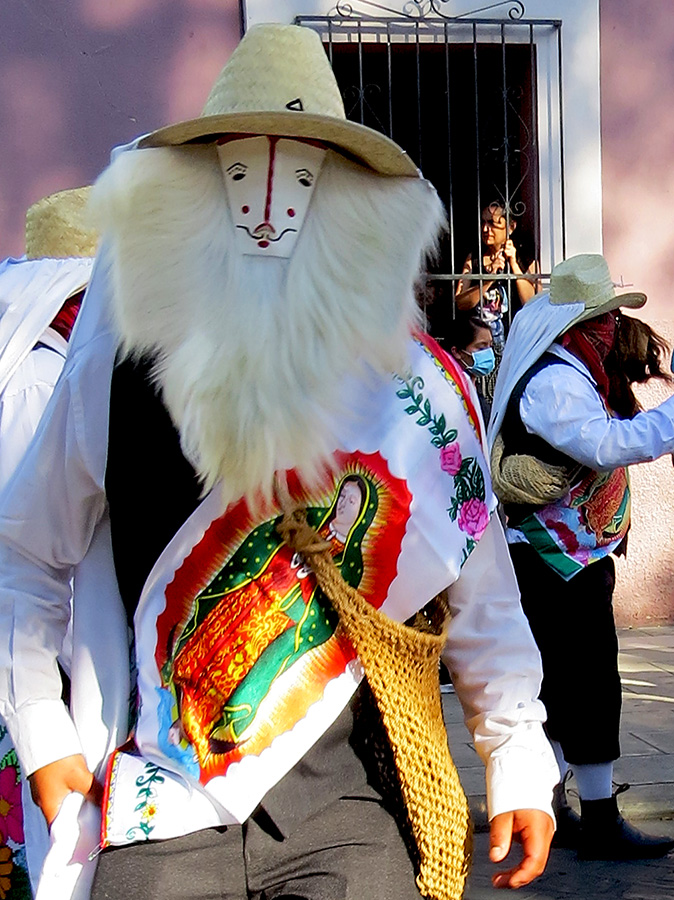
After the 2021 hiatus due to the pandemic, Oaxaca city resumed its annual Carnavales Oaxaqueños calenda. This parade, held on the Saturday before the start of Lent, was begun in 2019 to promote the traditional Carnaval celebrations in various villages in Oaxaca’s Central Valleys and the Mixteca on Shrove Tuesday (aka, Carnival, Mardi Gras, and Fat Tuesday). This riot of music, costumes, masks, and even stilts assembled at the Cruz de Piedra, processed down the Macedonio Alcalá, and concluded at the Alameda de León — to cheering, chanting, and picture/video taking by residents and visitors.
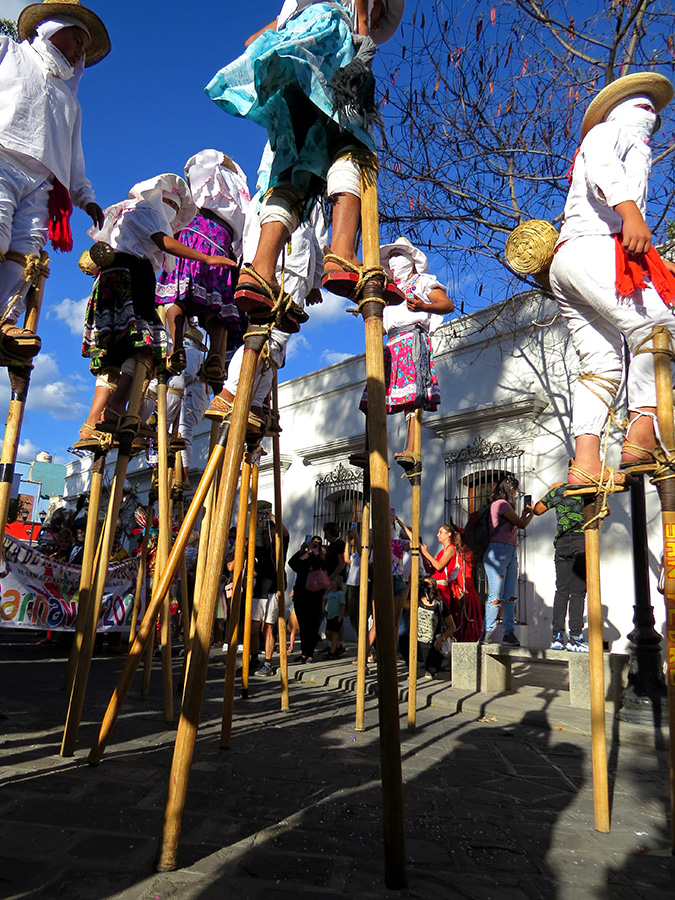
Villages participating were San Bartolo Coyotepec, San Juan Bautista La Raya, Villa de Zaachila, San Bartolome Quialana, Santiago Juxtlahuaca, Magdalena Teitipac, San Mateo Macuilxóchitl, Santa Catarina Minas, Santiago Llano Grande, San Sebastián Tecomaxtlahuaca, Santa María Coyotepec, Chalcatongo de Hidalgo, and Putla Villa de Guerrero.
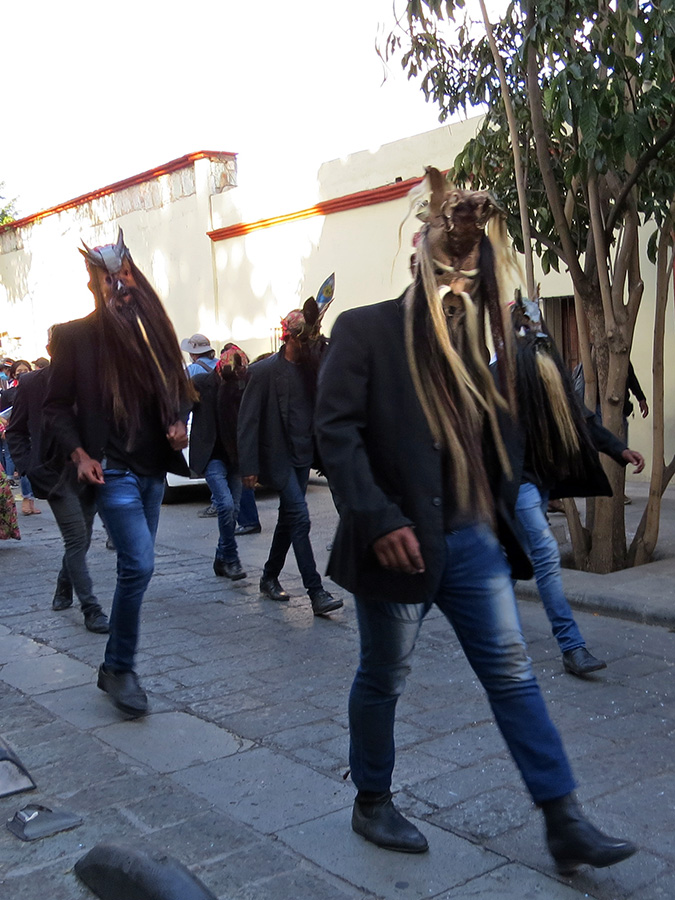
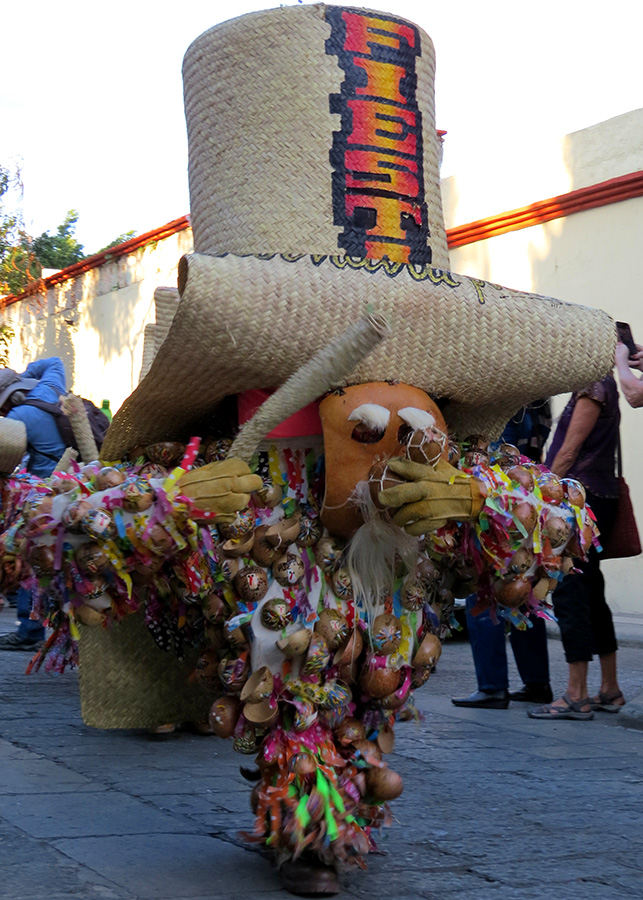
Of course the pandemic isn’t over and a couple of weeks ago Oaxaca went back up to semáforo amarillo (yellow), so the impact of crowds gathering (albeit outside) remains to be seen. At least up near the parade’s starting point, most onlookers were wearing cubrebocas (protective masks). Unfortunately, the exceptions seemed to be young tourists. I am pleased to note that the poster for San Martín Tilcajete’s very popular Carnaval celebration states, “Uso obligatorio de cubrebocas” (Use of a protective mask is obligatory). Let us hope that the unmasked will respect the locals and put on a cubreboca!

Read Full Post »

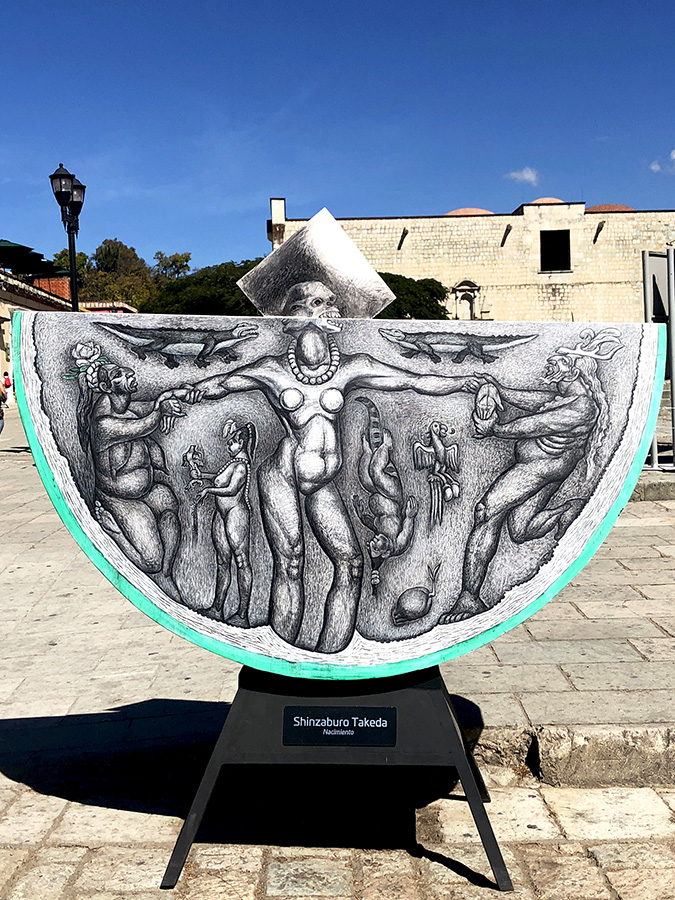
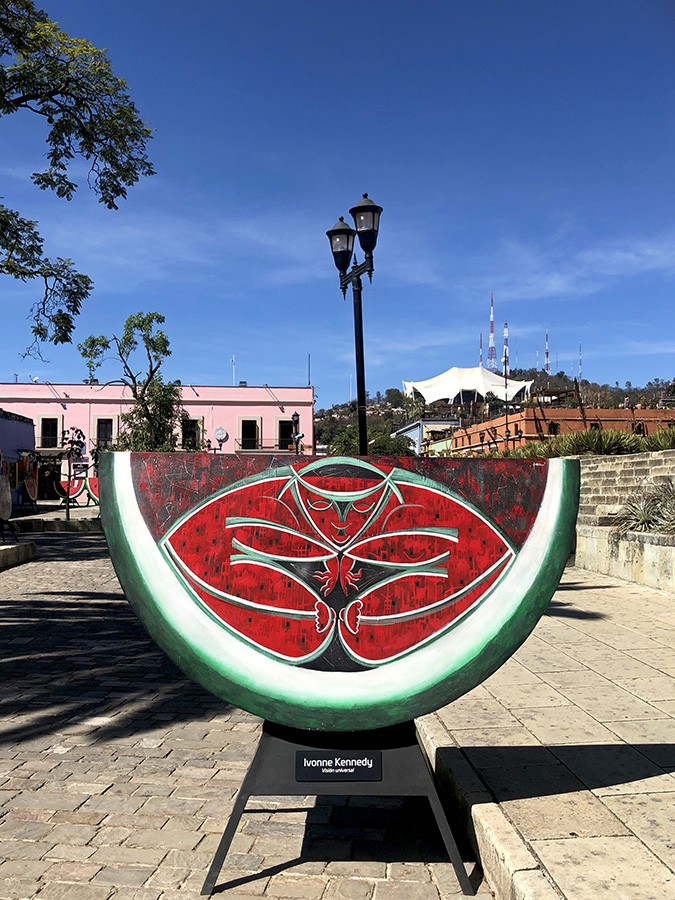
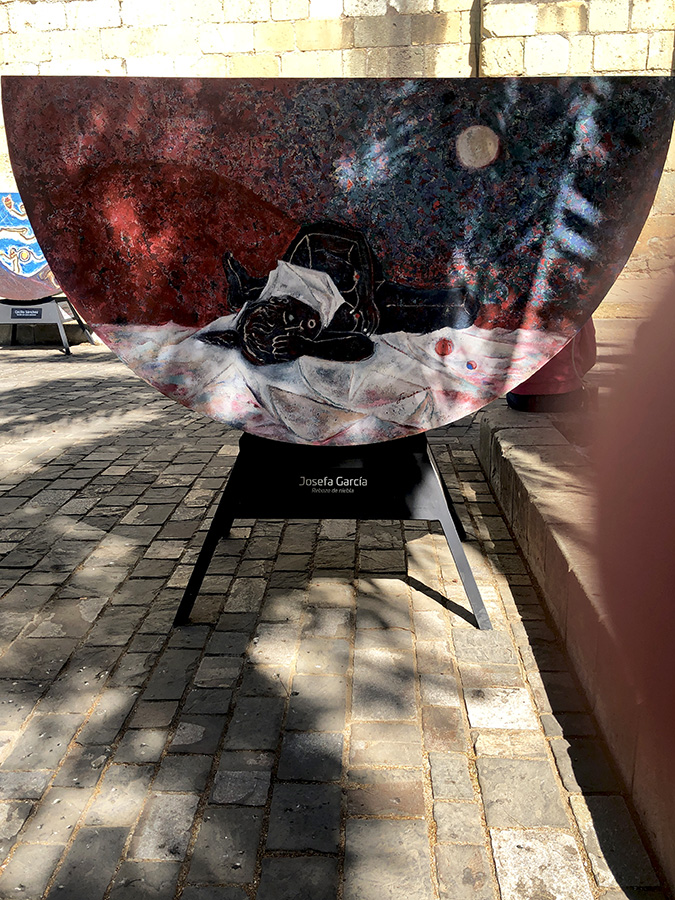
Rufino Tamayo’s iconic sandía paintings and the thirtieth anniversary of the Oaxaca painter’s death, provided the inspiration for a tribute to the artist commissioned by promoter and curator, Nancy Mayagoitia. In an homage, thirty artists, all with connections to Oaxaca, interpreted large sculptural watermelon slices. The free public exhibition opened at the end of October 2021 in the Plaza de la Danza and then moved outside Templo de Santo Domingo de Guzmán adjacent to Oaxaca’s walking street, Macedonio Alcalá — where, as of a few of days ago, it continues to reside.

“Nuevo amanecer y eclipse” by Felipe Morales
“Tamayo coleccionista” by Guillermo Olguín
“Reunión de cinco reinos” by Román Llaguno
“Tierra del sol” by Eddie Martínez
“Sonata para Tamayo” by Ixrael Montes
“Gallos y mujer sin mandolina” by Saúl Castro
“El rockanrolero y sus fans” by Hugo Vélez

After working on this blog post, I can’t get “Watermelon Man” by Mongo Santamaria out of my head. The link is from their performance at the 1969 Harlem Cultural Festival. If you want to watch something singularly special and significant, I highly recommend that you to check out Summer of Soul, a 2021 documentary that beautifully chronicles the festival.

Read Full Post »

In Mexico, Valentine’s Day is known as Día del Amor y la Amistad (Day of Love and Friendship) — a sentiment that honors and celebrates more than just romantic love.

Recyclying heart by Noel Gómez Lorenzo — in front of Oaxaca’s Cathedral during the summer of 2021.

From my heart and home to yours, I wish all my blog readers, ¡Feliz Día del Amor y la Amistad!

Read Full Post »

Last Thursday my BFF took me on an out-of-the-city birthday excursion. She hired a by-the-hour driver, picked me up a little after 9:00 AM, and off we went. Our first stop was Ocotlán de Morelos and besides wandering through the mercado, we stopped at the Municipal Palace to take in the magnificent murals painted by Rodolfo Morales in 1955 celebrating the four hundredth anniversary of the founding of Ocotlán. The murals, which honor its beauty, bounty, and people take up the entire room, including the ceiling.

Main entrance to the mercado in Ocotlán de Morelos.
Doorway murals by Rodolfo Morales in the Ex-Sala del Cabildo, Ocotlán de Morelos.
Murals by Rodolfo Morales in the Ex-Sala del Cabildo, Ocotlán de Morelos.

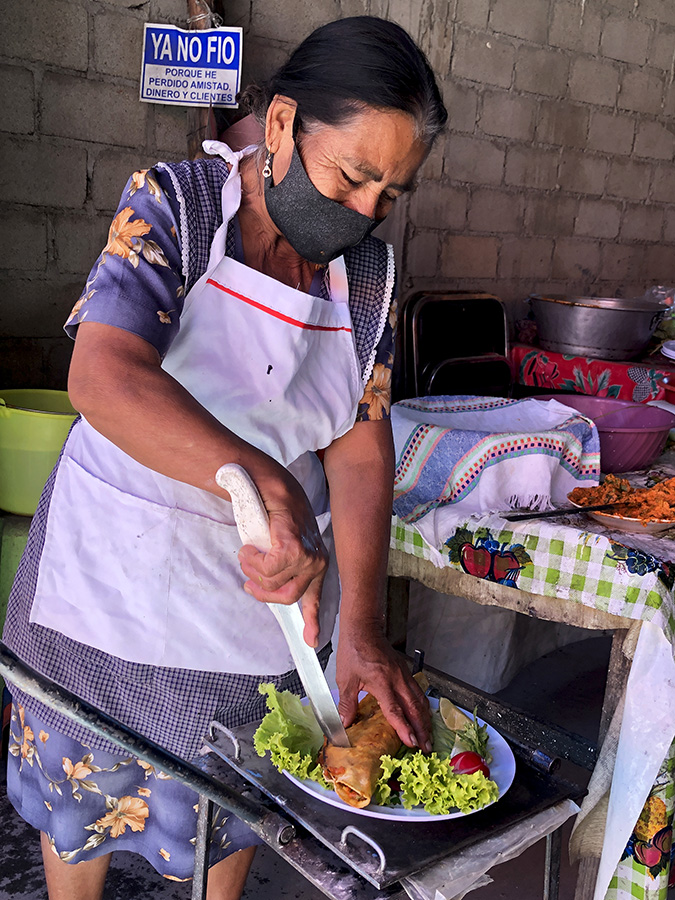
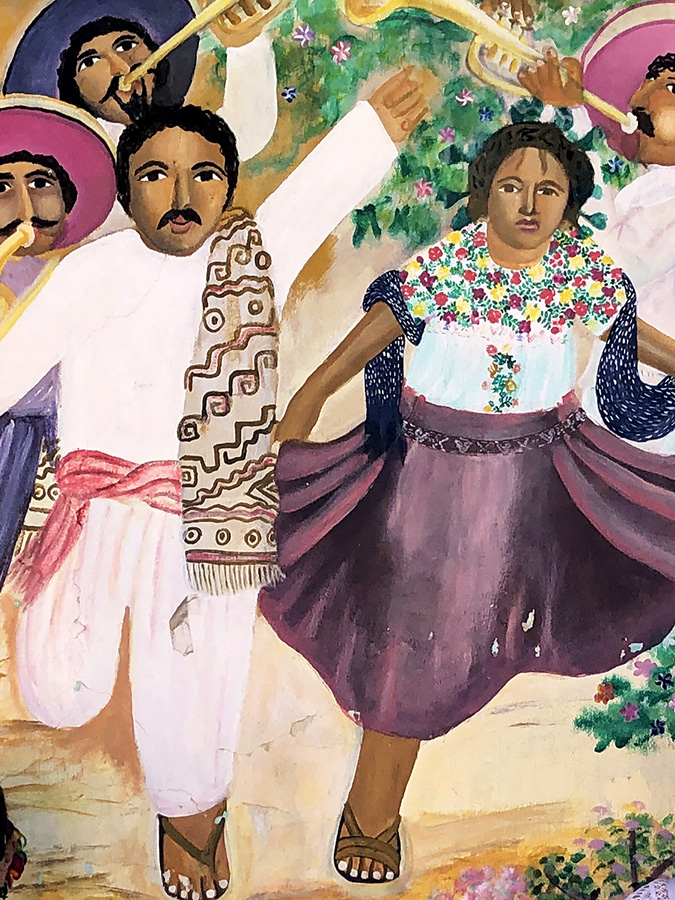
Next on the day’s agenda was San Antonino Castillo Velasco. As its murals remind one, this is a town famous for its floral embroidery and empanadas de amarillo. I should add, it is also known for Taller Manos Que Ven, the home and workshop of clay sculpture Don José Garcia Antonio (aka, the Blind Potter) and his lovely wife and inspiration, Doña Teresita de Jesús. We did a little clothes shopping (thank you, Miriam Campos), ate empanadas, and stopped in to say “hola” to the aforementioned, Don José and Doña Teresita — where we also made a couple of purchases.

Empanadas de amarillo, San Antonino Castillo Velasco.
Mural in San Antonino Castillo Velasco.

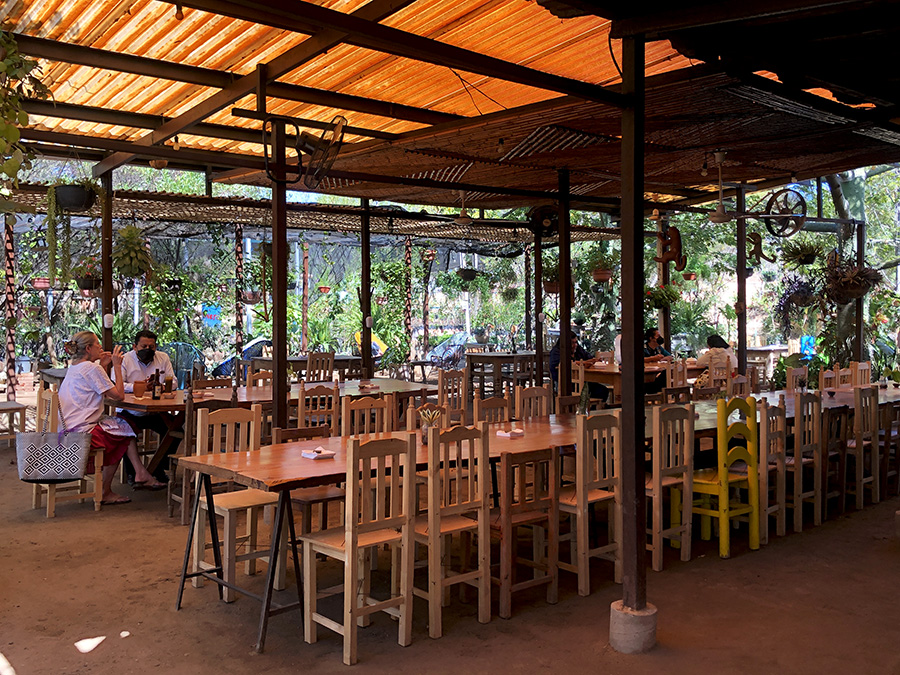
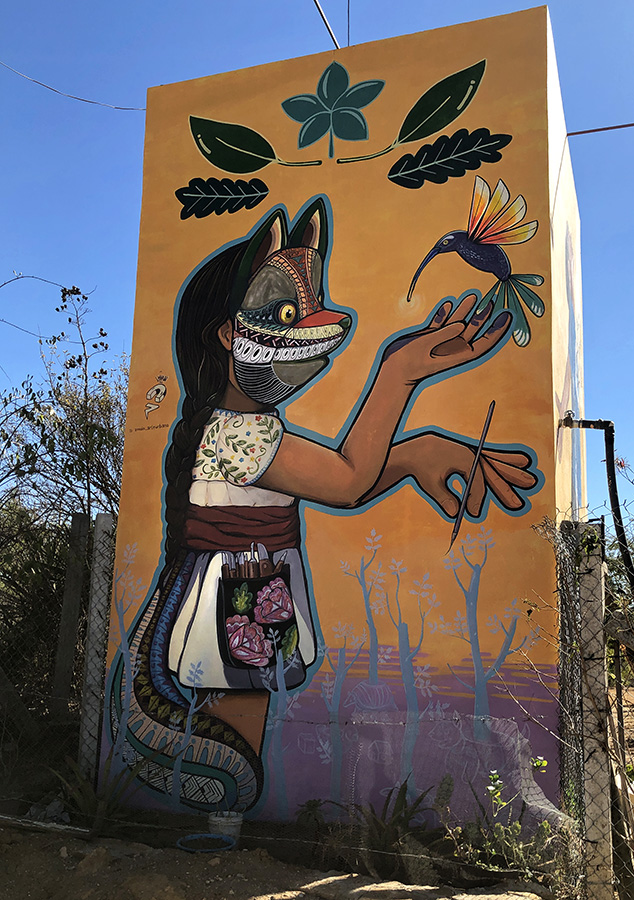
Our final stop of the day was for comida at the new open air restaurant and vivero (nursery), Almú, set in a reforestation campo (field) in San Martín Tilcajete. Murals throughout the town reflect a village celebrated for its woodcarving and colorful painting of masks and alebrije and where moto taxis (tuk-tuks) are a common form of transportation for locals.

Dining area of Almú restaurant in San Martín Tilcajete.
Mural in San Martín Tilcajete.

It was a delightful, delicious, and art filled day!

Read Full Post »

Out of Mother Nature’s fury in August 2021…

comes neighborhood cooperation and beauty in January 2022.

Click on image to enlarge and see the names of the artists.

On Calzada de la República, between the Barrio de Jalatlaco streets, Calle Hidalgo and 5 de mayo.

Read Full Post »