I got out of Dodge (aka, San Diego) last Friday morning, August 18, 2023 — just in time. Happiness was missing the historic arrival in California of Tropical Storm Hilary. Whew!!!


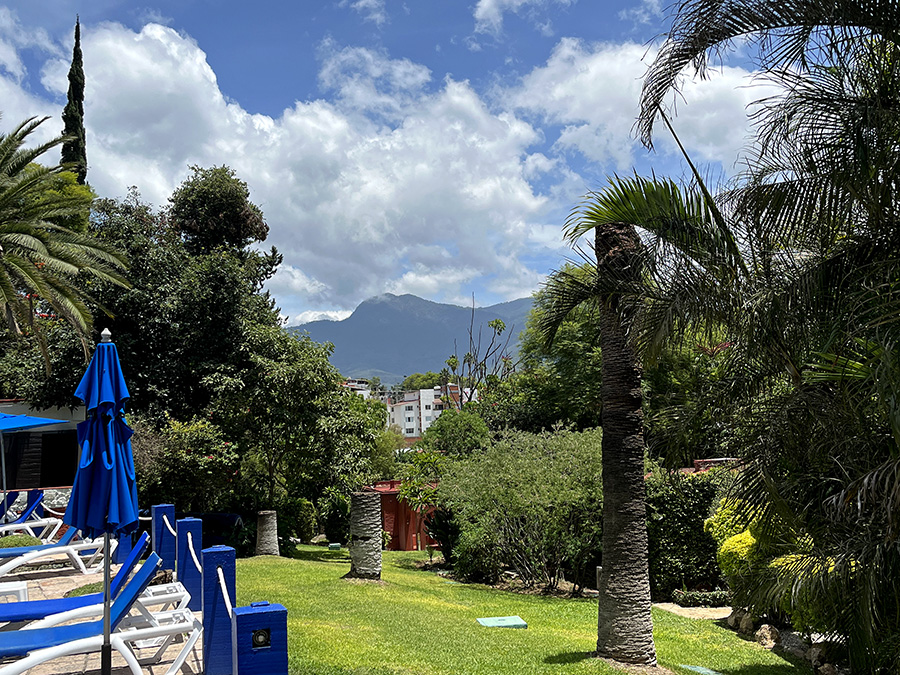
It’s good to be back.
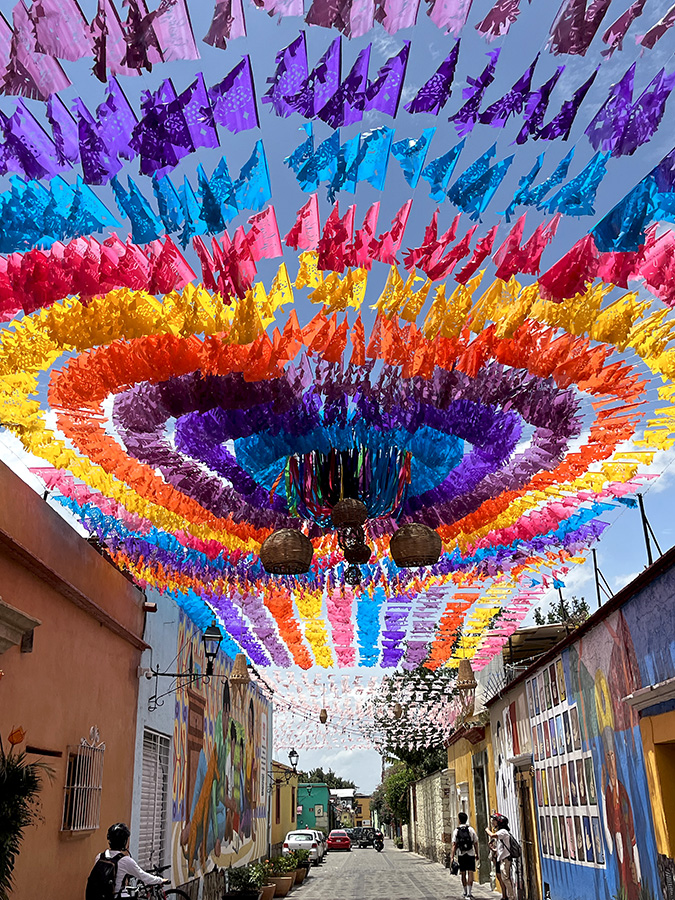
Posted in Celebrations, Creativity, Culture, Neighborhoods, Travel & Tourism, tagged Barrio de Jalatlaco, Mexico, murals, Oaxaca, papel picado, photos, popular travel destinations, street art, urban art, wall art, wedding calenda on August 24, 2023| Leave a Comment »
I got out of Dodge (aka, San Diego) last Friday morning, August 18, 2023 — just in time. Happiness was missing the historic arrival in California of Tropical Storm Hilary. Whew!!!
It’s good to be back.
Posted in Celebrations, Creativity, Culture, Travel & Tourism, tagged Casa Santiago, dancers, Danza de la Pluma, danzantes, desayuno, Hugo Santiago Jímenez, Mexico, Oaxaca, photos, popular travel destinations, Teotitlán del Valle, traditional breakfast on July 23, 2023| 4 Comments »
In Teotitlán del Valle, as part of their three year commitment, each member of the Danza de la Pluma group and, especially their family, is responsible for taking a turn hosting one of the four yearly festivals. It includes several days of serving traditional foods at sit-down breakfasts, lunches, and dinners to the danzantes, band, families, godparents, village officials, and church leaders. For Danza de la Pluma Promesa 2022-2024 danzante, Capitán 2, Hugo Santiago Jimenez’s family, this entailed months of preparation, three pigs and one bull meeting their maker, and days of cooking for over 300 people.
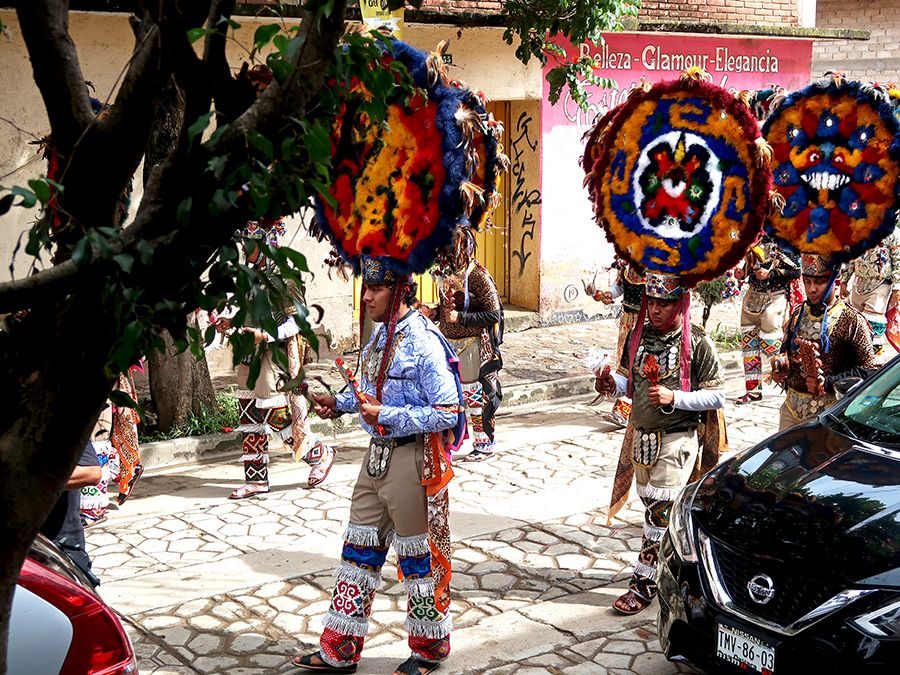


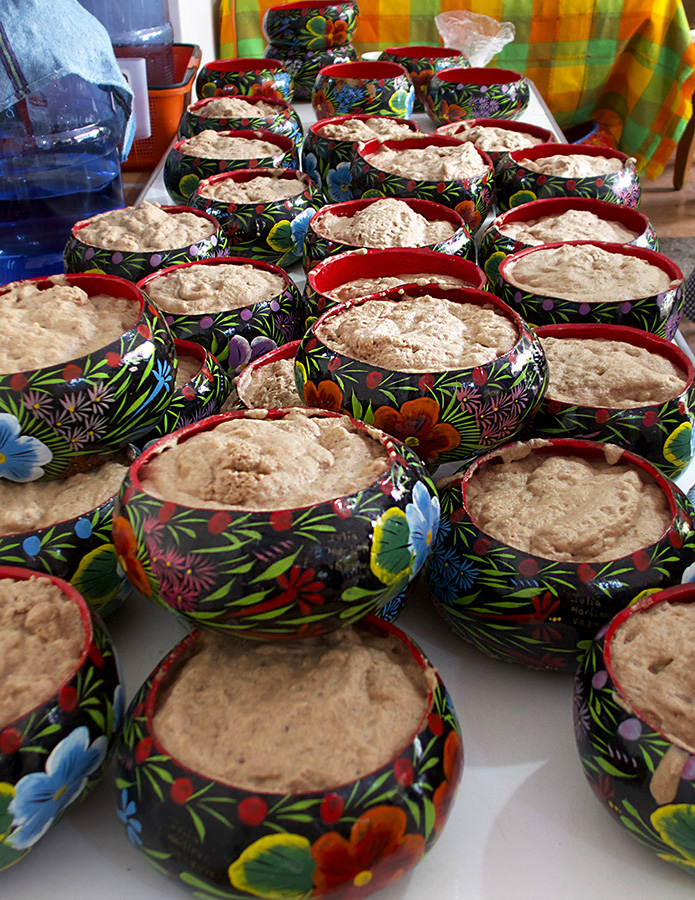

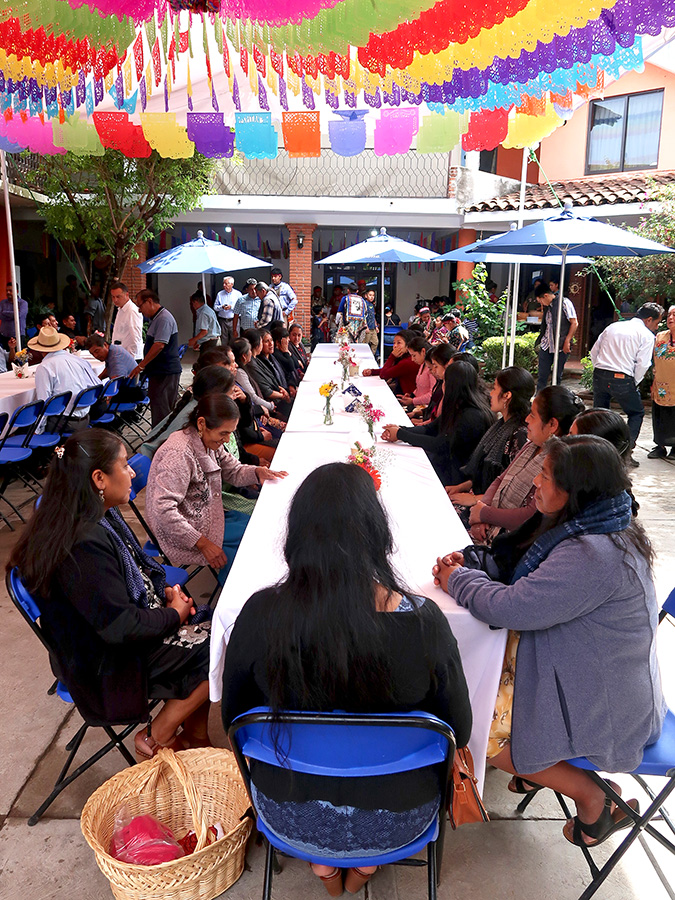
Two days before winging my way to California, I had the privilege of attending the breakfast given by Hugo’s family at the family compound, Casa Santiago. After the meal, tables were folded, chairs were moved to surround the courtyard, danzantes took their places, the band began to play, and Hugo and his fellow Capitán, Félix Contreras Ruiz commenced to dance. Following their dance, the entire group performed and then, led by the band, they took to Teotitlán’s main street to process up to the atrium of the church where they would perform the Danza de la Pluma for almost eight hours.


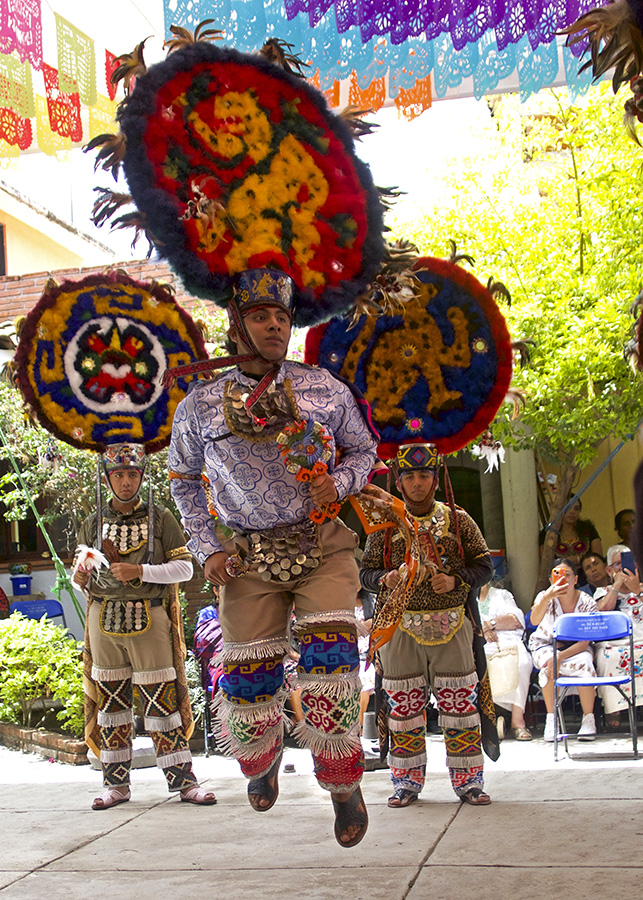


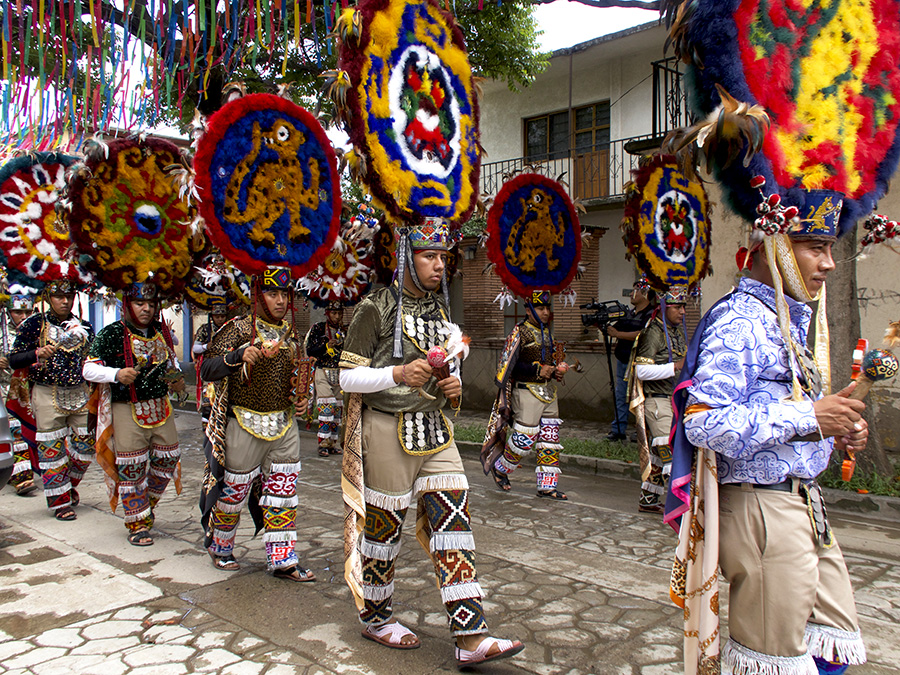
Muchisimas gracias to the people of Teotitlán del Valle and, especially, Hugo and his family for inviting me and for being so welcoming and gracious. And, to my readers, CORTV will be streaming tomorrow (July 24, 2023) evening’s Danza de la Pluma performance by Teotitlán’s danzantes at La Guelaguetza (5 PM Mexico; 4 PM PDT; 7 PM EDT).
Posted in Celebrations, Creativity, Culture, Travel & Tourism, tagged calendar of events, folkloric dance, Guelaguetza, List of delegations, Live streaming, Mexico, Oaxaca, popular travel destinations on July 16, 2023| 4 Comments »
It’s Guelaguetza time in Oaxaca. And, I know, I should have written this blog post several days ago, but I have the best of excuses for my tardiness — I’m in el norte for a family reunion, thus a little distracted! However, better late than never, Guelaguetza 2023!

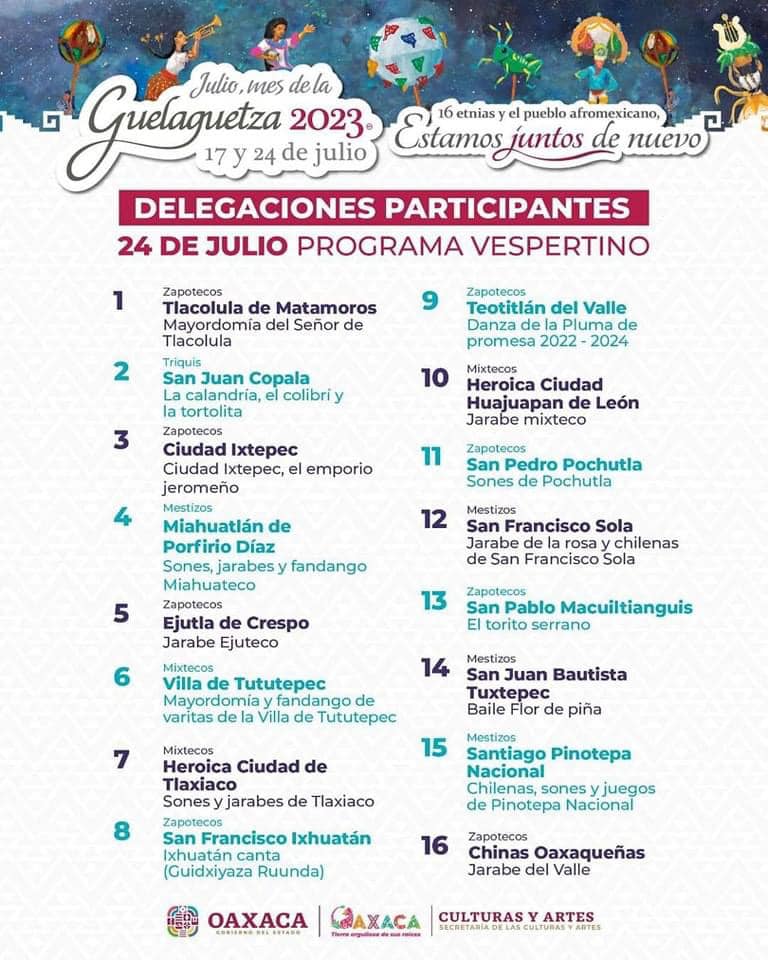
See below for the list of delegations by date, time, and the dance they will be performing. Performances will be streamed on CORTV’s YouTube channel.

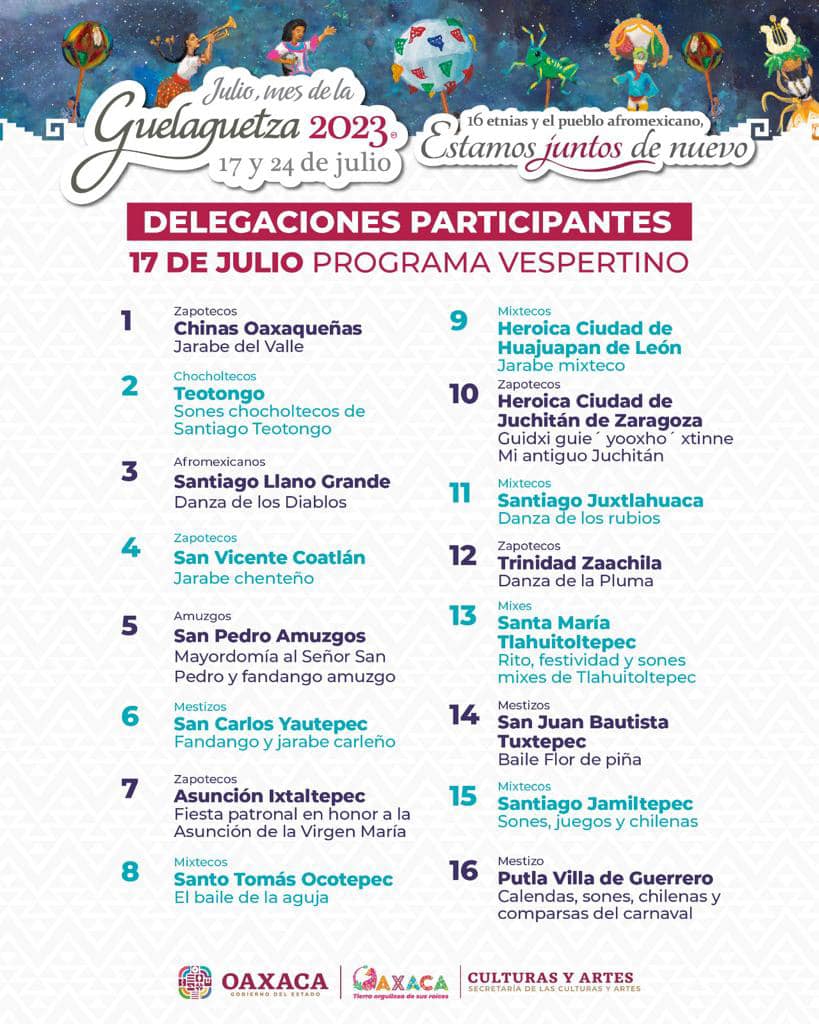

Activities are spread throughout the city with free transportation available between event sites.
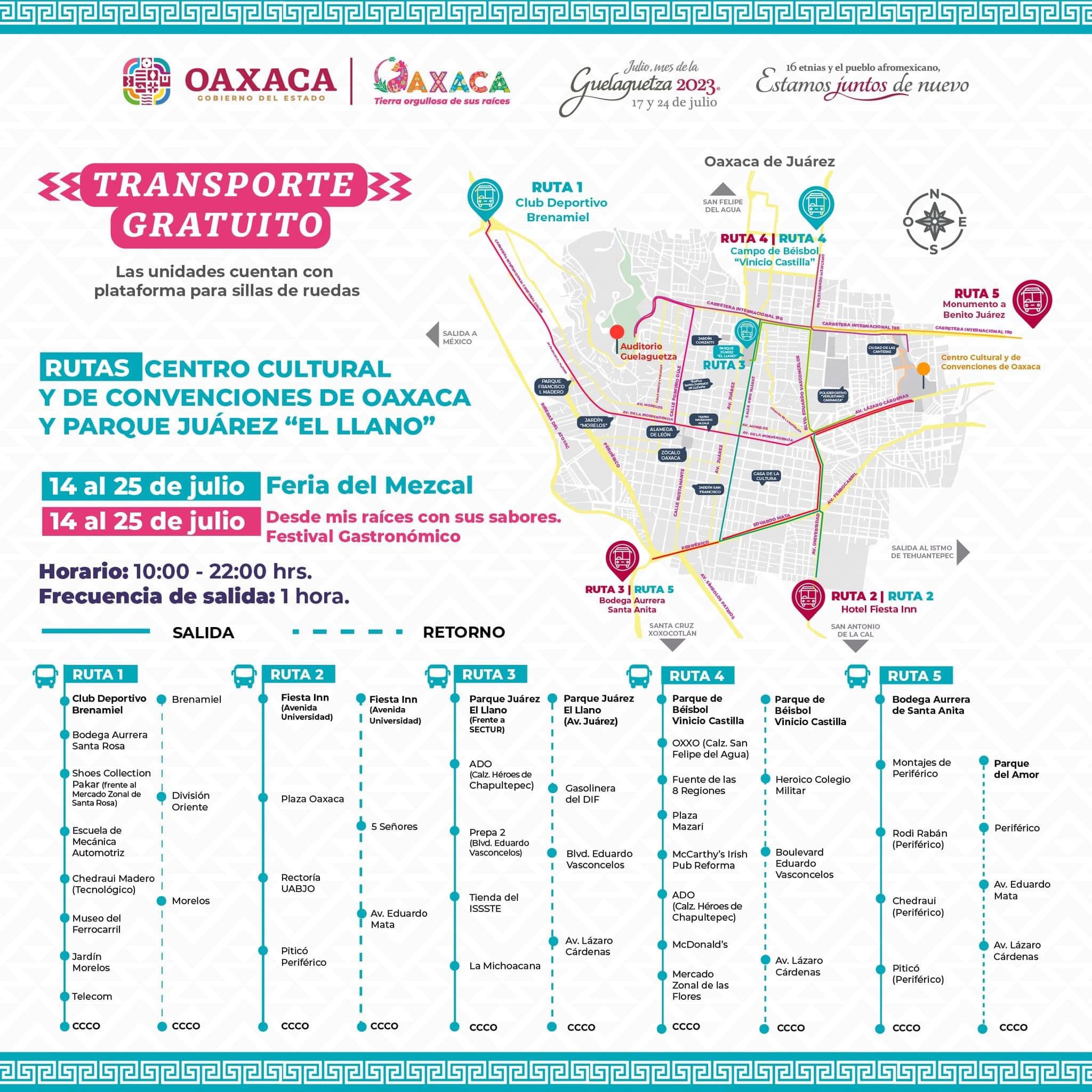
For other daily activities and more information, check out the official Guelaguetza 2023 website and Facebook page. Enjoy!
Posted in Celebrations, Children, Creativity, Culture, Holidays, Travel & Tourism, tagged Día del Padre, Father's Day, fathers and children, Mexico, Oaxaca, parades, photos, popular travel destinations on June 18, 2023| 5 Comments »
To all the fathers and father figures, I wish you ¡Feliz Día del Padre!
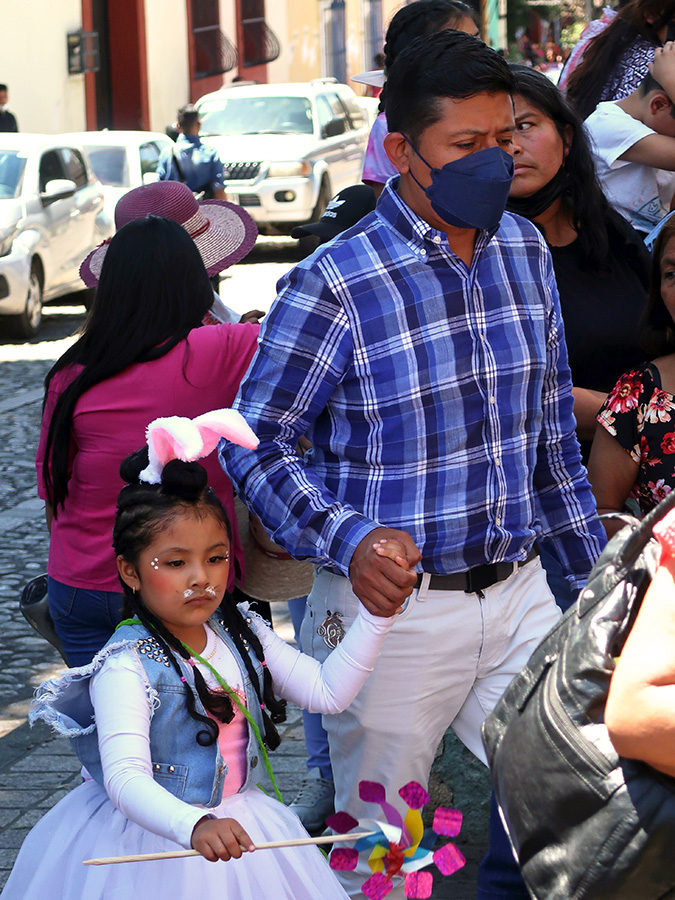

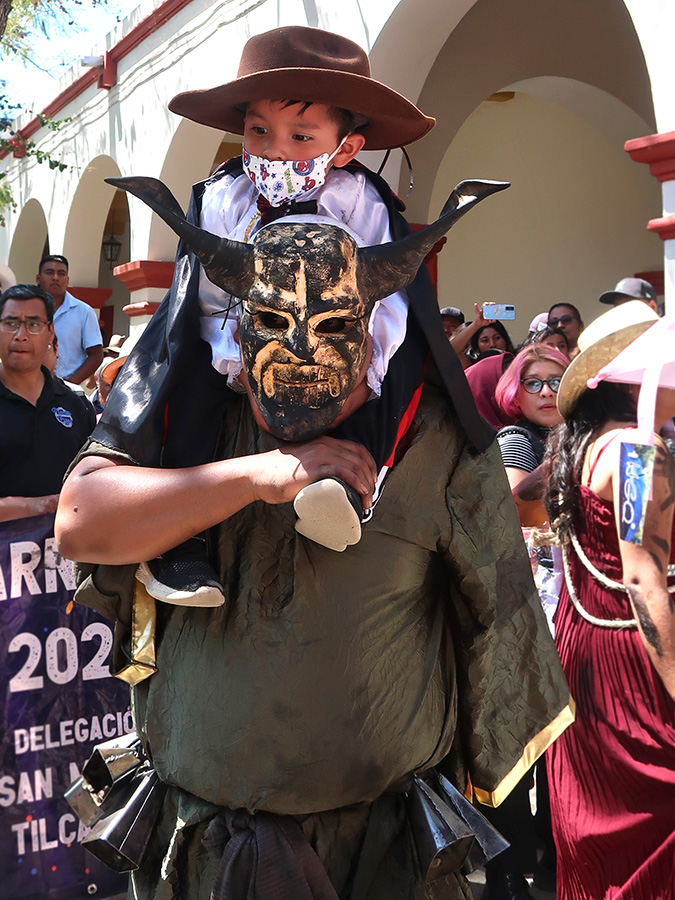
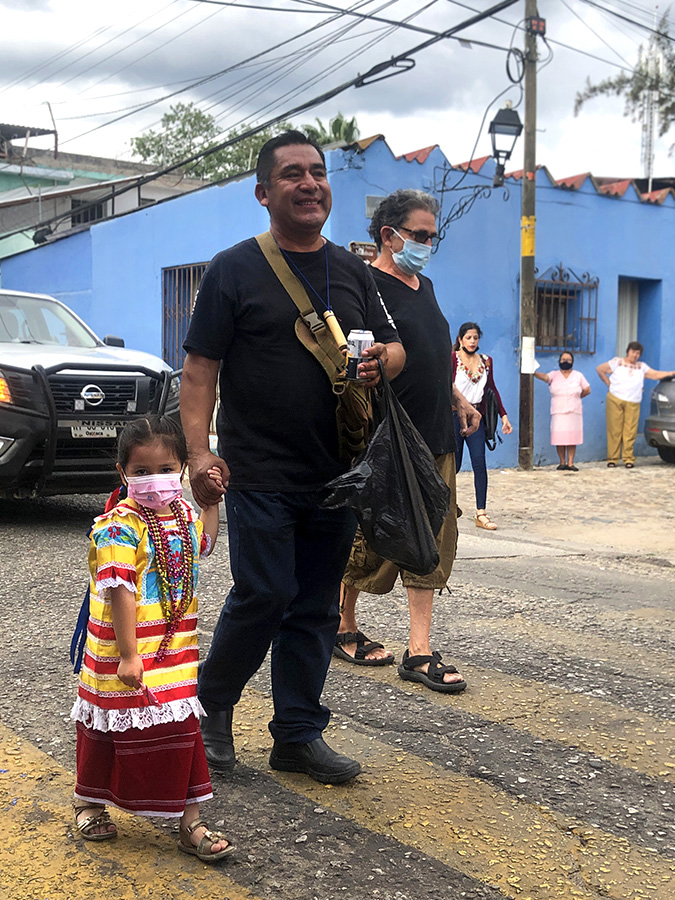
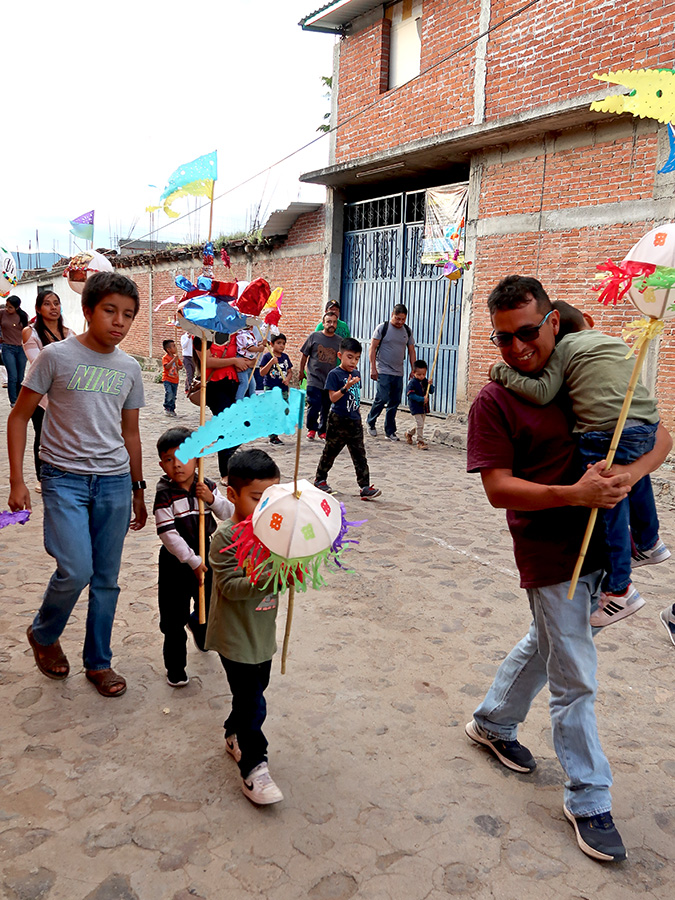


May you find joy in your role and continue to share your wisdom, traditions, and love.
Posted in Celebrations, Creativity, Culture, Holidays, Travel & Tourism, tagged Día de la Madre, Mexico, Mother's Day, murals, Oaxaca, photos, popular travel destinations, street art, urban art, wall art on May 9, 2023| 7 Comments »
May 10 is Día de la Madre in Mexico and to honor the mothers, grandmothers, mother figures, and the daughters, whose future is in their hands, some recent murals seen in the city and countryside.
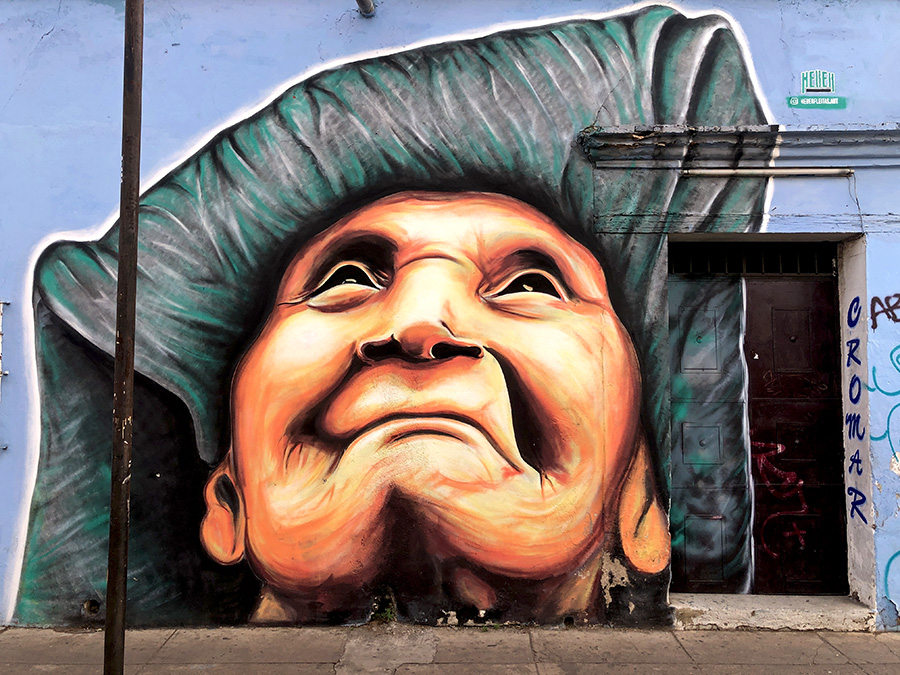

The celebration of Mother’s Day migrated south from the USA in the early 20th century and was embraced and promoted by the Catholic Church AND the anticlerical Revolutionaries. Their reasons being:
around the 1850s the Liberals… were nervous about women’s growing participation in the public sphere. Establishing motherhood as venerable and the home as sanctified… would give women a sphere of their own where they could be boss. Also, it would keep them off the streets and out of the workplace where they had begun to compete with men for jobs. Under their watch, everyday motherhood became an exalted madre-hood…. The twentieth-century Revolutionaries who succeeded them took the idea and ran with it, adding in 1922 a ritual, Mother’s Day. [Madre: Perilous Journeys with a Spanish Noun by Liza Bakewell, p. 84]
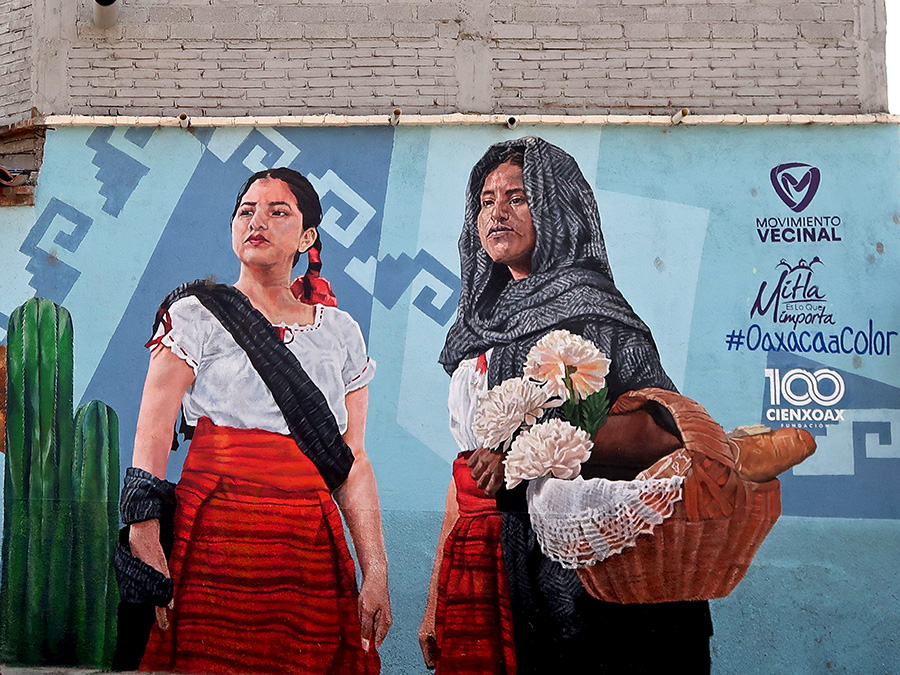
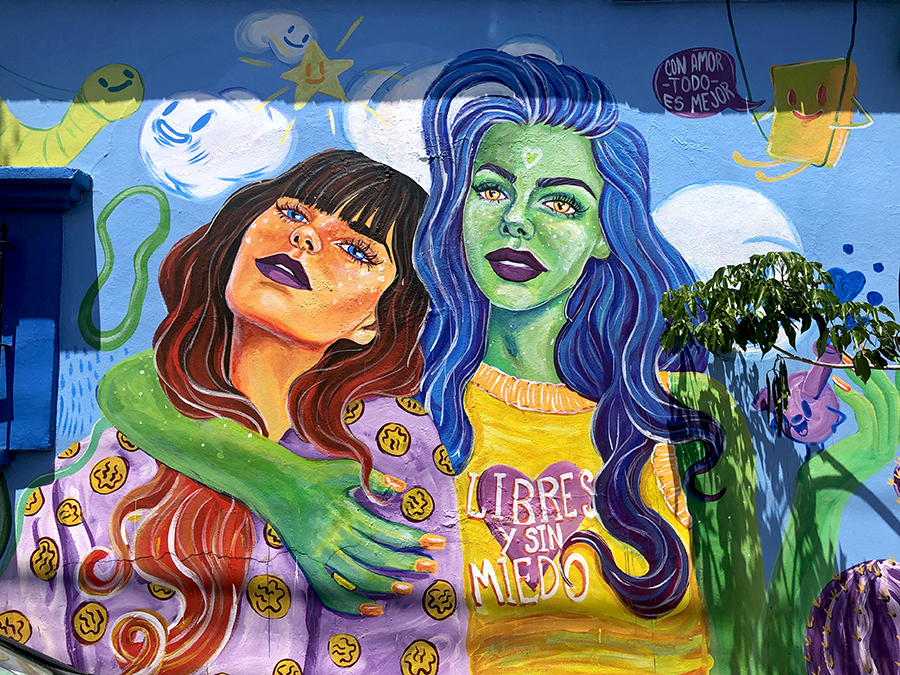
As for keeping them out of the workforce, according to a report citing the 2010 census, 33.3% of women work and this doesn’t even include those working in family operated enterprises. However distasteful the reasons behind the establishment of Mother’s Day in Mexico, it does nothing to diminish the need to honor these beautiful, hardworking, formidable, and loving women.


And to the girls and young women, may you be empowered by the strength and love of the maternal figures in your life to reach for the stars, live without fear, and be whatever you choose to be.
Posted in Celebrations, Children, Culture, Holidays, Travel & Tourism, tagged celebrations, Children's Day, Día del Nino, festivals, Mexico, Oaxaca, photos, popular travel destinations on April 30, 2023| 2 Comments »
The United Nations declared November 20 as World Children’s Day. However, that is Día de la Revolución in Mexico, thus in 1924, President Álvaro Obregó and Minister of Public Education José Vasconcelos designated April 30 as Día del Niño — the day Mexico celebrates and honors her children. Schools organize parties with games and treats, communities organize special activities, and parents may give their hijas and hijos gifts. However, one of the features of life in Oaxaca that I most appreciate is the way children are included all year round in celebrations.


“… the objective of this [Día del Niño] celebration is to dedicate a moment to understanding the child population, promoting their social inclusion and carrying out activities to promote their well-being and the rights to which they have access as human beings.” (Google translation from this article)
Posted in Celebrations, Creativity, Culture, Flora, Religion, Travel & Tourism, tagged altars, Chia Pet advertisement, Chia Pets, Good Friday, Holy Week, Mexico, Oaxaca, photos, popular travel destinations, religious traditions, Salvia hispanica, Semana Santa, Viernes Santo on April 13, 2023| 4 Comments »
As Semana Santa approached, Oaxaca’s annual invasion of the Chia Pets began. On altars in churches, homes, and businesses, terracotta animals sprouting Chia appeared.

Before you lament commercialized products from the USA intruding on the sanctity of Holy Week, I can happily report Salvia Hispanica (aka, chia) filled clay animals were symbols of the season long before Joe Pedott ever set foot in Oaxaca in the late 1970s and “discovered” them.

According to an article in MexConnect, “Growing greens remind the viewer of the resurrection and renewal of life.”
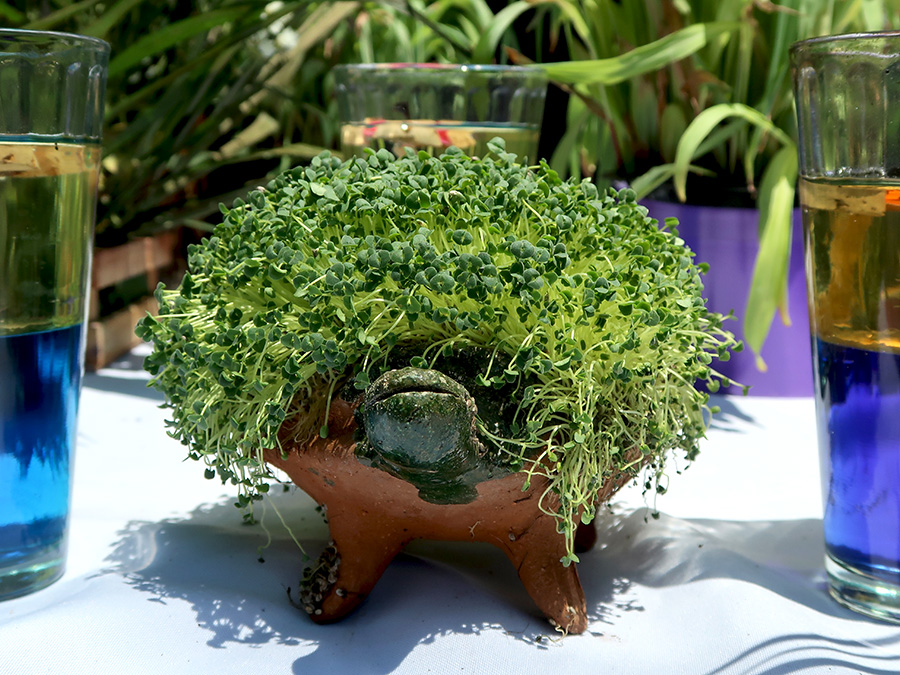
Native to Mexico, Salvia hispanica was the third most important food (after corn and beans) of the Aztecs as chia seeds are high in protein and omega-3 fatty acids. By the way, the name of the Mexican state of Chiapas comes from Chiapan, an ancient city whose name in Náhuatl means, “the place where the chia sage grows.”
(ps) Sorry about the Chia Pet advertisement ear worm!
Posted in Celebrations, Churches, Creativity, Culture, Holidays, Neighborhoods, Travel & Tourism, tagged Alfombristas Mexicanos, cross, Easter decorations, Lent, Mexico, Oaxaca, olive trees, papel picado, photos, popular travel destinations, purple, sotol flower art, street art, tapetes de arena, Templo San Matías Jalatlaco, urban art on April 6, 2023| 11 Comments »
Purple papel picado (actually, plastic) began appearing above streets a month ago. And, in the past few days, the atrium of Templo San Matías Jalatlaco has been decorated with olive trees, sheaves of wheat, and crosses embellished with flowers woven from the base of Sotol leaves.
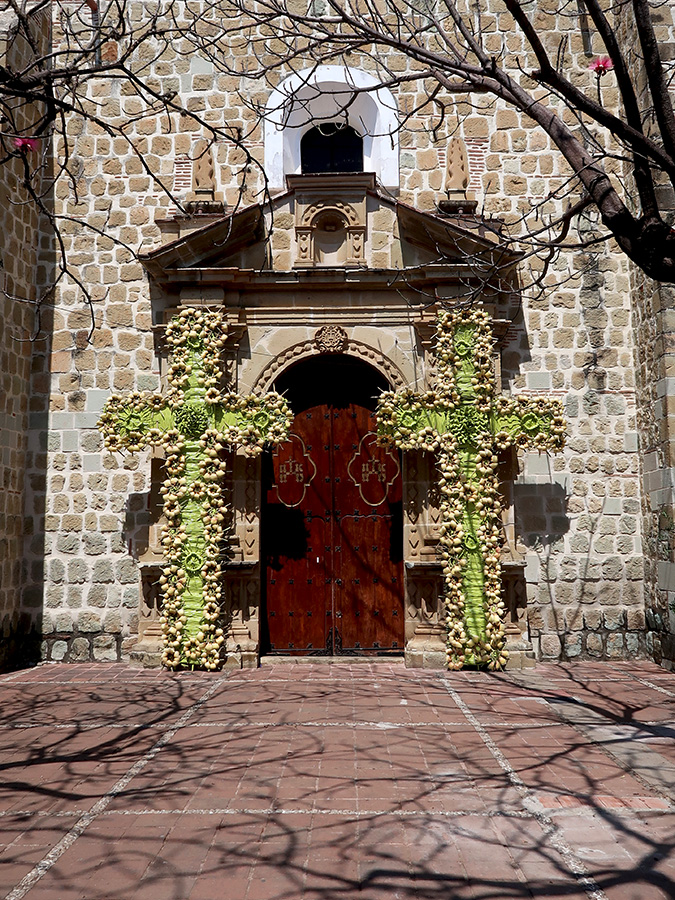
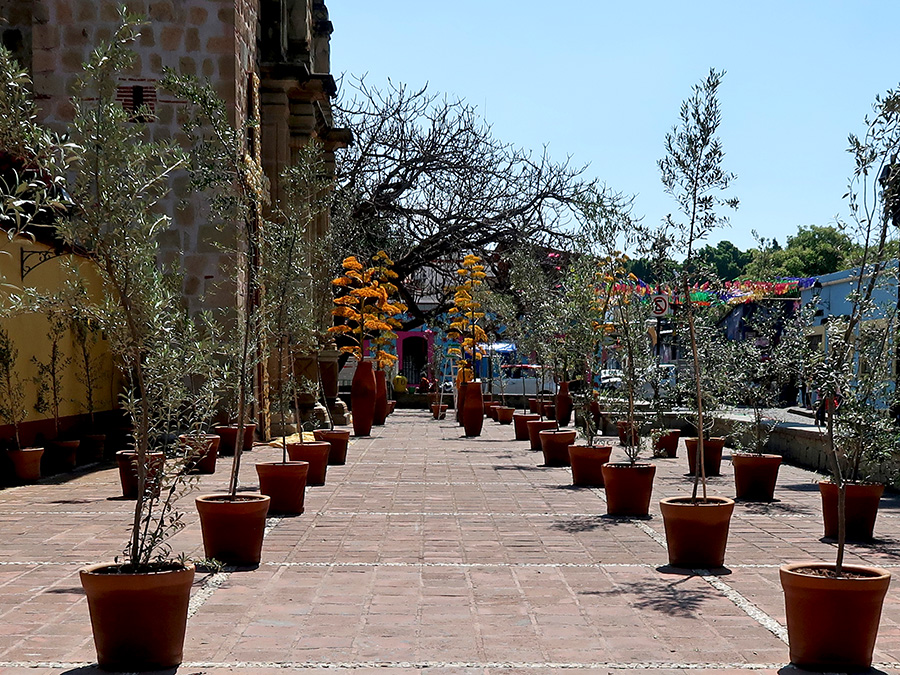

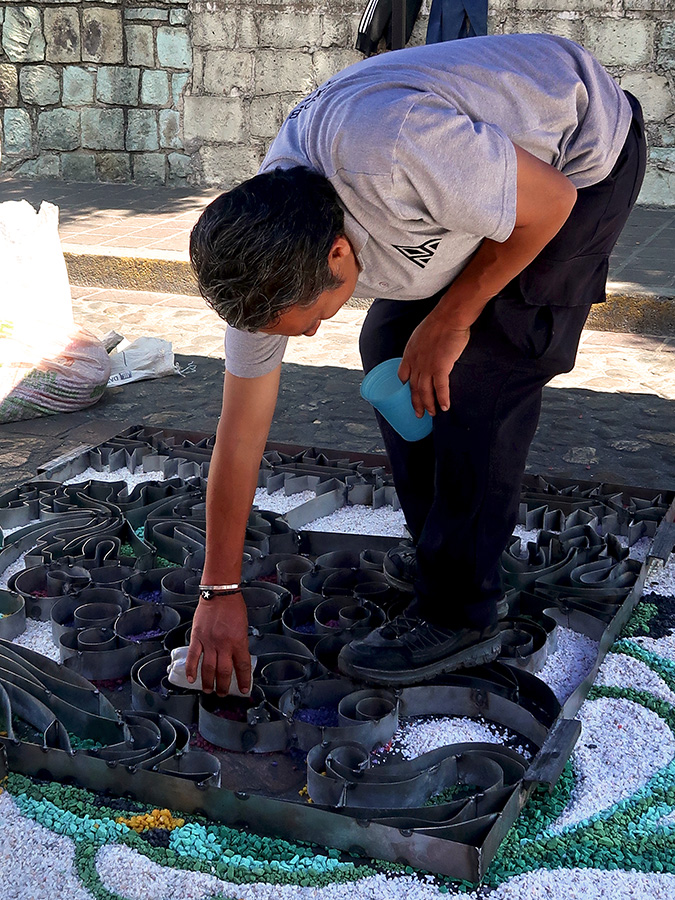
Yesterday, Calle de Miguel Hidalgo in front of the church was closed to traffic and the Alfombristas Mexicanos colective from Huamantla, Tlaxcala began creating a beautiful tapete (rug) made of colored stones along the length the block.

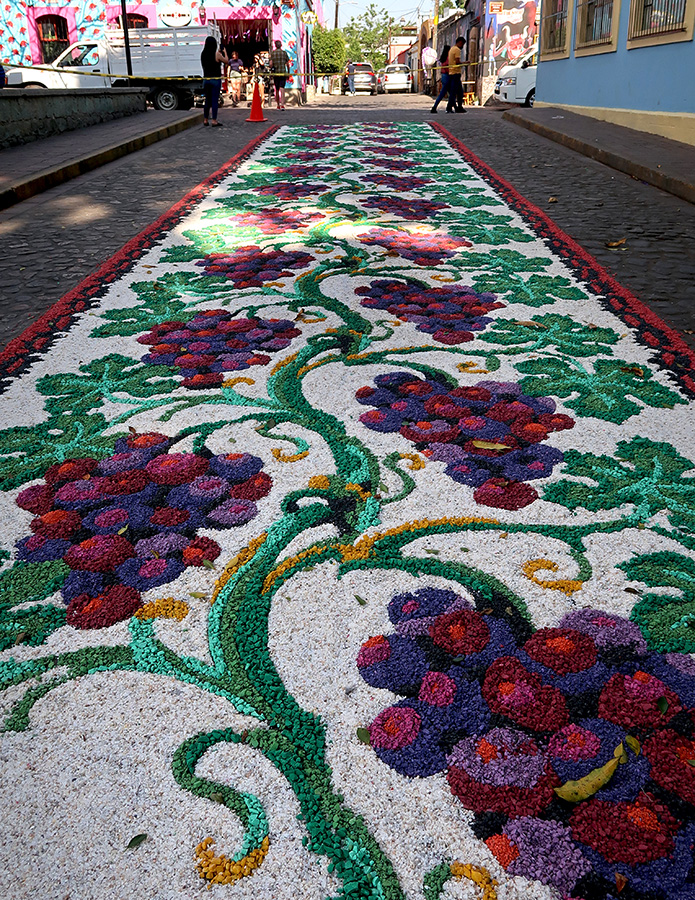
Purple decorations can also be seen festooning the fronts of homes and businesses in the neighborhood.


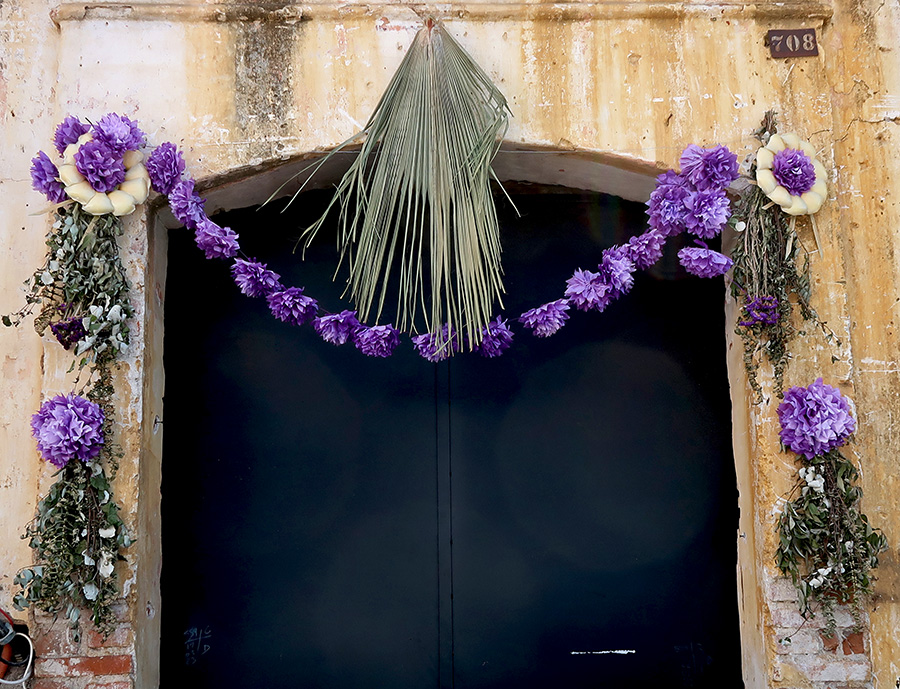
You might ask, why all the purple? According to the Ecclesiastical Sewing website, purple symbolizes “the royalty of Christ, His passion and death for our sins, and the coming of spring.” For more of an explanation, click on the link to their website.
Posted in Celebrations, Churches, Creativity, Culture, Holidays, Travel & Tourism, tagged Domingo de Ramos, Lent, Mexico, Mixteca palm weavers, Oaxaca, palm fronds, Palm Sunday, photos, popular travel destinations, woven palm fronds on April 1, 2023| 3 Comments »
Despite the construction on the Alameda across from the Cathedral, the palm weavers from the Mixteca region of Oaxaca are back to sell intricately woven palm fronds to be blessed and carried on Palm Sunday.
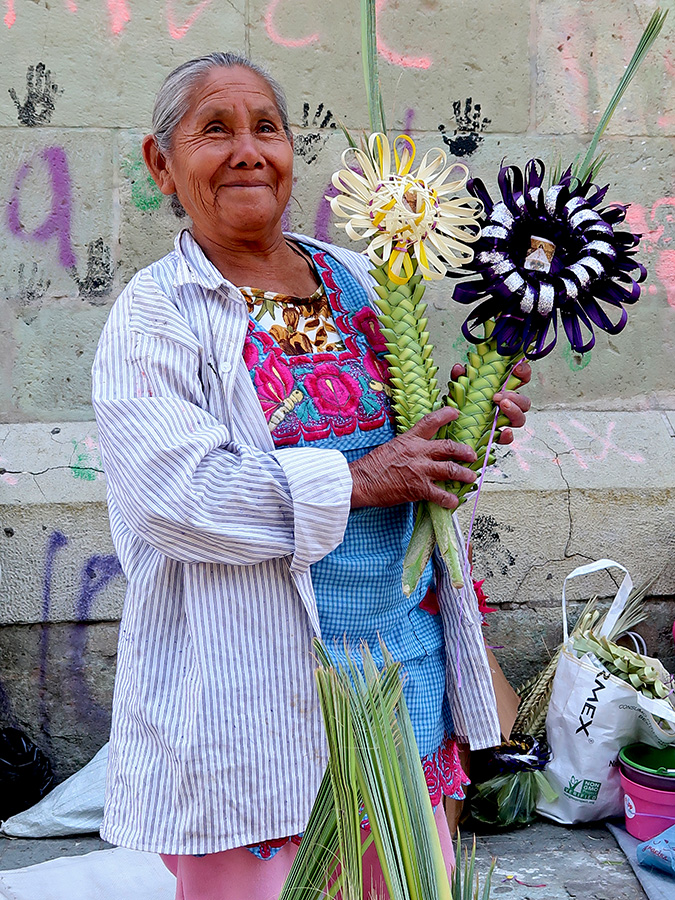


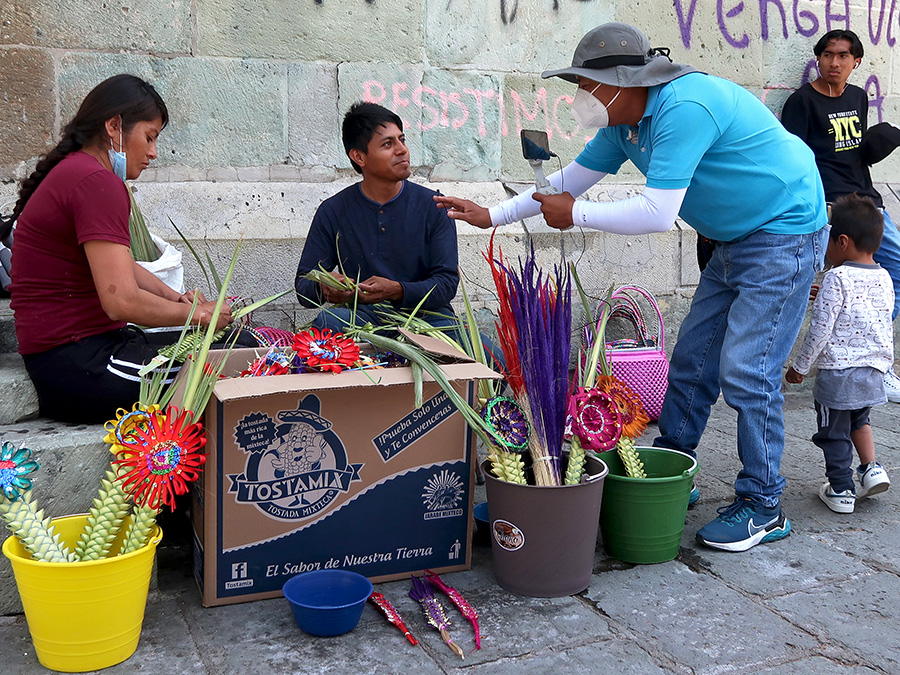
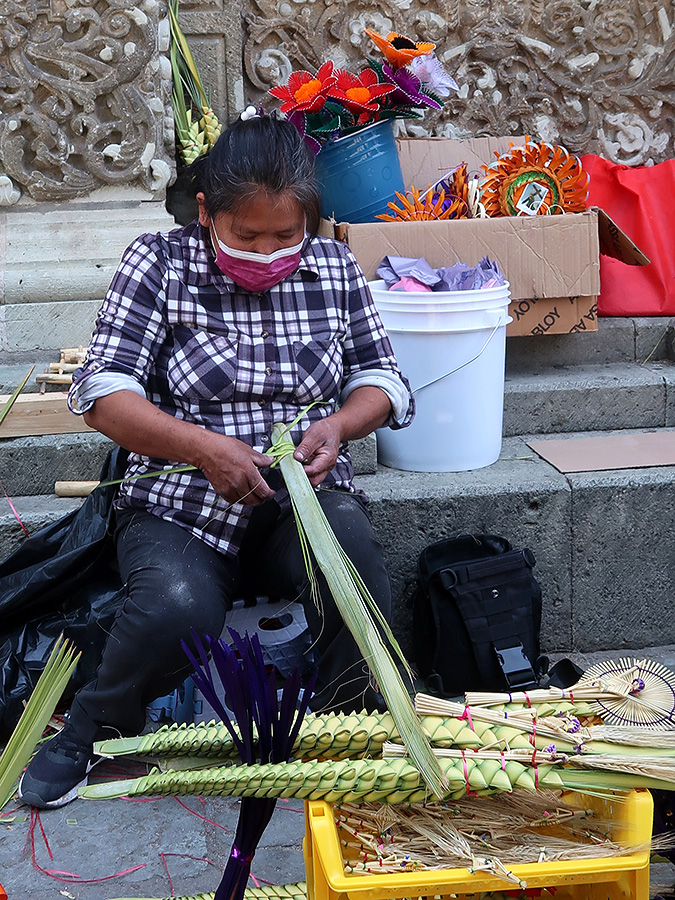
And, like most artisan traditions, it’s a family affair.
Posted in Celebrations, Creativity, Culture, Holidays, Religion, Travel & Tourism, tagged Barrio de Jalatlaco, Cuaresma, Day of the Good Samaritan, Día de la Samaritana, Lent, Mexico, Oaxaca, photos, popular travel destinations on March 19, 2023| 8 Comments »
The day before yesterday, there was water, water everywhere and lots of drops to drink! It was the fourth Friday of Lent, Día de la Samaritana, an “only in Oaxaca” celebration.
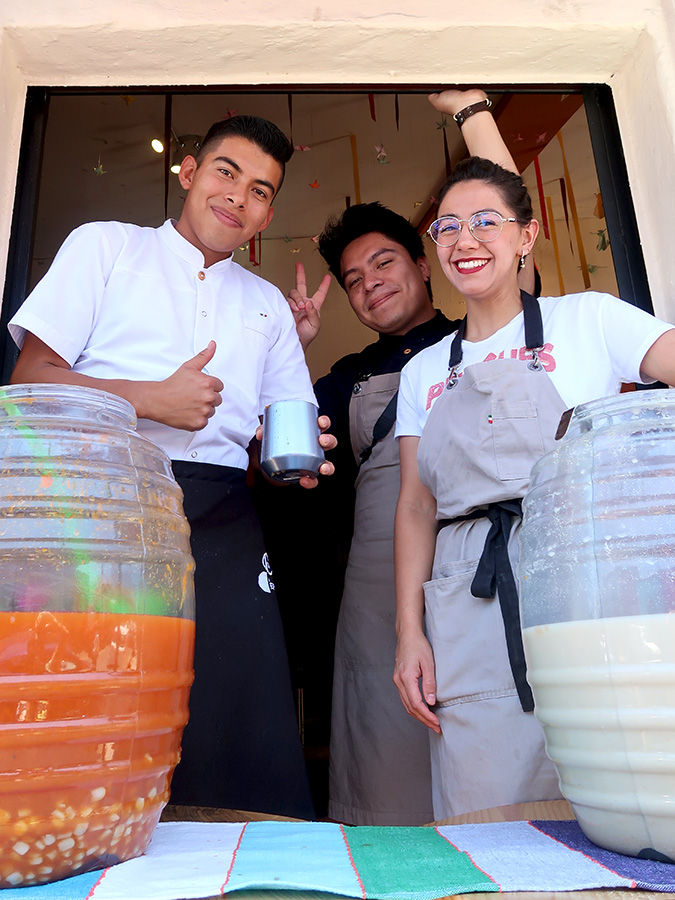
The Day of the Good Samaritan was inspired by the Gospel of John story in the New Testament when a tired and thirsty Jesus, on his way to Galilee, asks a Samaritan woman at Jacob’s Well in Sychar for some water. The request was highly unusual because, according to the Old Testament, “Jews regarded the Samaritans as foreigners and their attitude was often hostile.” The woman complied with his request and the rest is history.
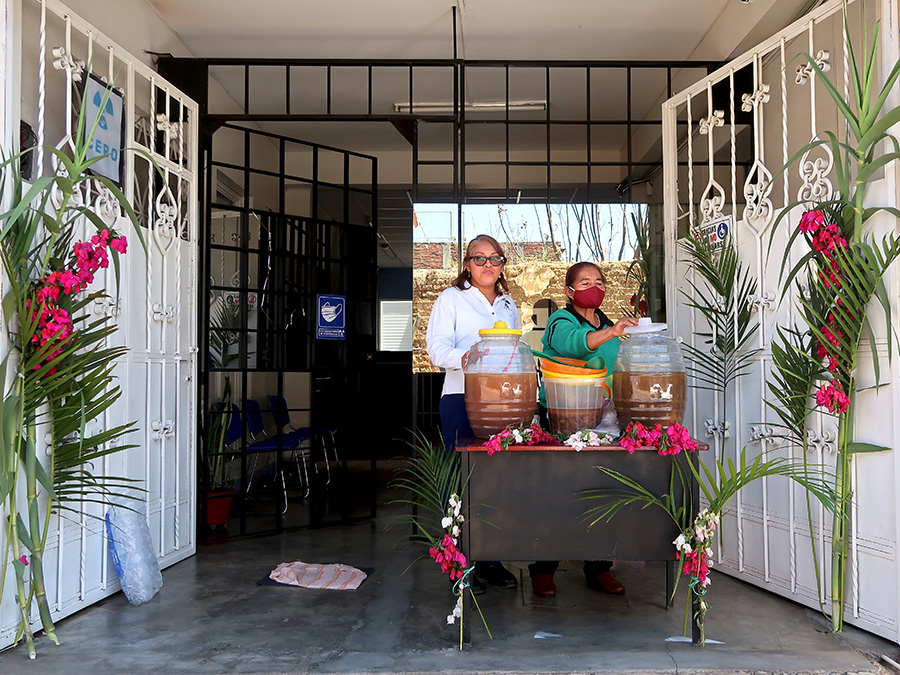
Celebrating the Good Samaritan in Oaxaca began in the atria of churches at the end of the 19th century and is a popular and much-loved tradition. People of all ages, from small children to grandparents, line up at bougainvillea and palm decorated booths in front of churches, restaurants, businesses, and schools for the traditional Día de la Samaritana free flavored waters.

By noon, masses of people had gathered in the atrium of the local church, Templo de San Matías Jalatlaco, where two long rows of tables, under the shade of the tented atrium, were lined with massive bowls filled with colorful aguas on offer. However, I preferred to avoid the crowds and wander through the streets of my Jalatlaco neighborhood.
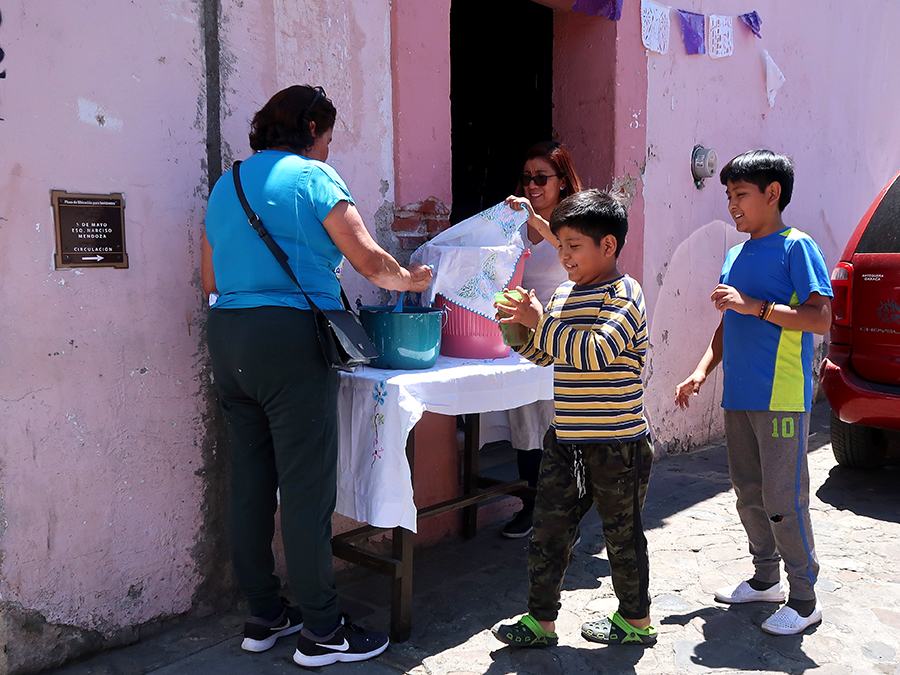
By the way, we are not talking plain water, these are divinely flavored aguas frescas made with fresh fruits, herbs, flowers, and more — jamaica (hibiscus), horchata, chilacayote (squash), tamarindo, sandia (watermelon), and tejate.
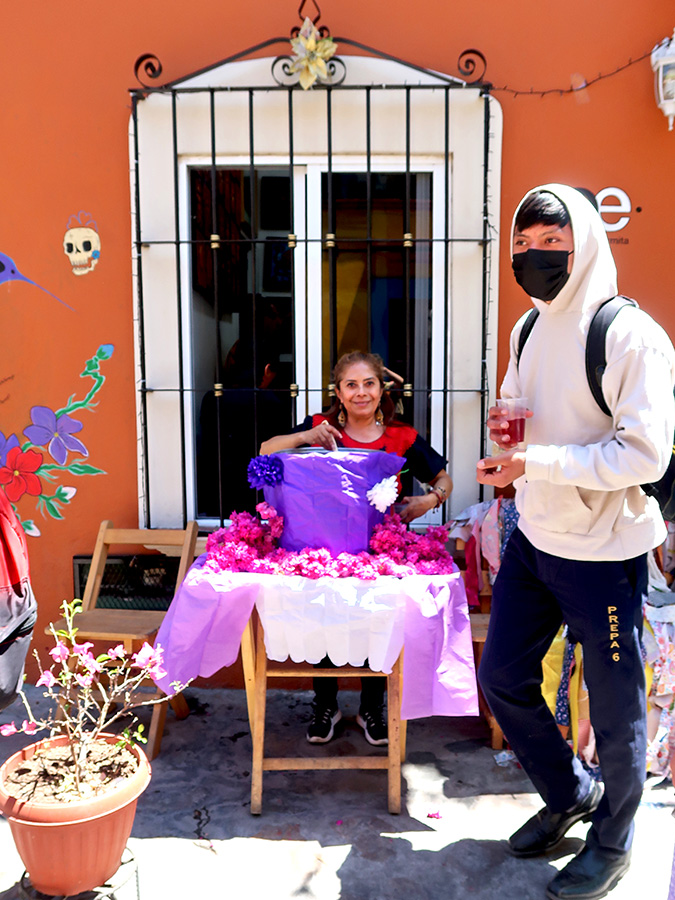
In the name of the environment, an appeal was made for people to bring their own cups. And, I think a majority complied!

After almost two hours, three aguas, and being surrounded by smiling people enjoying this celebration of generosity, I returned home with my heart full of gratitude for this Oaxacan tradition. I love this day and the message it imparts and the way it brings neighbors together.
Posted in Celebrations, Creativity, Culture, Religion, Travel & Tourism, tagged Cuaresma, Lent, Mexico, Oaxaca, only in Oaxaca, Paseo de los Viernes de Cuaresma, Paseos Florales del Llano, photos, popular travel destinations, students, teenagers, Viernes del Llano on March 14, 2023| Leave a Comment »
Should you find yourself in Llano Park early on a Friday morning during Lent, your senses will be assaulted with the cacophony of multiple bands (playing different tunes at the same time!), twirling marmotas, dancing monos, cheering students, young men loaded down with flowers, and young women dressed to the nines circling the statue of Benito Juárez.
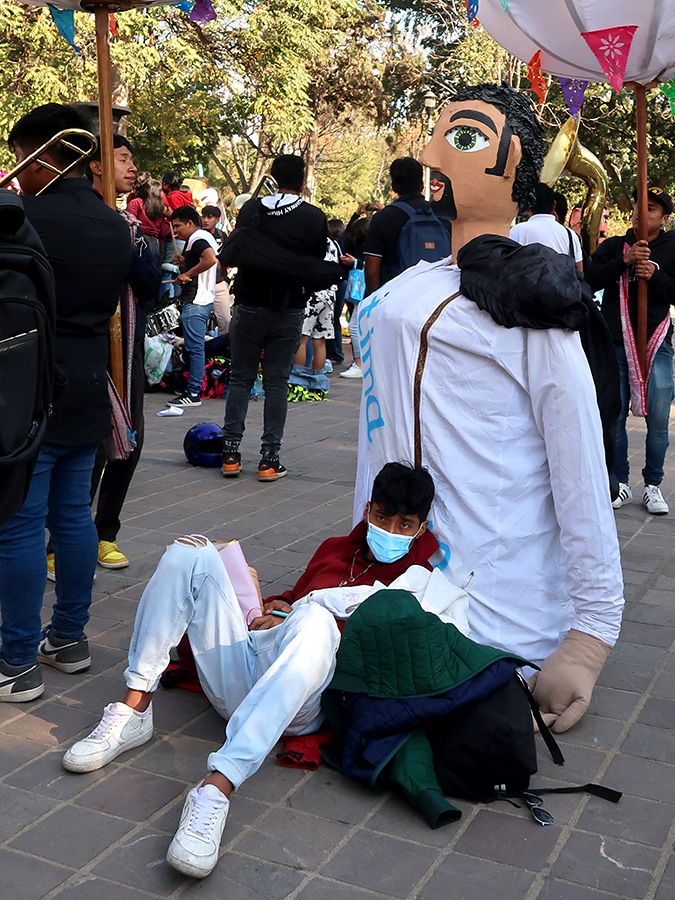

Viernes del Llano (aka, Paseos Florales del Llano) is a fifty year old “only in Oaxaca” tradition held during the first five Fridays of Lent. Apparently, dating back to the 19th century, Oaxaca had a tradition, promoted by the church, of paying homage to women for the important role they play in the support of the family. The ritual died out, but was resurrected in the seventies by the Universidad Autónoma Benito Juárez de Oaxaca (UABJO) to recover “religious and family values.”

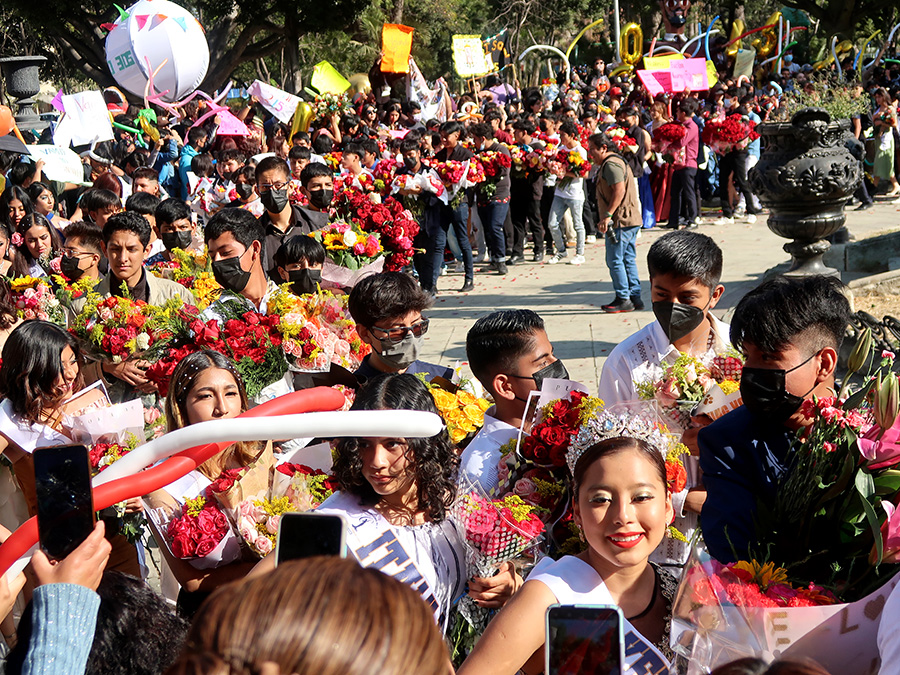
The tradition was put on hold during the pandemic, but is back in full force. I was in Teotitlán del Valle for this year’s first paseo but, along with my neighbor, attended the second one on March 3rd featuring Preparatoria 6. It must be a very large school as there were 85 participants.

The winners (photos below) were announced in five different categories — that in English translated (approximately) to: Miss Photogenic, Miss Social Media, Godmother of Flowers, Best Cheerleader, and Godmother of Friday.




While it is very colorful, joyous, fun to observe, and is a lucrative day for flower vendors, this article (in Spanish) raises some obvious questions, including: Is this tradition or sexism? And, is this something educational institutions should be promoting?
Posted in Celebrations, Creativity, Culture, Holidays, Travel & Tourism, tagged bodypaint, Carnaval, Carnival, Día Internacional de la Mujer, International Women's Day, Mexico, Oaxaca, photos, popular travel destinations, San Martín Tilcajete, women, women's faces on March 8, 2023| 14 Comments »
March 8 is International Women’s Day and in commemoration, photos of the women devils at San Martín Tilcajete’s Carnaval celebration. By the way, women devils are a recent and welcome innovation.


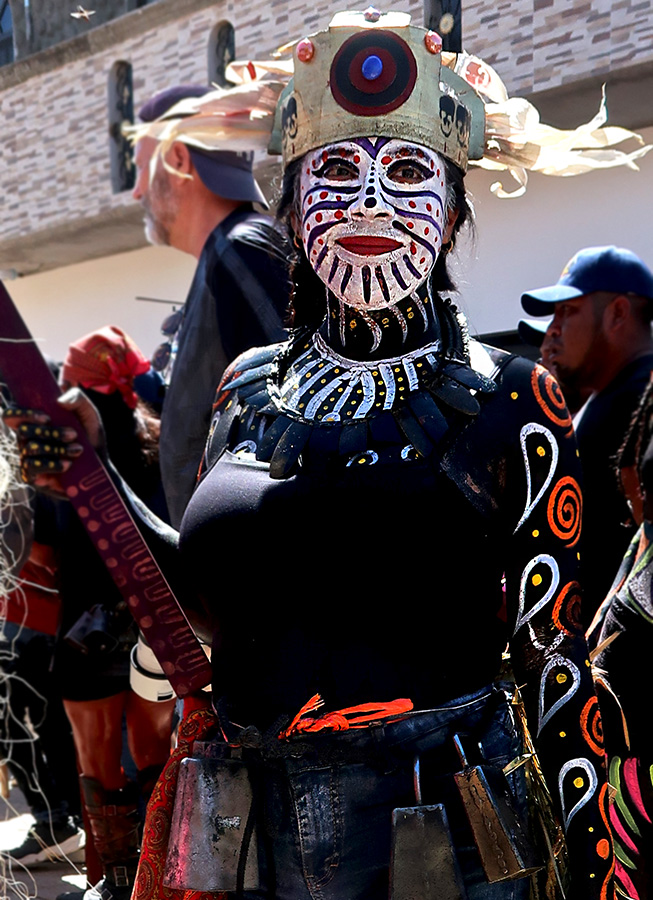
“The aim of the IWD 2023 #EmbraceEquity campaign theme is to get the world talking about Why equal opportunities aren’t enough. People start from different places, so true inclusion and belonging require equitable action.” (https://www.internationalwomensday.com/theme)
This afternoon, women and their supporters will take to the streets of Oaxaca not in celebration but to remember, commemorate, and raise awareness and respect for women raising their voices for equality and equity.
Posted in Celebrations, Creativity, Culture, Travel & Tourism, tagged bodypaint, Carnaval, Carnival, cowbells, devils, face painting, Mexico, Oaxaca, photos, popular travel destinations, San Martín Tilcajete, Shrove Tuesday on March 1, 2023| 6 Comments »
After a three year absence (two due to the pandemic and last year due to a blockade), blogger buddy Chris and I finally returned to San Martín Tilcajete to experience the mayhem and magic of their Carnaval (aka: Shrove Tuesday, Carnival, Fat Tuesday, Mardi Gras) celebration. We arrived in the late morning and, thanks to an invitation from our friend Gabriel Sosa of Matlacihua Arte, we were just in time to visit several devils preparing to take to the streets.
There is face paint involved.

And, there is body paint — a mixture of vegetable oil (with the possible addition of motor oil) and the same powdered paint used on the intricately decorated masks and alebrije the village is famous for.
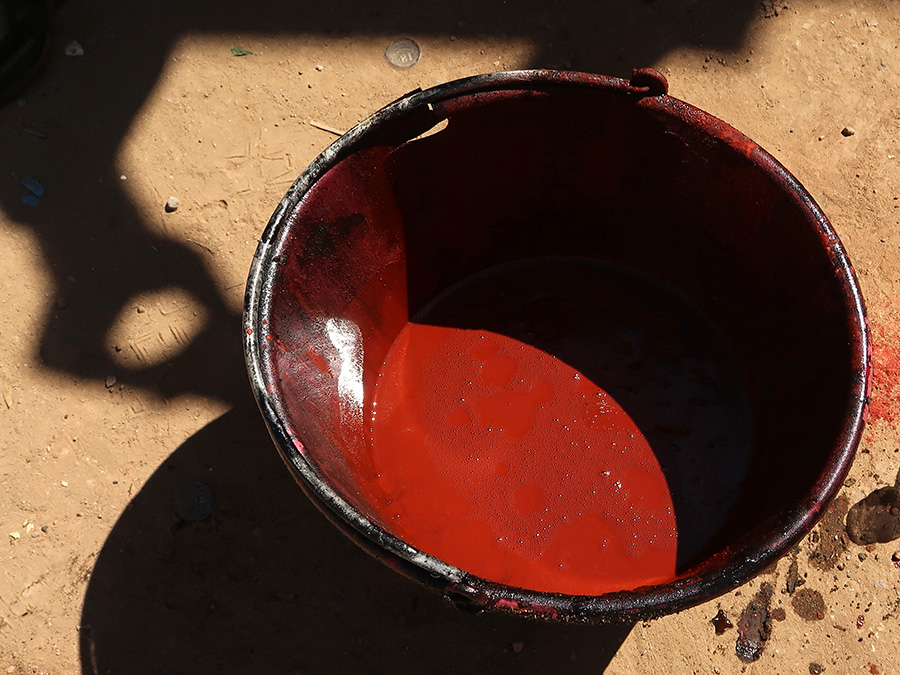
Preparation is definitely a cooperative activity.

There are also cowbells worn to issue a clamorous invitation to residents and visitors to join the festivities.

Once the finishing touches are completed — cowbells tied around each devil’s waist and paint touch-ups — they leave the family compound.

Once out on the dusty streets (it is the dry season) of San Martín Tilcajete, they join with other devils issuing their clanging invitation throughout the village and, occasionally “tagging” a suspecting or unsuspecting bystander with a little of their oil based paint.

A word to the wise, if you go, don’t wear your favorite clothes and especially, don’t wear white!
Posted in Celebrations, Creativity, Culture, Travel & Tourism, tagged calendas, Carnaval, Carnival, Fat Tuesday, Mardi Gras, mascaras, masks, Mexico, Oaxaca, parades, photos, popular travel destinations, Shrove Tuesday, video on February 19, 2023| 10 Comments »
Día de Carnaval (aka, Shrove Tuesday, Fat Tuesday, Mardi Gras, Carnival, day before the beginning of Lent) is coming in two days and, in order to promote the varying celebrations in the state of Oaxaca, the Secretaría de Fomento Turístico (Secretariat of the Promotion of Tourism) invited delegations from various villages in the state to showcase their unique traditions in a grand parade down the city’s walking street, Macedonio Alcalá. The costumes and body paint were outstanding, but it was the masks and faces that spoke to me.
My photos were from the gathering point at the Cruz de Piedra. The route proceeded down Macedonio Alcalá, turned right onto Morelos, and ended at the Plaza de la Danza. According to the poster promoting this wild, wacky, and surreal parade, participating delegations were from Chalcatongo de Hidalgo, Villa de Zaachila, San Blas Atempa, San Pedro Amuzgos, Santa Catarina Minas, Magdalena Teitipac, Santiago Juxtlahuaca, San Bartolo Coyotepec, San Juan Cacahuatepec, Santa Maria Zacatepec, San Pedro Totomachapam, San Andrés Huaxpaltepec, San Sebastián Tecomaxtlahuaca, Oaxaca de Juárez, and Santa María Coyotepec. I’m not sure if I saw them all, but I do know San Martín Tilcajete was also there — and that’s where I will be celebrating Día de Carnaval on Tuesday.
For more from Saturday’s parade, check out video footage shot by Chris over at Oaxaca-The Year After.
Posted in Celebrations, Creativity, Culture, Holidays, Travel & Tourism, tagged balloons, Día del Amor y la Amistad, gift bags, hearts, Mexico, Oaxaca, photos, popular travel destinations, Valentine decorations, Valentine's Day on February 14, 2023| 1 Comment »
This morning I woke to the sound of music — a live trio singing traditional Mexican boleros drifted through an open window. Though it was 6:15 AM, I couldn’t help smiling at being awakened to romantic songs like these sung by Trio Los Panchos.
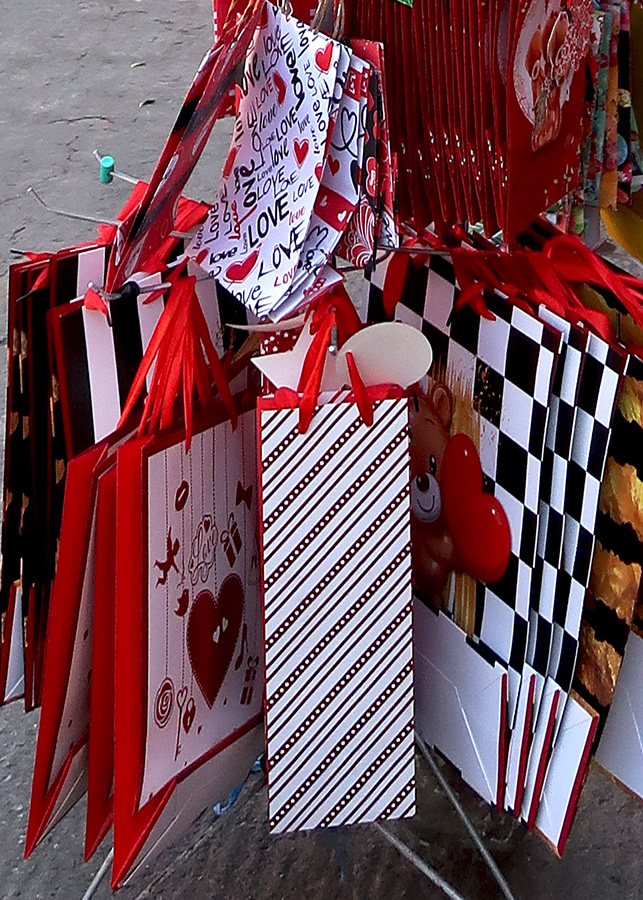
On this Valentine’s Day, known in Mexico as Día del Amor y la Amistad (Day of Love and Friendship), some much loved person was being serenaded.

Once the calendar turned to February, hearts, flowers, balloons, candy, and stuffed animals have been featured in windows and sidewalk vendor displays.

¡Feliz Día del Amor y la Amistad! And, because International Mother Language Day is coming up on February 21, learn to say “I love you” to lovers and friends in 7 of the 69 indigenous languages spoken in Mexico — including Zapoteco, Mixteco, and a couple of other languages spoken in Oaxaca.


 Mexican Peso Converter
 View From Casita Colibrí