Feeds:
Posts
Comments

Archive for the ‘Science & Nature’ Category

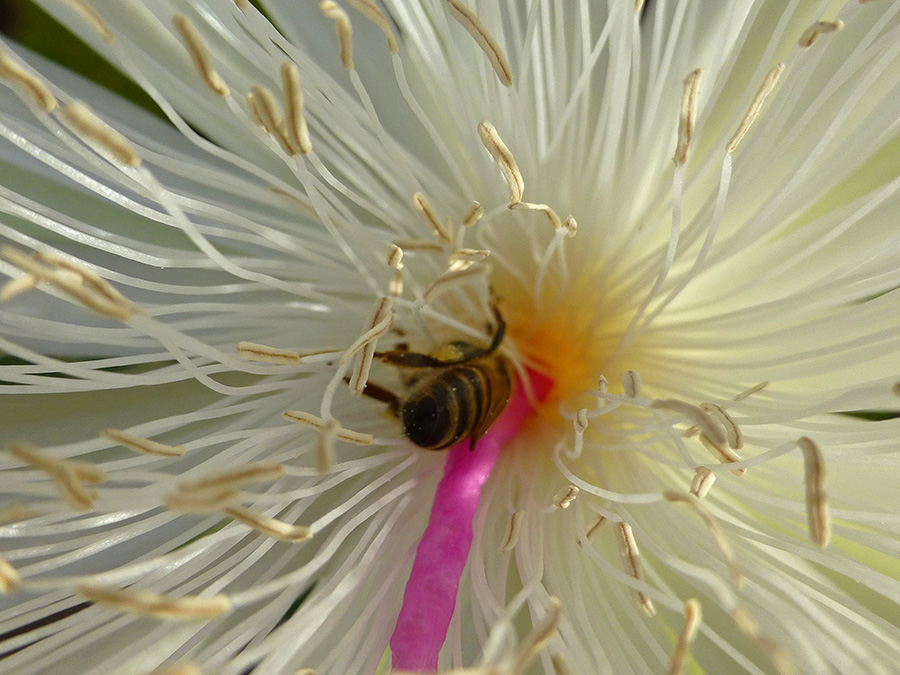
This morning I was greeted by several flowers on my night blooming cereus, with one acting as a rich playground and dining room for a guest in the garden — a very welcome honey bee.

P1200427_crop

I have no idea how long she had wiggled and wallowed before I saw her.  I stood mesmerized for a minute or two before running into my apartment to get a camera.

P1200439_crop

I continued to be intrigued by her industry and pleasure for another five (plus) minutes before returning inside — letting her continue in privacy, while I turned to my morning cup of coffee and bowl of cereal.

P1200430_crop

She may have been nourishing her body, but she was also nourishing my soul.

My entry in Cee’s photo challenge.

Save

Save

Read Full Post »

Five or six months ago, I took multiple cuttings from my Stapelia gigantia and planted them in six planter boxes on top of my terrace wall.  I used them to fill in around agave that I’d planted in the middle of each box.

P1190863

Once the rains came, they began spreading their prehistoric-looking tentacles…

P1190995

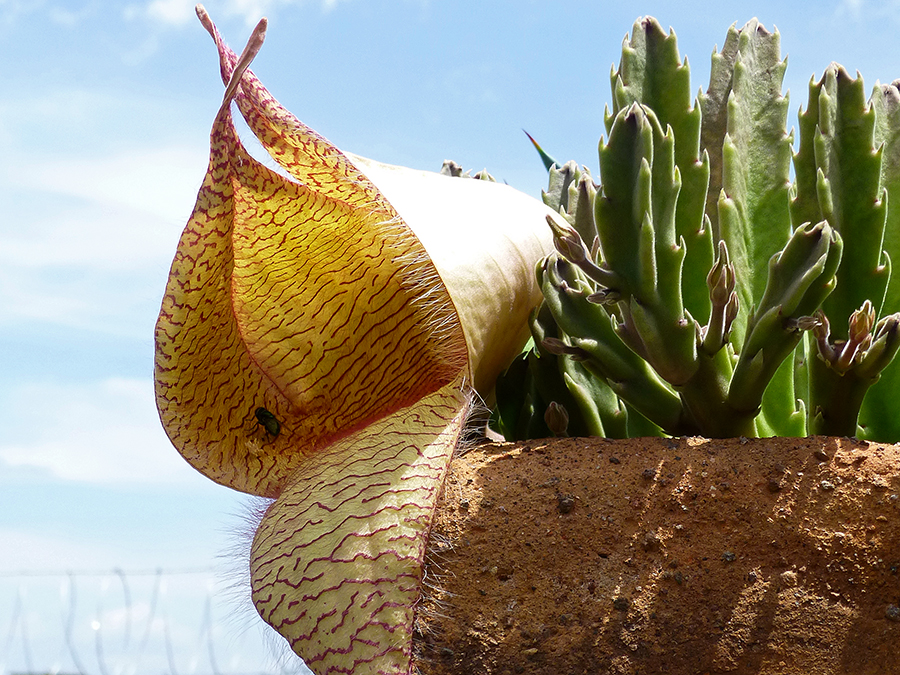
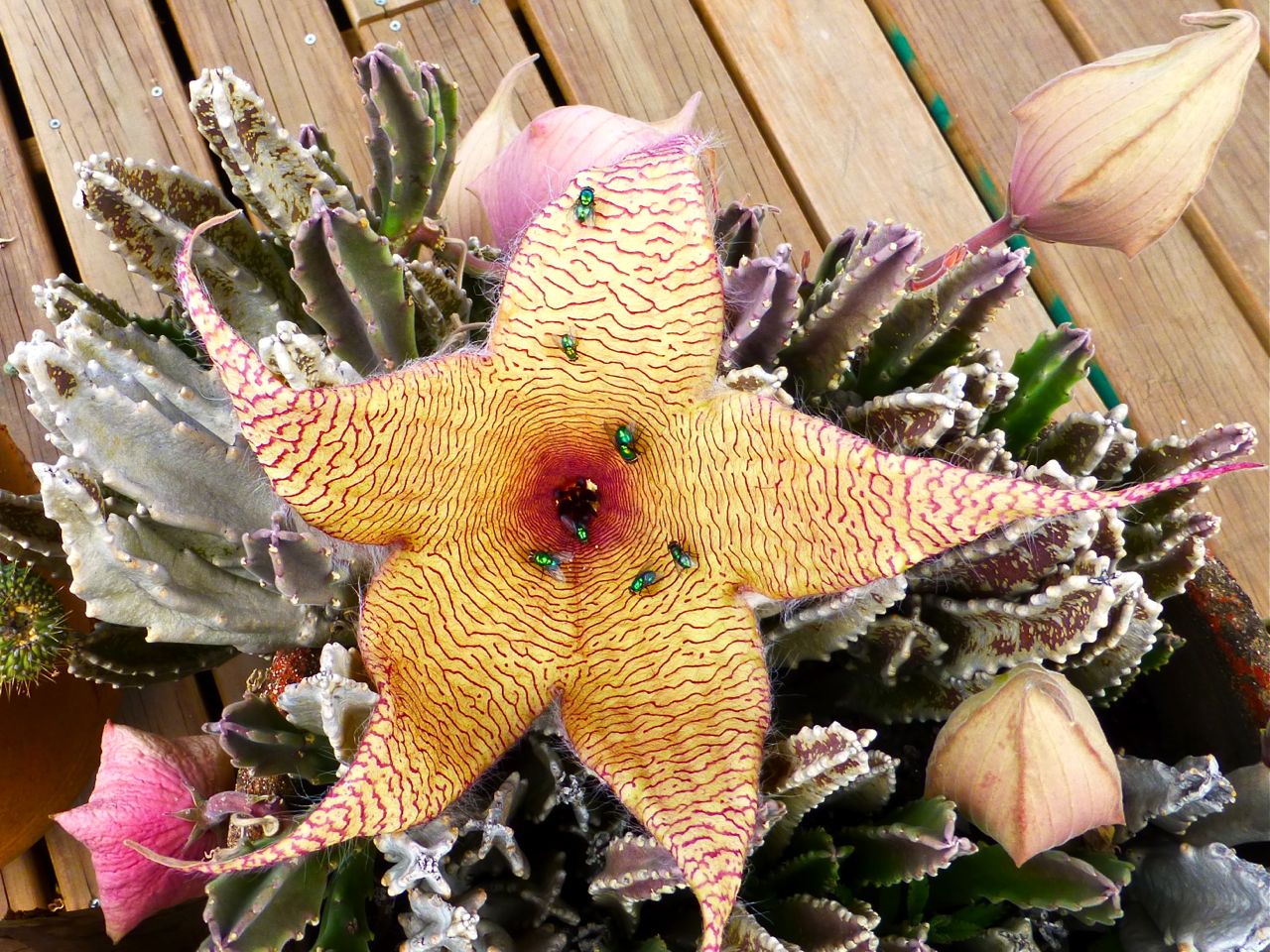
And, the flowers have exploded in their carrion-smelling bloom, attracting green bottle flies, as designed.

P1190988

I think my stinky stapelia like their new homes!

Read Full Post »

Hot town, summer in the city
Back of my neck getting dirty and gritty
Been down, isn’t it a pity
Doesn’t seem to be a shadow in the city
All around, people looking half dead
Walking on the sidewalk, hotter than a match head…

Weather

Two and a half months of 10º F above average temperatures.  This is getting ridiculous!!!


Read Full Post »

Have I mentioned most of the potting soil here leaves much to be desired?  As a result, over the past 6+ years, I’ve been experimenting with ways to enhance the soil I’ve been dealt to help my rooftop garden grow.  Besides, freezing (to speed up the fiber break down) and then adding green kitchen scraps, augmenting the soil with sawdust and sand, I’ve added worm farming to my arsenal.

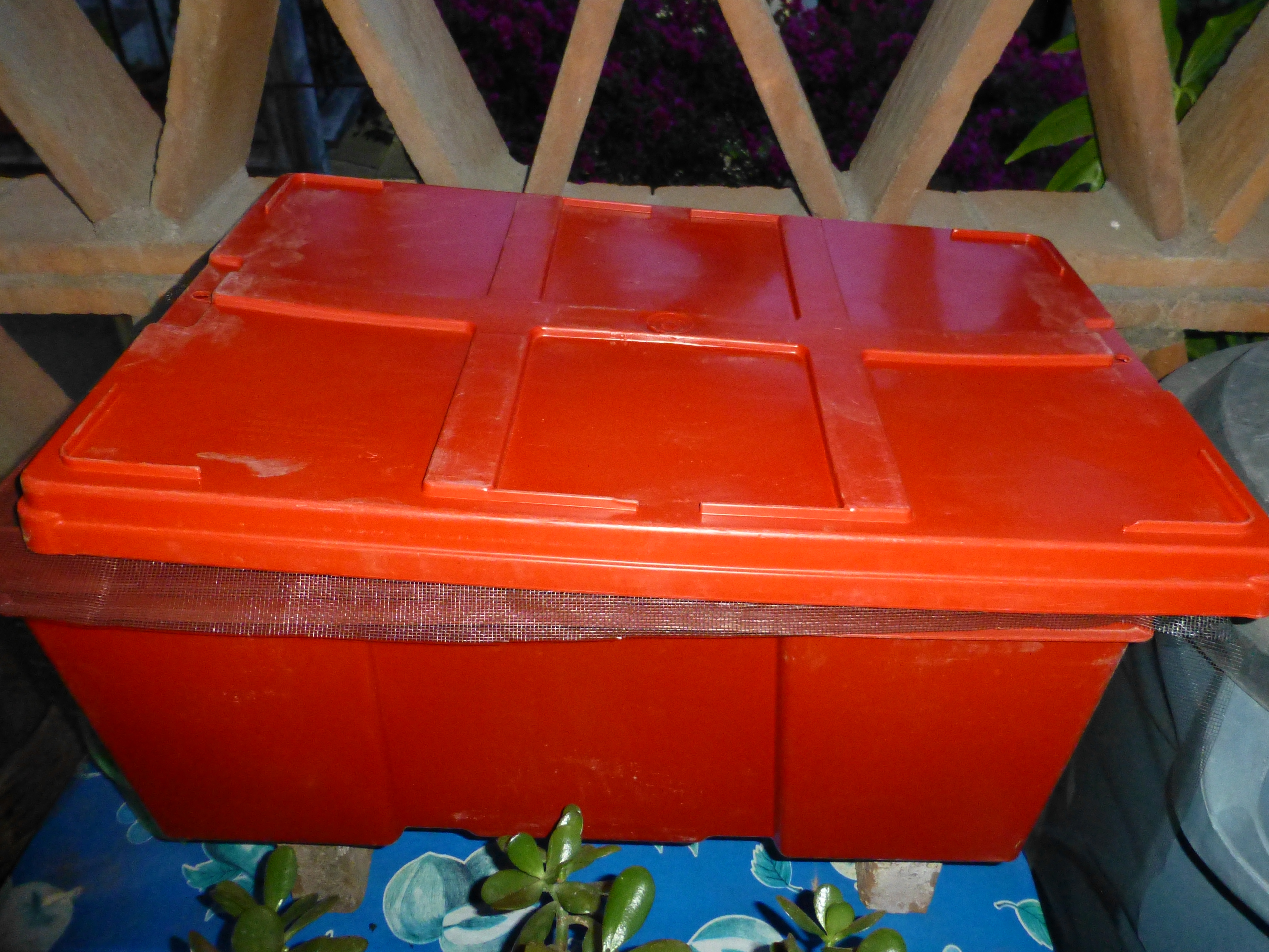
Back in early August, blogger buddy and gardening guru Chris and I, armed with our new red bins, headed out to Sikanda (just outside Santa María del Tule) to purchase and be schooled in earthworm (lombriz, en español) farming.  P1130268
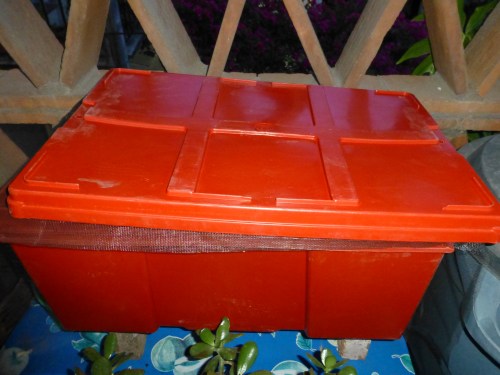
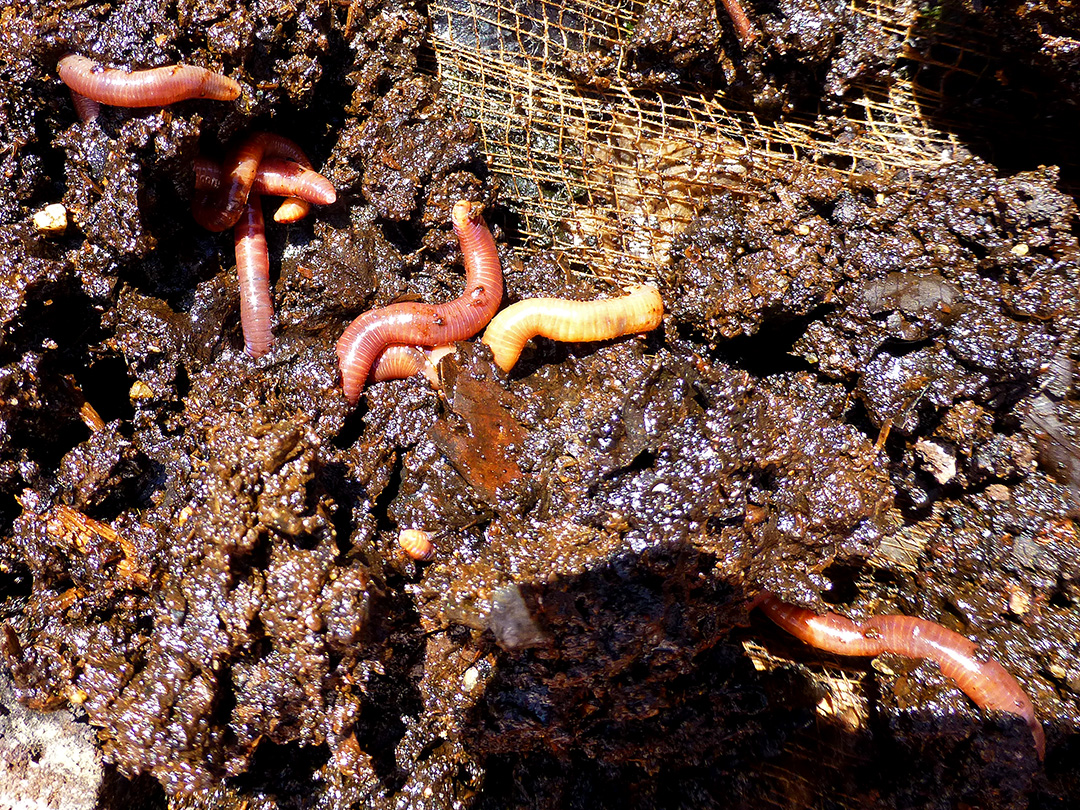
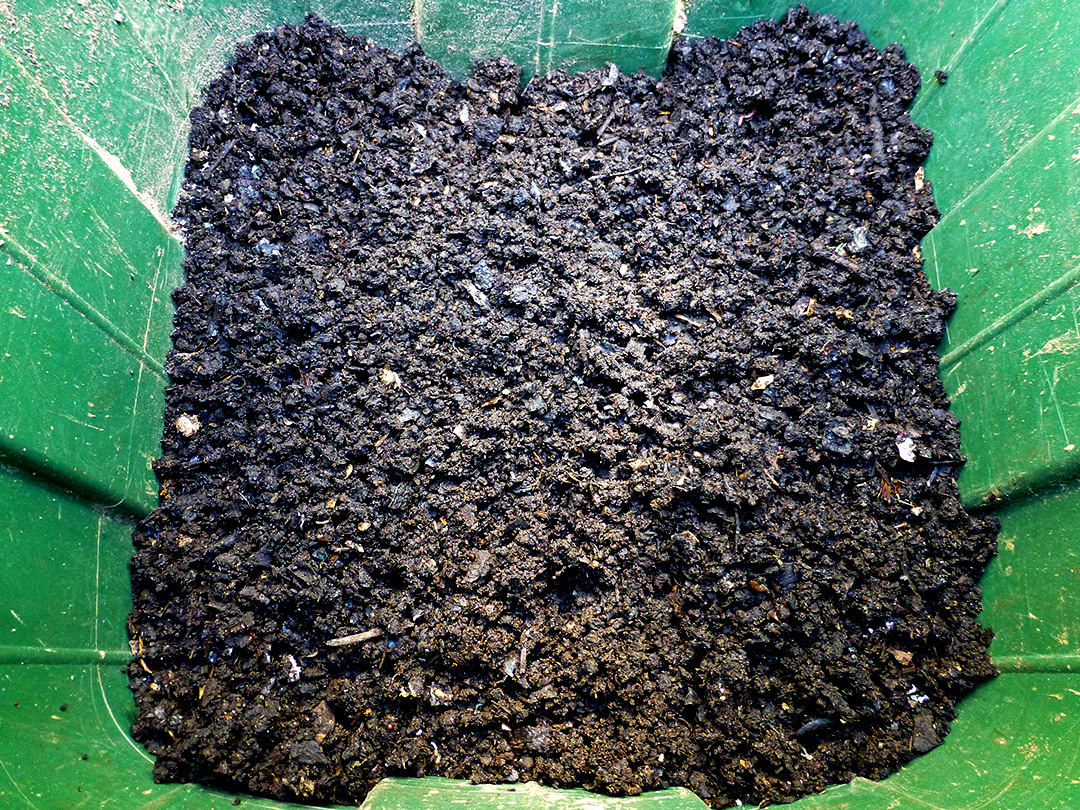
Our goal was to provide a nurturing environment for earthworms to go forth and multiply and to produce worm casting (aka: vermicompost, worm humus, worm manure) to enrich our soil.  Since then, I’ve spent the last five months keeping their home moist and feeding my worms more green kitchen waste, coffee grounds and tea leaves, and garden clippings.  Saturday, I finally harvested my first castings.
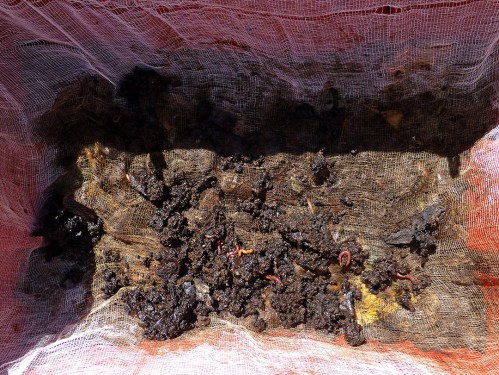
P1160366

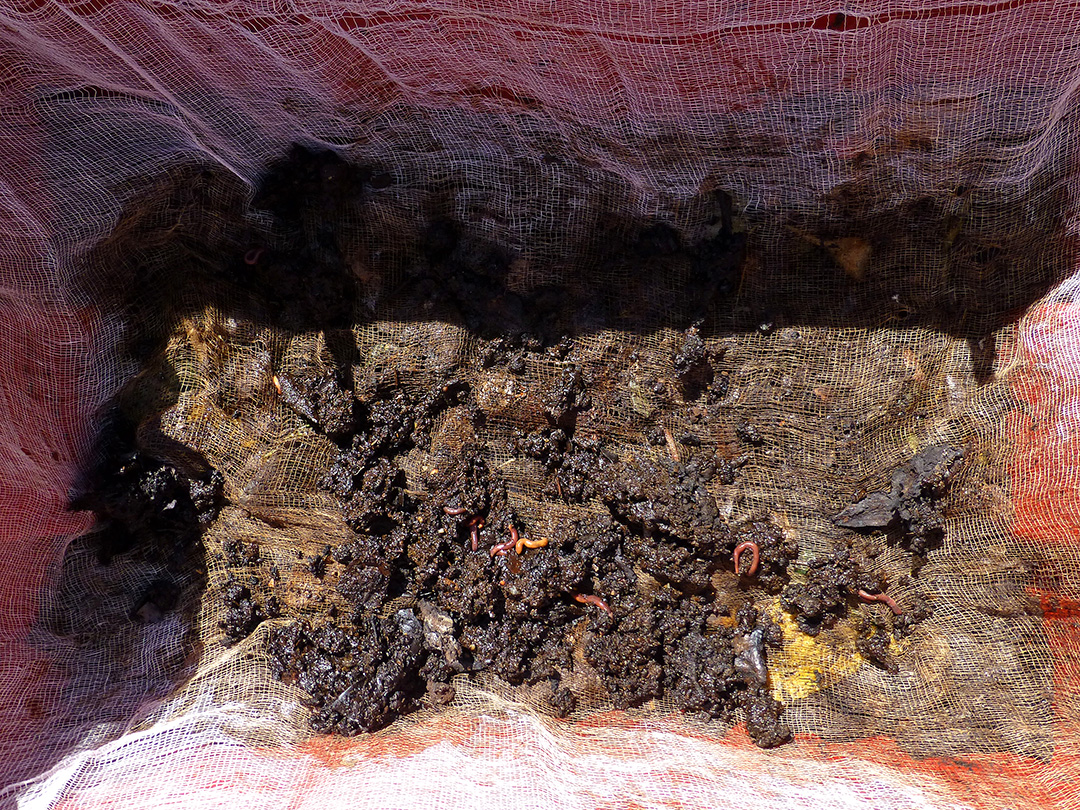
There are several ways to separate the worms from their castings.  I chose the photosensitivity filter method — laying cheesecloth over another bin filled with compost and placing it in the sun, I transferred a thin layer of my worms and their castings onto the cheesecloth.
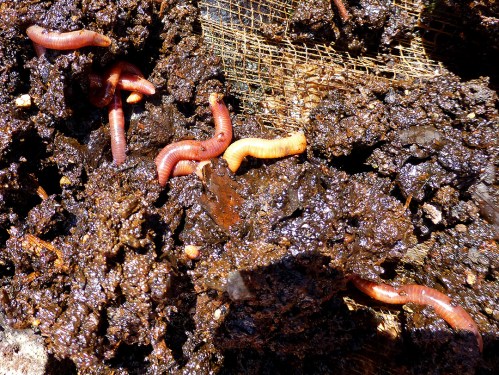
P1160365

Earthworms hate the sun and most quickly started burrowing down through the cheesecloth in search of cool moist darkness..  Once the worms had made their way into the moist compost of their new home (stragglers received hand-picked assistance), I removed the cheesecloth, now filled with worm-free castings, and dumped it onto my sifter, where I sifted the nutrient rich castings into my soil bin.

P1160372It’s rather time-consuming, but what else did I have to do on a Saturday?  It was well worth it and I get to do it all again in three to five months!

Read Full Post »

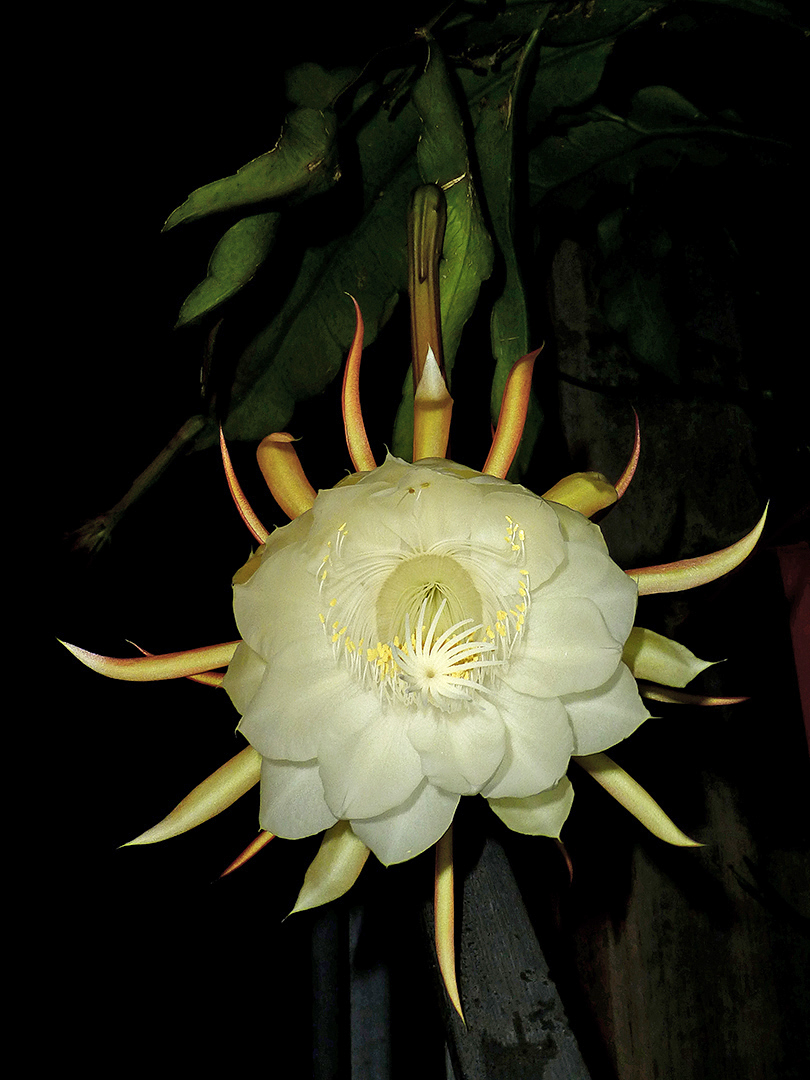
… of the night flowering variety.  During the hours of darkness, they brighten the terrace with their brilliant white and perfume the air with their sweet scent.

Pitaya

Pitahaya

Cereus

Cereus

Azucenas

Azucenas

A fleeting gift for the senses, by morning they gone.

Read Full Post »

Rows and flows of angel hairP1060825

And ice cream castles in the air

P1060827

And feather canyons everywhere

P1060828

I’ve looked at clouds that way.

Both Sides Now by Joni Mitchell.

Read Full Post »

Yesterday, I walked through an enchanted garden…

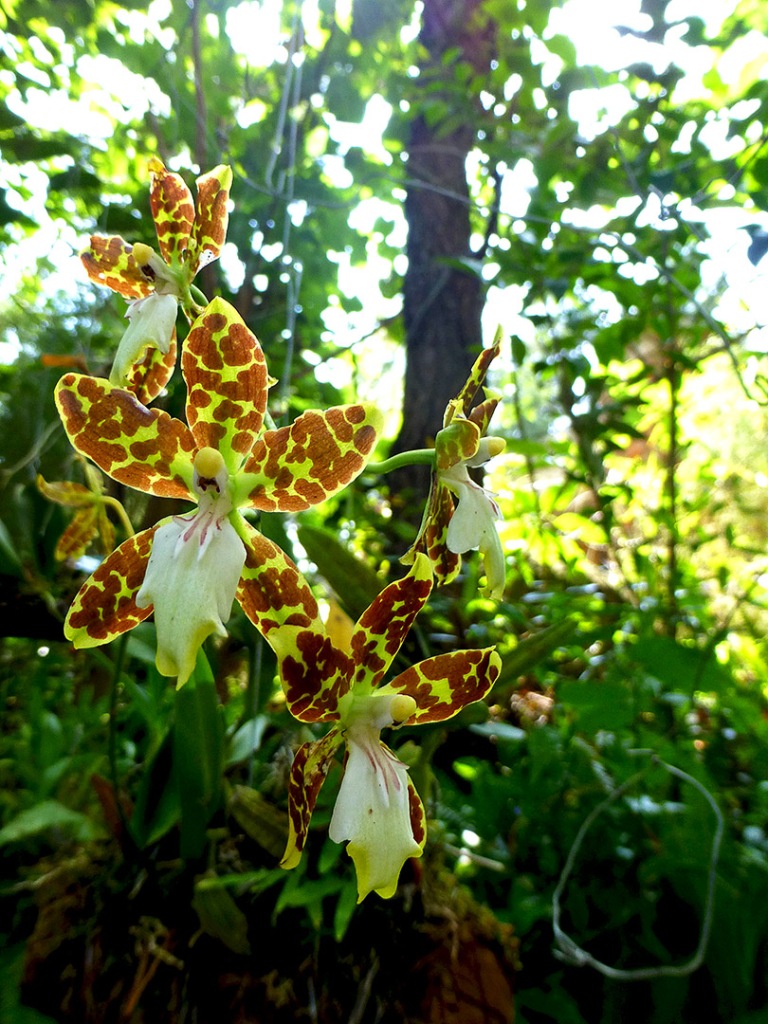
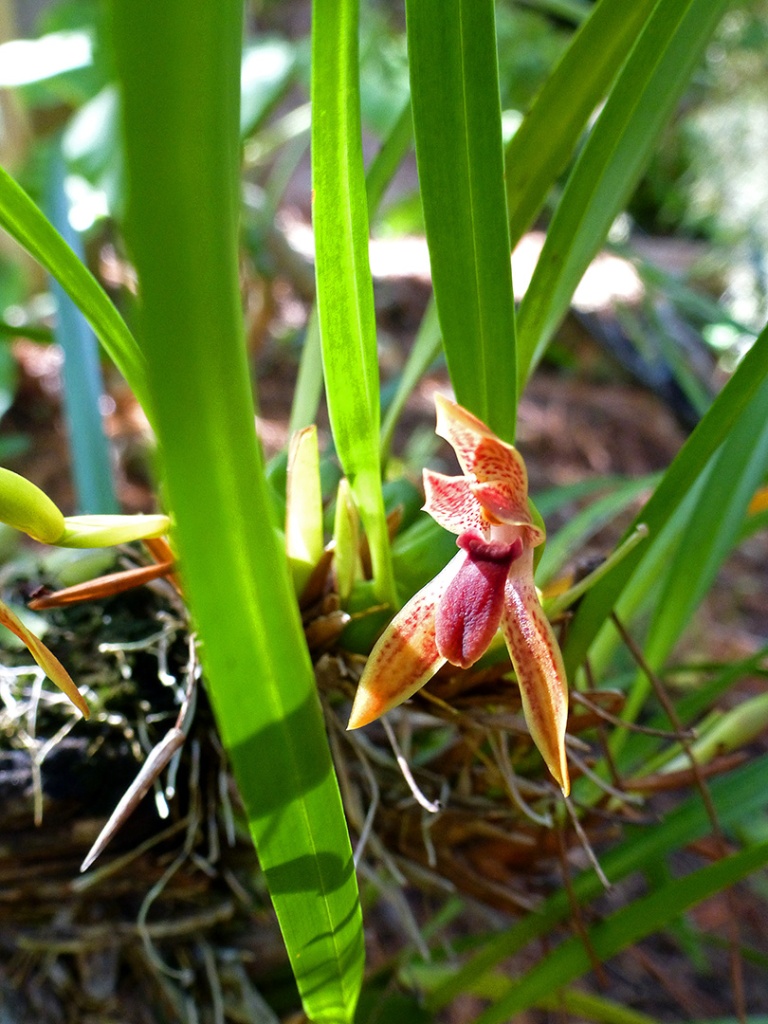
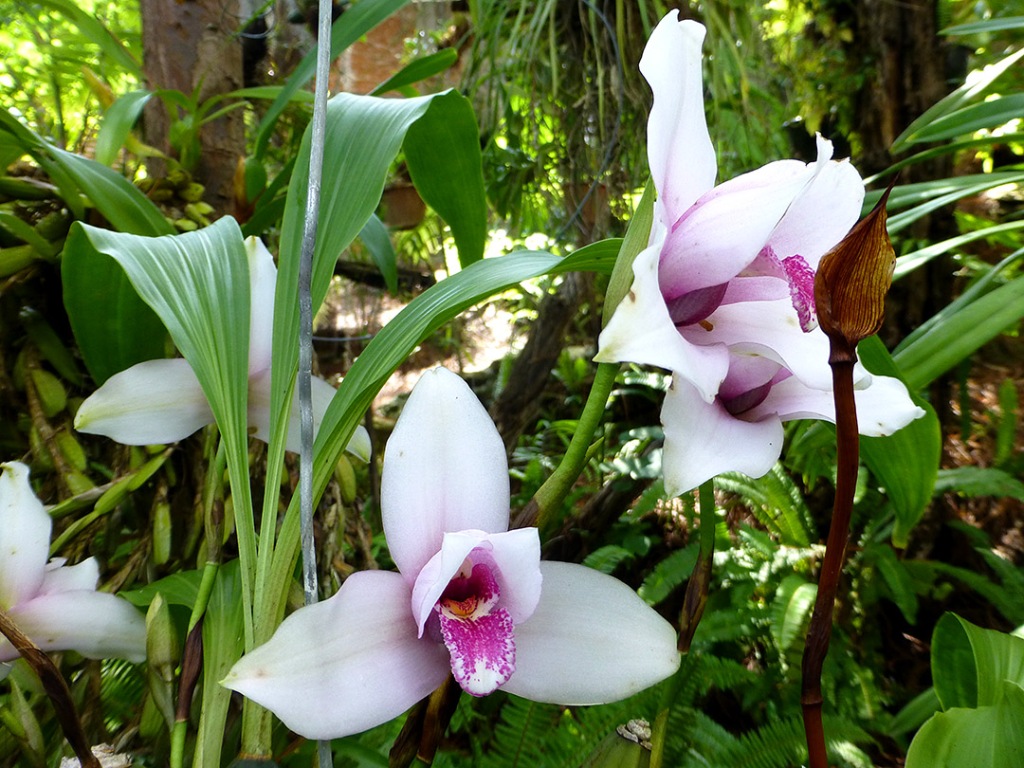
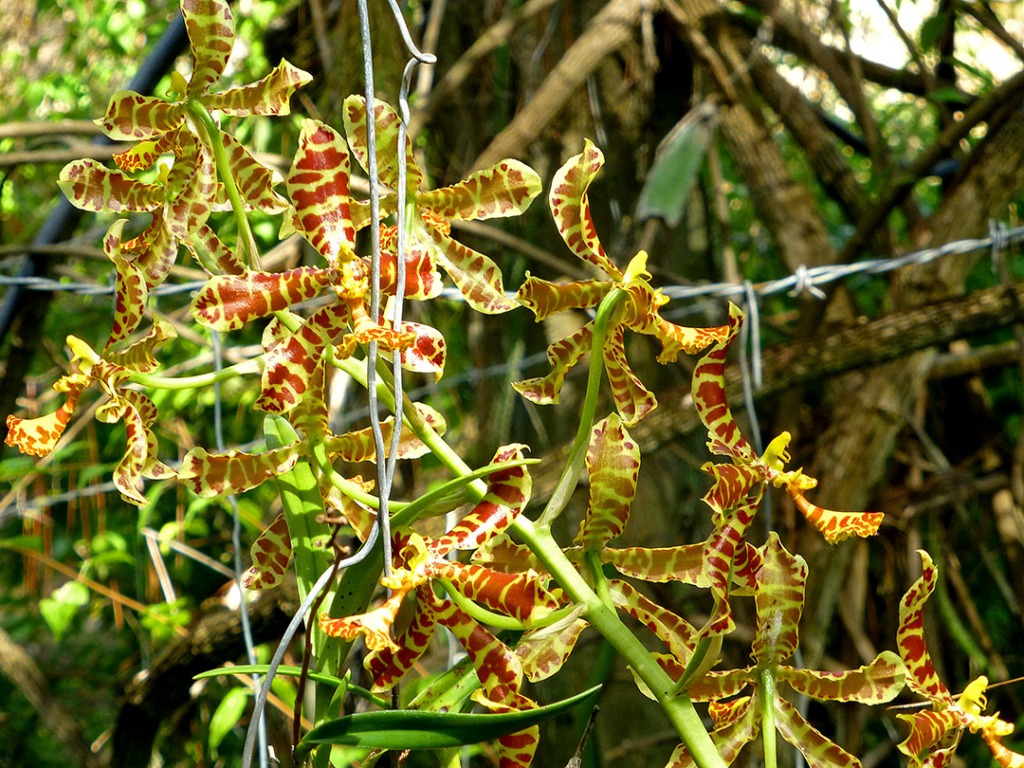
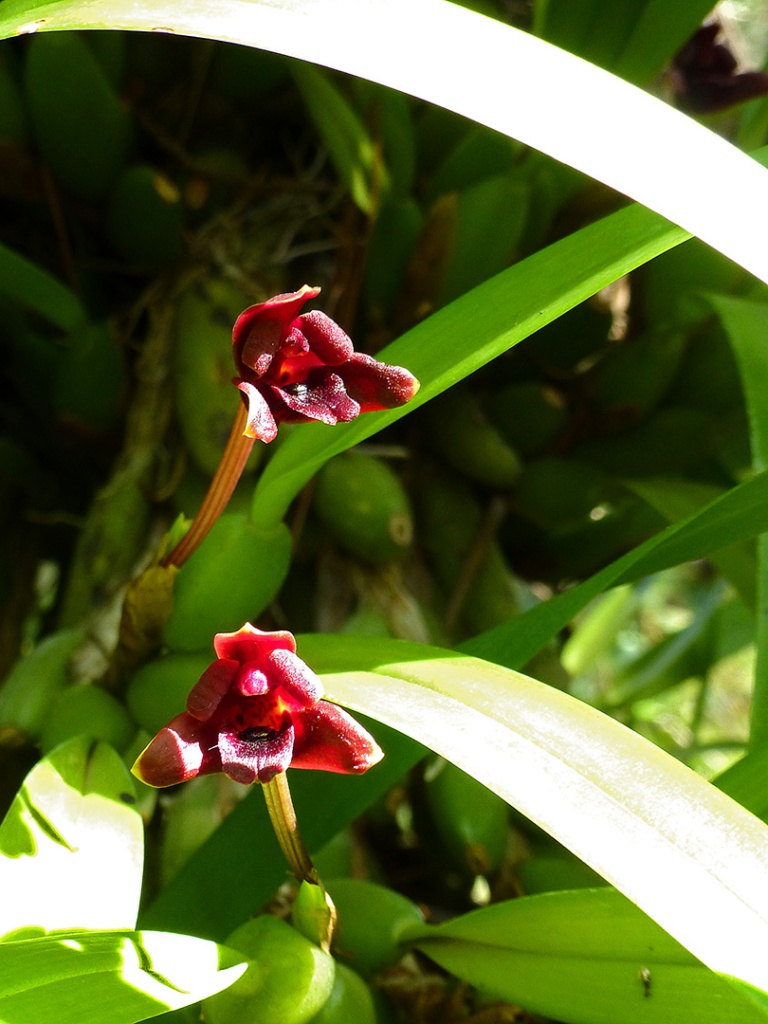
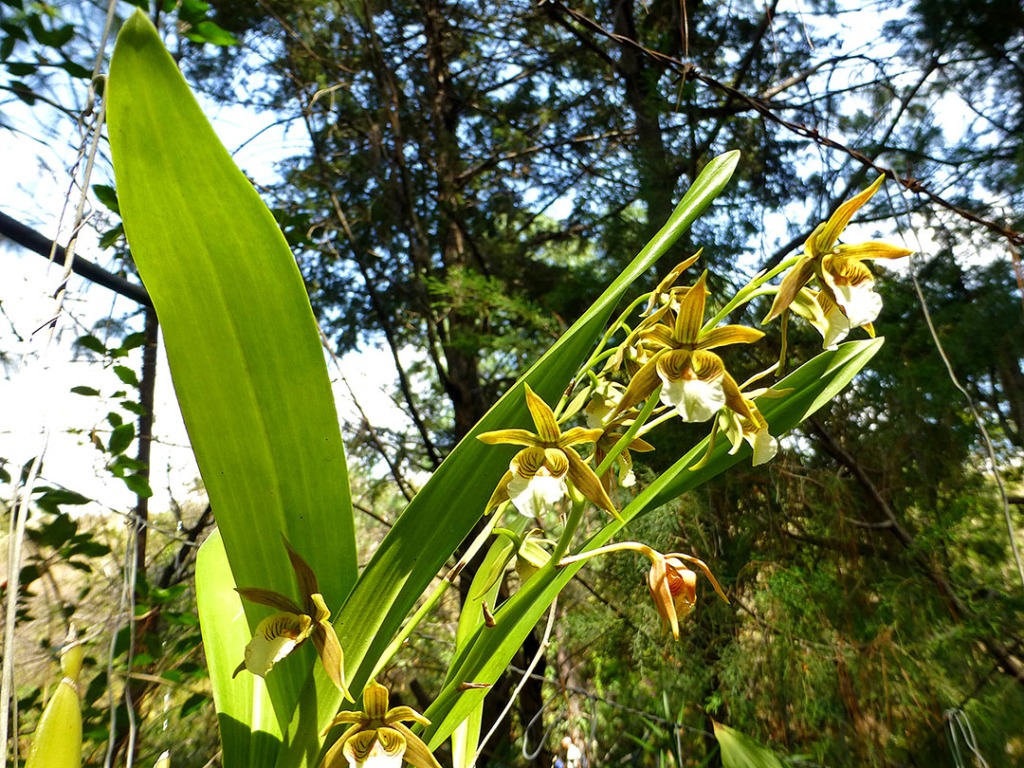
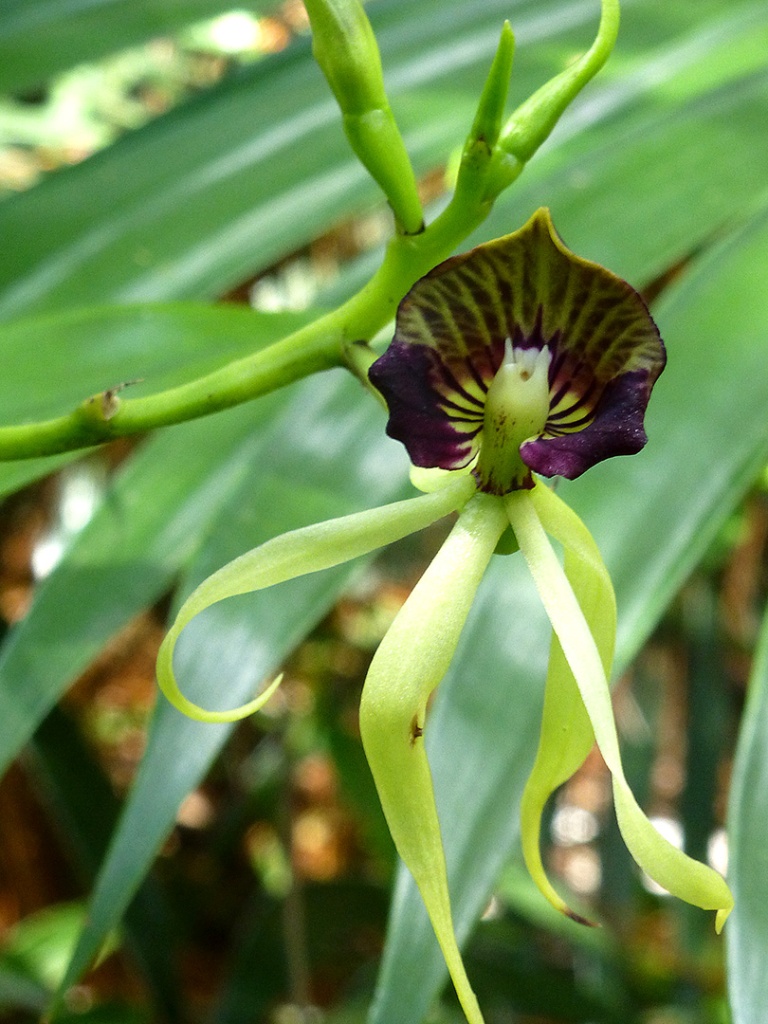
Along with about 25+ other people from the Oaxaca Garden Club, I made my way to an orchid garden in San Andrés Huayapam.

What a treasure the privately funded, Orquideario “La Encantada” is!  For owner/gardener/collector, Octavio Gabriel, it is a 40+ year old passion and labor of love — and it shows.

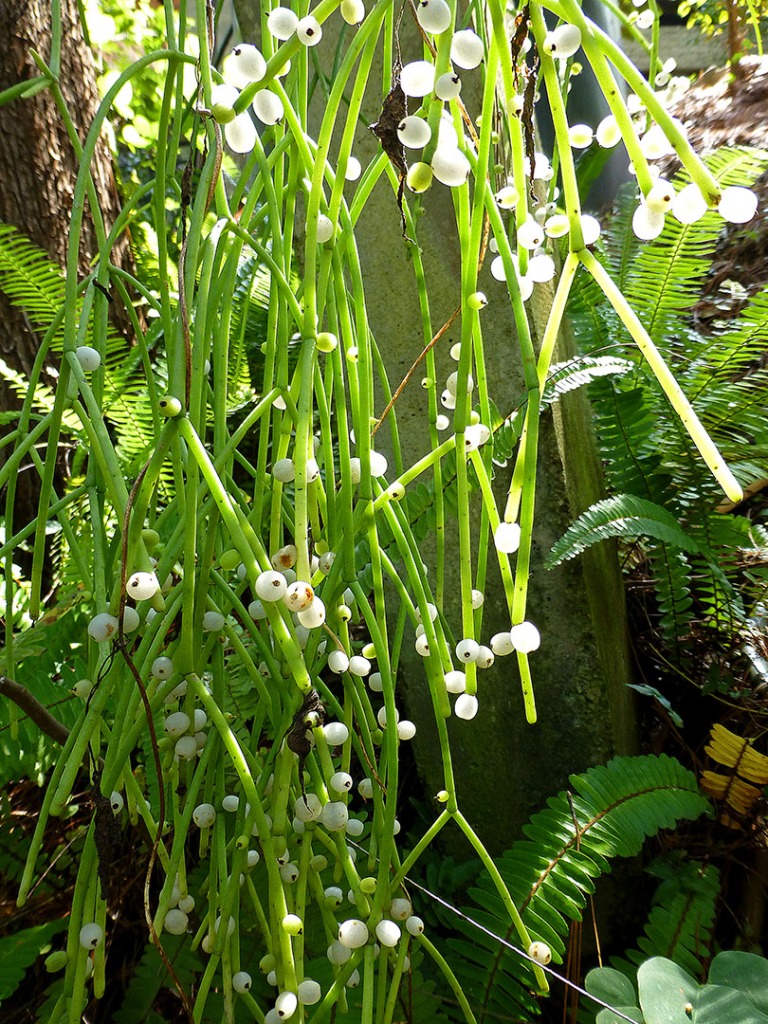
The earthen pathways lead one up and down, through dappled light, along the slopes of a babbling brook.  The orquideario is sanctuary to about 1,200 species of orchids, along with companion epiphytes, ferns, bromeliads, and even a bamboo forest.

Orquideario “La Encantada” is located at the end of a dirt road off to the right, about 1 km beyond the presas (reservoirs), towards the village of San Andrés Huayapam.

The 100 pesos admission fee helps finance the orquideario.  I plan to return!  Octavio Gabriel’s book, Algunas Orquideas de Oaxaca is available to purchase for 350 pesos.

Read Full Post »

The calm after the storm.  What a difference 36 hours makes!

Basilica de la Soledad and blue sky

The beginning of the dry season?  Only Mother Nature knows…

Read Full Post »

Yesterday, the Virgen del Rosario convite beckoned us to Tlacolula (more to come).  After an hour and a half of photographing and relishing in the music, marmotas, monos, impossibly cute kids, and hospitality, we began losing the light as a dark and threatening sky began moving in.  However, Mother Nature put on quite an extravaganza for our drive back to the city — towering clouds, sheets of rain, lightening streaking towards the ground, brilliant sun, and rainbows.

Basílica de La Soledad with red-gray sky

Once home, a weird and wondrous sunset.


Read Full Post »

From this morning’s walk in Teotitlán del Valle…

Blue flower surrounded by green leaves

White blossom

Yellow flowers

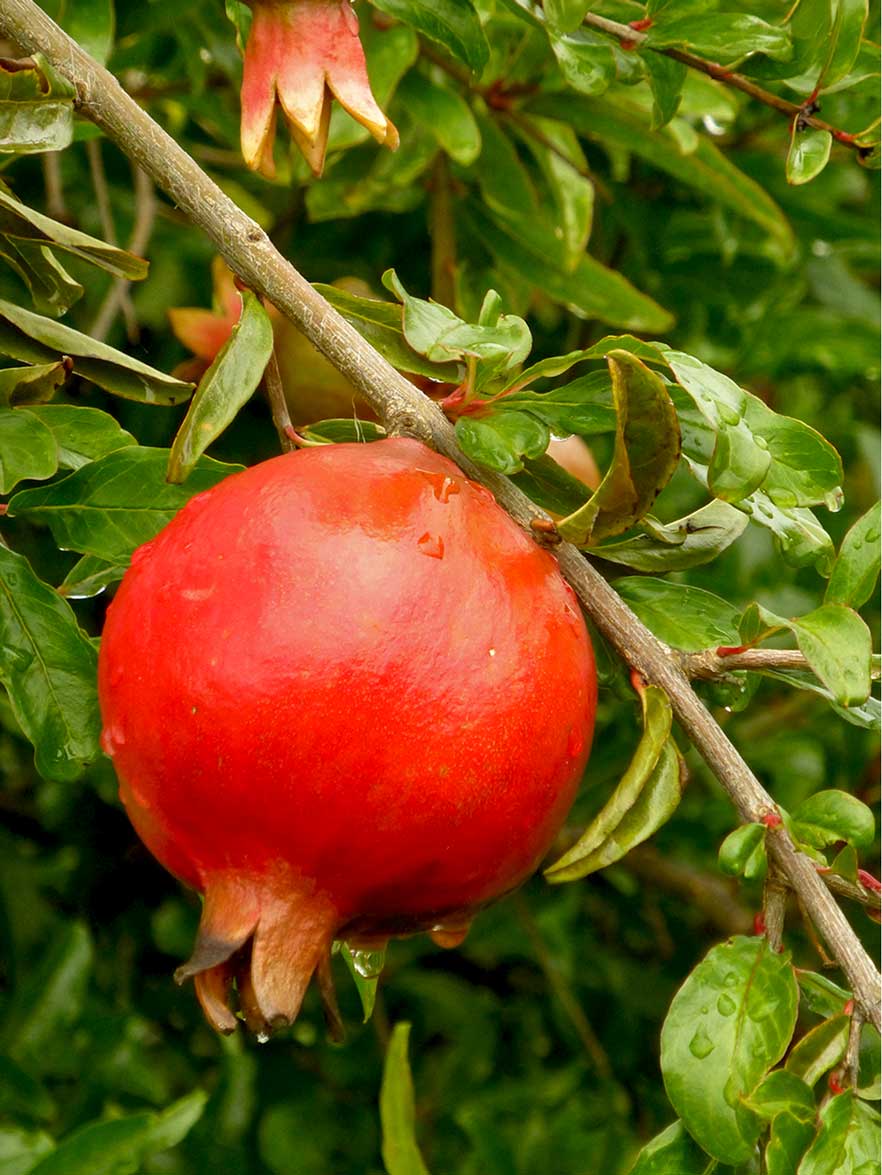
Pomegranate on branch

Splashes of color on a gray, rainy season, Sunday.

Read Full Post »

This morning’s sunshine (after days of gray) brought a visitor to my door…

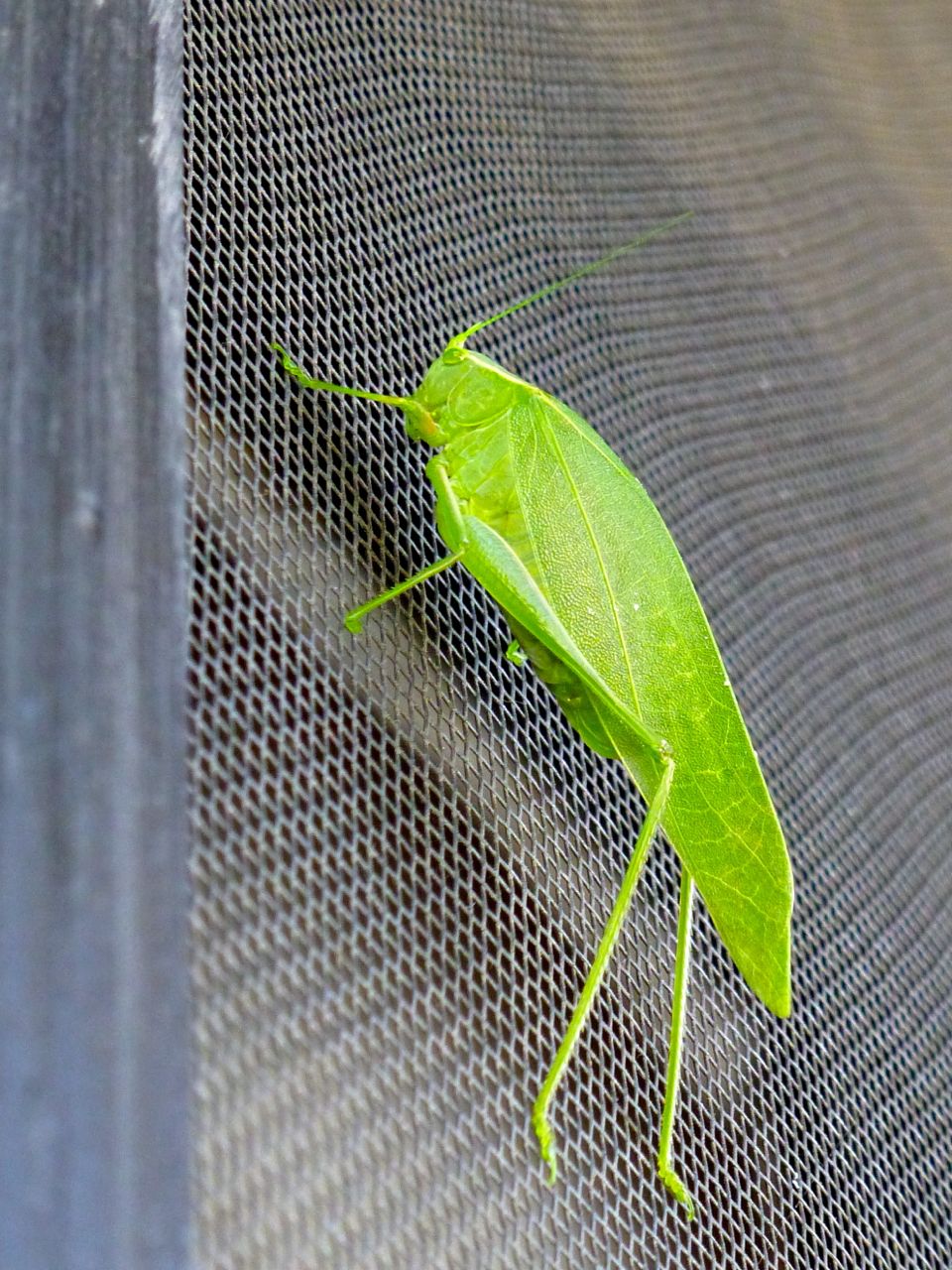
Green grasshopper on screendoor

A Sphenarium purpurascens, also known as Chapulín de la milpa.  No cornfield nearby.  Hmmm… perhaps the recent storms blew it off course?

Read Full Post »

Last year the rainy season was almost non-existent and the campesinos were worried.  Four years ago it rained almost everyday from early July to late September and landslides and major flooding resulted.  This year the rains have been on again, off again, and on again.  But Mother Nature always manages to paint rainbows all over your blues.

Rainbow over bell towers of San Felipe Neri

View from Casita Colibrí of the bell towers of San Felipe Neri and the Indian laurels in the zócalo.

Read Full Post »

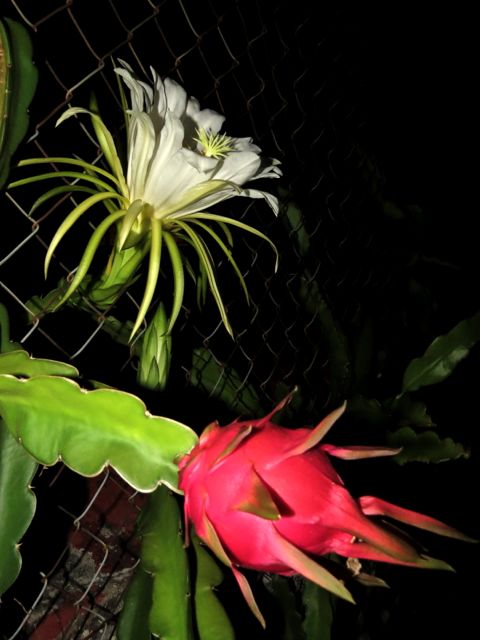
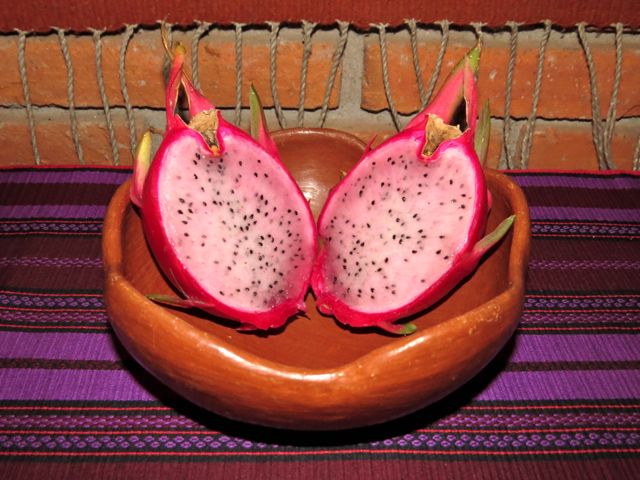
Remember the night my Pitahaya (aka, Dragon fruit) blossom was ready for her close-up?  Three months later, here she is…

Pitahaya fruit

Though there is fruit, flowers continue to put on their bloomin’ after-dark show.

Pitahaya flower and fruit

Their beauty never ceases to enchant.

Pitahaya flower

From terrace to table…

2 halves of Pitahaya fruit

My version of “farm fresh.”

Read Full Post »

This has been a good year for my stinky Stapelia gigantea.

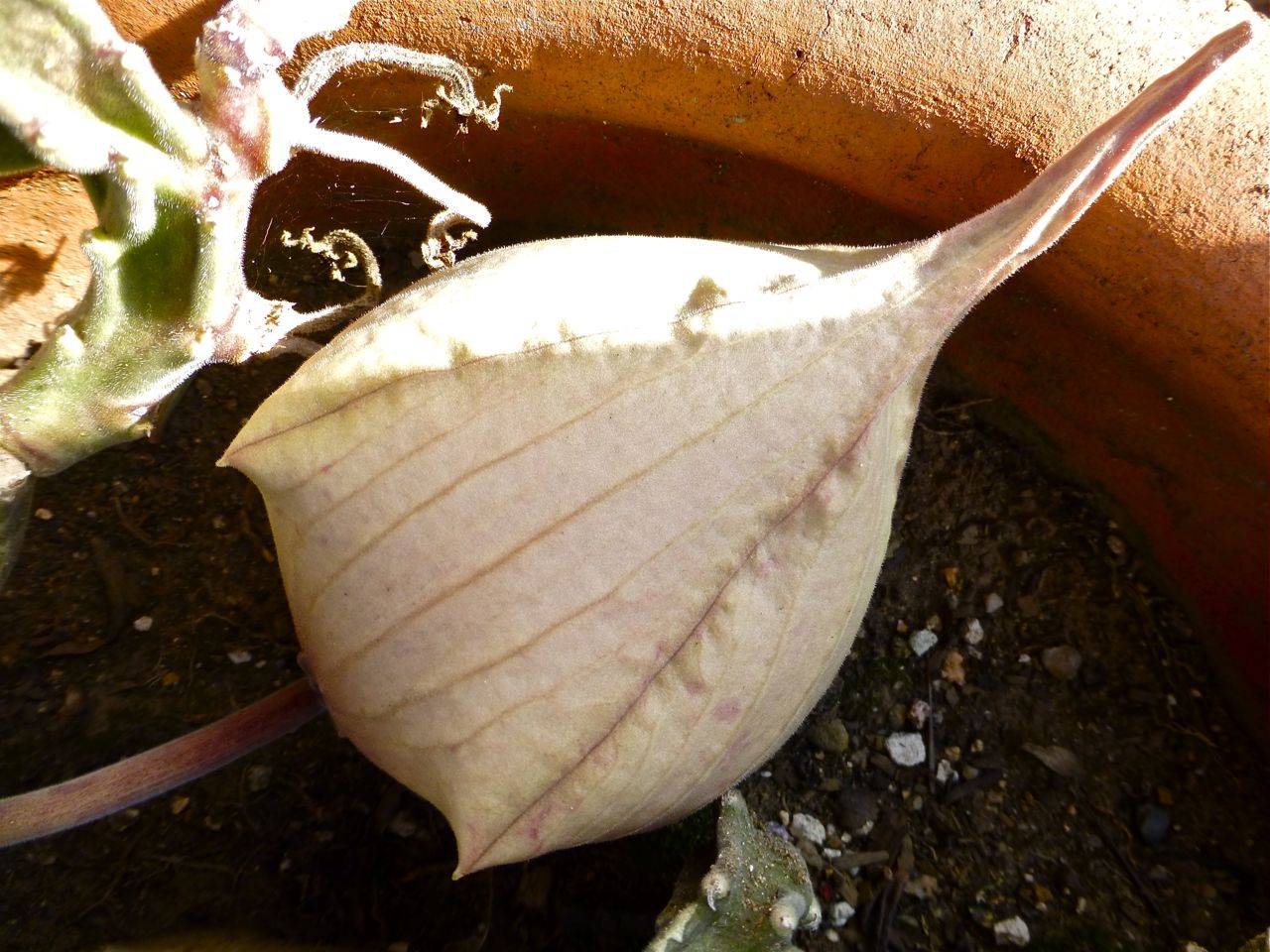
Stapelia gigantea unopened blossom

Feather-light blossoms open to reveal zebra-striped, hairy flowers.  Apparently, to carrion eating insects, these tiny soft white hairs resemble mold growing on rotting meat — a disgusting thought!

Part of Stapelia gigantea hairy petal

And, to complete the putrid package, the flowers smell like rotten meat.

Stapelia gigantea open flower with 7 green bottle flies

An odious odor only a green bottle fly could love.

Save

Save

Read Full Post »

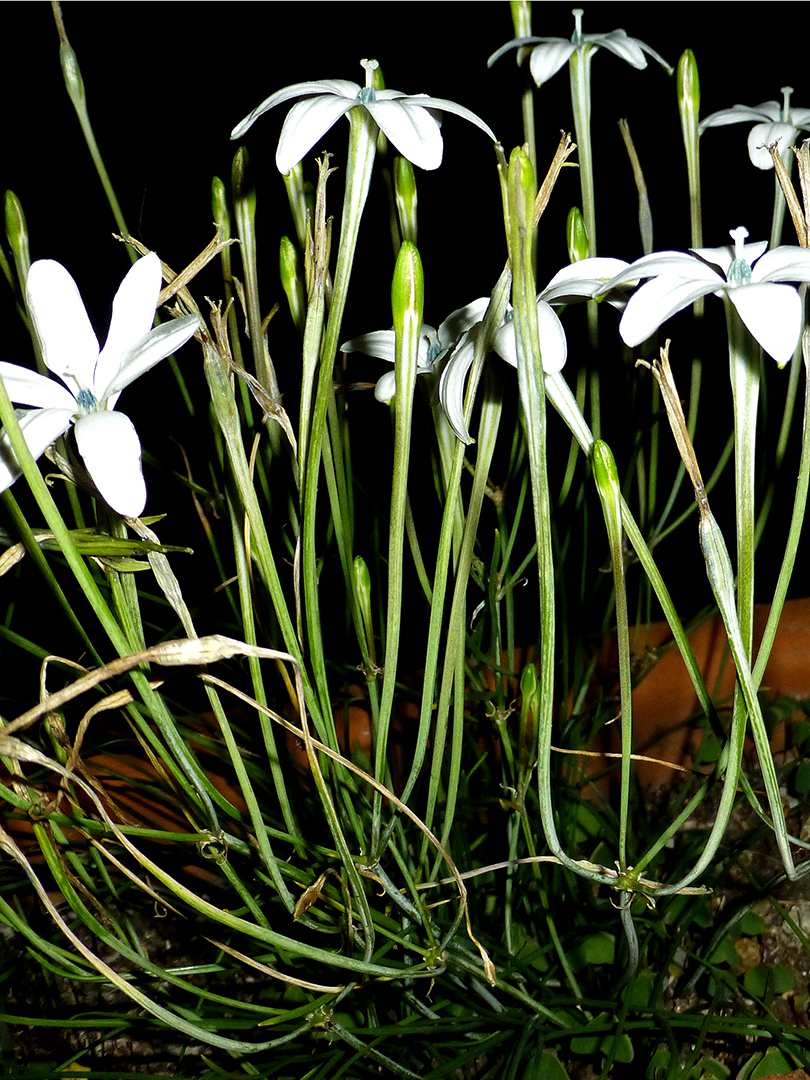
The azucena is a variety of tuberose and its name is familiar in Oaxaca.  A popular boutique hotel near Casita Colibrí and  a well-known restaurant at the entrance to San Martín Tilcajete are both namesakes. This must be a special flower.  It is!  A few evenings ago, I went out onto the terrace to soak in the view, as lights came on in the city, and discovered azucenas blooming in an old planter box on the terrace wall.  Another night bloomer joins my pitahaya and night-blooming cereus.

Stalks of flowering azucenas

As Judy Sedbrook at Colorado State University, Cooperative Extension, explains, flowering plants on The Night Shift take over as the sun sets.  They are often white or light-colored, to better reflect the moonlight, and exhibit a heady scent, both in an effort to attract their night flying moth and bat pollinators.

2 azucenas flowers against dark sky

I love these sweet-smelling nighttime surprises!

Read Full Post »
« Newer Posts - Older Posts »